
Embarking on a journey to the enchanting island of Guam often sparks a fundamental question for travelers: “Do I need a passport?” This seemingly straightforward query opens the door to a nuanced understanding of Guam’s political status, its relationship with the United States, and the varying documentation requirements based on a traveler’s citizenship. Nestled in the western Pacific Ocean and famed for its pristine beaches, rich Chamorro culture, and historical significance, Guam is a captivating destination. However, before you can dive into the warm waters of Tumon Bay or explore the historical sites of Hagåtña, understanding the necessary travel documents is paramount. This guide will clarify everything you need to know about passport requirements for your trip to this tropical paradise, ensuring a smooth and stress-free journey from planning to arrival.

Understanding Guam’s Unique Status
The answer to whether a passport is needed largely depends on your citizenship, primarily due to Guam’s distinctive political relationship with the United States. This tropical outpost is not an independent nation but rather an organized, unincorporated territory of the United States. This status has significant implications for travel, especially for U.S. citizens.
A U.S. Territory in Micronesia
Guam, officially the Territory of Guam, is located in Micronesia, a subregion of Oceania. It became a U.S. territory in 1898 following the Spanish-American War. Today, Guam operates under U.S. federal laws, and its residents are U.S. citizens by birth, though they cannot vote in presidential elections. This territorial status means that, in many respects, travel between the continental United States and Guam is treated similarly to domestic travel within the mainland. The island boasts a significant military presence, including Andersen Air Force Base, further cementing its strategic importance to the U.S.. Its location also makes it a gateway to other Pacific islands, such as Saipan, Rota, and Tinian, which are part of the Commonwealth of the Northern Mariana Islands (CNMI), another U.S. territory.
Implications for Travel Documentation
Because Guam is part of the United States, the travel documentation requirements differ significantly for U.S. citizens compared to international visitors. For U.S. citizens traveling directly from the United States or another U.S. territory, the journey is considered domestic. However, for non-U.S. citizens, even those traveling from the United States mainland, the trip to Guam is still an international one, necessitating a passport and potentially a visa. This distinction is crucial for preparing the correct documents and avoiding any delays or issues at the airport or upon arrival in Guam. The rules are designed to facilitate ease of travel for its citizens while maintaining border security for international arrivals.
Passport Requirements for U.S. Citizens
For citizens of the United States, the question of whether a passport is required for travel to Guam is a common point of confusion. While not strictly mandated for direct travel from the U.S. mainland, understanding the nuances can greatly enhance your travel experience.
Domestic Travel Rules Apply (Mostly)
For U.S. citizens traveling directly between the United States (including its territories) and Guam, a passport is generally not required. The journey is considered a domestic flight under the auspices of the Department of Homeland Security. This means that standard domestic air travel identification requirements apply, similar to flying from California to New York. Travelers will still need to present a valid, government-issued photo identification at the airport. This convenience is a significant benefit for U.S. citizens, simplifying the travel planning process and potentially saving time and expense associated with obtaining or renewing a passport.
Acceptable Forms of Identification
In lieu of a passport, U.S. citizens can use a variety of documents to board flights to Guam. The most commonly accepted forms of identification include:
- A state-issued enhanced driver’s license (if applicable)
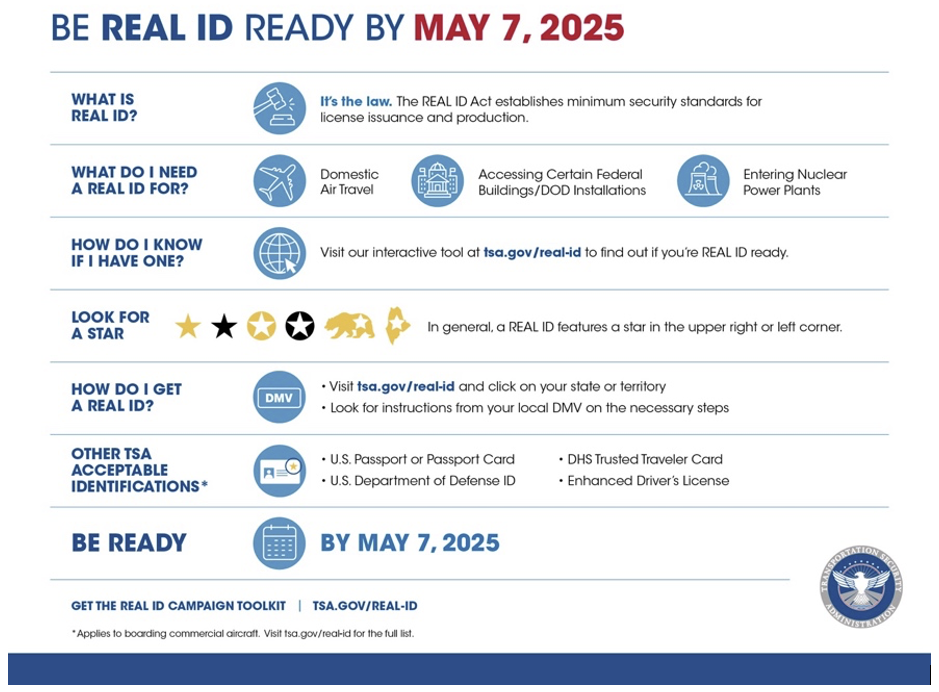
- A standard driver’s license or other state photo identity cards that meet REAL ID Act compliance
- A U.S. military ID
- A permanent resident card (Green Card) for lawful permanent residents
- A birth certificate accompanied by a government-issued photo ID (though this combination may be subject to additional scrutiny or airline-specific policies, so it’s always best to check with your carrier).
It is crucial that whatever form of ID you choose, it is valid and unexpired. Airlines and the Transportation Security Administration (TSA) have strict rules regarding acceptable identification, and non-compliance can result in denied boarding.
Why a Passport is Still Highly Recommended for U.S. Citizens
Despite the fact that a passport is not technically mandatory for U.S. citizens flying directly to Guam, many experts and experienced travelers strongly recommend carrying one. There are several compelling reasons for this advice:
- Flexibility in Travel Plans: Should an unforeseen event arise, such as an emergency diversion to a foreign country (e.g., Japan, Philippines, or South Korea) or a desire for a spontaneous side trip to a nearby international destination like the Northern Mariana Islands (which may have different entry requirements for non-passport holders), a passport becomes indispensable. Without one, you could face significant travel disruptions.
- Proof of Citizenship: A passport is the gold standard for proving U.S. citizenship. While other IDs suffice for boarding, a passport unequivocally establishes your national identity and status.
- Smoother Processing: At various points during your travel, including airline check-in, security checkpoints, and arrival at Guam, presenting a passport can often lead to quicker and smoother processing, as it is universally recognized as a valid travel document.
- Compliance with WHTI: While Guam is exempt from some aspects of the Western Hemisphere Travel Initiative (WHTI) for direct U.S. citizen travel, having a passport ensures you meet the highest standard of international travel documentation.
In essence, while you can travel without a passport as a U.S. citizen, possessing one offers an invaluable layer of security, convenience, and flexibility for any potential contingencies during your journey to and from Guam.
Entry Requirements for International Travelers
For individuals who are not U.S. citizens, the entry requirements for Guam are significantly different and more stringent. As a U.S. territory, Guam adheres to the same immigration policies as the continental United States. This means that international travelers will need to meet standard U.S. entry requirements.
Standard International Travel Protocols
All non-U.S. citizens must present a valid passport to enter Guam. The passport must be valid for at least six months beyond your intended period of stay. In addition to a valid passport, most international visitors will also require a U.S. visa, depending on their country of origin and the purpose of their visit. The visa application process can be lengthy and requires careful attention to detail, including interviews at a U.S. embassy or consulate in your home country. It is critical to start this process well in advance of your planned travel dates to avoid any last-minute complications. Visitors from countries with strong tourism ties to Guam, such as Japan, South Korea, and the Philippines, are very familiar with these requirements, as Guam is a popular short-haul vacation spot for these markets.
Visa Waiver Program (VWP) and ESTA
Travelers from countries participating in the Visa Waiver Program (VWP) may be eligible to travel to Guam for tourism or business for stays of 90 days or less without obtaining a visa. However, even VWP-eligible travelers must obtain an approved authorization through the Electronic System for Travel Authorization (ESTA) prior to their departure. An ESTA approval is not a guarantee of entry but authorizes a traveler to board a carrier to the United States. Upon arrival, U.S. Customs and Border Protection (CBP) officers make the final decision on admission. It’s important to note that certain conditions or past travel history (e.g., travel to Cuba) can disqualify an individual from using the VWP or ESTA, necessitating a traditional visa application instead.
Essential Documents for Non-U.S. Citizens
Beyond a valid passport and an appropriate visa or ESTA, international travelers should be prepared to present additional documentation upon arrival. This may include:
- Proof of onward or return travel: Airlines and immigration officials want to ensure you do not intend to overstay your authorized period.
- Proof of sufficient funds: To demonstrate you can financially support yourself during your stay.
- Accommodation details: Confirmation of hotel bookings or an invitation letter if staying with friends or family.
- Travel insurance: While not always mandatory, travel insurance is highly recommended to cover unforeseen medical emergencies, trip cancellations, or lost luggage.
Failure to provide these documents, or if there are any inconsistencies, can lead to delays or even denial of entry. It is always advisable to consult the official website of the U.S. Department of State or a U.S. embassy/consulate for the most up-to-date and specific requirements for your country of citizenship.
Preparing for Your Trip to Guam
Once you’ve clarified your documentation needs, the rest of your travel preparations for Guam can fall into place. Ensuring all practical aspects of your trip are handled will allow you to fully immerse yourself in the island’s unique beauty and culture.
Beyond the Passport: Other Travel Considerations
While passports and IDs are fundamental, a well-prepared traveler considers other important aspects. It’s wise to make copies of all important travel documents, including your passport, visa (if applicable), flight itineraries, and hotel reservations. Store these copies separately from the originals, and consider keeping digital copies on a secure cloud service or email. Travelers should also be aware of any health advisories or required vaccinations for tropical destinations, though Guam generally aligns with U.S. health standards. Currency on the island is the U.S. Dollar, and credit cards are widely accepted. Power outlets are standard North American type A and B, so adaptors might be necessary for international visitors. Lastly, consider purchasing travel insurance to protect against unforeseen circumstances like medical emergencies or trip cancellations, regardless of your citizenship.
Customs and Immigration Upon Arrival
Upon arrival at Antonio B. Won Pat International Airport in Guam, all travelers will undergo customs and immigration checks. For U.S. citizens, this process is typically straightforward, akin to domestic arrivals, though you will still need to show your valid ID. International travelers will proceed to the international arrivals section, where CBP officers will review passports, visas, or ESTA approvals. Be prepared to answer questions about the purpose of your visit, duration of stay, and accommodation. Guam is particularly strict about agricultural imports due to its island ecosystem, so be mindful of any food items, plants, or animal products you may be carrying. Always declare any questionable items to avoid penalties. The process is designed to ensure the safety and security of the island and its visitors.
A Smooth Start to Your Guam Adventure
A hassle-free entry sets the perfect tone for your Guam adventure. By meticulously preparing your travel documents, understanding the specific requirements for your citizenship, and anticipating the customs and immigration procedures, you can minimize stress and maximize your excitement. Once you clear customs, you’ll be ready to experience all that this beautiful island has to offer, from the stunning cliffside views at Two Lovers Point to the poignant history preserved at the War in the Pacific National Historical Park. Remember, proper preparation is the key to unlocking a memorable and problem-free vacation in paradise.
Final Thoughts on Documentation and Enjoying Guam
As you finalize your travel plans for the tropical haven of Guam, the importance of proper documentation cannot be overstated. Whether you are a U.S. citizen or an international visitor, having the correct and valid identification is the cornerstone of a successful trip.
Peace of Mind for Your Journey
For U.S. citizens, while a passport isn’t strictly necessary for direct travel, opting to bring one provides unparalleled peace of mind and flexibility. It’s a universal travel document that smooths transitions and prepares you for any unexpected changes in your itinerary or spontaneous side trips. For international travelers, a valid passport and the appropriate visa or ESTA are non-negotiable requirements, serving as your official entry ticket to this U.S. territory. Double-checking all expiry dates and confirming compliance with current regulations well before your departure date will eliminate any last-minute anxieties and ensure a seamless start to your vacation.

Discovering the Charm of Guam
With your documentation in order, you can fully turn your attention to the exciting prospect of exploring Guam’s unique attractions. From the vibrant marine life beneath its crystal-clear waters, perfect for snorkeling and diving, to its lush jungles and historical sites that tell tales of ancient Chamorro culture and World War II, Guam offers a diverse range of experiences. Indulge in local cuisine, explore bustling markets, or simply relax on one of its many picturesque beaches. The blend of American convenience with distinct Micronesian culture creates a fascinating destination. By taking the necessary steps to secure your travel documents, you’re not just preparing for a trip; you’re opening the door to an unforgettable island adventure, ready to create lasting memories in one of the Pacific’s hidden gems.
LifeOutOfTheBox is a participant in the Amazon Services LLC Associates Program, an affiliate advertising program designed to provide a means for sites to earn advertising fees by advertising and linking to Amazon.com. Amazon, the Amazon logo, AmazonSupply, and the AmazonSupply logo are trademarks of Amazon.com, Inc. or its affiliates. As an Amazon Associate we earn affiliate commissions from qualifying purchases.