
Embarking on a journey to the enchanting island of Guam, nestled in the western Pacific Ocean, naturally sparks curiosity about its people, their heritage, and their unique way of life. Understanding who the inhabitants are and how they identify themselves is fundamental to appreciating the island’s rich cultural tapestry and the warm hospitality visitors encounter. Beyond simply asking for a name, delving into this question unveils centuries of history, resilience, and a vibrant community spirit that defines this captivating U.S. territory.
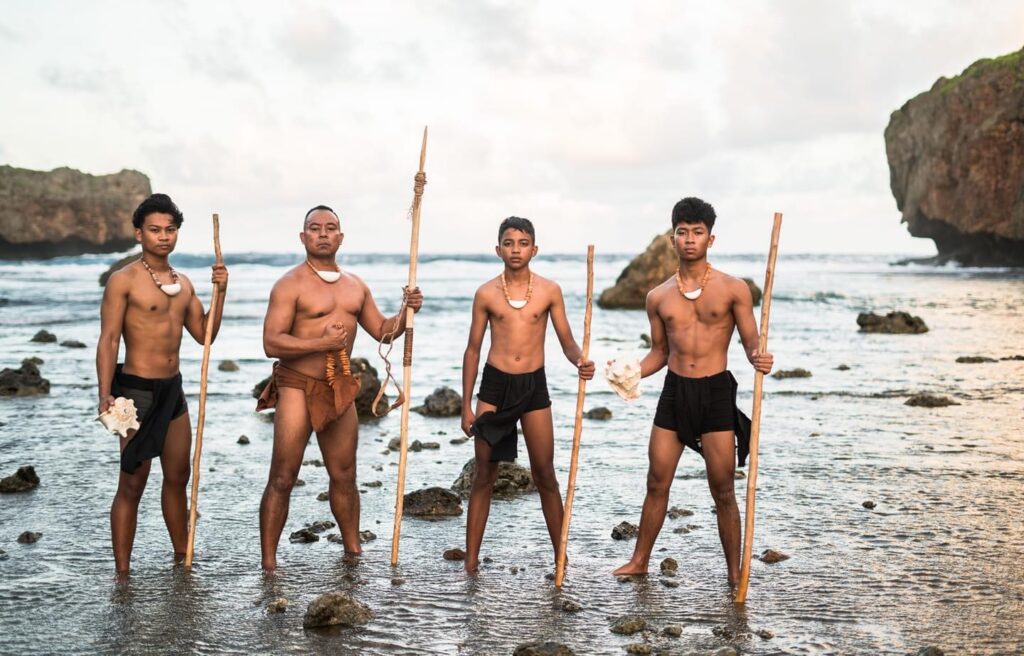
The people from Guam are primarily known as Chamorros. This term refers to the indigenous people of the Mariana Islands, an archipelago that includes Guam, Saipan, Tinian, and Rota. While Guam is a diverse island with residents from various backgrounds, the Chamorros form the bedrock of its cultural identity, embodying its traditions, language, and historical narrative. To truly grasp the essence of Guam, one must first understand the enduring legacy of the Chamorros.

The Indigenous People of Guam: The Chamorros
The story of the Chamorro people is one of remarkable endurance, cultural depth, and a profound connection to their ancestral lands. Their identity is woven from ancient roots, shaped by millennia of seafaring traditions, and forged through centuries of interaction with various global powers. Understanding the Chamorros is key to unlocking the soul of Guam.
Origins and Heritage
The Chamorros are descendants of the original settlers who migrated to the Mariana Islands from Southeast Asia around 2000 BCE. They are part of the larger Austronesian family of peoples, renowned for their advanced navigational skills and expertise in open-ocean voyaging. These early settlers brought with them sophisticated knowledge of agriculture, fishing, and communal living, establishing a thriving civilization long before European contact.
Their society was highly organized, with distinct social classes and strong kinship ties. Ancient Chamorro culture was characterized by a deep reverence for ancestors, a matriarchal system of lineage and property inheritance, and a rich oral tradition of myths, legends, and chants. They constructed impressive latte stones – megalithic pillars capped with hemispherical stones – which served as foundations for their houses and remain iconic symbols of their ancient heritage scattered across the islands. This profound connection to the land and sea, sustained through generations, forms the unbreakable core of Chamorro identity.
The Enduring Chamorro Identity
Despite the profound impact of successive colonial powers – Spain, the United States, and Japan – the Chamorro identity has persisted and evolved. The term “Chamorros” itself is believed to derive from the Spanish word “chamorro,” possibly referring to their closely cropped hair, or “chamo-rri,” a term for ‘noble.’ Regardless of its precise etymology, it is the name by which they collectively identify themselves today, symbolizing their shared history and cultural bonds.
Centuries of foreign rule brought about significant changes, including the introduction of new religions, languages, and governance systems. However, through it all, the Chamorros maintained a remarkable resilience. Efforts in recent decades have focused on cultural revival, strengthening the Chamorro language, preserving traditional customs, and promoting a deeper understanding of their history. This ongoing movement underscores the enduring pride and determination of the Chamorro people to celebrate and perpetuate their unique heritage for future generations.
Language and Communication: More Than Just Words
Language is arguably one of the most vital components of any culture, serving as a direct link to a people’s history, traditions, and collective worldview. In Guam, the linguistic landscape reflects the island’s complex past and its vibrant present, offering insights into how its people communicate and connect.
The Chamorro Language (Fino’ Chamoru)
The indigenous language of Guam and the Mariana Islands is Fino’ Chamoru, or the Chamorro language. It is an Austronesian language that has evolved over thousands of years, absorbing influences from Spanish, English, and even some Japanese due to historical interactions. Fino’ Chamoru is not merely a means of communication; it is a repository of Chamorro thought, philosophy, and identity.
While English is widely spoken, particularly due to Guam’s status as a U.S. territory, efforts to revitalize Fino’ Chamoru are robust. Schools teach the language, and cultural organizations promote its use through various initiatives. Visitors to Guam will quickly encounter the quintessential Chamorro greeting, “Hafa Adai“, which means “Hello” or “What’s up?” Learning and using simple phrases like “Si Yu’os Ma’åse’” (Thank you) or “Adios” (Goodbye) is a wonderful way to show respect and engage with the local culture, often met with genuine smiles and appreciation.
English as a Lingua Franca
As a territory of the United States since 1898, English has become the dominant language for official business, education, and daily communication in Guam. Most Guamanians are bilingual, proficient in both English and Fino’ Chamoru, or at least understand some key Chamorro phrases. This linguistic duality means that travelers will find it easy to navigate the island, communicate with locals, and access services without a language barrier.
The prevalence of English facilitates tourism and business connections, but it also underscores the ongoing challenge of maintaining the vibrancy of Fino’ Chamoru. For visitors, this creates a unique opportunity to witness a living culture actively preserving its heritage while seamlessly integrating into the globalized world. Engaging with locals about their language is not just a conversation; it’s an opportunity to connect with their enduring spirit and cultural pride.
Cultural Tapestry: Traditions and Modernity
The culture of Guam is a vibrant mosaic, predominantly shaped by its indigenous Chamorro heritage, yet beautifully enriched by centuries of foreign influences. This blend creates a unique societal fabric that is both deeply traditional and remarkably adaptable.
Family (Famagu’on) and Community (Guma’)
At the heart of Chamorro culture is the profound importance of famagu’on (family) and guma’ (home/community). Extended family ties are incredibly strong, often spanning multiple generations and influencing daily life, social events, and decision-making. Concepts like respecting elders, helping relatives, and participating in communal affairs are deeply ingrained values. This communal spirit is epitomized by “Inafa’maolek“, a fundamental cultural philosophy emphasizing interdependence, cooperation, and harmony within the community. It guides social interactions and ensures that everyone contributes to the well-being of the whole. Visitors will observe this collective spirit in the warmth and openness of the people, who often treat guests with genuine hospitality, extending a sense of belonging.
Cuisine (Nengkanno’) and Celebrations
Chamorro cuisine, or nengkanno’, is a delicious reflection of the island’s diverse history. Staples include rice, fish, chicken, and various root crops like taro and yam, often prepared with coconut milk. Distinctive Chamorro dishes include red rice (colored with annatto seeds), kelaguen (chopped chicken, beef, or shrimp mixed with lemon juice, onions, and coconut), and finadene (a tangy soy sauce-based dipping sauce). The influence of Spanish, Filipino, and Japanese cooking is evident in dishes like lumpia, adobo, and tempura, which have been adapted into the local palate.
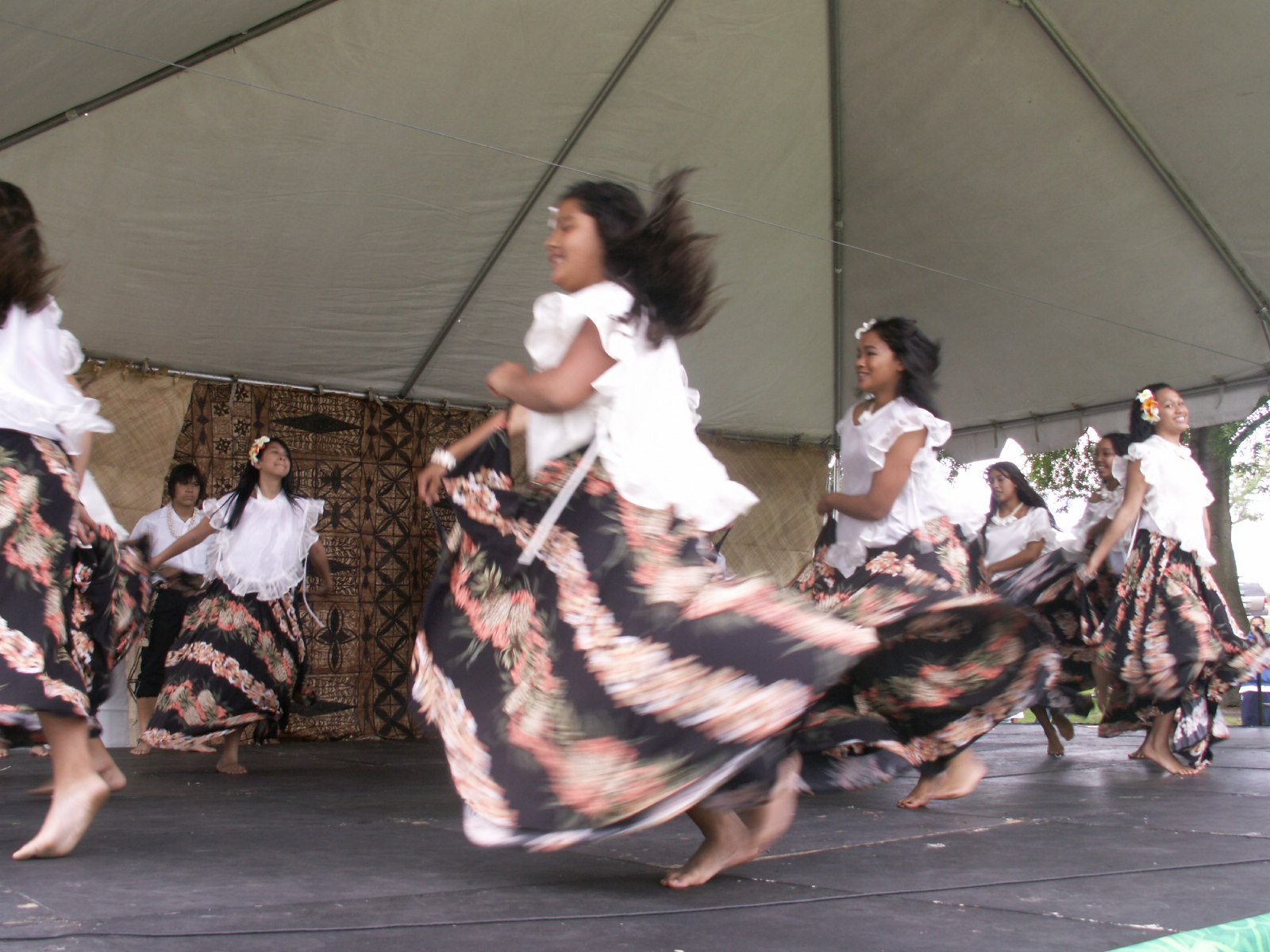
Celebrations on Guam are vibrant affairs, often centered around religious feasts or family gatherings. Village fiestas, in honor of patron saints, are particularly lively, featuring parades, traditional dances, and abundant food shared with everyone. Events like the annual Guam Micronesia Island Fair showcase the rich indigenous cultures of Micronesia, including music, dance, and traditional crafts, offering visitors an immersive experience into the island’s cultural heartbeat.
Arts, Crafts, and Performing Arts
Traditional Chamorro arts and crafts reflect a deep connection to nature and a legacy of resourcefulness. Weaving intricate mats and baskets from pandanus leaves, carving elaborate wooden figures, and creating shell jewelry were skills passed down through generations. While some of these traditions have faced challenges over time, contemporary artists are actively reviving and reinterpreting these forms, ensuring their continuity.
Performing arts also hold a significant place in Chamorro culture. Ancient chants and dances, often accompanied by traditional instruments like the belembaotuyan (a musical bow), tell stories of gods, heroes, and daily life. Modern Chamorro music blends these traditional elements with contemporary styles, creating a unique sound that resonates with both locals and visitors. These artistic expressions serve not only as entertainment but as powerful vehicles for cultural preservation and identity.
Navigating Modern Guam: A Multicultural Melting Pot
While the Chamorros are the indigenous people and cultural foundation of Guam, the island today is a vibrant multicultural society, reflecting centuries of migration and global connections. This rich diversity adds layers to Guam’s character, making it a truly unique destination.
Demographics Beyond Chamorros
Guam’s population is a fascinating blend of ethnicities. While Chamorros constitute the largest indigenous group, other significant communities contribute to the island’s dynamism. Filipinos form the largest immigrant group, bringing their own rich cultural traditions, cuisine, and strong family values, which often intertwine with Chamorro customs. Other Micronesians from neighboring islands like Chuuk, Pohnpei, and the Marshall Islands also have established communities, further enriching the island’s Pacific identity.
Additionally, due to Guam’s strategic military importance and strong tourism industry, there are notable populations of Americans (both military personnel and civilians), Koreans, and Japanese. Each group contributes to the island’s economy, cultural landscape, and daily life, creating a harmonious blend of traditions and perspectives. This multicultural environment makes Guam a microcosm of global interaction, where diverse cultures coexist and celebrate their shared home.
Respecting Local Culture as a Visitor
For visitors, understanding Guam’s multicultural fabric and the primacy of Chamorro culture is essential for a respectful and enriching travel experience. Embracing the local culture means more than just visiting landmarks; it involves an appreciation for the people and their way of life.
Here are a few tips for engaging respectfully:
- Learn basic Chamorro phrases: A simple “Hafa Adai” goes a long way.
- Support local businesses: Seek out Chamorro-owned shops, restaurants, and tour operators to directly support the community and experience authentic local products.
- Respect customs and traditions: Be mindful of local etiquette, particularly at cultural events or in village settings. Observe how locals behave and follow suit.
- Engage with locals: Don’t hesitate to ask questions about their culture (respectfully, of course). Most Guamanians are proud to share their heritage.
- Understand the island’s history: Acknowledging the complexities of Guam’s past, including its colonial experiences and its ongoing relationship with the United States, provides a deeper context for understanding the people.
In essence, being a thoughtful traveler on Guam means recognizing that you are visiting a vibrant home, not just a tourist destination, and interacting with its people with genuine curiosity and respect.
In conclusion, the people from Guam are primarily identified as Chamorros, the indigenous inhabitants whose ancient heritage forms the cultural bedrock of the island. Their resilience, their unique Chamorro language, and their strong community values continue to define the island’s identity. While Guam is also home to a diverse population of Filipinos, Americans, and other Micronesians and Asians, the spirit of the Chamorros shines through in the island’s traditions, cuisine, and the warm “Hafa Adai” welcome extended to all who visit. To know Guam is to know its people – a proud, welcoming, and culturally rich community eager to share their island home.
LifeOutOfTheBox is a participant in the Amazon Services LLC Associates Program, an affiliate advertising program designed to provide a means for sites to earn advertising fees by advertising and linking to Amazon.com. Amazon, the Amazon logo, AmazonSupply, and the AmazonSupply logo are trademarks of Amazon.com, Inc. or its affiliates. As an Amazon Associate we earn affiliate commissions from qualifying purchases.