
Few images are as iconic to the travel imagination as the pristine beaches, lush landscapes, and vibrant culture of Hawaii. Yet, alongside the swaying palms and surf-kissed shores, many visitors encounter an unexpected, vocal, and ubiquitous inhabitant: the wild chicken. These feathered residents are as much a part of the islands’ unique charm and occasional chaos as the fragrant plumeria or the distant sound of ukuleles. For the curious tourist seeking to delve deeper into the local culture and natural environment, the question naturally arises: are chickens native to Hawaii? The short answer is no, but their enduring presence tells a fascinating story deeply interwoven with the history, ecology, and everyday life of this extraordinary archipelago. Understanding their origins and their role today offers a richer, more insightful perspective for anyone exploring the islands, moving beyond the postcard-perfect images to the living, breathing essence of a truly unique destination.
The Enduring Mystery of Hawaii’s Fowl
For first-time visitors to the Hawaiian Islands, the sight of chickens roaming freely in urban parks, along hiking trails, and even on resort grounds can be quite a surprise. Unlike the occasional deer or squirrel in continental parks, these are not just shy, wild animals; they are bold, often vocal, and undeniably present. This widespread prevalence prompts many to wonder about their place in the delicate Hawaiian ecosystem and their connection to the islands’ ancient past.
An Unmistakable Presence
From the moment you step off the plane on islands like Kauai or Maui, the crowing of roosters and the scuttling of hens become part of the ambient soundscape. They are seen scratching for food near food trucks in Honolulu, pecking around picnic tables at scenic lookouts, and even wandering through outdoor shopping areas. This pervasive presence isn’t just a quirky background detail; it’s a living, breathing aspect of the local environment that tourists interact with daily. While some find their constant clucking and early morning calls charmingly rustic, others might find them a peculiar, perhaps even intrusive, element of their tropical getaway. Yet, for all their ubiquity, these chickens carry a history far more complex than their casual demeanor suggests, providing a compelling layer to the island’s unique narrative for those willing to look closer.
More Than Just a Farm Animal
To truly appreciate the Hawaiian chicken is to understand that they are more than mere livestock. They are, in many ways, an indicator species of human interaction with the environment, a living historical artifact. For the discerning tourist, observing these birds offers a subtle window into the resilient nature of life on an island, the consequences of human introduction, and the ongoing adaptation of both nature and culture. Their wildness is a testament to survival, and their integration into the landscape, for better or worse, is a testament to the islands’ unique ecological and social challenges. They encourage visitors to think beyond surface-level aesthetics and engage with the deeper stories embedded within the Hawaiian experience.
A Journey Across the Pacific: How Chickens Arrived
The story of how chickens came to Hawaii is a tale of epic voyages, resourceful voyagers, and the enduring human connection to animals. It traces back centuries before European contact, linking the islands to a vast network of ancient Pacific exploration and settlement. This historical context is vital for understanding the chickens’ cultural and ecological significance, offering a deeper appreciation for the profound history that shaped the islands.
The Polynesian Voyagers’ Legacy
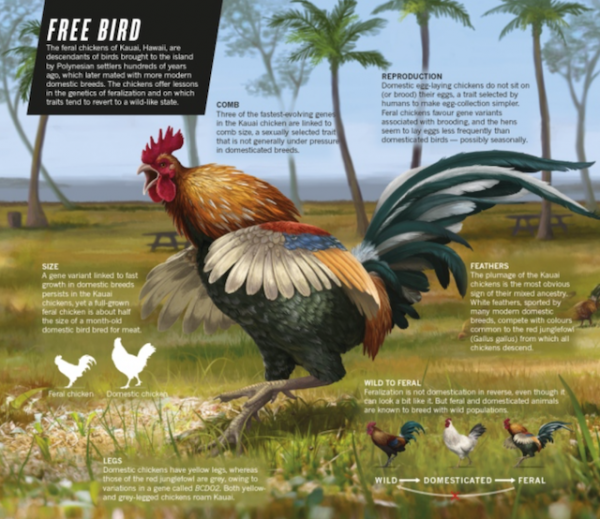
The very first chickens to set foot on Hawaiian soil were not European imports but companions to the intrepid Polynesian navigators who journeyed thousands of miles across the open ocean in double-hulled canoes. These voyagers, hailing from islands in the South Pacific around 800-1200 AD, brought with them a carefully selected suite of plants and animals essential for establishing new communities. This “canoe cargo” included staples like taro, breadfruit, sweet potato, and, crucially, domestic animals such as pigs, dogs, and chickens (moa).
These early chickens, often referred to as Red Junglefowl (Gallus gallus), were integral to the survival and cultural practices of the nascent Hawaiian society. They provided a source of protein, feathers for ceremonial wear, and held significant cultural and spiritual value. Their introduction marks one of the earliest instances of non-native species arriving in Hawaii, fundamentally altering the ecological landscape even before the arrival of Western explorers. For tourists interested in the rich tapestry of Hawaiian history and the incredible feats of ancient navigation, recognizing the lineage of these chickens adds a tangible link to a bygone era.
A Culinary and Cultural Staple
In ancient Hawaii, chickens were not free-roaming wild animals in the way we see them today. They were managed livestock, typically kept within settlements or designated areas. Their meat and eggs were valued, though perhaps consumed less frequently than fish or pork, and their feathers were prized for crafting elaborate leis, cloaks, and helmets worn by ali’i (chiefs) and kahuna (priests). The presence of these birds was a sign of a thriving community, and their management reflected the sophisticated agricultural practices of the ancient Hawaiians.
This original introduction, however, formed the genetic bedrock for some of the wild populations we observe today. While some chickens remained domesticated, others likely escaped or were intentionally released over centuries, establishing small, feral populations in various locales. This early history provides the critical backdrop against which the more recent explosion of wild chickens can be understood, linking the modern-day ubiquitous fowl directly to the enduring legacy of the original Polynesian settlement. It underscores how deeply interwoven human and animal histories are within the unique context of Hawaii, offering a compelling cultural narrative for visitors.
The Modern Hawaiian Chicken Phenomenon
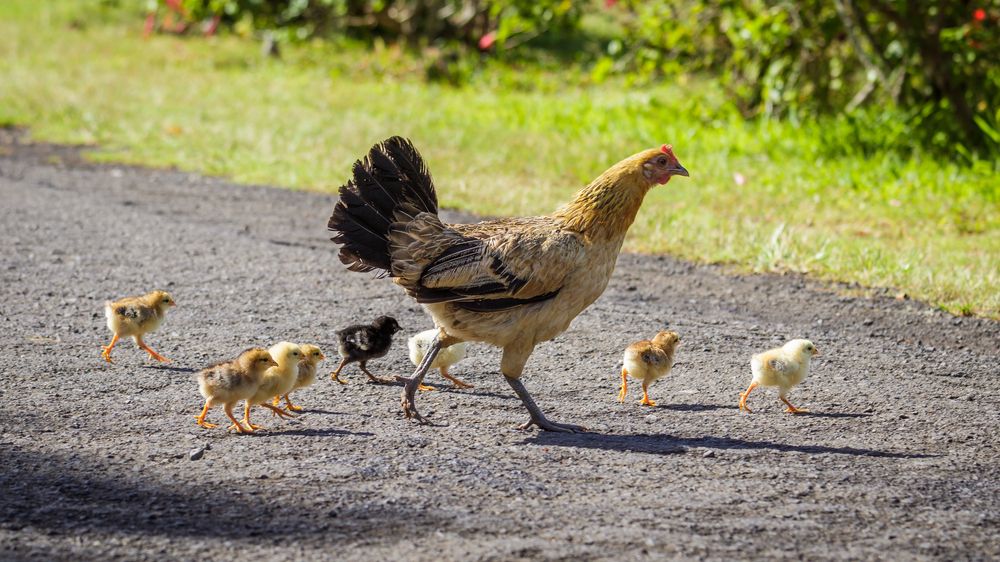
While the initial introduction of chickens by Polynesian voyagers established a foundation for their presence in Hawaii, the truly widespread, often overwhelming, populations of wild chickens seen today are a much more recent phenomenon. Their exponential growth and integration into every aspect of island life are largely attributed to a series of specific events and conditions that have reshaped the islands’ modern ecology. Understanding this modern context is key for tourists to appreciate the current dynamics and challenges facing Hawaiian communities.
The Hurricane Factor: A Catalyst for Wild Populations
A pivotal moment in the proliferation of wild chickens across the islands, particularly on Kauai, occurred in 1992 with the devastating impact of Hurricane Iniki. This powerful hurricane, one of the strongest to ever hit Hawaii, caused widespread destruction, including destroying countless chicken coops and farms. Domesticated chickens, suddenly unleashed into the wild, quickly interbred with existing feral populations that had descended from the original Polynesian introductions.
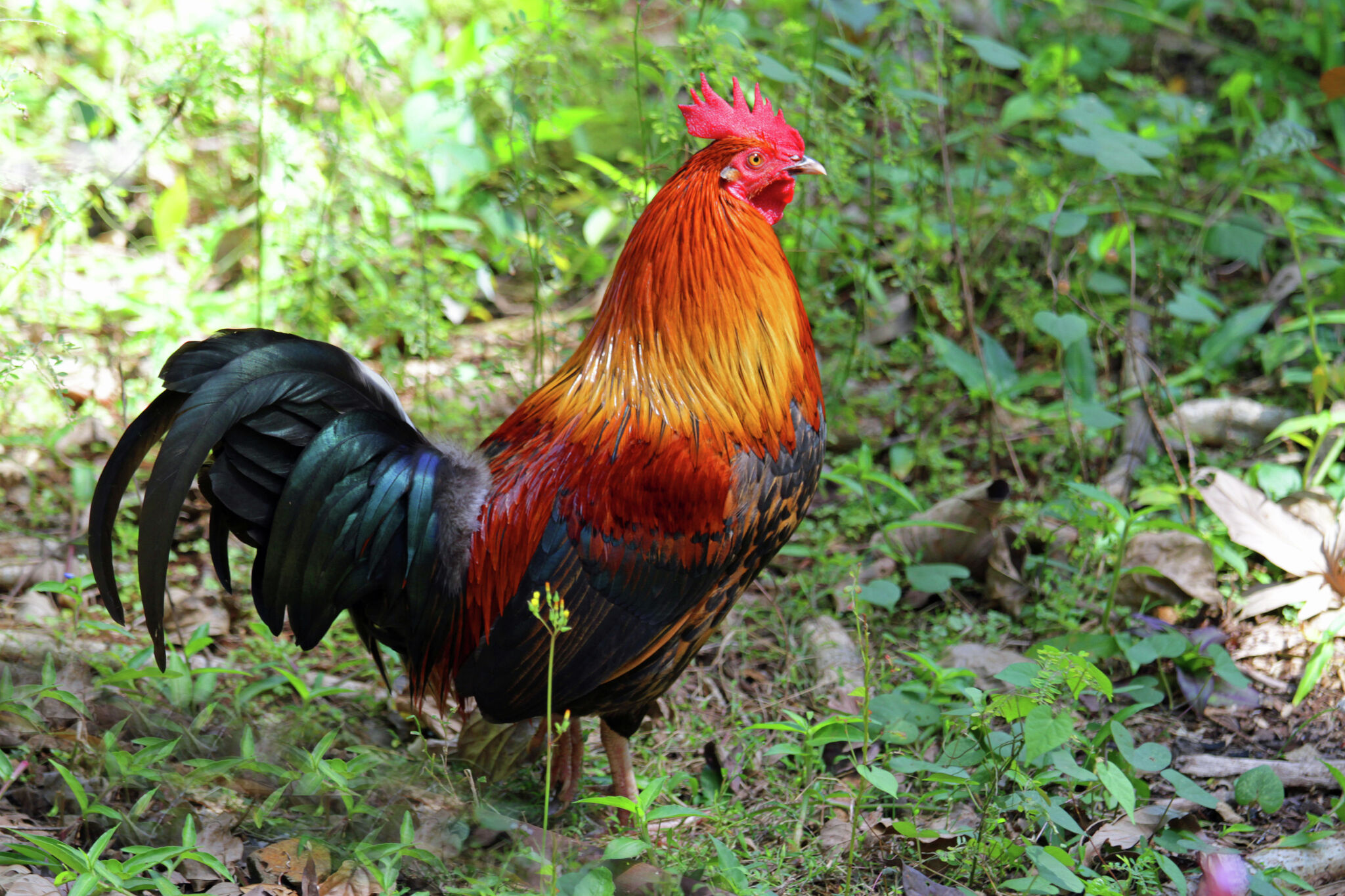
The resulting hybrid offspring proved to be exceptionally resilient. Lacking natural predators like foxes or coyotes on many of the islands, and with an abundant food supply from human waste, discarded food, and insects, these wild chickens thrived. Their rapid reproduction rates and adaptability allowed them to spread quickly, establishing the large, often noisy, populations that are now an undeniable part of the Hawaiian landscape. For visitors, this historical event explains why the chickens are so numerous and why they often exhibit a mix of domestic and wild traits, from colorful plumage to fierce independence. It’s a vivid example of how natural disasters can have unexpected and lasting ecological consequences, shaping the unique character of a travel destination.
A Unique Aspect of the Hawaiian Experience
For tourists, the wild chickens of Hawaii are an inescapable part of the experience. They add a rustic, almost comical, element to the otherwise idyllic scenery. Roosters crow at all hours, not just dawn, and hens lead their chicks through bustling marketplaces or quiet botanical gardens. This unique interaction provides a talking point, a photo opportunity, and a constant reminder that nature, even in its most domesticated forms, has found a way to thrive in this tropical paradise. While some might find them a nuisance, particularly early in the morning, many come to view them as an endearing quirk, part of the unfiltered reality of island life. They represent an authentic, if sometimes boisterous, connection to the local environment that distinguishes Hawaii from other destinations.
Coexisting with the Fowl: Tips for Visitors
For visitors to Hawaii, understanding how to coexist with these ubiquitous birds can enhance their trip. Firstly, it’s important to remember that these are wild animals, even if they look like farm fowl. Avoid feeding them intentionally; this can make them more aggressive, dependent on human food, and contribute to their overpopulation. Secondly, be aware of their noise; light sleepers might consider earplugs, especially on islands known for larger populations like Kauai. Lastly, simply observe and appreciate them as part of the local ecosystem. They are a conversation starter and a testament to the islands’ unique history and ecological evolution. Integrating this knowledge into your travel approach allows for a more respectful and harmonious engagement with the local environment, deepening the overall tourism experience.
From Ancient Lore to Contemporary Conversations
The journey of the chicken in Hawaii is far from over. From their origins as valued companions of the first Polynesian settlers to their current status as a ubiquitous and often contentious part of the landscape, these birds continue to spark conversations about culture, ecology, and community management. For tourists, understanding these ongoing dialogues offers a window into the complexities of island life beyond the resort walls, connecting them to the living pulse of Hawaiian society.
Echoes in Local Culture
Despite their modern proliferation, chickens still hold a place in local folklore and cultural memory, harkening back to their ancient significance. While they may no longer be a primary food source for many, their historical importance as a “canoe animal” is a point of pride and connection to ancestral traditions. Their image might appear in local art, and their calls are an undeniable soundtrack to daily life, often becoming a defining characteristic of a Hawaiian vacation memory. This cultural imprint ensures that even as discussions arise about managing their populations, there’s an underlying recognition of their deep roots in the islands’ story. For visitors, this cultural nuance adds depth to their understanding of local traditions and the enduring legacy of the Polynesian voyagers.
Balancing Wildlife and Community Needs
The presence of vast numbers of wild chickens presents both challenges and charms. While some residents and tourists find them endearing, others express concerns about noise pollution, property damage, and potential health issues. Local communities across Hawaii grapple with finding sustainable solutions to manage these populations, often involving humane trapping and relocation efforts. These discussions are a microcosm of larger conservation efforts in Hawaii, where balancing the preservation of native species with the realities of introduced ones, alongside human development, is a constant challenge. For the eco-conscious traveler, these efforts highlight the delicate balance required to maintain the unique biodiversity and quality of life in such a precious environment. Engaging with this aspect of local life offers a more responsible and insightful form of tourism, fostering an appreciation for the efforts involved in preserving the very paradise they have come to enjoy.
The True Spirit of Aloha and Its Fowl Friends
In conclusion, the question “Are chickens native to Hawaii?” opens a captivating narrative that extends far beyond a simple yes or no answer. It reveals a story of ancient migrations, cultural adaptation, ecological shifts, and the resilient spirit of life in the Pacific. For the discerning tourist, these feathered residents are more than just a ubiquitous presence; they are a living bridge to Hawaii’s profound history, a vibrant thread in the fabric of its local culture, and a constant reminder of the dynamic interplay between nature and human influence.
Embracing the wild chickens as an authentic, albeit sometimes noisy, element of the Hawaiian experience enriches any visit. They compel us to look beyond the surface, to understand the layers of history and ecology that define these magical islands. By acknowledging their origins, appreciating their resilience, and understanding the ongoing efforts to coexist with them, visitors can engage more deeply with the true spirit of Aloha. So, as you wander the beaches of Maui, hike the trails of Kauai, or explore the bustling streets of Honolulu, remember that the wild chickens are not just a charming anomaly; they are an integral part of Hawaii’s enduring story, inviting you to listen to their calls and uncover the rich narratives they carry. They are a unique, clucking symbol of the islands’ complex beauty, waiting to be discovered by every curious traveler.
LifeOutOfTheBox is a participant in the Amazon Services LLC Associates Program, an affiliate advertising program designed to provide a means for sites to earn advertising fees by advertising and linking to Amazon.com. Amazon, the Amazon logo, AmazonSupply, and the AmazonSupply logo are trademarks of Amazon.com, Inc. or its affiliates. As an Amazon Associate we earn affiliate commissions from qualifying purchases.