
For many travelers planning a trip to the tropical paradise of Hawaii, understanding the local laws and availability of certain services is a key part of responsible planning. Among the common inquiries, especially in an era of evolving cannabis legislation across the United States, is whether dispensaries are present in the Aloha State. The short answer is yes, there are dispensaries in Hawaii, but their accessibility and the legal framework surrounding cannabis use are significantly different from states that have legalized recreational marijuana. Hawaii’s approach to cannabis is rooted in its long-standing medical cannabis program, making it essential for visitors to distinguish between medical and recreational use, and to understand the strict rules that apply, particularly to those without a local medical cannabis card.

Navigating the nuances of Hawaii’s cannabis laws requires careful attention, as violations can lead to serious legal consequences, impacting what should otherwise be a relaxing and memorable vacation. This article will delve into the specifics of Hawaii’s cannabis landscape, outlining the current legal status, how dispensaries operate, the practicalities for visitors, and crucial tips for ensuring a compliant and enjoyable travel experience in this unique island chain. Whether you’re considering a visit to the bustling streets of Honolulu on Oahu, the serene beaches of Maui, the lush landscapes of Kauai, or the volcanic wonders of the Big Island, understanding these regulations is paramount to a smooth journey.
The Current Legal Landscape of Cannabis in Hawaii
Hawaii stands at a crossroads regarding cannabis policy, balancing a well-established medical program with ongoing debates about recreational legalization. For travelers, understanding this distinction is the most critical piece of information when asking about dispensaries.
Medical Cannabis Program: A Long-Standing Reality
Hawaii was a pioneer in establishing a medical cannabis program, legalizing it back in 2000. Under this program, qualifying patients with specific debilitating medical conditions can legally obtain, possess, and use cannabis with a valid 329 registration card issued by the State of Hawaii Department of Health. The program has evolved over the years, leading to the establishment of licensed medical cannabis dispensaries across the islands. These dispensaries are regulated facilities where registered patients can purchase various cannabis products, including flower, edibles, concentrates, and topicals. Each island with a significant population, such as Oahu, Maui, and the Big Island, hosts several dispensaries designed to serve the state’s registered patient base. For local residents, obtaining a 329 card involves a certification from a Hawaii-licensed physician who confirms their qualifying condition. This robust system is strictly managed to ensure patient access while maintaining control over distribution.
Status of Recreational Cannabis: Still Prohibited
Despite the progressive stance on medical cannabis, recreational marijuana remains illegal in Hawaii. This means that for the vast majority of visitors, purchasing or consuming cannabis for non-medical purposes is against the law. Possession of even small amounts of recreational cannabis can lead to fines and, for larger quantities, potential jail time. While legislative efforts to legalize recreational cannabis have been ongoing for several years, often progressing through various stages of the state legislature, none have yet come to fruition. The debates typically revolve around taxation, regulatory frameworks, and public health concerns. As of now, Hawaii has not joined the growing list of states that permit adult-use cannabis, making it crucial for anyone visiting to strictly adhere to these current regulations. Ignoring these laws can lead to severe legal repercussions that could derail a planned vacation, turning a dream trip into a legal nightmare. The emphasis for travelers must always be on compliance with local laws.
Federal Law vs. State Law: A Crucial Distinction
It’s also important for travelers to remember that cannabis remains illegal under federal law in the United States, regardless of state-level legalization. While individual states like Hawaii have implemented their own medical cannabis programs, federal prohibition still applies. This federal stance has several implications, particularly concerning interstate travel and transport. Bringing cannabis into Hawaii from another state, even if you have a medical card from that state, is a federal offense, as it involves crossing state lines (or international borders, for that matter) with a federally controlled substance. Similarly, transporting cannabis between the Hawaiian Islands by air or sea is also illegal, as these are subject to federal jurisdiction. This federal-state dichotomy adds another layer of complexity for travelers, underscoring the need for extreme caution and adherence to the strictest interpretation of the law to avoid any potential conflicts with federal authorities, particularly at airports and seaports.
Accessing Medical Cannabis as a Visitor
For travelers who are registered medical cannabis patients in their home states, the question naturally arises: can I access dispensaries in Hawaii? The answer, unfortunately, is generally no, making Hawaii quite different from other medical cannabis states.
Requirements for Out-of-State Patients: No Reciprocity
Unlike some states that offer reciprocity, meaning they recognize out-of-state medical cannabis cards, Hawaii does not. A medical cannabis card from California, Colorado, or any other state is not valid for purchasing cannabis from a licensed dispensary in Hawaii. The state’s 329 registration card is exclusively for residents or individuals who can establish a long-term residency and meet specific criteria. This lack of reciprocity is a significant hurdle for visitors who rely on medical cannabis for their health needs. Travelers should be aware that attempting to use an out-of-state card will be unsuccessful, and they will be denied service at any of Hawaii’s medical cannabis dispensaries. This strict policy is a deliberate choice by the state to control its medical cannabis program, prioritizing its own residents and ensuring compliance with local regulations for patient registration and verification.
The Application Process for Non-Residents (Effectively Impractical for Tourists)
While technically a non-resident could apply for a 329 registration card in Hawaii, the process is practically infeasible for a typical tourist. To qualify, an individual would need to:
- Have a medical condition that is recognized as qualifying under Hawaii state law.
- Be certified by a Hawaii-licensed physician who has reviewed their medical records and confirmed their condition.
- Submit an application to the State of Hawaii Department of Health for a 329 registration card.
This process can take several weeks or even months to complete, making it impossible for someone on a short vacation to obtain a card before or during their trip. Furthermore, securing a consultation with a Hawaii-licensed physician as a non-resident can be challenging, both in terms of availability and cost. Even if successful, the temporary nature of most tourist visits means the card would likely arrive too late to be of use. Therefore, for all intents and purposes, medical cannabis dispensaries are not an accessible option for out-of-state visitors to Hawaii. It is important to plan accordingly and understand that your medical cannabis access will be limited while traveling in the islands.
Dispensary Operations: What to Expect for Local Patients
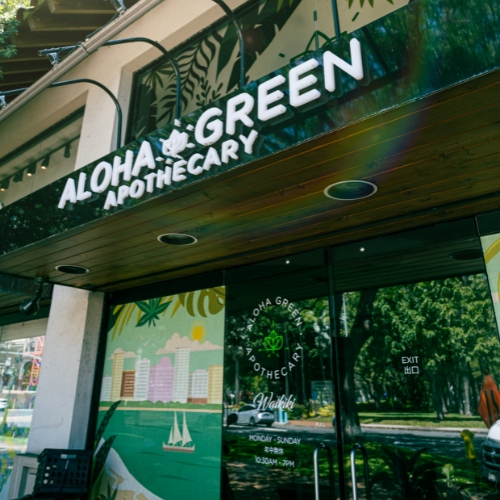
For the local residents who do possess a valid 329 registration card, Hawaii’s medical cannabis dispensaries operate in a professional and discreet manner, similar to pharmacies. Upon entering, patients are typically required to present their 329 card and a valid photo ID for verification. The staff, known as patient consultants or budtenders, are knowledgeable about the different strains, consumption methods, and product types available, offering guidance to help patients select products best suited for their needs. Dispensaries on Oahu might be found in areas like Honolulu, while those on Maui could be near Kahului or Lahaina, and on the Big Island in locations such as Kona or Hilo. These facilities maintain strict security protocols, adhere to dosage and purchasing limits, and ensure all products are lab-tested for purity and potency. While visitors cannot purchase from these establishments, understanding their operation provides insight into the structured nature of Hawaii’s medical cannabis program, which is designed to serve its local patient population responsibly.
Navigating Cannabis Laws for Travelers
Given the strict regulations in Hawaii, travelers must exercise extreme caution and adhere to the law to avoid legal issues. The key message is clear: when in Hawaii, assume cannabis is illegal unless you are a registered local medical patient.
Public Consumption and Penalties: Keep it Private and Legal
Consuming cannabis in public places is strictly prohibited in Hawaii, even for medical cannabis patients. This includes beaches like Waikiki Beach, parks, sidewalks, and any establishment where smoking is generally banned. For recreational users, any possession or consumption is illegal, and doing so in public exacerbates the offense. Penalties for public consumption can include significant fines and potential arrest. Even for medical patients, consumption is limited to private residences or other designated private areas, away from public view. This is a common rule in many states, even those with recreational legalization, to maintain public order and respect non-users. Travelers should be particularly mindful of this when exploring popular tourist spots or engaging in outdoor activities, ensuring that their actions do not inadvertently lead to legal trouble. It is always safer to err on the side of caution and abstain from cannabis use while in public spaces throughout Hawaii.
Driving Under the Influence: Zero Tolerance
Driving under the influence of cannabis is illegal in Hawaii, just as it is for alcohol or any other impairing substance. Hawaii has strict DUI laws, and law enforcement agencies are equipped to detect impaired driving. Even if you were to somehow legally obtain and consume cannabis, operating a vehicle while under its influence can result in severe penalties, including fines, license suspension, and even jail time. Renting a car to explore islands like Maui’s Road to Hana or Kauai’s scenic Napali Coast is a popular activity, and ensuring you are not impaired is critical for your safety and the safety of others. Travelers should never assume that because cannabis might be legal or decriminalized elsewhere, the same leniency applies to driving laws in Hawaii. The state takes impaired driving very seriously, and visitors should plan their transportation responsibly to avoid any incidents.
Bringing Cannabis Across State Lines: A Federal Offense
As previously mentioned, federal law prohibits the transportation of cannabis across state lines. This means that even if you have a medical cannabis card from another state, or are traveling from a state where recreational cannabis is legal, you cannot legally bring cannabis with you to Hawaii. This applies to all forms of transport, including air travel to airports like Daniel K. Inouye International Airport in Honolulu or any inter-island travel. Federal authorities at airports and ports operate under federal law, which views cannabis as a controlled substance. Attempting to travel with cannabis can lead to arrest, confiscation of the substance, and federal charges, which are far more serious than state-level infractions. It is imperative that travelers refrain from bringing any cannabis products into Hawaii or from one Hawaiian island to another. The risks simply are not worth the potential consequences, which can include significant fines, imprisonment, and disruption of travel plans.
Exploring Hawaii’s Wellness and Culture (Beyond Dispensaries)
While understanding cannabis laws is important, Hawaii offers an abundance of enriching experiences that truly define the spirit of Aloha. Focusing on these unique aspects can ensure a fulfilling and legally compliant vacation.
Natural Beauty and Outdoor Activities: The Heart of the Islands
Hawaii’s allure lies primarily in its breathtaking natural beauty and diverse landscapes. From the iconic volcanic crater of Diamond Head on Oahu to the vibrant coral reefs perfect for snorkeling off the coast of Maui, the islands offer an unparalleled array of outdoor activities. Visitors can hike through lush rainforests to discover hidden waterfalls, surf legendary waves, kayak along dramatic coastlines, or simply relax on pristine white-sand beaches. Whale watching during the winter months, exploring the Hawaii Volcanoes National Park on the Big Island, or enjoying a sunrise at Haleakala are experiences that connect travelers deeply with the land. These activities offer natural highs and promote a sense of well-being that aligns with the spirit of the islands. Embracing these authentic Hawaiian experiences allows visitors to fully appreciate the unique environment and culture without needing to seek out dispensaries or risk legal complications.
Local Cuisine and Cultural Experiences: A Taste of Aloha
Hawaii’s rich cultural heritage and delectable cuisine are integral parts of the travel experience. Engaging with local traditions, such as attending a luau, learning to hula, or visiting historical sites like Pearl Harbor, offers profound insights into the islands’ past and present. The culinary scene is a fusion of Polynesian, Asian, and American influences, featuring fresh seafood, tropical fruits, and traditional dishes like poi and kalua pig. Exploring farmers’ markets, tasting local coffee from Kona, or enjoying a shave ice are simple yet deeply satisfying ways to immerse oneself in the local flavor. These cultural and gastronomic adventures provide a safe and rewarding way to experience Hawaii, fostering connections with the local community and creating lasting memories. Hawaii’s wellness offerings extend far beyond cannabis, encompassing spiritual retreats, yoga on the beach, and traditional Lomilomi massage, providing holistic pathways to relaxation and rejuvenation.
Responsible Tourism: Preserving Paradise
Part of the aloha spirit is mālama ʻāina – caring for the land. Responsible tourism in Hawaii means respecting the natural environment, the local culture, and the laws of the state. This includes being mindful of your impact on delicate ecosystems, supporting local businesses, and educating yourself about local customs. Understanding and adhering to cannabis laws is an extension of this responsible travel ethos. By focusing on the wealth of legal and authentic experiences Hawaii has to offer, travelers can contribute positively to the preservation of this unique destination and ensure their visit is enjoyable, respectful, and free from legal complications. Being a conscious traveler means prioritizing the well-being of both oneself and the destination, which in Hawaii’s case, translates to adhering to its strict cannabis regulations.
Conclusion: Plan Your Hawaii Trip Wisely
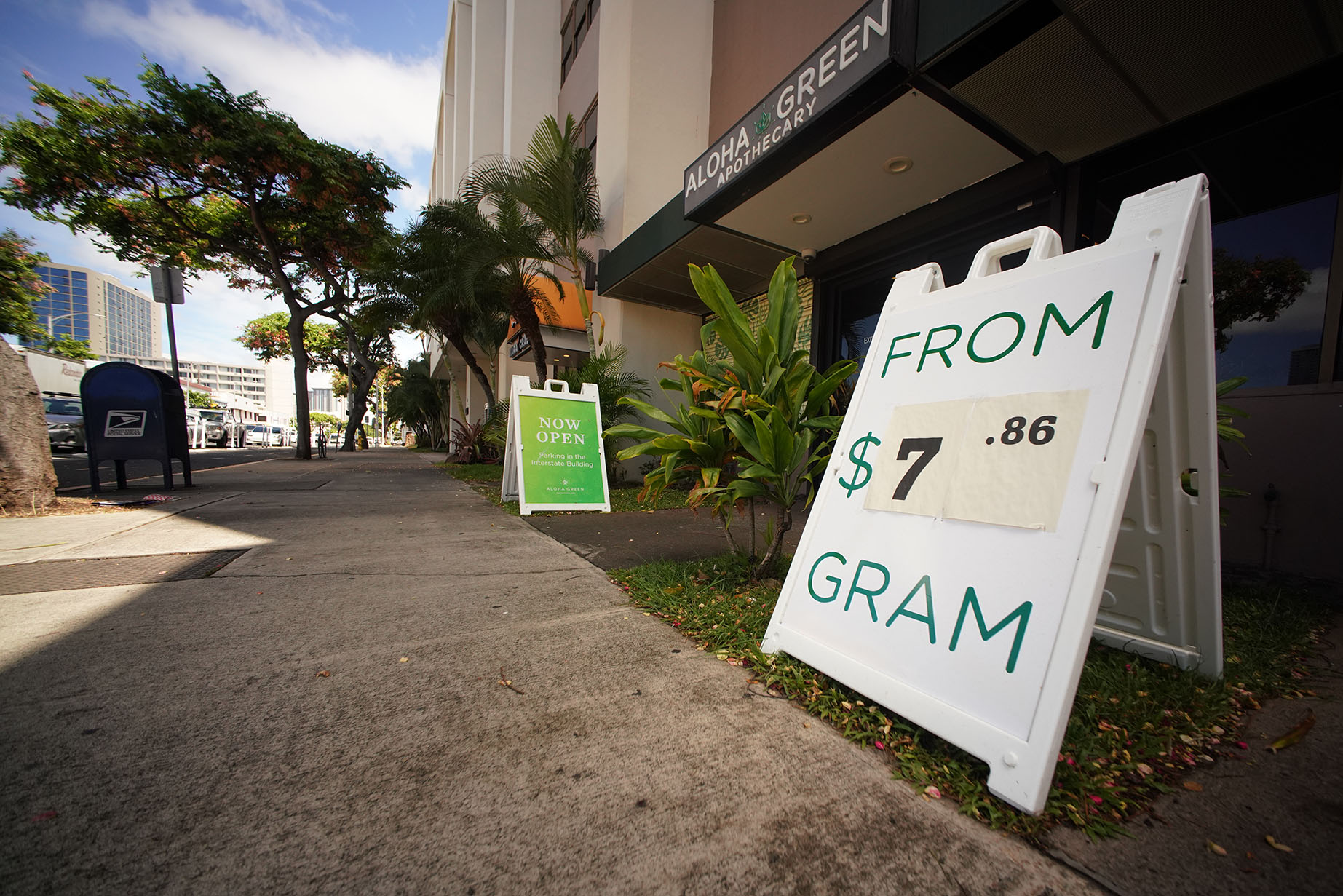
In conclusion, while dispensaries do exist in Hawaii, they exclusively serve registered medical cannabis patients who possess a valid Hawaii 329 registration card. Recreational cannabis remains illegal, and Hawaii does not offer reciprocity for out-of-state medical cards, making access for visitors practically impossible. Travelers should be acutely aware of these distinctions and the severe legal consequences of violating state and federal cannabis laws, particularly concerning public consumption, driving under the influence, and transporting cannabis.
For a truly enriching and trouble-free trip to Hawaii, it is highly recommended that visitors focus on the countless legal and culturally immersive experiences the islands offer. Embrace the stunning natural beauty, indulge in the unique local cuisine, participate in authentic cultural activities, and always prioritize responsible tourism. By understanding and respecting Hawaii’s regulations, you can ensure your journey to this extraordinary destination is filled with positive memories and free from any legal concerns. Plan wisely, respect the laws, and let the magic of the islands create an unforgettable adventure.
LifeOutOfTheBox is a participant in the Amazon Services LLC Associates Program, an affiliate advertising program designed to provide a means for sites to earn advertising fees by advertising and linking to Amazon.com. Amazon, the Amazon logo, AmazonSupply, and the AmazonSupply logo are trademarks of Amazon.com, Inc. or its affiliates. As an Amazon Associate we earn affiliate commissions from qualifying purchases.