
Departing from the enchanting islands of Hawaii can evoke a mix of wistfulness and profound gratitude. Far more than a simple farewell, saying goodbye in this unique archipelago is an immersion into a rich tapestry of culture, tradition, and deep-seated aloha. It’s an opportunity to acknowledge the warmth, beauty, and generosity encountered, leaving not just with memories, but with a piece of the Hawaiian spirit carried within. Understanding how to articulate this departure respectfully and authentically is a key aspect of embracing the local culture, enriching your travel experience, and fostering a genuine connection with the people and place you’ve come to love. This guide delves into the nuances of Hawaiian goodbyes, from the most common phrases to the underlying cultural philosophies that make them so meaningful.
More Than Just a Farewell: Understanding Aloha
The concept of aloha is arguably the most significant cultural contribution of Hawaii to the world, extending far beyond a simple greeting or farewell. It encapsulates a profound philosophy of life, embodying love, peace, compassion, and mutual respect. To understand how to say “bye” in Hawaii is, at its core, to understand aloha itself. This foundational principle permeates every interaction, especially when it comes to departures.
The Multifaceted Meaning of Aloha
Aloha is not merely a word; it is a way of being. It’s derived from alo, meaning “presence,” “front,” or “face,” and ha, meaning “breath” or “breath of life.” Thus, aloha literally means “the presence of breath” or “breath of life,” signifying the sharing of life’s essence. This deep meaning transcends dictionary definitions, embodying empathy, kindness, grace, and generosity. When you are welcomed with aloha, you are welcomed with an open heart. When you depart with aloha, you leave with a spirit of gratitude and connection, and a promise that the bond formed will endure. It’s a recognition of the shared humanity and spirit between individuals, regardless of the brevity of their encounter. This cultural cornerstone makes every interaction, including goodbyes, imbued with a deeper level of significance, moving beyond mere politeness to a genuine exchange of positive energy and well-wishes.
Aloha in Practice: Daily Interactions
In daily life across islands like Oahu, Maui, and the Big Island, aloha serves as a versatile expression. It functions as both “hello” and “goodbye,” “I love you” and “thank you.” Its usage is fluid, adapting to the context and intention of the speaker. When a local says “aloha” upon your departure, they are not just uttering a word; they are conveying a sentiment of peace, love, and good fortune. This practical application demonstrates how deeply integrated the philosophy is into everyday communication. Observing this flexibility allows visitors to appreciate the subtleties of Hawaiian social interactions. It reinforces the idea that an encounter in Hawaii is never truly impersonal; it always carries a thread of shared aloha. The simplicity of the word belies its profound cultural weight, making it an indispensable part of any visitor’s vocabulary.
The Spirit of Aloha and Departure
When it’s time to leave Hawaii, embracing the spirit of aloha means departing with a conscious acknowledgment of the beauty, experiences, and connections you’ve made. It’s about expressing sincere gratitude to your hosts, whether they are hotel staff, tour guides, or newfound friends. It’s also about carrying that spirit forward, reflecting the warmth and positivity you’ve received in your own life. Many visitors find that the aloha spirit is not something left behind but something taken with them, influencing their perspectives and interactions long after they’ve returned home. This transformative aspect of aloha makes Hawaiian farewells unique; they are not merely an end but also a continuation of a beautiful shared experience. It’s an unspoken invitation to return, to replenish, and to reconnect, making every goodbye an “until next time” rather than a definitive end.
Common Hawaiian Farewell Phrases and Their Usage
Beyond the universal aloha, there are specific phrases and gestures that locals use to bid farewell, each carrying its own shade of meaning and cultural significance. Incorporating these into your vocabulary not only demonstrates respect for the local culture but also deepens your connection with the people of Hawaii.
Aloha: The Universal Greeting and Farewell
As previously discussed, “Aloha” is the quintessential Hawaiian word for both greeting and parting. Its versatility makes it the most common and safest choice for saying goodbye in virtually any situation. When departing from a restaurant in Honolulu, leaving a shop in Lahaina on Maui, or bidding farewell to new acquaintances on Kauai, a simple, heartfelt “Aloha” conveys respect and good wishes. The key is to deliver it with sincerity, reflecting the genuine warmth and kindness that the word embodies. Often accompanied by a smile or a slight nod, it’s a simple yet powerful way to acknowledge an interaction and express appreciation for your time in the islands. Its very simplicity makes it profound, as it carries the weight of an entire cultural philosophy in a single word.
A Hui Hou: Until We Meet Again
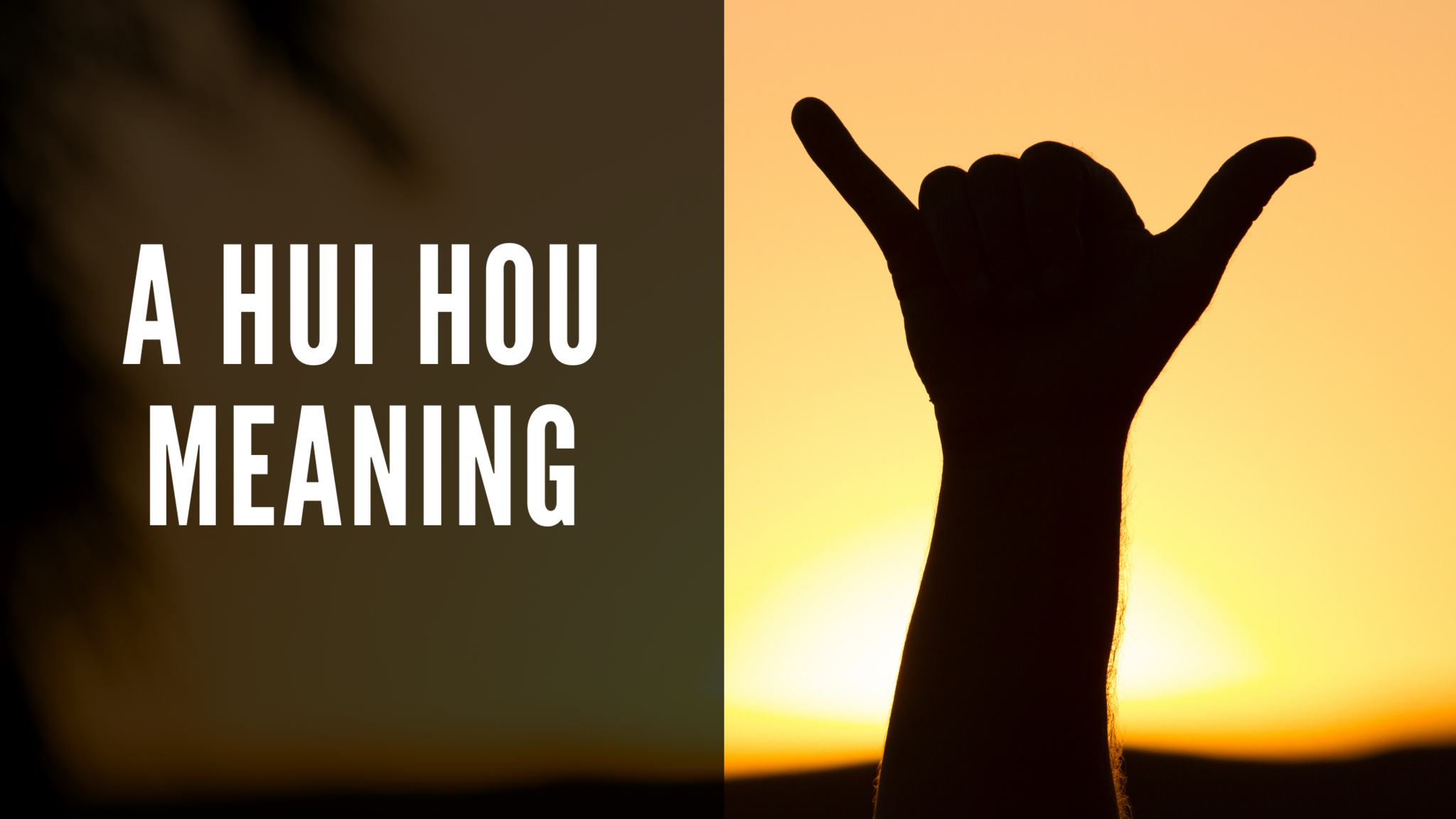
For a more specific and heartfelt farewell, particularly to friends, family, or individuals you hope to see again, the phrase “A Hui Hou” (ah hoo-ee ho) is perfect. This literally translates to “until we meet again” or “until next time.” It carries a sense of hope and a gentle promise of future reconnection, perfectly embodying the non-finality of Hawaiian goodbyes. Using “A Hui Hou” is especially appropriate when leaving hosts, tour guides, or anyone with whom you’ve formed a closer bond. It signifies a deeper level of connection than a simple “Aloha” and is often appreciated by locals as a sign of genuine affection and respect. It’s a warm expression that hopes for a continuation of the relationship, whether that’s another visit to the islands or a chance encounter elsewhere. This phrase truly captures the essence of enduring friendship and the longing for future shared moments.
Mahalo: Expressing Gratitude at Departure
While “Mahalo” (mah-hah-loh) means “thank you,” it plays a crucial role in the departure process. Expressing gratitude is paramount in Hawaiian culture, and saying “Mahalo” as you leave is a powerful way to acknowledge the hospitality, service, or kindness you’ve received. You might combine it with other phrases, such as “Mahalo nui loa,” meaning “thank you very much,” for an even stronger expression of appreciation. Often, combining “Aloha” with “Mahalo” creates a comprehensive and polite farewell: “Aloha and Mahalo!” This simple combination conveys both goodwill and gratitude, leaving a positive lasting impression. Whether you are checking out of a Waikiki resort, concluding a surfing lesson, or departing from a cultural event, expressing thanks is an integral part of a respectful farewell. It shows that you value the experience and the people who made it possible.
Other Contextual Farewells

While less common for visitors, Hawaiians also use English phrases like “See you later” or “Take care,” particularly in casual settings or among fluent English speakers. However, integrating the Hawaiian phrases whenever possible is always recommended for visitors wishing to immerse themselves in the local culture. For specific situations, one might hear variations like “Aloha kakahiaka” (good morning), “Aloha awakea” (good noon), “Aloha ʻauinalā” (good afternoon), and “Aloha ahiahi” (good evening), though these are primarily greetings. For a formal departure or in ceremonial contexts, one might hear traditional chants or songs, but these are typically reserved for specific cultural events and are not expected of visitors. Sticking to “Aloha,” “A Hui Hou,” and “Mahalo” will cover nearly all situations for visitors and demonstrate genuine effort to connect with Hawaiian traditions.
Cultural Nuances of Hawaiian Departures
Beyond the spoken words, Hawaiian farewells are often accompanied by gestures and traditions that underscore the cultural values of love, respect, and community. Understanding these nuances can significantly deepen your appreciation for the local way of life.
The Lei Exchange: A Symbol of Affection and Farewell
Perhaps one of the most iconic symbols of Hawaiian hospitality and farewell is the lei. While often given upon arrival, leis are also profoundly meaningful at departure. Receiving a lei before leaving is a deeply touching gesture, symbolizing affection, honor, and the aloha spirit. Traditionally, a departing visitor might be adorned with a lei, or they might offer one to a beloved host. If you receive a lei for your departure, it is customary to wear it for as long as possible, or at least until you’ve left the immediate area, as a sign of respect. Never throw a lei directly into the trash; if you must dispose of it, either return it to the earth (ocean or land) or hang it somewhere as a keepsake until it naturally withers. This practice symbolizes releasing your affections back to Hawaii or keeping its memory alive. The lei embodies the beauty, fragrance, and transient nature of life, making it a poignant symbol for both greeting and parting. Its careful disposal reflects the deep reverence for nature and the interconnectedness of all things in Hawaiian belief.
The Significance of Return Visits
In Hawaiian culture, a goodbye often carries the implicit hope and expectation of a future return. This aligns perfectly with “A Hui Hou” and the idea that relationships endure. The beauty of the islands and the warmth of its people often call visitors back repeatedly. Hawaiians take pride in their ability to make visitors feel like family (ohana), and a return visit is often seen as a validation of that connection. When you express a desire to return or use “A Hui Hou,” it resonates deeply with the local sentiment that Hawaii is not just a destination but a place to which one belongs, even temporarily. This perspective fosters a sense of stewardship and appreciation among visitors, encouraging them to treat the islands with the same care and respect as locals. It reinforces the idea that the bond created with Hawaii is not easily broken, but rather strengthened with each subsequent visit.
Respecting Local Customs
Beyond specific phrases and gestures, general respect for local customs is paramount during departure. This includes showing patience, especially at busy airports like Daniel K. Inouye International Airport in Honolulu, and maintaining a calm demeanor. It also means leaving the places you’ve visited as pristine as you found them, adhering to the “Malama Aina” principle (care for the land). Such actions reflect genuine aloha and ensure that the beauty and culture of Hawaii can be enjoyed by future generations and visitors. Observing customs like removing shoes before entering a home, offering a small gift of appreciation, or simply engaging in polite conversation all contribute to a respectful departure. These small gestures collectively demonstrate an understanding and valuing of the host culture, leaving a positive impression long after you’ve departed.
The Emotional Aspect of Goodbyes in Paradise
Leaving Hawaii can be surprisingly emotional. The serene landscapes, the vibrant culture, and the genuine kindness of its people often create a profound sense of peace and belonging that is hard to leave behind. It’s common for visitors to feel a pang of sadness or longing upon departure. This emotional connection is a testament to the powerful allure of the islands and the strength of the aloha spirit. Acknowledging these feelings and allowing yourself to process them is part of the experience. Many find solace in the thought that the aloha spirit is something they can carry with them, and that the islands will always be there, waiting for their return. This emotional resonance is a key differentiator of a Hawaiian farewell; it’s not just a physical departure but an emotional transition, leaving a lasting imprint on the soul.
Embracing the Hawaiian Way: Integrating Farewells into Your Experience
As your unforgettable journey in Hawaii draws to a close, actively integrating these farewell traditions into your departure becomes a final, meaningful act of cultural engagement. It’s an opportunity to solidify your connection to the islands and carry a piece of their magic with you.
Practicing Your Hawaiian Phrases
Make an effort to use “Aloha,” “A Hui Hou,” and “Mahalo” genuinely and frequently in your final interactions. Whether it’s with your hotel concierge at a place like the Four Seasons Resort Hualalai, the friendly barista at your favorite coffee shop, or the flight attendants as you board your plane, these phrases resonate. Your attempt, even if imperfect, demonstrates respect and a desire to connect. Locals appreciate the effort and often respond with an even greater outpouring of aloha. This practice not only enriches your personal experience but also shows appreciation for the hospitality you’ve received. It transforms a routine departure into a memorable cultural exchange, reinforcing the bonds formed during your stay. The more you use these words, the more natural they will feel, becoming a personal touchstone for your Hawaiian adventure.
Showing Appreciation to Your Hosts
Beyond words, consider small gestures of appreciation. A handwritten thank-you note, a thoughtful tip, or simply a heartfelt conversation expressing your gratitude can go a long way. If you’ve stayed with local hosts or participated in unique experiences, a small gift from your home region can also be a lovely gesture, mirroring the generosity often extended by Hawaiians. Remember that in Polynesia culture, reciprocity and community are highly valued. These acts of appreciation reinforce the positive interactions you’ve had and leave a lasting positive impression. Such thoughtfulness transforms a transactional ending into a warm, human connection, making the goodbye feel less like a finality and more like a pause until the next meeting.

Carrying the Aloha Spirit Home
The most enduring way to say goodbye in Hawaii is to carry the aloha spirit with you long after your plane has lifted off. Let the lessons of kindness, patience, and living in harmony with nature influence your daily life. Share your positive experiences and the warmth of the Hawaiian people with others. By embodying aloha, you keep the connection alive, transforming your trip from a mere vacation into a truly transformative experience. This enduring spirit is the ultimate farewell gift from Hawaii to its visitors, an invitation to perpetually return, not just to its shores, but to the very essence of its beautiful way of life. It’s a reminder that the magic of the islands isn’t confined by geography but by the capacity of the human heart to embrace and share love.
LifeOutOfTheBox is a participant in the Amazon Services LLC Associates Program, an affiliate advertising program designed to provide a means for sites to earn advertising fees by advertising and linking to Amazon.com. Amazon, the Amazon logo, AmazonSupply, and the AmazonSupply logo are trademarks of Amazon.com, Inc. or its affiliates. As an Amazon Associate we earn affiliate commissions from qualifying purchases.