
The allure of the Hawaiian Islands for residents of the continental United States, particularly those on the West Coast, is undeniable. A tropical paradise renowned for its stunning beaches, vibrant culture, and volcanic landscapes, Hawaii represents a quintessential escape. For many, the journey begins from Los Angeles, a major hub offering numerous flight options. However, before embarking on such an adventure, a fundamental question often arises: precisely how far is Hawaii from Los Angeles? Understanding this distance is crucial for planning, managing expectations, and appreciating the scope of a trans-Pacific Ocean journey. This article delves into the geographical reality, the practicalities of bridging this vast expanse, and the enduring appeal that makes the voyage worthwhile.
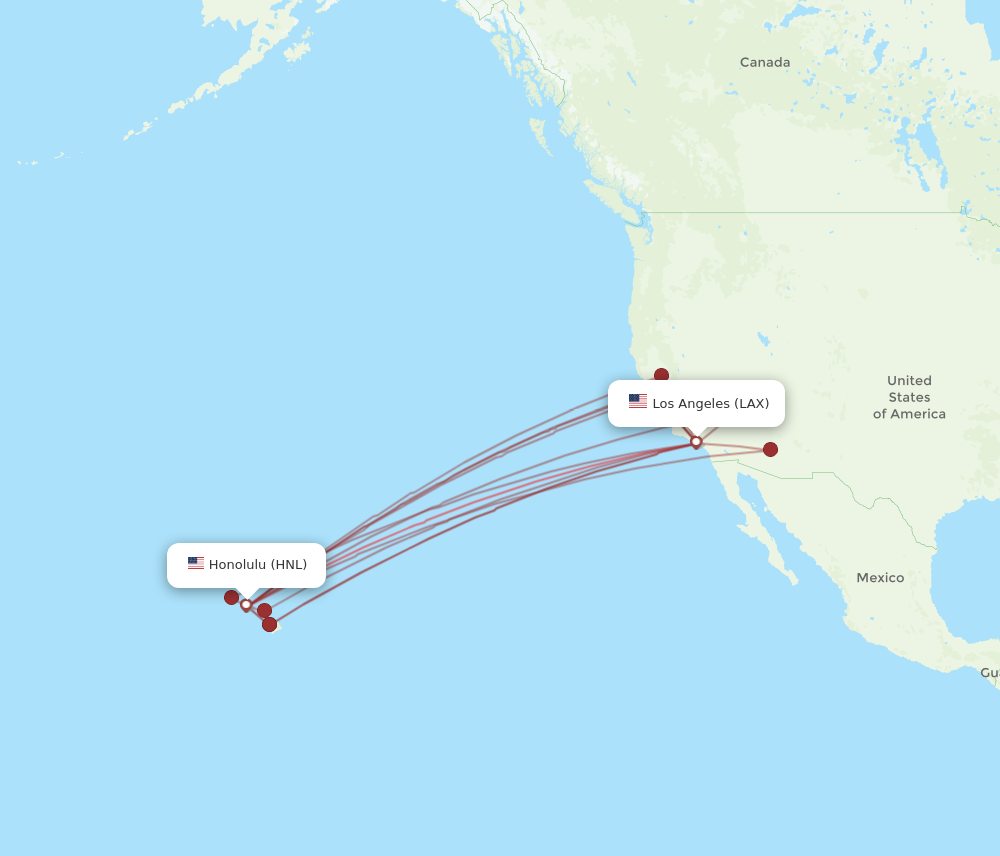
The Geographical Reality: Unpacking the Distance
The vastness of the Pacific Ocean is often underestimated until one considers the considerable span separating the U.S. mainland from its island state. Hawaii, a chain of volcanic islands, is one of the most isolated population centers on Earth, a fact that contributes to its unique ecosystems and cultural identity.
The Exact Measurement
When calculating the distance between Los Angeles and Hawaii, it’s important to specify which Hawaiian island is the destination, as distances can vary slightly. However, the primary gateway to the islands for most international and mainland travelers is Honolulu on Oahu.
The approximate great-circle distance (the shortest distance between two points on the surface of a sphere, like Earth) between Los Angeles and Honolulu is:
- Air Distance: Approximately 2,558 miles (4,117 kilometers).
This measurement represents the straight-line distance an aircraft would ideally travel, although actual flight paths may deviate slightly due to air traffic control, weather conditions, or optimizing for tailwinds/headwinds.
Nautical Miles vs. Air Miles
While air miles are commonly used in aviation, maritime distances are often measured in nautical miles. One nautical mile is approximately 1.15 statute miles (or 1.852 kilometers). For air travel, the focus remains on statute miles (or kilometers), which are the standard units passengers typically encounter when discussing flight distances. The sheer number of miles underscores that this is not a short hop but a significant oceanic crossing. This considerable distance is what necessitates modern, long-range aircraft capable of sustained flight over water, bypassing any landmass for thousands of miles.
Why the Pacific Ocean Presents a Unique Challenge
The journey over the Pacific Ocean is distinct from flights over land or shorter stretches of water. There are no convenient diversion airports for thousands of miles, requiring aircraft to carry extra fuel reserves and operate with stringent safety protocols. Pilots and airlines must meticulously plan routes, taking into account prevailing winds, potential turbulence zones, and the remoteness of the destination. This long overwater segment also influences the type of aircraft deployed on the route, favoring wide-body jets or efficient narrow-body aircraft with extended range capabilities, designed for passenger comfort over several hours.
Bridging the Pacific: Air Travel as the Primary Mode
Given the vast oceanic expanse, air travel is the sole practical means of transport between Los Angeles and Hawaii for the vast majority of travelers. While cruise ships do make the journey, they are considerably slower, taking several days compared to hours by air.
Typical Flight Durations
The actual time spent in the air can vary based on several factors, including the specific destination island, aircraft type, wind conditions (jet stream), and whether the flight is direct or involves a layover.
- From Los Angeles to Honolulu (Oahu): Direct flights typically range from 5 hours and 30 minutes to 6 hours and 15 minutes. Flights heading west generally take longer due to flying against the prevailing Pacific Ocean winds.
- Return Flights (Honolulu to Los Angeles): Flights heading east often benefit from tailwinds, shortening the journey to approximately 5 hours to 5 hours and 45 minutes.
Flights to other Hawaiian islands like Maui (via Kahului Airport), Kauai (via Lihue Airport), or the Big Island (via Kona International Airport or Hilo International Airport) will have similar durations, perhaps slightly longer or shorter depending on the specific flight path and aircraft.
Major Airports Facilitating the Route
The primary departure point for flights to Hawaii from the Los Angeles area is Los Angeles International Airport (LAX). As one of the busiest airports in the world, LAX offers a wide array of airlines and flight times, providing travelers with significant flexibility.
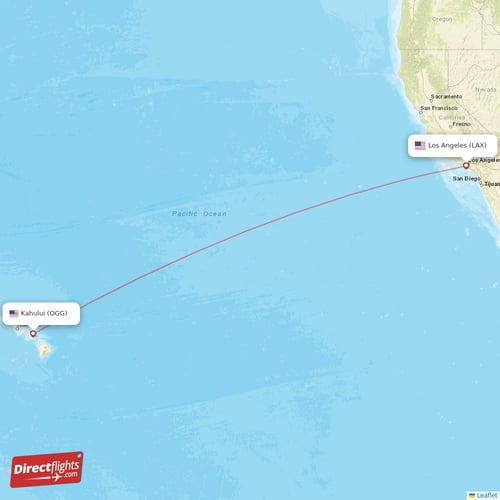
Upon arrival in Hawaii, the main international gateway is Daniel K. Inouye International Airport (HNL) in Honolulu, Oahu. From HNL, travelers can connect to inter-island flights to reach their final destination if it’s not Oahu. Direct flights from LAX are also available to Kahului Airport on Maui, Kona International Airport on the Big Island, and Lihue Airport on Kauai.
Airlines Serving the Los Angeles-Hawaii Corridor
The popularity of the Los Angeles to Hawaii route means it is well-serviced by numerous major carriers, offering competitive pricing and various service levels. Key airlines include:
- Hawaiian Airlines: Hawaii’s flagship carrier, known for its warm service and island-themed experience.
- United Airlines
- Delta Air Lines
- American Airlines
- Southwest Airlines
- Alaska Airlines
The competition among these airlines often translates into a wide range of flight options, from budget-friendly economy seats to luxurious first-class experiences, catering to diverse traveler preferences and budgets.
Understanding Direct vs. Connecting Flights
For this route, most travelers prioritize direct flights due to the already significant travel time. Direct flights are non-stop, taking you directly from LAX to your chosen Hawaiian island. Connecting flights, while sometimes cheaper, add considerable time and potential stress due to layovers, usually at another mainland airport before heading to Hawaii or an inter-island transfer once in [Hawaii](https://lifeoutoutofbox.com/hawaii]. Given the distance, direct flights are generally recommended for convenience and to maximize time enjoying the destination.
Navigating the Journey: Planning Your Trans-Pacific Flight
A long-haul flight across the Pacific Ocean requires thoughtful planning to ensure a smooth and comfortable travel experience. Beyond booking the flight, consider the nuances of a journey that spans time zones and significant distances.
Optimal Times for Booking and Travel
Flight prices and availability can fluctuate wildly based on seasonality, demand, and how far in advance you book. Generally, booking 2-4 months ahead often yields the best fares. Peak travel seasons for Hawaii typically include major holidays (Christmas, New Year’s, Thanksgiving), spring break, and the summer months. Traveling during the shoulder seasons (e.g., late April/May, September/early October) can offer a balance of good weather and fewer crowds, potentially at a lower cost. Using flight comparison websites and setting price alerts can help secure the most economical options.
Essential In-Flight Considerations
For a flight lasting 5-6 hours, comfort is paramount.
- Seat Selection: If possible, choose seats with extra legroom or aisle access to allow for movement.
- Hydration: The dry air in aircraft cabins can be dehydrating. Drink plenty of water and avoid excessive caffeine or alcohol.
- Entertainment: While airlines provide in-flight entertainment, consider downloading movies, TV shows, or podcasts onto personal devices as a backup or to supplement options.
- Comfort Items: A neck pillow, eye mask, earplugs/noise-canceling headphones, and a light blanket or sweater can significantly enhance comfort.
- Movement: Periodically stretch, walk the aisle if permitted, and perform simple in-seat exercises to maintain circulation and prevent stiffness.
- Snacks: While food and beverage service is typically offered, bringing your own preferred snacks can be a good idea, especially for those with dietary restrictions.
Time Zone Shifts and Jet Lag Management
Hawaii observes Hawaii Standard Time (HST), which does not utilize daylight saving time. This means there’s a significant time difference relative to Los Angeles (Pacific Time, PT).
- During Pacific Standard Time (winter): Hawaii is 2 hours behind PT. (e.g., 10 AM in LA is 8 AM in Honolulu).
- During Pacific Daylight Time (summer): Hawaii is 3 hours behind PDT. (e.g., 10 AM in LA is 7 AM in Honolulu).
Traveling westward typically results in a “gain” of hours, which can sometimes make jet lag feel less severe on arrival, as you’re effectively going back in time. However, the return journey eastward can be more challenging. To mitigate jet lag:
- Adjust your sleep schedule gradually before departure.
- Hydrate well during the flight.
- Upon arrival, try to immediately adjust to the local time, exposing yourself to natural light during the day and minimizing screen time before bed.
- Avoid napping for too long on your first day.
Beyond the Miles: The Appeal of a Hawaii Getaway from Los Angeles
While the distance between Los Angeles and Hawaii is substantial, the journey is consistently undertaken by millions, underscoring the enduring appeal of the islands as a premier travel destination. The experience of traversing the Pacific Ocean culminates in arrival at a place distinctly different from the mainland, offering a rich tapestry of experiences that make the miles melt away.
A Popular Escape for West Coasters
For residents of Los Angeles and the broader West Coast, Hawaii serves as an accessible and highly desirable tropical escape. Its status as a U.S. state simplifies travel logistics, eliminating the need for passports or currency exchange for American citizens, making it an easier and more familiar international-feeling vacation. The relatively short flight time compared to other exotic destinations further cements its appeal for weekend getaways or longer holidays. It offers a unique blend of American familiarity with Polynesian charm, making it an ideal destination for families, couples, and solo adventurers alike.
Diverse Island Experiences
Each of Hawaii’s main islands offers a distinct personality and set of attractions.
- Oahu: Home to Honolulu and its iconic Waikiki Beach, Pearl Harbor, and the North Shore’s legendary surfing breaks.
- Maui: Known for its luxurious resorts, stunning Road to Hana, and the breathtaking sunrise from Haleakala volcano.
- Kauai: The “Garden Isle,” famous for its lush, dramatic landscapes, including the Na Pali Coast and Waimea Canyon.
- Big Island: Offers incredible diversity, from active volcanoes in Hawaii Volcanoes National Park to black sand beaches and snow-capped mountain peaks.
This diversity ensures that every traveler can find an island, or a combination of islands, that perfectly matches their desired vacation experience, whether it’s adventure, relaxation, cultural immersion, or gastronomic exploration.

The Allure of the Aloha Spirit
Beyond the physical beauty and diverse activities, it is the intangible Aloha Spirit that truly captivates visitors. This philosophy of kindness, hospitality, humility, and harmony permeates the islands, creating an atmosphere of warmth and welcome. From the moment you step off the plane at Daniel K. Inouye International Airport in Honolulu and are greeted with a lei, you sense a profound connection to the land and its people. This unique cultural experience, combined with the natural splendor, transforms a vacation into a memorable journey of discovery and rejuvenation.
In conclusion, while Hawaii is indeed a considerable distance from Los Angeles — over 2,500 miles across the expansive Pacific Ocean — modern air travel has made this tropical paradise an accessible and highly sought-after destination. The journey, typically lasting between 5 to 6 hours by direct flight, is a bridge to a world apart, promising unforgettable experiences steeped in natural beauty and the genuine warmth of the Aloha Spirit. For those on the West Coast contemplating an escape, the miles are simply a prelude to an extraordinary adventure.
LifeOutOfTheBox is a participant in the Amazon Services LLC Associates Program, an affiliate advertising program designed to provide a means for sites to earn advertising fees by advertising and linking to Amazon.com. Amazon, the Amazon logo, AmazonSupply, and the AmazonSupply logo are trademarks of Amazon.com, Inc. or its affiliates. As an Amazon Associate we earn affiliate commissions from qualifying purchases.