
For discerning travelers envisioning an idyllic escape to the Pacific Ocean, the allure of both Fiji’s pristine shores and Hawaii’s volcanic landscapes is undeniable. Often romanticized as neighboring tropical havens, a common query arises when planning a trans-Pacific journey: exactly how far apart are these two island paradises? Understanding the geographical distance is the crucial first step in conceptualizing the journey, assessing travel times, and ultimately, crafting the perfect itinerary. This article delves into the specifics of the distance separating Fiji from Hawaii, offering insights into the travel logistics and distinct experiences each destination offers.
Unveiling the Pacific Divide: The Geographic Distance
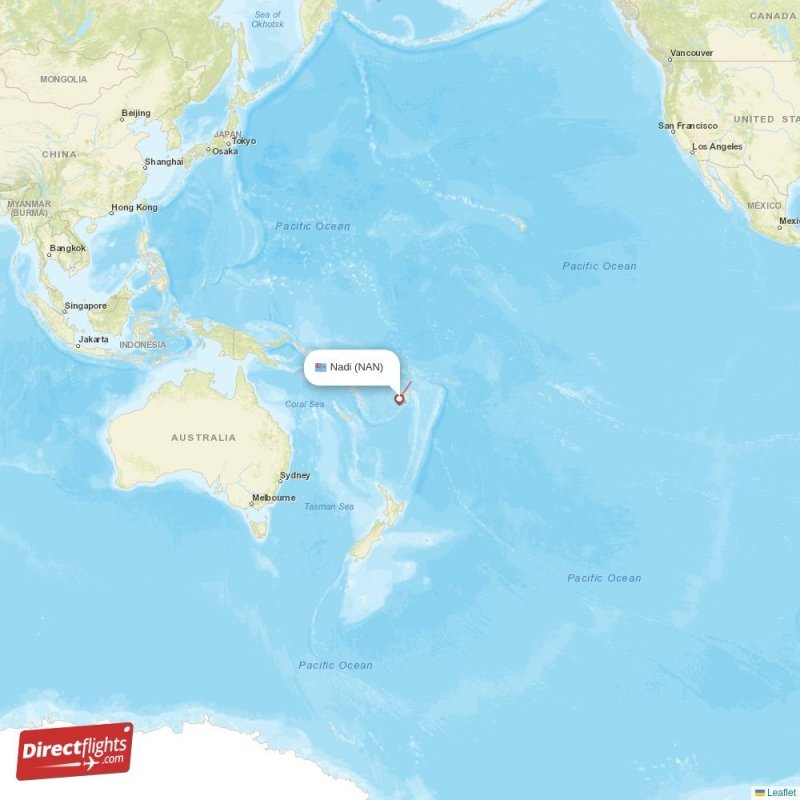
The vastness of the Pacific Ocean often belies the significant distances between its scattered island nations. While both Fiji and Hawaii share the common thread of tropical beauty and Polynesian heritage, they are situated in different subregions of the Pacific, leading to a considerable expanse between them.
Measuring the Miles: Actual Distance and Coordinates
Geographically, Hawaii is located in the North Pacific Ocean, roughly positioned around 21° N latitude and 157° W longitude (for Oahu, home to Honolulu). Fiji, on the other hand, lies in the South Pacific Ocean, near the International Date Line, with its main island of Viti Levu centered around 18° S latitude and 178° E longitude.
The straight-line, or “as the crow flies,” distance between the capital of Hawaii, Honolulu, and Fiji’s primary international airport city, Nadi, is approximately 3,170 miles (5,100 kilometers). This significant distance positions them as distinct and separate travel hubs, each requiring dedicated travel planning. To put this into perspective, it’s roughly the same distance as flying from New York City to Los Angeles and back across the United States.
Understanding the Pacific’s Vastness
This considerable separation highlights the immense scale of the Pacific Ocean. While both destinations offer quintessential island experiences, their placement on opposite sides of the equator and thousands of miles apart means they cater to different regional travel patterns and logistics. Hawaii is a gateway for travelers from North America and Asia, while Fiji is more commonly accessed by travelers from Australia, New Zealand, and other South Pacific nations, in addition to its appeal to a global audience. This geographical positioning influences everything from flight availability and duration to the cost of travel, making a direct, quick hop between the two largely impractical for casual tourism.
Navigating the Journey: Travel Time and Logistics
Given the substantial distance, direct flights between Fiji and Hawaii are rare and not a standard route. Travelers looking to experience both destinations typically plan them as separate trips or as part of a longer, multi-stop Pacific Ocean itinerary, often involving a layover.
Flight Paths and Typical Routes
Currently, there are no direct commercial flights regularly scheduled between Nadi International Airport (NAN) in Fiji and Daniel K. Inouye International Airport (HNL) in Honolulu. Travelers planning to bridge this gap will almost certainly require at least one, and more commonly two, layovers.
The most common transit points for flights connecting Fiji and Hawaii are major hubs in:
- Australia or New Zealand: Cities like Sydney, Melbourne, or Auckland serve as significant gateways. From Nadi, one would fly to one of these cities, and then catch a connecting flight to Honolulu.
- North America: Major West Coast United States cities such as Los Angeles or San Francisco are common layover points. This route would involve flying from Fiji to the US West Coast, and then continuing to Hawaii. While seemingly counter-intuitive for a Fiji-Hawaii journey, it often offers more flight options and competitive pricing.
Layover Considerations and Journey Duration
Due to the lack of direct flights and the necessity of layovers, the total travel time between Fiji and Hawaii can be substantial. Including check-in, flight segments, and layover times, a one-way journey typically ranges from 15 to 25 hours or more, depending on the chosen route, airline schedules, and the duration of the layovers. Travelers should factor in significant transit time and potential overnight stays at layover cities, especially if aiming for the most economical fares. This makes planning consecutive visits to both destinations challenging for those with limited time.
Time Zones and Crossing the International Date Line
Another critical logistical consideration is the significant time difference and the crossing of the International Date Line. Fiji is located just west of the International Date Line, making it one of the first countries in the world to see the new day. Hawaii is far to the east of it.
This means that when traveling from Fiji to Hawaii, you will “gain a day” by crossing the International Date Line westbound. Conversely, traveling from Hawaii to Fiji means you will “lose a day.” For instance, if you depart Honolulu on a Monday morning, you might arrive in Nadi on a Wednesday evening, even with a flight duration of only 10-12 hours plus layovers. This time warp requires careful consideration when booking connecting flights and making accommodation arrangements.

A Tale of Two Paradises: Comparing Travel Experiences
While geographically distant, both Fiji and Hawaii offer captivating island getaways. However, their unique characteristics cater to slightly different traveler preferences, making the choice between them, or the decision to visit both, an informed one.
Unique Charms of Fiji
Fiji is renowned for its genuinely warm and welcoming Bula spirit, untouched natural beauty, and a focus on authentic cultural immersion. The islands, particularly the Mamanuca and Yasawa Islands off the coast of Viti Levu, are famous for their pristine coral reefs, crystal-clear waters, and lush interiors.
- Culture & Hospitality: Fijian culture is vibrant and accessible, with opportunities to experience traditional villages, kava ceremonies, and the legendary hospitality of its people.
- Activities: Diving, snorkeling, surfing, island hopping, and sailing are prime activities. Resorts like those on Denarau Island or private island retreats offer a range of experiences from luxurious relaxation to adventure. The Garden of the Sleeping Giant near Nadi offers a tranquil botanical escape.
- Ambiance: Generally, Fiji offers a more laid-back, secluded, and often rustic charm, with a significant emphasis on unplugging and reconnecting with nature. Resorts such as the Shangri-La Yanuca Island embody this serene escape.
- Target Traveler: Ideal for honeymooners, families seeking authentic experiences, divers, and those looking for a tranquil escape from the bustling world.
The Allure of Hawaii
Hawaii, a United States state, boasts a unique blend of American infrastructure and Polynesian heritage. Its islands, including Oahu, Maui, Kauai, and the Big Island, offer diverse landscapes from volcanic deserts to lush rainforests and bustling urban centers.
- Culture & Accessibility: Hawaii offers a rich, accessible culture with hula shows, luaus, and historic sites like Pearl Harbor. Its well-developed tourism infrastructure makes travel within and between islands seamless.
- Activities: From surfing the iconic waves of Waikiki Beach on Oahu, hiking Koko Head Crater, exploring the Na Pali Coast on Kauai, to witnessing lava flows on the Big Island, Hawaii offers a vast array of activities. Resorts like the Four Seasons Resort Oahu at Ko Olina provide luxurious stays with numerous amenities.
- Ambiance: Hawaii blends natural beauty with modern amenities, offering everything from vibrant city life in Honolulu to remote, rugged wilderness.
- Target Traveler: Appeals to a wide range of travelers, including families, adventure seekers, luxury travelers, and those looking for a mix of relaxation and activity with robust infrastructure.
Deciding Between or Combining Destinations
Given the considerable distance and travel logistics, most travelers choose either Fiji or Hawaii for a primary vacation. Combining them into a single trip requires ample time and a generous budget to account for the multiple long-haul flights and layovers. For those with extended travel plans or an interest in a comprehensive Pacific Ocean exploration, incorporating both can be an unforgettable, albeit demanding, adventure. It offers a unique opportunity to contrast the distinct flavors of the North and South Pacific.
Planning Your Trans-Pacific Adventure
Successfully planning a trip to either Fiji or [Hawaii](https://lifeoutofthebox.com/hawaii], or even contemplating a combined itinerary, requires meticulous preparation.
Best Time to Travel
- Fiji: The dry season, from May to October, is considered the best time to visit. During these months, temperatures are mild, humidity is lower, and there is less rainfall, making it ideal for outdoor activities and island hopping.
- Hawaii: Hawaii enjoys pleasant weather year-round. The peak tourist season runs from mid-December to mid-April, and again from June to August. Shoulder seasons (April-May and September-November) often offer good weather with fewer crowds and potentially lower prices.
Essential Travel Documents and Considerations
For both destinations, ensuring your passport is valid for at least six months beyond your intended stay is crucial.
- Fiji: Many nationalities, including citizens of the United States, Canada, United Kingdom, Australia, and New Zealand, do not require a visa for stays up to four months. However, always check the latest entry requirements for your specific nationality.
- Hawaii: As a United States state, entry requirements are the same as for any other part of the US. US citizens only need a valid ID. International travelers require a valid visa or an approved ESTA under the Visa Waiver Program, depending on their nationality.
Travel insurance is highly recommended for any international trip to protect against unforeseen circumstances like medical emergencies, trip cancellations, or lost luggage.

Budgeting for Your Trip
Both Fiji and Hawaii can be tailored to various budgets, but generally, Hawaii tends to be a more expensive destination due to its status as a US state with higher costs of living and tourism services. Fiji can offer more budget-friendly options, especially outside of luxury resorts, with opportunities for village stays and local eateries. Flight costs will be a significant factor for either, and combining the two will naturally incur higher transportation expenses.
In conclusion, while the dream of easily hopping between Fiji and Hawaii is enchanting, the reality of over 3,000 miles of Pacific Ocean separates these two distinct archipelagos. Each offers a unique and profound travel experience, worthy of its own dedicated exploration. Understanding this geographical divide is key to crafting a well-informed and truly unforgettable journey across the world’s largest ocean.
LifeOutOfTheBox is a participant in the Amazon Services LLC Associates Program, an affiliate advertising program designed to provide a means for sites to earn advertising fees by advertising and linking to Amazon.com. Amazon, the Amazon logo, AmazonSupply, and the AmazonSupply logo are trademarks of Amazon.com, Inc. or its affiliates. As an Amazon Associate we earn affiliate commissions from qualifying purchases.