
The journey across the Pacific Ocean, connecting the vibrant archipelago of Japan with the idyllic islands of Hawaii, represents a significant and increasingly popular route for global travelers. Whether you’re planning a tropical escape from the bustling metropolises of Tokyo or Osaka, or an adventurous cultural immersion from the shores of Honolulu, understanding the logistics of this trans-Pacific flight is paramount. This article delves into the precise distances, flight durations, and essential considerations for flying between these two captivating destinations, providing an insightful guide for your next aerial adventure.
The Geographic Reality: Unpacking the Distance
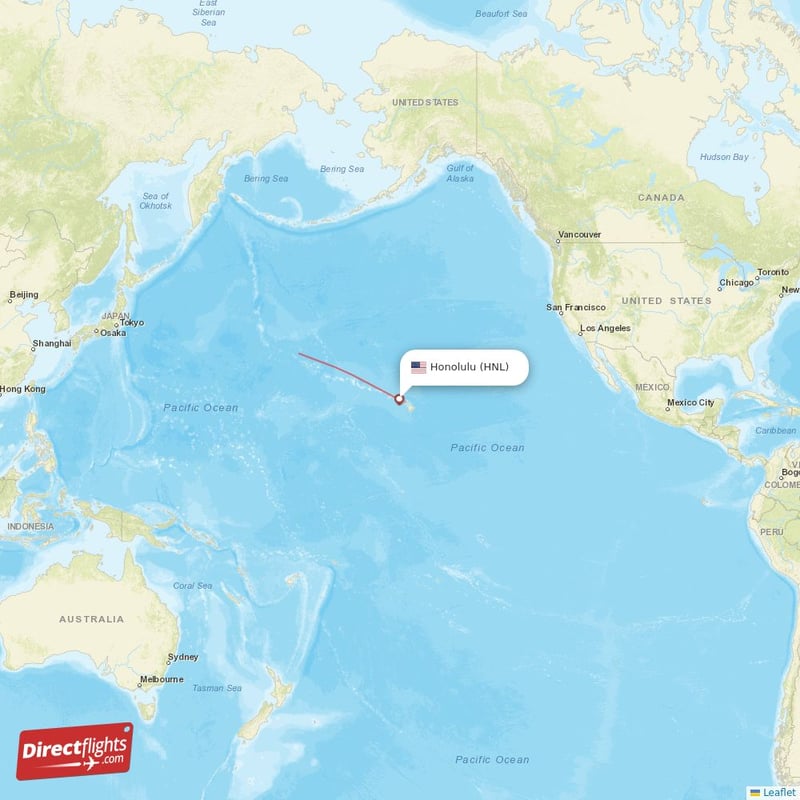
Before embarking on any journey, knowing the fundamental distance involved helps set expectations for travel time and potential challenges. The vast expanse of the Pacific Ocean separates Japan and Hawaii, making it one of the longest direct flight routes in commercial aviation.

Straight-Line vs. Flight Path Distance
The shortest theoretical distance between two points on the Earth’s surface is a great circle distance. For Tokyo, Japan (specifically, Narita International Airport) and Honolulu, Hawaii (Daniel K. Inouye International Airport), the approximate great circle distance is around 3,850 to 4,000 miles (approximately 6,200 to 6,400 kilometers).
However, commercial airplanes rarely fly in a perfect straight line. Actual flight paths are influenced by several factors, including air traffic control routes, prevailing winds (such as the powerful jet stream), weather conditions, and geopolitical airspace restrictions. As a result, the actual distance covered by an aircraft can be slightly longer, typically ranging from 4,000 to 4,200 miles (6,400 to 6,750 kilometers). This added distance is a minor factor in terms of total flight time but is important for understanding the operational realities of long-haul aviation.
Key Airports Connecting the Pacific
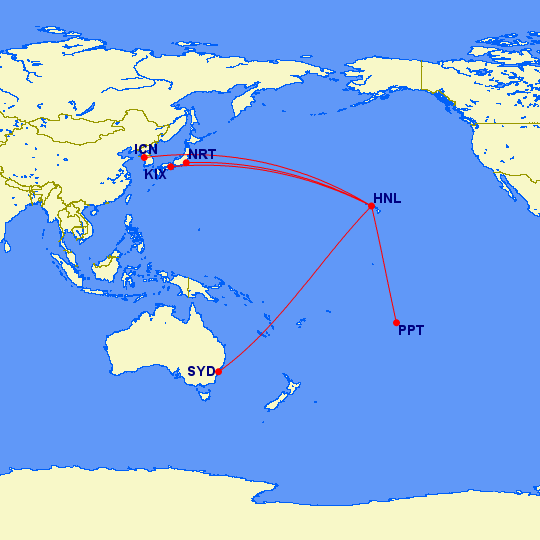
The primary gateways facilitating travel between Japan and Hawaii are strategically located to handle the significant flow of tourists and business travelers. In Japan, the main international hubs are:
- Narita International Airport (NRT): Located outside Tokyo, NRT is the largest international airport in Japan and a major gateway for trans-Pacific flights.
- Kansai International Airport (KIX): Serving the Osaka metropolitan area, KIX is another critical hub with direct flights to Hawaii.
On the Hawaii side, the central point of arrival and departure is:
- Daniel K. Inouye International Airport (HNL): Situated in Honolulu on the island of Oahu, HNL is the busiest airport in Hawaii and serves as the primary connection point to Japan and other international destinations.
These airports are equipped to handle wide-body aircraft necessary for such long-haul flights and offer comprehensive services for international passengers, ensuring a smooth transition for travelers.
Navigating the Skies: Understanding Flight Durations
The actual time spent in the air is often the most critical factor for travelers when planning a long-distance trip. Flights from Japan to Hawaii and vice-versa have distinct durations primarily due to the powerful Pacific jet stream.
Average Flight Times
Typically, a direct flight from Japan to Hawaii takes approximately 6.5 to 7.5 hours. This relatively shorter duration is largely thanks to the prevailing westerly jet stream, which provides a significant tailwind for eastbound flights.
Conversely, flying from Hawaii back to Japan takes considerably longer, averaging 8 to 9.5 hours. This difference is due to the aircraft flying against the headwind of the jet stream, which increases the time needed to cover the same distance. This directional variation in flight time is a consistent feature of trans-Pacific travel.
Factors Influencing Flight Duration
While the jet stream is the most significant factor, several other elements can subtly influence the overall flight time:
- Aircraft Type: Modern, fuel-efficient wide-body aircraft like the Boeing 787 Dreamliner or Airbus A350 tend to be faster and more efficient, potentially shaving a few minutes off flight times compared to older models. Their superior cruising speeds and altitudes allow for more direct routing.
- Air Traffic Control and Route Optimization: Air traffic controllers manage flight paths to ensure safety and efficiency. This can involve slight deviations to avoid congested airspace or specific weather phenomena. Airlines also use sophisticated software to optimize routes for fuel efficiency and speed, taking into account real-time conditions.
- Weather Conditions: Beyond the jet stream, other weather patterns such as storms, turbulence, or strong headwinds/tailwinds can affect flight speeds and lead to minor delays or adjustments in flight duration. Pilots will often seek altitudes where conditions are most favorable.
- Layover Considerations: While many direct flights connect Japan and Hawaii, some itineraries may involve layovers in other Pacific rim cities, significantly extending total travel time. Travelers should always check if a flight is direct or involves stops.
Major Airlines and Routes
A number of reputable airlines operate direct flights between Japan and Hawaii, offering a range of services and cabin classes. Key carriers on this route include:
- Japan Airlines (JAL): A flag carrier of Japan, Japan Airlines offers numerous daily flights from Tokyo (Narita International Airport) and Osaka (Kansai International Airport) to Honolulu.
- All Nippon Airways (ANA): Another prominent Japanese airline, All Nippon Airways also provides extensive direct services from Tokyo (both Narita International Airport and Haneda Airport – though Haneda Airport is typically for domestic and closer international flights, some routes to Honolulu exist) and Osaka to Honolulu.
- Hawaiian Airlines: As Hawaii’s largest airline, Hawaiian Airlines is a major player, offering direct flights from Honolulu to various Japanese cities.
- United Airlines: A major United States carrier, United Airlines operates routes connecting Honolulu to Tokyo and other major Asian hubs, often as part of larger international networks.
- Delta Air Lines: Another key US airline, Delta Air Lines also offers services connecting Japan and Hawaii, providing travelers with additional choices.
These airlines utilize modern wide-body aircraft, typically offering multiple cabin classes including economy, premium economy, business, and sometimes first class, catering to diverse traveler needs and preferences.
Beyond the Miles: What to Expect on Your Journey
A long-haul flight across the Pacific is more than just hours in the air; it’s an experience that requires preparation and understanding of the journey’s broader implications, from comfort to customs.
Time Zones and Jet Lag Management
The significant distance between Japan and Hawaii also means crossing numerous time zones. Japan operates on Japan Standard Time (JST), which is UTC+9. Hawaii operates on Hawaii Standard Time (HST), which is UTC-10. This means there is a substantial 19-hour time difference between the two destinations (or 20 hours if comparing to the next day in Hawaii when Japan is already far into its day).
For example, if it’s 3 PM on Monday in Tokyo, it’s 8 PM on Sunday in Honolulu. This considerable shift can lead to significant jet lag. To mitigate its effects, travelers are advised to:
- Adjust their sleep schedule gradually before departure.
- Stay hydrated and avoid excessive caffeine and alcohol during the flight.
- Try to sleep on the plane if it’s nighttime at your destination.
- Expose yourself to natural light upon arrival to help reset your body clock.
In-Flight Experience and Services
Given the duration of these flights, airlines prioritize passenger comfort and entertainment. Most trans-Pacific flights offer:
- Meals and Beverages: Multiple meal services, including snacks and drinks, are standard. Special dietary meals can usually be requested in advance.
- In-Flight Entertainment: Personal seat-back screens with a wide selection of movies, TV shows, music, and games are almost universal.
- Comfort Amenities: Blankets, pillows, and amenity kits (especially in premium cabins) are often provided to enhance comfort during the long journey.
- Wi-Fi Connectivity: Many airlines now offer in-flight Wi-Fi, though it may come with a fee and can be slower than ground-based internet.
Choosing an airline known for its service on long-haul routes can significantly impact the overall travel experience.
Entry Requirements and Customs
Upon arrival in Hawaii (part of the United States) or Japan, travelers must clear immigration and customs.
- For Hawaii (from Japan): Japanese citizens traveling to the United States for tourism or business purposes typically require an ESTA (Electronic System for Travel Authorization) approval under the Visa Waiver Program. They must also have a valid passport. Non-Japanese citizens may require a visa, depending on their nationality. All passengers will go through U.S. Customs and Border Protection.
- For Japan (from Hawaii): U.S. citizens can typically enter Japan for tourism or short business stays without a visa for up to 90 days, requiring only a valid passport. Other nationalities should check specific visa requirements. All travelers must clear Japanese immigration and customs.
It is crucial to check the latest travel advisories and entry requirements well in advance of your trip, as these can change.
Planning Your Pacific Crossing: Tips for a Seamless Trip
Successfully navigating the journey between Japan and Hawaii hinges on thoughtful planning and preparation.
Best Time to Book and Travel
The best time to travel depends on your priorities:
- Shoulder Seasons (Spring & Fall): For pleasant weather and fewer crowds in both destinations, consider April-May (spring) or September-October (fall). These periods often offer a balance between good weather and more moderate pricing.
- Peak Seasons (Summer & Winter Holidays): June-August and the winter holiday season (late December-early January) are popular, leading to higher airfares and accommodation costs. Book well in advance if traveling during these times.
- Booking Flights: Generally, booking 2-4 months in advance yields the best prices for international long-haul flights. Using flight comparison websites and setting price alerts can help secure good deals. Tuesdays, Wednesdays, and Saturdays are often the cheapest days to fly.
Cost Considerations and Budgeting
Flights between Japan and Hawaii can vary significantly in price.
- Economy Class: Fares can range from $700 to $1,500 USD or more for a round trip, depending on the season, airline, and booking time.
- Premium Economy/Business Class: These can range from $2,000 to $5,000+ USD for a round trip, offering enhanced comfort and services.
Beyond airfare, remember to budget for:
- Accommodation: Hotels, resorts, or vacation rentals in both Japan and Hawaii can be expensive, especially in popular areas like Tokyo and Honolulu.
- Activities and Excursions: Factor in costs for sightseeing, cultural experiences, dining, and shopping.
- Transportation: Ground transportation, whether public transit in Japan or rental cars/taxis in Hawaii, should also be accounted for.
- Travel Insurance: Highly recommended for international trips to cover unforeseen circumstances like flight delays, cancellations, or medical emergencies.
Packing Essentials for Long-Haul Flights
For a comfortable trans-Pacific journey, thoughtful packing is key:
- Comfortable Clothing: Loose-fitting, layered clothing is best for adapting to temperature changes on the plane.
- Hydration: An empty reusable water bottle to fill after security.
- Entertainment: Books, downloaded movies/shows, or podcasts for personal entertainment.
- Neck Pillow, Eye Mask, Earplugs: Essential for trying to sleep or simply relaxing.
- Personal Care Items: Toothbrush, toothpaste, moisturizer, lip balm to refresh during the flight.
- Medication: Any necessary prescription or over-the-counter medications in your carry-on.
- Chargers/Power Banks: To keep your electronic devices powered.
- Important Documents: Passport, visa/ESTA, flight confirmations, accommodation details readily accessible.
Traveling between Japan and Hawaii by plane is a journey across diverse cultures and breathtaking landscapes. While the distance is significant, modern aviation has made this Pacific crossing a convenient and increasingly accessible adventure. With careful planning and an understanding of the travel logistics, you can look forward to a seamless and memorable experience connecting these two extraordinary parts of the world.
LifeOutOfTheBox is a participant in the Amazon Services LLC Associates Program, an affiliate advertising program designed to provide a means for sites to earn advertising fees by advertising and linking to Amazon.com. Amazon, the Amazon logo, AmazonSupply, and the AmazonSupply logo are trademarks of Amazon.com, Inc. or its affiliates. As an Amazon Associate we earn affiliate commissions from qualifying purchases.