
The vast expanse of the Pacific Ocean separates the sun-drenched shores of Hawaii from the diverse landscapes of Australia, making the journey between these two alluring destinations a true trans-oceanic adventure. For prospective travelers, one of the most pressing questions is often, “How long will it take?” The answer, while seemingly straightforward, is influenced by a myriad of factors, including the specific cities of departure and arrival, the number and duration of layovers, and even prevailing wind conditions. This article delves into the intricacies of this long-haul flight, providing a comprehensive guide to understanding flight durations, optimizing your travel plans, and preparing for the extensive journey.
The Great Pacific Journey: Understanding Flight Dynamics
Traversing the Pacific Ocean between Hawaii and Australia is a significant undertaking that requires a grasp of several key aviation dynamics. It’s not merely a matter of point A to point B; the sheer scale of the journey introduces complexities that impact overall travel time.
Geographic Scale: Why the Distance Matters
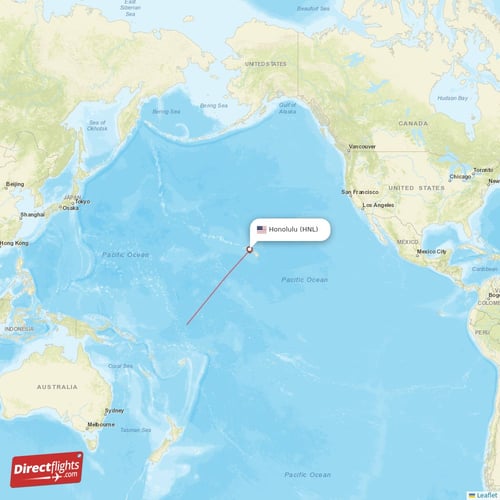
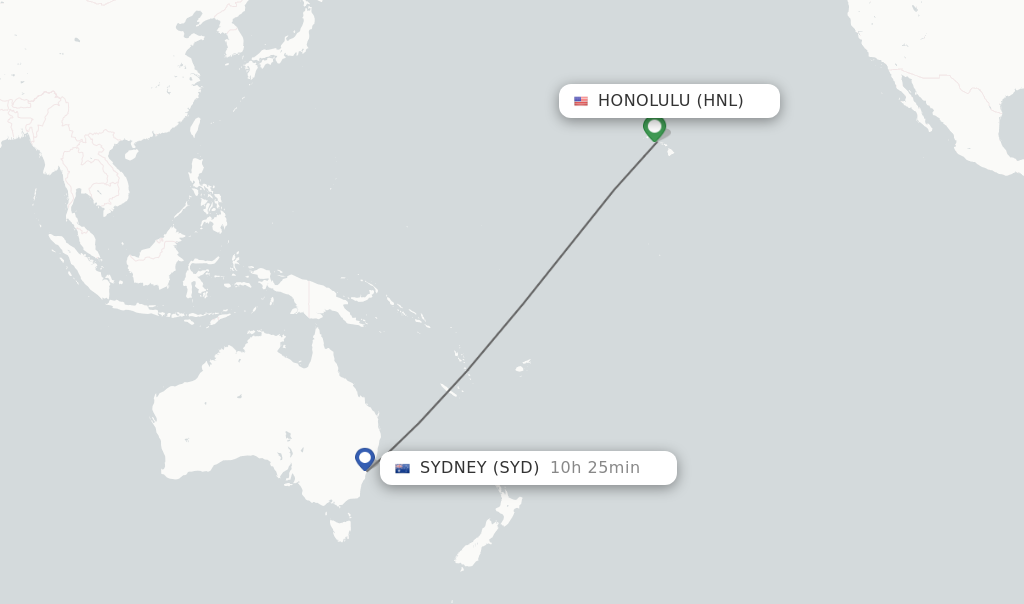
The distance between Hawaii and Australia is substantial, measuring approximately 5,000 to 6,000 nautical miles (around 9,200 to 11,000 kilometers), depending on the specific origin and destination points. For instance, the direct distance from Honolulu, Hawaii, to Sydney, Australia, is roughly 5,060 nautical miles (9,370 km). This immense distance alone dictates a considerable flight duration, regardless of other variables. Modern commercial airliners typically cruise at speeds of around 500-550 knots (925-1020 km/h). Dividing the distance by the speed gives a rough estimate for direct flight time, but this doesn’t account for climb, descent, holding patterns, or the critical factor of wind.
Direct vs. Connecting Flights: The Time Equation
While the idea of a direct flight is appealing for its efficiency, non-stop services between Hawaii and Australia are less common than connecting flights. The vast majority of travelers will experience at least one layover, which significantly extends the overall travel time. A direct flight, if available, offers the shortest journey time, focusing solely on the in-air duration. Connecting flights, however, involve additional time spent on the ground at various hub airports. This includes taxiing, disembarking, waiting for the next flight, boarding, and then the subsequent flight legs. Each layover can add anywhere from a couple of hours to an entire day or more, depending on the connection schedule. Understanding this distinction is crucial when estimating your total travel duration.
Aircraft Speed and Wind Patterns
The actual speed of an aircraft relative to the ground (ground speed) is not constant and is heavily influenced by prevailing winds. Flights traveling with a strong tailwind can cover ground much faster, effectively shortening the journey. Conversely, flying into a strong headwind will increase the ground speed required to maintain forward momentum, thereby extending flight time. For trans-Pacific routes, these wind patterns, particularly the jet stream, play a significant role. Pilots and flight planners meticulously calculate these factors to determine optimal flight paths and estimated arrival times. Typically, flights from the Northern Hemisphere to the Southern Hemisphere (or vice-versa) can experience varying wind conditions that impact the journey’s length.
Typical Flight Durations: Averages and Extremes
Understanding the general flight times from Hawaii to Australia requires looking at common routes and the impact of stopovers. The total duration can vary wildly, from a relatively quick direct flight to a multi-day odyssey.
Flying from Honolulu to Sydney/Melbourne
Honolulu is the primary international gateway in Hawaii, and Sydney and Melbourne are the busiest international airports in Australia. These are the most common city pairs for this route.
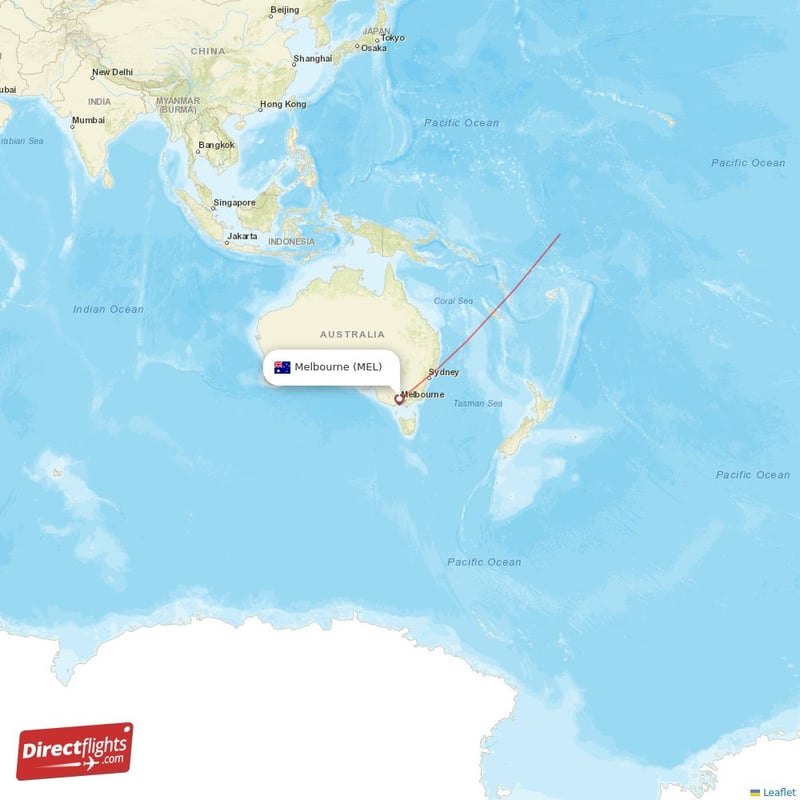
- Direct Flights: While infrequent, a direct flight from Honolulu (HNL) to Sydney (SYD) typically takes around 9.5 to 10.5 hours. To Melbourne (MEL), it would be slightly longer, perhaps 10 to 11 hours, as Melbourne is further south. These times represent the actual airborne duration.
- Connecting Flights: The vast majority of flights will involve one or more stops. A single layover can push the total travel time significantly.
- With one stop: Total journey time can range from 14 to 20 hours. This includes the flight segments and a layover of typically 2-6 hours. Common layover cities include Fiji (Nadi), New Zealand (Auckland), or occasionally a city on the US mainland like Los Angeles or San Francisco if flying with a US carrier.
- With two or more stops: Travel times can easily extend beyond 24 hours, potentially reaching 30 hours or more, depending on the routing and efficiency of connections.
Alternative Australian Gateways: Brisbane, Perth
While Sydney and Melbourne are popular, travelers might also consider flying into other Australian cities like Brisbane or Perth.
- Honolulu to Brisbane: Brisbane is geographically closer to Hawaii than Sydney or Melbourne. A direct flight, if available, would be approximately 9 to 10 hours. Connecting flights would follow similar patterns to Sydney routes, adding 4-10 hours for layovers.
- Honolulu to Perth: Perth, located on Australia’s west coast, is significantly further from Hawaii than the eastern cities. Direct flights are extremely rare. A flight to Perth would almost certainly involve at least one stop, usually in Sydney, Melbourne, or Brisbane, and likely a second stop in Asia or the Middle East if coming from the US mainland. Total travel time can easily exceed 20-24 hours, often extending to 30+ hours depending on the connections.
The Impact of Layovers: Common Hubs
Layovers are an inevitable part of long-haul international travel, especially for routes like Hawaii to Australia. Understanding common hub airports can help travelers anticipate the journey.
- Fiji (Nadi International Airport – NAN): This is a very common and convenient stop for flights between the US and Australia/New Zealand. It offers a relatively short stopover and can sometimes be broken up into a multi-day stopover to enjoy Fiji’s attractions.
- New Zealand (Auckland Airport – AKL): Another popular hub, especially for flights operated by Air New Zealand. Auckland provides excellent connections to all major Australian cities.
- United States Mainland (e.g., Los Angeles LAX, San Francisco SFO): While seeming counter-intuitive to fly further north, some airlines route through major US hubs, especially if you’re flying with a carrier like United or Qantas from Hawaii. This can add significant time to the first leg but might offer more direct options for the second leg to Australia.
- Asia (e.g., Singapore SIN, Hong Kong HKG): Less common for routes originating directly from Hawaii, but if multiple stops are involved or specific airline alliances are preferred, these hubs might appear in itineraries. They typically extend travel time considerably.
Factors Influencing Your Travel Time
Beyond the basic distance, several operational and personal factors can significantly influence the actual duration of your flight from Hawaii to Australia. Understanding these can help in planning and setting expectations.
Airline Choice and Route Optimization
The airline you choose plays a pivotal role in your total travel time. Different carriers have varying networks, partnerships, and preferred hubs.
- Direct Routes: Airlines that offer direct flights (e.g., Qantas or Hawaiian Airlines on select routes) will inherently provide the shortest travel times.
- Hub Strategies: Some airlines might prioritize their main hubs, even if it means a slightly longer route for a particular passenger. For example, a traveler flying United Airlines from Honolulu to Sydney might connect through San Francisco or Los Angeles, adding hours, whereas another airline might offer a direct flight or a stop in Fiji.
- Aircraft Type: While less impactful than layovers, larger, more fuel-efficient aircraft like the Boeing 787 Dreamliner or Airbus A350 are optimized for long-haul flights and can sometimes maintain better speeds or fly more direct routes without refueling stops.
Time Zones and Jet Lag Considerations
Traveling across the Pacific Ocean involves crossing the International Date Line and numerous time zones, which can drastically affect how the journey feels and lead to significant jet lag.
- Time Zone Difference: Hawaii operates on Hawaii Standard Time (HST), which is UTC-10. Sydney and Melbourne operate on Australian Eastern Standard Time (AEST), which is UTC+10, or UTC+11 during daylight saving. This means there’s a 20 or 21-hour time difference. When you fly from Hawaii to Australia, you essentially “lose” a day due to crossing the International Date Line.
- Perceived vs. Actual Travel Time: Although the flight might only be 10 hours in the air, you might depart Honolulu on a Monday morning and arrive in Sydney on a Tuesday evening. This “lost day” is crucial for planning your arrival and subsequent activities. Managing jet lag becomes a significant factor in how quickly you can enjoy your destination.
Seasonal Variations and Air Traffic
Like any travel route, seasonal demand and prevailing weather conditions can affect flight times.
- Peak Travel Seasons: During peak travel times (e.g., Christmas, Easter, school holidays), airports can be busier, leading to potential delays in take-off, landing, and connection times.
- Weather Conditions: While less common for long-haul trans-Pacific flights to be severely delayed by localized weather at the origin or destination (as they can often fly above or around it), extreme weather events can cause disruptions. More significantly, upper-atmosphere wind patterns, as discussed earlier, are seasonal and can affect flight efficiency. Stronger headwinds in certain seasons could add minor durations to the flight.
Planning Your Trans-Pacific Adventure
A journey of this magnitude requires careful planning to ensure a smooth and enjoyable experience. Beyond just knowing the flight time, considering travel logistics can greatly enhance your trip.
Best Time to Book and Travel
Timing your booking and travel can often lead to better fares and potentially more direct flight options.
- Booking in Advance: For international long-haul flights, booking several months in advance (3-6 months) typically secures better prices and a wider selection of flights. Prices tend to increase closer to the departure date.
- Off-Peak Seasons: Traveling during shoulder seasons (e.g., April-May or September-October for Australia’s temperate regions) can offer a good balance of pleasant weather, fewer crowds, and potentially lower airfares compared to peak summer or winter holidays. Consider Australia’s seasons, which are opposite to those in the Northern Hemisphere.
Essential Packing for Long-Haul Flights
Preparing specifically for a very long flight can make a significant difference to your comfort.
- Comfortable Clothing: Loose, breathable clothing is paramount. Layers are advisable as cabin temperatures can fluctuate.
- Hydration and Snacks: While airlines provide meals, having your own water bottle (filled after security) and some healthy snacks can be very beneficial. Dehydration is a common issue on long flights.
- Entertainment: Load up your devices with movies, podcasts, e-books, and music. Don’t rely solely on in-flight entertainment, which can sometimes be limited or glitchy.
- Sleep Aids: An eye mask, earplugs, and a travel pillow are essential for maximizing rest on a long flight, especially when crossing multiple time zones.
- Essentials in Carry-On: Keep medications, toiletries, and a change of clothes in your carry-on in case of any checked luggage delays.
Breaking Up the Journey: Stopover Options
For those who find the thought of 10+ hours in the air daunting, or simply wish to explore more of the Pacific, a planned stopover can be an excellent option.
- Fiji: A popular choice, Fiji offers stunning beaches, vibrant coral reefs, and a relaxed atmosphere. A few days here can be a wonderful way to break up the journey and experience another Pacific paradise.
- New Zealand: If your flight connects through Auckland, consider spending a few days exploring New Zealand’s incredible natural beauty, from its geothermal wonders to its majestic fjords.
- Samoa or Cook Islands: Less common but equally captivating, these islands offer authentic Polynesian experiences and pristine environments for a unique stopover.
While these stopovers increase the overall travel duration, they can make the journey feel less arduous by breaking it into manageable segments and adding another dimension to your trip.
In conclusion, a flight from Hawaii to Australia is a significant undertaking, typically ranging from 9.5 hours for a direct flight to over 20-30 hours with connections. The journey demands careful consideration of airports, airlines, and personal comfort. By understanding the factors involved and planning meticulously, travelers can transform this lengthy flight into an exciting part of their ultimate Pacific adventure, ready to explore the wonders of Australia.
LifeOutOfTheBox is a participant in the Amazon Services LLC Associates Program, an affiliate advertising program designed to provide a means for sites to earn advertising fees by advertising and linking to Amazon.com. Amazon, the Amazon logo, AmazonSupply, and the AmazonSupply logo are trademarks of Amazon.com, Inc. or its affiliates. As an Amazon Associate we earn affiliate commissions from qualifying purchases.