
Embarking on a journey across the vast expanse of the Pacific Ocean from the vibrant shores of Japan to the tropical paradise of Hawaii is an adventure many dream of. Whether you’re planning a well-deserved vacation, a significant business trip, or reconnecting with family, understanding the logistics of this long-haul flight is paramount. The question “How long is a flight from Japan to Hawaii?” is more complex than a single number, as several variables can influence the total travel time. From the specific departure and arrival airports to the type of aircraft and prevailing wind conditions, each element plays a role in determining your journey’s duration.

This comprehensive guide aims to demystify the travel time between these two captivating destinations, offering insights into direct flights, common layover scenarios, and essential tips for a comfortable and efficient transit. By delving into the geographical nuances, airline operations, and practical considerations, we’ll equip you with the knowledge to plan your cross-Pacific voyage with confidence. Understanding the typical flight duration, the factors that cause variations, and how to best prepare for a lengthy journey can significantly enhance your travel experience, ensuring that your time in the air is as smooth as possible before you touch down amidst the Aloha spirit.
Understanding the Geography and Core Routes
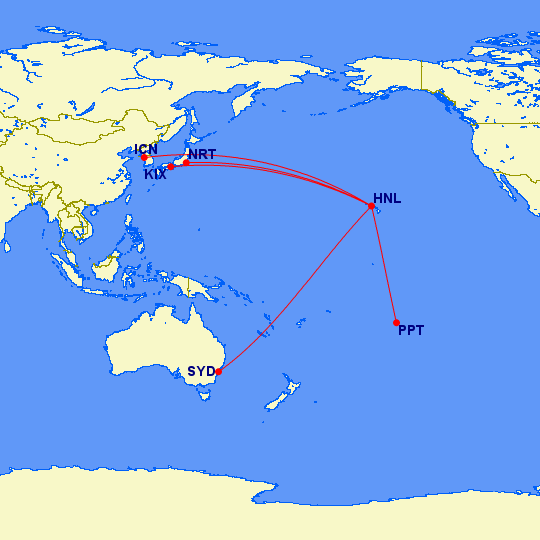
The journey from Japan to Hawaii spans thousands of miles across the central Pacific Ocean, connecting two distinct cultural landscapes. While both are island nations, their geographical positions dictate a significant flight path. Hawaii is approximately 3,850 miles (6,200 kilometers) from Tokyo, one of Japan’s primary international hubs. This considerable distance means that even the most direct flights require a substantial amount of time in the air.
Key Airports in Japan
Japan boasts several major international airports that serve as crucial gateways for flights to Hawaii. The most prominent are located in and around its largest cities:
- Narita International Airport (NRT): Located outside Tokyo, Narita is Japan’s busiest international airport and offers the widest selection of flights to Hawaii. Its extensive network makes it a primary choice for travelers.
- Haneda Airport (HND): Also serving the Tokyo metropolitan area, Haneda is closer to the city center and has increasingly expanded its international routes. Many direct flights to Hawaii now depart from Haneda, offering a convenient option for those already in Tokyo.
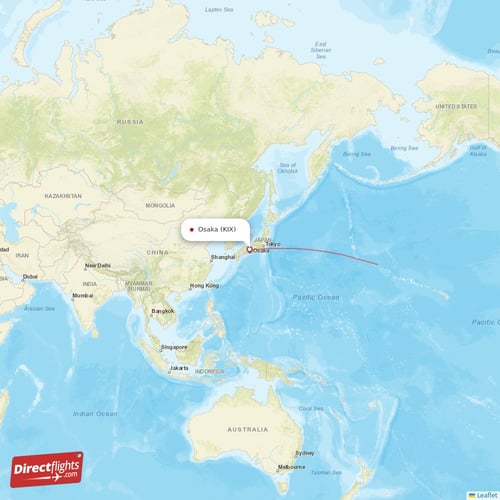
- Kansai International Airport (KIX): Serving the Osaka region, Kansai is another significant hub, especially for travelers departing from western Japan. It also provides direct services to Hawaii, albeit with fewer frequencies than the Tokyo airports.
These airports are well-equipped with modern facilities, ensuring a smooth pre-flight experience for international travelers.
Major Entry Points in Hawaii
Upon arrival in Hawaii, the primary gateway for international flights from Japan is situated on the island of Oahu:
- Daniel K. Inouye International Airport (HNL): Located in Honolulu, Oahu, HNL is the main international airport for the state of Hawaii. Most direct flights from Japan will land here. From Honolulu, travelers can then take connecting inter-island flights to other islands like Maui, the Big Island (also known as Hawaii Island), or Kauai. While some charters or less frequent direct flights might occasionally serve other islands, HNL remains the undisputed primary arrival point.
The Pacific Ocean Crossing
The journey across the Pacific Ocean is a significant undertaking. Aircraft follow specific flight corridors that are optimized for efficiency, safety, and fuel consumption. These routes are carefully planned to account for factors like prevailing winds and air traffic control restrictions. The sheer distance dictates that passengers should prepare for an extended period in the air, regardless of the directness of their flight.
Factors Influencing Flight Duration
While the geographical distance between Japan and Hawaii is fixed, the actual flight time can fluctuate due to several dynamic factors. Understanding these elements can help travelers manage their expectations and appreciate the complexities involved in long-haul aviation.
Aircraft Type and Speed
Modern long-haul aircraft are designed for efficiency and comfort over vast distances. The specific model of the aircraft used can subtly influence flight duration. For instance, wide-body jets like the Boeing 787 Dreamliner, Boeing 777, or Airbus A330 and A350 are commonly deployed on the Japan-Hawaii route. These aircraft cruise at similar speeds, typically around 550-580 miles per hour (885-933 km/h). However, slight differences in cruising speed, fuel efficiency, and operational ceilings can lead to minor variations in overall flight time. Newer, more aerodynamically efficient aircraft might shave a few minutes off the journey compared to older models.
Wind Patterns (Jet Stream)
One of the most significant natural factors affecting trans-Pacific flight times is the jet stream. These strong, fast-moving currents of air flow from west to east across the globe.
- Eastbound Flights (Japan to Hawaii): When flying from Japan to Hawaii, aircraft can often catch a tailwind from the jet stream. This boost from behind effectively increases the aircraft’s ground speed, potentially shortening the flight duration by 30 minutes to an hour, or even more on a particularly strong jet stream day.
- Westbound Flights (Hawaii to Japan): Conversely, flights from Hawaii back to Japan often encounter headwinds from the same jet stream. Flying against these powerful air currents reduces the aircraft’s ground speed, thereby increasing the flight duration. It is not uncommon for the return journey to be 1 to 2 hours longer than the outbound flight.
Airlines meticulously plan their routes to take advantage of favorable winds when possible and mitigate the impact of headwinds, but the effect of the jet stream remains a powerful variable.
Specific Departure and Arrival Cities
While Tokyo and Honolulu represent the most common city pairs, the exact departure point in Japan and the final destination in Hawaii can slightly alter flight times. For instance, a flight departing from Osaka (Kansai International Airport) might have a marginally different duration than one from Tokyo (Narita International Airport or Haneda Airport) due to varying distances to Honolulu. Similarly, if your final destination is Maui or the Big Island, you’ll add the time for an inter-island connection after landing in Honolulu.
Direct vs. Connecting Flights
This is arguably the most significant factor affecting total travel time.
- Direct (Non-Stop) Flights: These are the most efficient in terms of air time. They involve no layovers and are the quickest way to get from Japan to Hawaii.
- Connecting Flights: If you opt for a connecting flight, your total travel time will increase substantially. Layovers can range from a couple of hours to half a day or more, depending on the itinerary. Common connection points for flights between Japan and [Hawaii](https://lifeoutofthebox.com/hawaii] (if not flying direct) might include other major hubs, though this is less common given the direct options. More often, connections are for onward travel within Hawaii from Honolulu to another island. The time added by connections can easily double or triple the actual flight duration.
Typical Flight Times and Major Airlines
Pinpointing an exact flight duration requires checking specific flight details, but we can provide reliable estimates for common routes and identify the key carriers that operate between Japan and Hawaii.
Direct Flight Estimates (e.g., Tokyo to Honolulu)
For a direct, non-stop flight from Tokyo (Narita or Haneda) to Honolulu (Daniel K. Inouye International Airport), the typical flight duration is:
- Japan to Hawaii (Eastbound): Approximately 6 hours 45 minutes to 7 hours 30 minutes. This range accounts for variations due to wind patterns and specific flight paths.
- Hawaii to Japan (Westbound): Approximately 8 hours to 9 hours. The increased duration is primarily due to flying against the prevailing jet stream.
Flights from Osaka to Honolulu will be in a similar range, potentially slightly longer due to the starting position relative to Honolulu. It’s crucial to remember that these are air travel times and do not include the time spent at the airport for check-in, security, boarding, or disembarkation.
Common Connecting Routes and Their Impact
While direct flights are popular, travelers whose final destination is an outer Hawaiian island will need to factor in a connection in Honolulu.
- Japan -> Honolulu -> Outer Island (e.g., Maui or Big Island):
- Main flight: 6.75 – 7.5 hours (from Japan to Honolulu)
- Layover in Honolulu: 1.5 – 3 hours (minimum recommended for customs, baggage claim, and re-check for inter-island flight)
- Inter-island flight: 30 – 60 minutes (e.g., Honolulu to Kahului on Maui, or Kona on the Big Island)
- Total Travel Time (including connection): Roughly 9 to 11 hours or more, depending on the specific connection. This total does not account for the time spent at the departure airport in Japan.
For those traveling to destinations beyond Honolulu, it’s advisable to allow ample layover time to account for potential delays, navigating customs and immigration, and transferring between terminals if necessary.
Airlines Serving the Japan-Hawaii Corridor
Several reputable airlines operate direct routes between Japan and Hawaii, offering various service levels and schedules:
- Japan Airlines (JAL): A flag carrier of Japan, JAL offers frequent service from Tokyo (Narita and Haneda) and Osaka to Honolulu. Known for its excellent service and cultural nuances.
- All Nippon Airways (ANA): Another major Japanese airline, ANA also provides extensive direct flights from Tokyo (Narita and Haneda) to Honolulu. ANA is recognized for its comfort and punctuality.
- Hawaiian Airlines: As Hawaii’s largest and longest-serving airline, Hawaiian Airlines is a popular choice for this route, offering a taste of Hawaiian hospitality from the moment you board. They operate direct flights from Tokyo (Narita and Haneda) and Osaka to Honolulu.
- United Airlines and Delta Air Lines: Major American carriers also offer direct service from Tokyo to Honolulu, providing additional options and competitive pricing.
When booking, it’s advisable to compare fares, schedules, and amenities offered by these airlines to find the best fit for your travel needs.
Preparing for a Long-Haul Flight
A flight of 7 to 9 hours requires some preparation to ensure maximum comfort and minimize the effects of extended travel. Being proactive can make a significant difference in your arrival experience.
Managing Jet Lag
Traveling across multiple time zones, especially eastward from Japan to Hawaii, can lead to jet lag. Hawaii is typically 19 hours behind Japan Standard Time (JST), meaning you essentially “gain” a day when flying eastbound.
- Adjust Before You Go: Try to shift your sleep schedule slightly towards Hawaiian time in the days leading up to your flight.
- Hydrate: Drink plenty of water before, during, and after your flight to combat dehydration, which exacerbates jet lag symptoms.
- Avoid Alcohol and Caffeine: These can disrupt your sleep patterns and worsen dehydration.
- Seek Sunlight: Upon arrival, expose yourself to natural light to help reset your body clock.
- Stay Active (Mildly): During the flight, get up and stretch periodically. Upon arrival, light exercise can help.
- Melatonin: Some travelers find melatonin supplements helpful for adjusting sleep cycles.
In-Flight Comfort and Entertainment
Modern long-haul flights offer amenities designed to make the journey more palatable.
- Comfortable Attire: Wear loose, breathable clothing. Layers are good for adjusting to temperature changes in the cabin.
- Hydration and Snacks: While airlines provide meals and drinks, carrying your own water bottle (filled after security) and some healthy snacks is always a good idea.
- Entertainment: In-flight entertainment systems offer a vast selection of movies, TV shows, and music. However, it’s wise to also bring your own loaded devices (tablet, e-reader) with headphones, just in case.
- Essentials Kit: Pack an eye mask, earplugs, a neck pillow, and a small blanket or shawl for added comfort. Personal hygiene items like a toothbrush and moisturizer can also be refreshing.
- Movement: Periodically walk around the cabin and perform simple stretches to promote blood circulation and prevent stiffness.
Essential Travel Documents and Customs
Before you even consider the flight duration, ensure all your travel documents are in order.
- Passport: Must be valid for at least six months beyond your intended stay.
- Visa/ESTA: Depending on your nationality, you may need a U.S. visa or an approved ESTA (Electronic System for Travel Authorization) if traveling under the Visa Waiver Program. Ensure this is applied for and approved well in advance.
- Return Ticket: Proof of onward or return travel is often required.
- Customs Declaration: Be prepared to fill out a customs declaration form upon entry into Hawaii. Be aware of restrictions on bringing agricultural products into the state.
Having these documents readily accessible and understanding the entry requirements will help ensure a smooth transition through immigration and customs upon arrival.
Planning Your Japan to Hawaii Journey
Beyond the flight itself, strategic planning can optimize your entire travel experience from Japan to Hawaii, ensuring a seamless vacation or productive business trip.
Best Time to Book
Flight prices and availability can vary significantly throughout the year.
- Shoulder Seasons: For the best balance of weather and crowd levels, consider traveling during the shoulder seasons (April-May and September-October). Flights during these times might also be more affordable than peak seasons.
- Peak Season: Summer (June-August), winter holidays (late December-early January), and Japanese Golden Week (late April-early May) are popular times, leading to higher prices and fuller flights. Book well in advance if you plan to travel during these periods, ideally 6-9 months out.
- Booking Window: Generally, booking 3-6 months in advance for international flights offers a good balance between price and flexibility. Using flight comparison websites and setting price alerts can help you snag the best deals.
Visa and Entry Requirements
While the initial focus is on flight duration, entry requirements are a non-negotiable aspect of international travel.
- For Japanese Citizens: Japanese citizens typically qualify for the Visa Waiver Program (VWP) and can travel to the United States for tourism or business for up to 90 days without a visa, provided they have an approved Electronic System for Travel Authorization (ESTA). Apply for ESTA online at least 72 hours before your flight, though it’s recommended to do so much earlier.
- For Other Nationalities: Travelers of other nationalities should check the specific visa requirements for entry into the United States well in advance of their planned departure. Some may require a B-1 (business) or B-2 (tourism) visa, obtained through a U.S. embassy or consulate.
Always verify the latest travel regulations through official government sources before your trip, as requirements can change.
What to Expect Upon Arrival
Landing in Honolulu after a long flight is an exciting moment, but knowing what to expect can smooth the process.
- Immigration and Customs: As an international arrival, you will first proceed through U.S. Customs and Border Protection. This process can involve waiting in lines, presenting your passport and ESTA/visa, and a brief interview with an officer.
- Baggage Claim: After clearing immigration, you will collect your checked luggage.
- Agricultural Inspection: Hawaii has strict agricultural inspection laws to protect its unique ecosystem. You will pass through an agricultural inspection point where certain items (fruits, plants, seeds, etc.) are prohibited or require inspection. Declare any agricultural items you may have.
- Transfers: If you have an onward inter-island flight, you will need to re-check your bags with the inter-island carrier and proceed to the domestic terminal. Allow ample time for this, especially during peak travel periods.
- Time Zone Adjustment: The significant time difference means you’ll likely feel the effects of jet lag. Plan for a relaxed first day to acclimate to Hawaiian time and soak in the initial moments of your island escape.
In conclusion, a direct flight from Japan to Hawaii typically ranges from 6 hours 45 minutes to 9 hours, depending on the direction of travel and specific routes. However, the total journey time can extend significantly with connecting flights or transfers to other Hawaiian islands. By understanding the influencing factors, preparing adequately, and choosing the right itinerary, you can ensure your journey across the Pacific is as enjoyable and efficient as the beautiful destination that awaits you. Aloha!
LifeOutOfTheBox is a participant in the Amazon Services LLC Associates Program, an affiliate advertising program designed to provide a means for sites to earn advertising fees by advertising and linking to Amazon.com. Amazon, the Amazon logo, AmazonSupply, and the AmazonSupply logo are trademarks of Amazon.com, Inc. or its affiliates. As an Amazon Associate we earn affiliate commissions from qualifying purchases.