
Embarking on a journey from the historic streets of Philadelphia to the serene beaches of Hawaii is an adventure that many dream of. However, the vast expanse of the continental United States and the Pacific Ocean separates these two distinct locales, making it one of the longer domestic flights one can undertake. Understanding the flight duration from Philadelphia (PHL) to the various islands of Hawaii (HNL, OGG, KOA, LIH) is crucial for planning an efficient and enjoyable trip. There are no direct flights connecting Philadelphia to Hawaii, meaning every traveler will experience at least one layover, significantly impacting the total travel time. This comprehensive guide will break down the typical flight durations, the factors that influence them, and provide insights for optimizing your long-haul journey to paradise.
The Direct Flight Reality: A Transcontinental Challenge
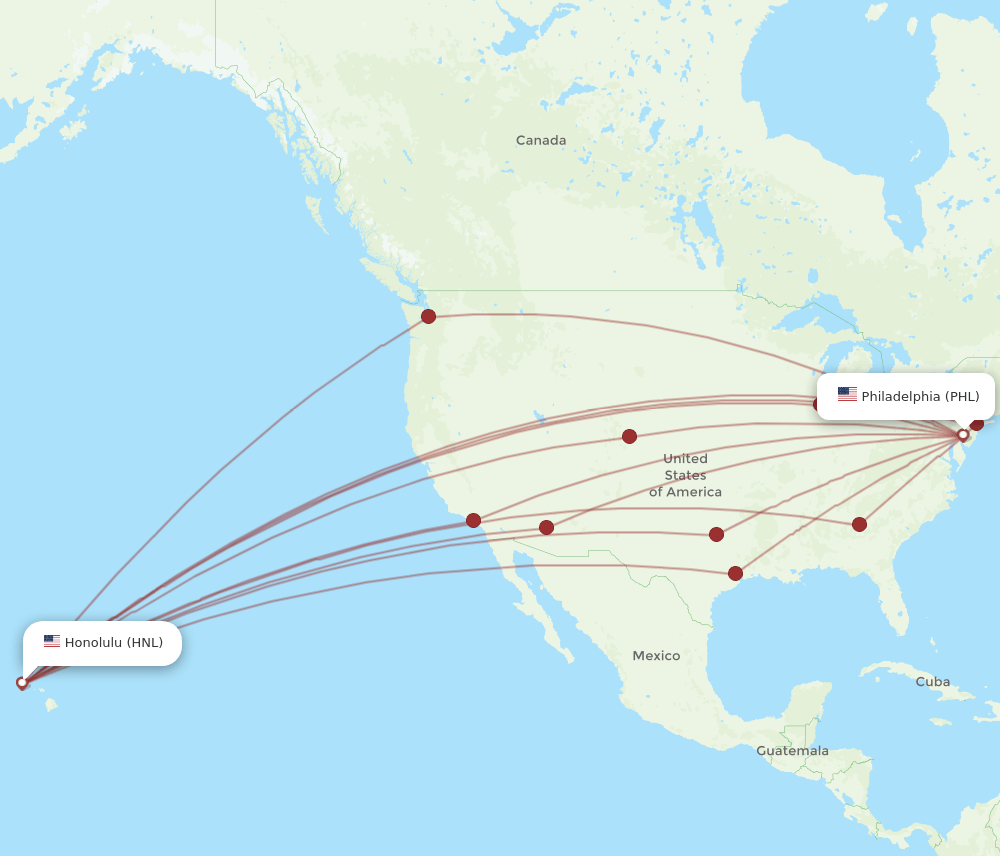
The sheer distance between Philadelphia and Hawaii makes a direct flight an logistical challenge that most airlines currently avoid. Flying across the entire United States before embarking on the long Pacific leg requires significant fuel capacity, specialized aircraft, and consistent demand that justifies such a route.
Why Direct Flights Are Rare (or Non-Existent)
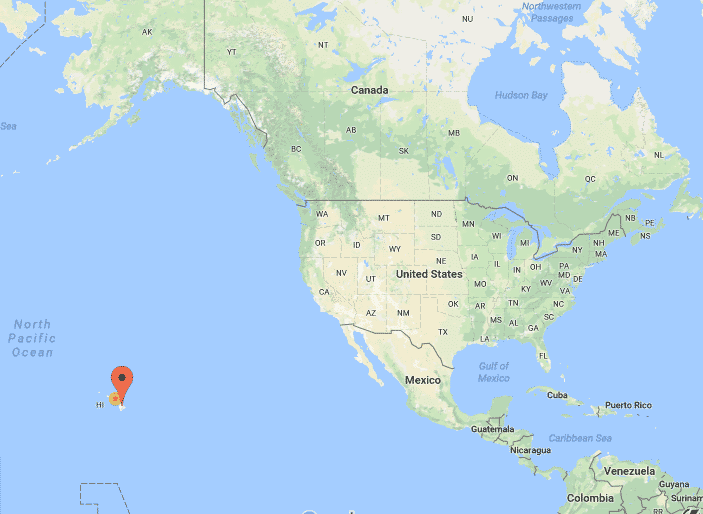
The primary reason for the absence of direct flights from Philadelphia to Hawaii is the geographical distance. Philadelphia is situated on the East Coast, roughly 4,800 to 5,000 miles (approximately 7,700 to 8,000 kilometers) from the Hawaiian Islands, depending on the specific destination island. This distance is at the upper limit for many commercial aircraft for non-stop service, especially considering the usual passenger load and cargo.
Airlines typically structure their routes around major hub cities to maximize efficiency and passenger connections. For flights to Hawaii from the East Coast, it’s far more economical and practical for airlines to route passengers through their West Coast hubs. This strategy allows them to consolidate passengers from various East Coast cities onto larger, often wide-body aircraft for the trans-Pacific leg, ensuring higher load factors and better profitability. The demand from Philadelphia alone for a daily non-stop flight to Hawaii is not consistently strong enough to warrant such an investment compared to routing through established hubs like Los Angeles or San Francisco.
Typical Flight Path Considerations
When flying from the East Coast to Hawaii, the flight path generally involves two distinct segments. The first segment crosses the continental United States, typically heading west to a major hub on the West Coast. This part of the journey can take anywhere from 4.5 to 6 hours, depending on the specific hub chosen and weather conditions. The second segment, from the West Coast hub to Hawaii, is over the Pacific Ocean and usually ranges from 5.5 to 6.5 hours. While these segments represent the actual flight time, the total travel time is significantly extended by layovers, which can vary from a quick 1-hour connection to an overnight stay.
Understanding Connecting Flight Durations
Given the lack of direct flights, travelers from Philadelphia must factor in connecting flights. The duration of these flights, coupled with the layover time, will determine your total travel experience.
Key Hub Cities for Hawaii-Bound Travelers
Most flights from Philadelphia to Hawaii will involve a connection in one of several major United States airport hubs. These hubs are strategically located to serve as gateways to the Pacific. Common connecting cities on the West Coast include:
- Los Angeles (LAX): A major gateway for Hawaii flights, offering numerous daily departures to all major Hawaiian Islands.
- San Francisco (SFO): Another popular hub with extensive service to Hawaii.
- Seattle (SEA): A key hub for Alaska Airlines, offering many Hawaii routes.
Beyond the West Coast, some flights might connect through major inland hubs, particularly if you are flying with specific airlines:
- Dallas (DFW): A major hub for American Airlines.
- Houston (IAH): A primary hub for United Airlines.
- Chicago (ORD): A large hub for both United Airlines and American Airlines, though this often adds extra flight time.
- Denver (DEN): Another United Airlines hub that can offer connections, though it’s less direct than a coastal hub.
- Phoenix (PHX): A hub for American Airlines and Southwest Airlines.
Choosing a flight through a West Coast hub generally provides the most direct and efficient routing for the second leg of the journey.
Estimating Total Travel Time with Layovers
The total travel time from Philadelphia to Hawaii can range significantly based on the chosen connection. Here’s a breakdown:
- Flight 1 (PHL to West Coast Hub): Approximately 4.5 to 6 hours.
- Layover: This is the variable component. It can be as short as 1-2 hours for a tight connection or extend to 4-6 hours (or more) for a more relaxed transfer, or even an overnight stay. Airlines generally recommend at least 2 hours for international connections, but for domestic, 1.5-2 hours is usually sufficient if the airports are efficient and you don’t need to change terminals significantly.
- Flight 2 (West Coast Hub to Hawaii): Approximately 5.5 to 6.5 hours.
Adding these segments together:
- Minimum Total Travel Time (optimized, short layover): 4.5 hours (PHL-LAX) + 1.5 hours (Layover) + 5.5 hours (LAX-HNL) = 11.5 hours.
- Average Total Travel Time: Expect something closer to 13-16 hours with a more typical layover of 3-4 hours.
- Longer Total Travel Time (multiple stops or long layover): Some itineraries, especially those with more than one stop or extended layovers, can push the total travel time to 18-20+ hours.
It’s crucial to remember that these are gate-to-gate times. Factor in time for security, boarding, taxiing, and deplaning, which can add another 1-2 hours to your overall airport experience.
Airline Choices and Route Variations
Several major airlines offer flights from Philadelphia to Hawaii with connections:
- American Airlines: Often routes through its hubs in Dallas (DFW), Phoenix (PHX), or Los Angeles (LAX).
- United Airlines: Typically connects via Houston (IAH), Chicago (ORD), Denver (DEN), Los Angeles (LAX), or San Francisco (SFO).
- Delta Air Lines: Routes often go through Atlanta (ATL), Salt Lake City (SLC), Seattle (SEA), or Los Angeles (LAX).
- Southwest Airlines: Offers connections through various cities, including Phoenix (PHX), Las Vegas (LAS), Oakland (OAK), or Sacramento (SMF) to Hawaii.
- Alaska Airlines: While not directly from Philadelphia, connecting through their major hub in Seattle (SEA) is a popular option if you combine flights.
- Hawaiian Airlines: Primarily operates direct flights from several West Coast cities to Hawaii. You would typically fly another carrier from Philadelphia to a West Coast city like Los Angeles or San Francisco and then connect to Hawaiian Airlines for the final leg.
When booking, pay close attention to the specific layover times and locations to ensure a smooth transition and minimize stress.
Factors Influencing Flight Duration
Beyond the obvious distance and layovers, several other variables can subtly, or significantly, alter your total travel time from Philadelphia to Hawaii.
Aircraft Type and Speed
The type of aircraft plays a role in flight speed and range. Modern wide-body jets, such as the Boeing 787 Dreamliner or Airbus A330/A350, used for the longer trans-Pacific segments, are designed for efficiency and speed over long distances. Narrow-body jets like the Boeing 737 or Airbus A320, often used for the Philadelphia to West Coast leg, have different cruising speeds and capabilities. While the difference in cruising speed between commercial aircraft types isn’t vast, it can contribute to a few minutes or even an hour difference over such long distances.
Weather Conditions and Jet Streams
Weather is a significant, unpredictable factor. Headwinds, especially when flying west, can slow an aircraft down, increasing flight time. Conversely, strong tailwinds, often encountered when flying east, can shorten the journey. The jet stream, a band of strong winds high in the atmosphere, is particularly influential. Flights heading west from the United States to Hawaii often contend with headwinds, while flights returning to the mainland benefit from tailwinds, making the return journey generally shorter. Severe weather events can also lead to rerouting, adding both distance and time to the flight.
Air Traffic Control and Gate Delays
Operational factors like air traffic control (ATC) congestion, ground delays, and gate availability can impact overall travel time. Busy airports, especially major hubs, can experience delays for take-off or landing. ATC might also assign longer flight paths to manage crowded airspace. Minor delays here and there can quickly accumulate, especially with connecting flights, potentially causing missed connections if the layover is too short. It’s not uncommon for flights to depart or arrive a bit later than scheduled due to these everyday operational challenges.
Optimizing Your Long-Haul Journey
A long flight to Hawaii from Philadelphia requires careful planning to ensure maximum comfort and minimize the effects of travel fatigue.
Choosing the Right Layover
The ideal layover length is subjective. For some, a tight 1.5-hour connection is preferable to minimize overall travel time, assuming the flights are on time. For others, a 3-4 hour layover offers enough time to decompress, grab a meal, or even explore the airport’s amenities without feeling rushed. Consider the specific connecting airport; some are more spread out than others, making tight connections riskier. If you have significant baggage or require assistance, allow extra time. An overnight layover, while adding a full day to your journey, can be a strategic choice for breaking up the travel, allowing for a good night’s sleep in a hotel near the airport, and arriving in Hawaii refreshed.
In-Flight Comfort Strategies
With total travel times often exceeding 12-15 hours, comfort on board is paramount.
- Dress in layers: Cabin temperatures can fluctuate.
- Stay hydrated: Drink plenty of water and limit caffeine and alcohol.
- Move frequently: Stand up, stretch, and walk the aisles every few hours to prevent stiffness and reduce the risk of deep vein thrombosis.
- Bring entertainment: Load up your devices with movies, TV shows, podcasts, or books. Many airlines offer extensive in-flight entertainment, but having your own backup is wise.
- Comfort items: A neck pillow, eye mask, and noise-canceling headphones can make a world of difference for sleeping or relaxing.
- Snacks: While airlines provide meals, having your favorite healthy snacks can keep hunger at bay and avoid reliance on airplane food.
Battling Jet Lag
Crossing multiple time zones from Philadelphia to [Hawaii](https://lifeoutofthebox.com/hawaii] (which observes Hawaii Standard Time and does not use daylight saving) means you’ll be adjusting to a significant time difference (typically 5-6 hours behind Eastern Standard Time depending on daylight saving).
- Adjust before you go: Gradually shift your sleep schedule a few days before departure.
- Hydrate: As mentioned, this is key for overall well-being.
- Expose yourself to natural light: Upon arrival, seek out sunlight during the day to help reset your internal clock.
- Stay active: Gentle exercise can help.
- Eat light: Avoid heavy meals, especially close to bedtime.
- Resist naps (if possible): Try to stay awake until a reasonable local bedtime, even if you’re tired, to help your body adapt more quickly.
In conclusion, while the journey from Philadelphia to Hawaii is a long one, averaging between 11.5 to 16 hours of total travel time with connections, proper planning and attention to comfort can make it a smooth and exciting prelude to your tropical escape. By understanding the flight dynamics and preparing for the journey, you’ll be well on your way to enjoying the aloha spirit of the Hawaiian Islands.
LifeOutOfTheBox is a participant in the Amazon Services LLC Associates Program, an affiliate advertising program designed to provide a means for sites to earn advertising fees by advertising and linking to Amazon.com. Amazon, the Amazon logo, AmazonSupply, and the AmazonSupply logo are trademarks of Amazon.com, Inc. or its affiliates. As an Amazon Associate we earn affiliate commissions from qualifying purchases.