
The question “How many islands is Hawaii?” might seem straightforward, but its answer unveils a deeper understanding of this iconic Pacific destination. For travelers planning an escape to paradise, grasping the true scale of the Hawaiian archipelago is crucial, as it profoundly impacts how one envisions and organizes their journey. Beyond the glossy brochures featuring a handful of famous islands, Hawaii is a sprawling chain of diverse landmasses, each with its own character, history, and allure. Understanding this intricate geography is the first step toward crafting an unforgettable Hawaiian experience.
The Archipelagic Truth: Beyond the Famous Eight
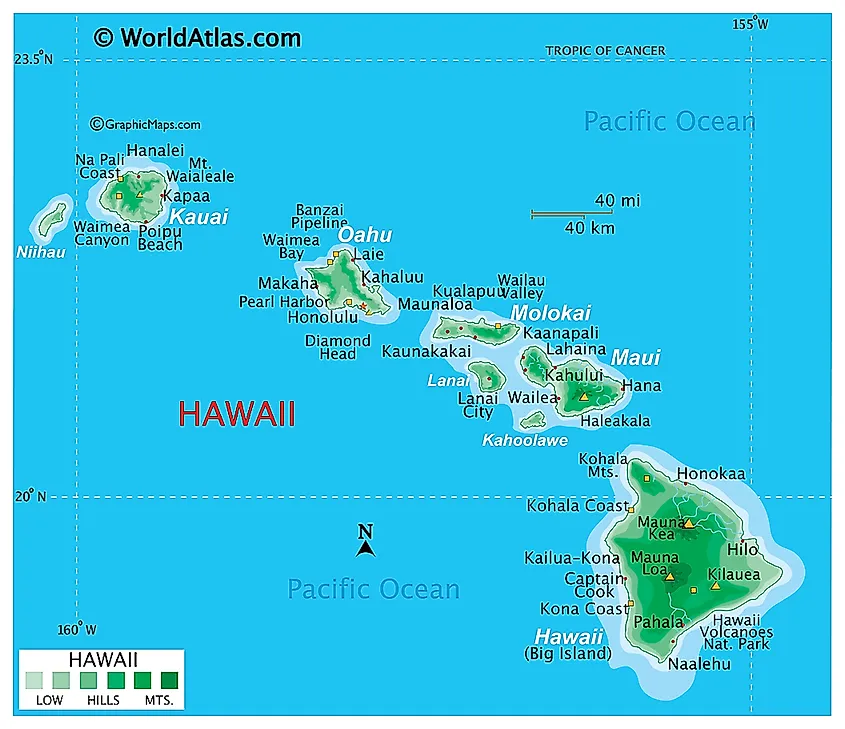
While many envision Hawaii as a collection of a few major islands, the reality is far more expansive. The state of Hawaii is actually an archipelago comprising hundreds of islands, islets, and atolls stretching over 1,500 miles across the central Pacific Ocean. This vast chain is divided into two primary sections: the Main Hawaiian Islands to the southeast and the Northwestern Hawaiian Islands (also known as the Leeward Islands) to the northwest.
Defining “Island” in the Hawaiian Context
The definition of “island” is key to understanding the varying counts. Geologically, an island is any piece of subcontinental land that is surrounded by water. Within the Hawaiian chain, this includes everything from the towering volcanic peaks of the main islands to tiny, remote rock formations barely breaking the surface of the ocean. The distinction typically made for travelers, however, revolves around the larger, inhabited islands that form the cultural and economic heart of the state.
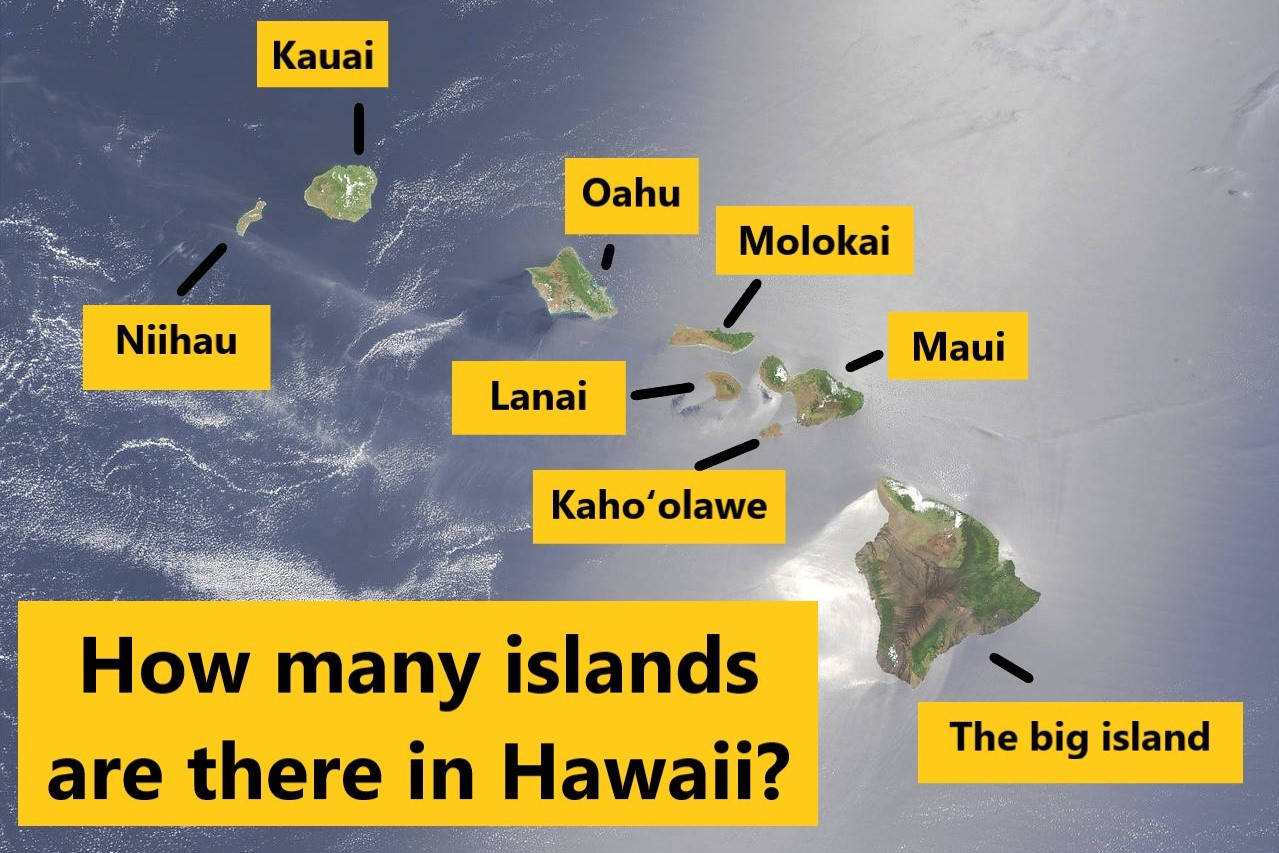
When most people ask about the number of Hawaiian islands, they are usually referring to the eight major islands that comprise the bulk of the landmass and population. These include Hawai’i (often called the Big Island), Maui, O’ahu, Kaua’i, Moloka’i, Lana’i, Ni’ihau, and Kaho’olawe. Beyond these eight, the Northwestern Hawaiian Islands are largely uninhabited, protected wildlife refuges, and much smaller in size, comprising dozens of atolls, reefs, and rocky islets that extend far northwest towards Midway Atoll. While vital ecologically, these smaller, more distant landmasses are not typically part of a tourist itinerary.
The Main Hawaiian Islands: A Traveler’s Primary Focus
For travelers, the focus narrows considerably to the six most commonly visited and accessible islands. While there are technically eight main islands, Ni’ihau is privately owned with extremely limited access, and Kaho’olawe is uninhabited, used historically as a military training ground, and is now undergoing extensive restoration efforts, making it off-limits to general tourism. This leaves six primary islands for visitors to explore, each offering a unique slice of Hawaiian paradise:
- O’ahu: The bustling “Gathering Place”
- Maui: The luxurious “Valley Isle”
- Hawai’i (The Big Island): The geologically diverse “Orchid Isle” or “Volcano Isle”
- Kaua’i: The verdant “Garden Isle”
- Moloka’i: The authentic “Friendly Isle”
- Lana’i: The secluded “Pineapple Isle”
These six islands collectively offer the full spectrum of Hawaiian experiences, from vibrant city life and historical sites to pristine beaches, lush rainforests, and active volcanoes.
The Big Six: An Overview for Travelers
Each of Hawaii’s accessible islands presents a distinct personality, catering to different traveler preferences. Understanding these nuances is essential for planning an itinerary that aligns with your desired type of vacation.
O’ahu: The Gathering Place
O’ahu is the most populous and developed island, serving as the gateway to Hawaii for most international travelers. Its appeal lies in its dynamic blend of urban sophistication and natural beauty. Visitors flock to Waikiki Beach for its iconic crescent of sand, high-end resorts, and vibrant nightlife. History enthusiasts are drawn to Pearl Harbor, a poignant reminder of World War II. The island’s capital, Honolulu, offers world-class dining, shopping, and cultural attractions, including the Iolani Palace, the only official residence of royalty in the United States. Beyond the city, O’ahu boasts legendary North Shore surf breaks, scenic hiking trails to landmarks like Diamond Head, and the tranquil beauty of the Byodo-In Temple. It’s the ideal choice for first-time visitors or those seeking a lively, amenity-rich experience.
Maui: The Valley Isle
Maui is synonymous with luxury and romance, making it a favorite for honeymooners and those seeking a more upscale, relaxed vibe. The island is famed for its stunning landscapes, from the serene beaches of Ka’anapali and Wailea to the dramatic cliffs and waterfalls along the scenic Road to Hana. A highlight for many is witnessing the sunrise or sunset from the summit of Haleakala National Park, a dormant volcano whose crater resembles a lunar landscape. Maui is also a premier destination for whale watching during the winter months, offering unparalleled opportunities to see humpback whales. Its diverse terrain supports everything from championship golf courses to winding hiking trails through lush valleys.
Hawai’i (The Big Island): Diverse Landscapes
The Big Island lives up to its name, being larger than all the other Hawaiian islands combined. Its vastness translates into incredible geological diversity, boasting 11 of the world’s 13 climate zones. This is the place to witness active volcanism at Hawaii Volcanoes National Park, where visitors can often see glowing lava flows and steaming vents. Beyond the volcanic wonders, the island offers everything from snow-capped peaks of Mauna Kea (home to world-class observatories) to lush rainforests, black sand beaches like Punalu’u, and the famous Kona coffee farms. The Big Island appeals to adventure seekers, nature lovers, and those keen to explore Hawaii’s raw, untamed power.
Kaua’i: The Garden Isle

Kaua’i is arguably the most verdant and dramatically beautiful of the islands, earning its moniker “The Garden Isle” from its extensive rainforests and lush valleys. It’s a haven for outdoor enthusiasts, offering unparalleled hiking, kayaking, and helicopter tours. The majestic Na Pali Coast, with its towering emerald cliffs and secluded beaches, is a sight to behold and often considered one of the most beautiful coastlines in the world. Other natural wonders include Waimea Canyon, often called the “Grand Canyon of the Pacific,” and the stunning beaches of Po’ipu. Kaua’i provides a tranquil escape, perfect for those seeking active adventure amidst breathtaking natural scenery.
Moloka’i & Lana’i: Authentic & Exclusive Experiences
For travelers looking to step off the beaten path, Moloka’i and Lana’i offer profoundly different, yet equally captivating, experiences. Moloka’i, the “Friendly Isle,” remains deeply connected to its Hawaiian heritage, boasting the highest percentage of Native Hawaiians. It’s a place of quiet beauty, where towering sea cliffs, pristine Kalaupapa National Historical Park, and a relaxed pace of life define the experience. Moloka’i is for those who value cultural immersion, rugged natural beauty, and a complete break from commercial tourism.
Lana’i, once a pineapple plantation island, has transformed into a luxurious, exclusive retreat. With two world-class Four Seasons resorts, championship golf courses, and opportunities for off-roading to secluded spots like Shipwreck Beach or the Garden of the Gods, Lana’i caters to those seeking privacy, high-end amenities, and an intimate encounter with nature. Both Moloka’i and Lana’i represent unique niches within the Hawaiian travel landscape, offering distinct appeals for discerning visitors.
Planning Your Multi-Island Hawaiian Adventure
The existence of multiple distinct islands opens up a world of possibilities for travelers. Instead of just visiting “Hawaii,” you’re designing an adventure across a vibrant archipelago.
Inter-Island Travel: Getting Around
Exploring more than one island is a popular option and surprisingly straightforward. The primary mode of inter-island travel is by short flights, typically 20-45 minutes in duration, offered by local carriers like Hawaiian Airlines and Mokulele Airlines. While efficient, these flights require time for check-in and security, making careful scheduling essential. A ferry service also connects Maui to Lana’i and, less frequently, to Moloka’i, offering a scenic alternative for those specific routes. When planning, factor in not just flight times, but also transfer times to and from airports and the cost of inter-island flights, which can add up.
Choosing Your Islands: Tailoring the Experience
Deciding which islands to visit depends entirely on your interests, budget, and the duration of your trip.
- For first-timers or short trips (5-7 days): Focus on one or two islands, typically O’ahu (Honolulu) and Maui, or O’ahu and Kaua’i. This allows enough time to truly immerse yourself without feeling rushed.
- For longer trips (10-14 days): Three islands are often manageable, combining popular choices like O’ahu, Maui, and the Big Island, or perhaps Kaua’i with Maui for nature lovers.
- For specialized interests: If you seek ultimate seclusion, consider Lana’i or Moloka’i as a standalone trip or an add-on to a main island visit, but be prepared for fewer amenities and a different pace.
Researching each island’s primary attractions, climate, and overall atmosphere will guide your selection process. Do you crave vibrant city life or serene natural beauty? Volcanic exploration or pristine beaches? Hawaii offers it all, spread across its distinct islands.
Maximizing Your Trip: Logistics and Tips
Successful multi-island travel requires careful planning. Book accommodations and inter-island flights well in advance, especially during peak seasons. Renting a car on each island is highly recommended for flexibility and exploration, as public transportation options are limited outside of O’ahu. Pack versatile clothing suitable for various climates and activities, from beachwear to hiking gear, and perhaps a light jacket for higher elevations. Most importantly, embrace the spirit of aloha, respect local customs, and remember that each island, while part of the same state, offers a profoundly distinct journey. Allow time for seamless transitions between islands, ensuring your vacation feels like a leisurely exploration rather than a frantic dash.
The Deeper Significance: Beyond the Numbers
The question of “how many islands” extends beyond mere geography; it touches upon the very essence of what makes Hawaii such a captivating destination. The diversity inherent in its archipelagic structure enriches the travel experience in myriad ways.
Ecological Diversity Across the Archipelago
The geographical isolation and varied topographies of the individual islands have fostered an astonishing degree of endemic species and unique ecosystems. From the arid volcanic landscapes of the Big Island to the lush, rainforest-clad mountains of Kaua’i, and the vibrant coral reefs surrounding them all, each island is a micro-world. For eco-tourists and nature enthusiasts, this means unparalleled opportunities to encounter distinct flora and fauna, explore diverse hiking trails, and witness breathtaking natural phenomena that vary significantly from one island to the next. This ecological tapestry is a major draw for travelers seeking more than just sun and sand.
Cultural Nuances and Local Experiences
While sharing a common Hawaiian heritage, each island has also developed its own distinct cultural identity, influenced by its history, demographics, and primary industries. Moloka’i, for instance, offers a glimpse into a more traditional Hawaiian way of life, while O’ahu showcases a dynamic fusion of global and local cultures. Maui balances its tourism with strong agricultural roots, and the Big Island’s sprawling nature fosters a different rhythm of life. For the inquisitive traveler, exploring multiple islands offers a richer, more nuanced understanding of Hawaiian culture, allowing them to engage with different local communities, taste diverse culinary traditions, and experience the subtle variations in music, art, and storytelling that thrive across this incredible chain of islands.
In conclusion, while the simple answer to “How many islands is Hawaii?” might be eight major ones, or hundreds including the smaller formations, the practical reality for most travelers focuses on the six accessible and distinct main islands. Each offers a unique window into the beauty, culture, and adventure that define this extraordinary state. By understanding this intricate geography, travelers can strategically plan an itinerary that maximizes their Hawaiian journey, ensuring a vacation as diverse and vibrant as the islands themselves.
LifeOutOfTheBox is a participant in the Amazon Services LLC Associates Program, an affiliate advertising program designed to provide a means for sites to earn advertising fees by advertising and linking to Amazon.com. Amazon, the Amazon logo, AmazonSupply, and the AmazonSupply logo are trademarks of Amazon.com, Inc. or its affiliates. As an Amazon Associate we earn affiliate commissions from qualifying purchases.