
Understanding the demographic landscape of a destination is fundamental to appreciating its unique character, planning a visit, and engaging with its culture responsibly. For an archipelago as iconic and diverse as Hawaii, knowing “how many people” isn’t merely a statistic; it’s a gateway to comprehending its vibrant communities, the pressures on its natural resources, and the dynamics that shape the visitor experience. Far from being just a number, the resident population of the Aloha State influences everything from local infrastructure to cultural preservation, offering profound insights for any traveler.
Hawaii’s Demographic Tapestry: A Snapshot
The Hawaiian Islands are home to a truly unique and evolving population. While often perceived as a tranquil paradise, behind the postcard-perfect scenes lies a complex and dynamic society. The distribution and characteristics of its residents are critical components of what makes Hawaii such a compelling place to explore.
The Latest Population Figures
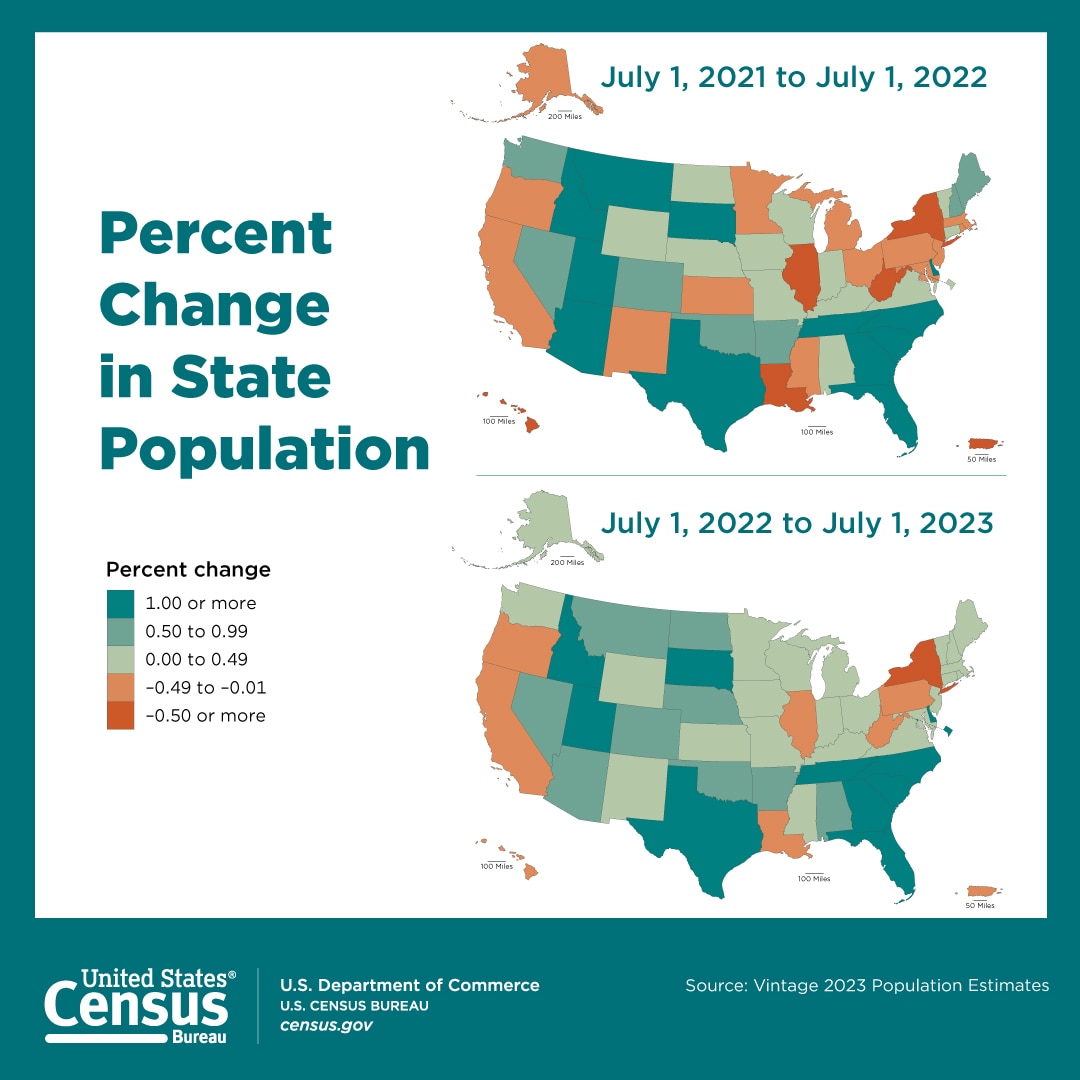
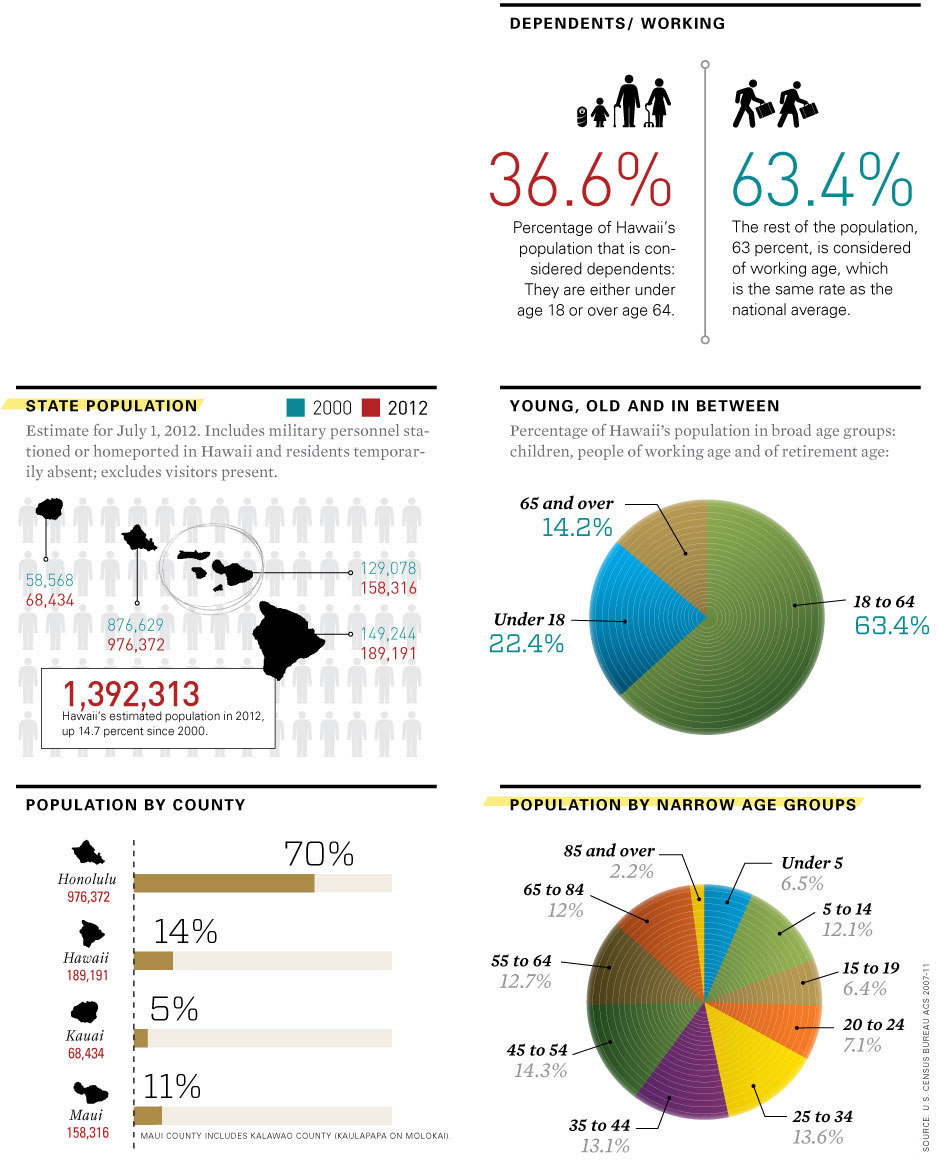
While exact real-time figures fluctuate, the resident population of Hawaii generally hovers around 1.4 to 1.5 million people. This relatively modest number, when spread across the major islands, paints a picture of a state that, despite its global appeal, maintains a sense of community and local identity. The vast majority of these residents live on the four main islands open to tourism: Oahu, Maui, Hawaii Island (often called the Big Island), and Kauai. The less populated islands of Molokai and Lanai contribute a smaller but equally significant part to the state’s overall population, each with its distinct character and community spirit.
Oahu, often dubbed “The Gathering Place,” is by far the most populous, accounting for roughly two-thirds of the state’s total residents. This concentration is largely due to Honolulu, the state capital and its largest city, which serves as the economic and cultural hub. The remaining islands, while less densely populated, each host thriving communities that contribute to Hawaii’s diverse socio-economic fabric.
Urban vs. Rural Dynamics
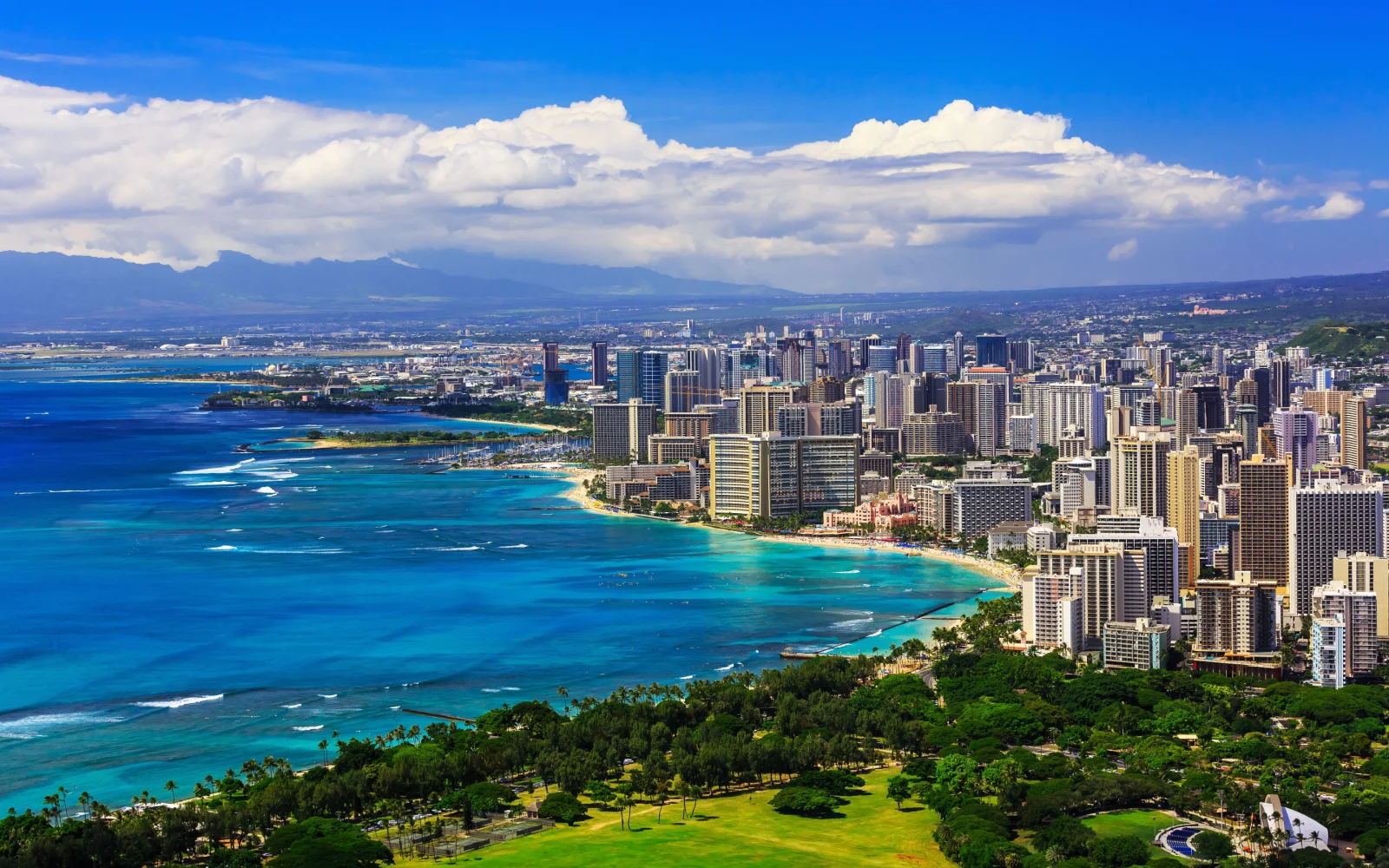
The population distribution across Hawaii is marked by significant urban-rural contrasts. Oahu is predominantly urbanized, with Honolulu and its surrounding areas forming a bustling metropolis. Here, one finds a vibrant city life with high-rises, extensive transportation networks, and a fast-paced environment that contrasts sharply with the images of pristine beaches and lush valleys. Iconic areas like Waikiki Beach are surrounded by residential towers and commercial centers, reflecting the density of human activity.
In stark contrast, islands like Kauai and large portions of Hawaii Island and Maui retain a more rural, laid-back atmosphere. Towns like Kailua-Kona or Hilo on Hawaii Island, Kahului on Maui, or Lihue on Kauai serve as regional centers, but the majority of the land is dedicated to agriculture, natural conservation, and residential areas that blend seamlessly with the landscape. This duality between urban intensity and rural tranquility offers travelers a broad spectrum of experiences, from the cosmopolitan energy of Honolulu to the serene landscapes of the outer islands.
The Significance of Diversity
Hawaii’s population is renowned for its incredible ethnic and cultural diversity. Historically a melting pot of indigenous Polynesians, American missionaries, and immigrants from China, Japan, the Philippines, Portugal, and other parts of the world who came to work on sugar and pineapple plantations, the islands boast a truly multicultural society. This rich heritage is reflected in everything from the local cuisine and language to traditions and festivals. Understanding this diversity is crucial for any traveler seeking to delve deeper than the surface-level attractions. It means encountering a tapestry of cultures, each contributing to the unique “local” identity, and offers endless opportunities for cultural immersion and learning.
The Influence of Population on Travel Experience
The number of people residing in Hawaii, coupled with the influx of millions of visitors annually, profoundly shapes the travel experience. It influences everything from the availability of services to the atmosphere of popular sites.
Managing Crowds and Preserving Serenity
With a significant resident population concentrated on certain islands and popular spots, coupled with a thriving tourism industry, managing crowds is a perennial concern. Iconic destinations like Diamond Head or Pearl Harbor on Oahu can experience high visitor numbers, especially during peak seasons. Similarly, popular beaches and hiking trails across the islands might feel bustling. For travelers seeking solitude, understanding population distribution and peak times is key. The less populated islands or less frequented areas on the main islands often offer more opportunities for serene experiences, away from the main tourist flows. This doesn’t mean avoiding popular spots, but rather approaching them with an awareness of potential crowds and perhaps planning visits during off-peak hours.
Infrastructure and Accessibility
The resident population directly impacts the development and strain on Hawaii’s infrastructure. On Oahu, for instance, the extensive network of roads, public transportation, and utilities are designed to support a large urban population. This means better accessibility and a wider range of services, but also potential traffic congestion, particularly in and around Honolulu. On the other hand, the outer islands, with their smaller populations, may have more limited infrastructure, which can translate to fewer roads, fewer public transport options, and a slower pace of life, often requiring rental cars for exploration. Travelers need to consider this when planning transportation and activities, especially if aiming to visit more remote areas.
Economic Impact and Local Livelihoods
Tourism is the largest single contributor to Hawaii’s economy, supporting a vast portion of its resident population. Hotels, restaurants, tour operators (e.g., Maui Pineapple Tour), and retail businesses directly employ a significant percentage of locals. This economic reliance means that visitor spending directly supports the livelihoods of many Hawaii residents. However, it also means that economic downturns affecting tourism can have a magnified impact on the local populace. Travelers choosing to support local businesses, especially those outside of major chains, can directly contribute to the well-being of the communities they visit.
Understanding Resident-Tourist Dynamics
The sheer volume of visitors compared to the resident population inevitably creates a dynamic tension that travelers should be mindful of. Respectful and informed engagement is key to a meaningful experience for both visitors and locals.
Navigating Cultural Sensitivity
With its diverse heritage and strong local identity, Hawaii fosters a deep sense of place and culture. The local population cherishes its “aloha spirit,” which embodies love, peace, and compassion, but also expects respect for their land, traditions, and way of life. This means being mindful of local customs, such as removing shoes before entering homes, being polite and patient, and understanding the significance of sacred sites. Travelers who take the time to learn a few Hawaiian phrases or research local etiquette will find a warmer reception and a richer experience. Engaging with the local culture, rather than simply consuming it, transforms a trip from a mere vacation into an immersive journey.
Supporting Local Communities
The growth of tourism can sometimes lead to increased living costs and strain on resources for local residents. Responsible travelers can help mitigate these impacts by consciously choosing to support local businesses. Dining at local eateries, purchasing crafts from local artisans, and booking tours with Hawaii-owned and operated companies ensures that tourism dollars circulate within the community. This directly benefits the resident population, strengthens local economies, and helps preserve the unique character of the islands. It also often leads to more authentic experiences, as local operators are passionate about sharing their home in a genuine way.
The Challenge of Sustainable Tourism
The balance between accommodating visitors and protecting the natural environment and quality of life for residents is an ongoing challenge in Hawaii. The state’s finite resources, from fresh water to pristine beaches, are shared between residents and tourists. Over-tourism can lead to environmental degradation, traffic congestion, and a loss of local charm. Travelers committed to sustainable practices—such as minimizing waste, conserving water, respecting marine life, and adhering to trail guidelines (e.g., at Hawaii Volcanoes National Park or Waimea Canyon)—play a crucial role in ensuring Hawaii remains a paradise for generations to come, for both its people and its visitors.
Planning Your Trip: Leveraging Population Insights
Understanding Hawaii’s population distribution and dynamics can significantly enhance your travel planning, allowing you to tailor your trip for optimal enjoyment and responsible engagement.
Best Times to Visit for Optimal Crowds
If avoiding crowds is a priority, consider traveling during the shoulder seasons (April-May and September-November), when visitor numbers tend to be lower than the peak winter and summer months. During these times, you’ll still enjoy fantastic weather but with fewer people at popular attractions and potentially better deals on flights and accommodations. This insight is directly related to how the resident population manages and experiences the ebb and flow of tourist arrivals.
Exploring Beyond the Main Hubs
While Honolulu and Waikiki Beach are undeniably iconic, venturing beyond these main hubs offers a different perspective. Explore the North Shore of Oahu for a glimpse into surf culture, or delve into the upcountry areas of Maui for rolling pastures and unique local agriculture. The less-visited islands of Molokai and Lanai offer profoundly authentic experiences, showcasing local life with minimal tourist infrastructure. These areas, with their smaller resident populations, provide a sense of timeless Hawaii and allow for a deeper connection with the land and its people.
Engaging Respectfully with Locals
Ultimately, a trip to Hawaii is enriched by respectful interaction with its residents. Acknowledging the population that calls these islands home means moving beyond the perception of Hawaii as merely a vacation spot. It involves actively listening, learning, and participating in a way that contributes positively to the communities. Simple acts like greeting locals with “Aloha” or “Mahalo” (thank you), being patient in traffic, or understanding that residents are living their daily lives around tourist activities can make a significant difference. Your presence as a traveler is an interaction with a living, breathing community.
The Future of Hawaii’s Population and Tourism
The future trajectory of Hawaii’s population, coupled with ongoing discussions about the sustainability of its tourism model, will continue to shape the islands for decades to come.
Projections and Challenges
Like many places, Hawaii faces demographic shifts, including an aging population and the migration of younger generations due to the high cost of living. These factors, alongside climate change impacts and the ongoing need for economic diversification, present complex challenges for the state. Understanding these challenges provides context for the conversations about tourism’s role and its impact on resident quality of life. The ideal scenario involves a careful balancing act where economic prosperity from tourism coexists with cultural preservation and environmental protection for the resident population.
The Role of Responsible Travel
As Hawaii navigates its future, the individual choices of travelers become increasingly important. Responsible travel means more than just adhering to rules; it’s about actively contributing to the well-being of the destination and its people. By being mindful of your environmental footprint, supporting local businesses, respecting local culture, and choosing to learn about the islands beyond their surface beauty, you become part of the solution. The number of people in Hawaii is more than just a census figure; it represents the heart and soul of the islands, and engaging with that reality enriches the journey for everyone.
LifeOutOfTheBox is a participant in the Amazon Services LLC Associates Program, an affiliate advertising program designed to provide a means for sites to earn advertising fees by advertising and linking to Amazon.com. Amazon, the Amazon logo, AmazonSupply, and the AmazonSupply logo are trademarks of Amazon.com, Inc. or its affiliates. As an Amazon Associate we earn affiliate commissions from qualifying purchases.