
The allure of [Hawaii] is undeniable. With its pristine beaches, volcanic landscapes, vibrant culture, and the promise of endless sunshine, it remains a top dream destination for travelers worldwide. But before you can feel the warm sand between your toes or witness a breathtaking sunset over the Pacific, there’s a crucial first step: securing your round trip plane tickets. The question, “How much are round trip plane tickets to Hawaii?” is not simple; it’s a dynamic equation influenced by numerous variables, making price discovery an art as much as a science. Understanding these factors is key to unlocking an affordable Hawaiian getaway.
Understanding the Dynamics of Airfare to Hawaii
The cost of air travel is rarely static. It fluctuates based on demand, seasonality, airline competition, and even the day of the week you search. For a destination as popular as [Hawaii], these dynamics are particularly pronounced, as airlines continuously adjust pricing to maximize revenue.
Key Factors Influencing Ticket Prices
Several pivotal elements determine the price you’ll pay for a flight to the Hawaiian Islands. Being aware of these can significantly impact your travel budget.
- Time of Year (Seasonality): This is perhaps the most significant factor. Peak travel seasons, such as late December through early January (holiday season), mid-June through August (summer vacation), and specific school breaks (like spring break), invariably see higher prices due to increased demand. During these times, round trip tickets can easily climb well into the $800–$1200+ range from the [United States] mainland, and even higher from more distant origins. Conversely, the shoulder seasons—typically April to May and September to November (excluding Thanksgiving week)—often present the best value. Demand is lower, weather is still excellent, and ticket prices can drop to $400–$700 from West Coast hubs. The absolute lowest fares are often found in late January/February (post-holiday slump) and late August/early September (post-summer vacation).
- Booking Window: When you book your flight matters almost as much as when you fly. Generally, booking too early (e.g., 9-12 months out) or too late (within a few weeks of departure) tends to be more expensive. The “sweet spot” for international flights (which [Hawaii] is often priced like, especially from the East Coast) is typically 2-6 months in advance. For domestic routes, it might be slightly closer, around 1.5-4 months. Airlines use complex algorithms, and booking within this window often allows you to catch sales and benefit from competitive pricing before last-minute demand drives prices up.
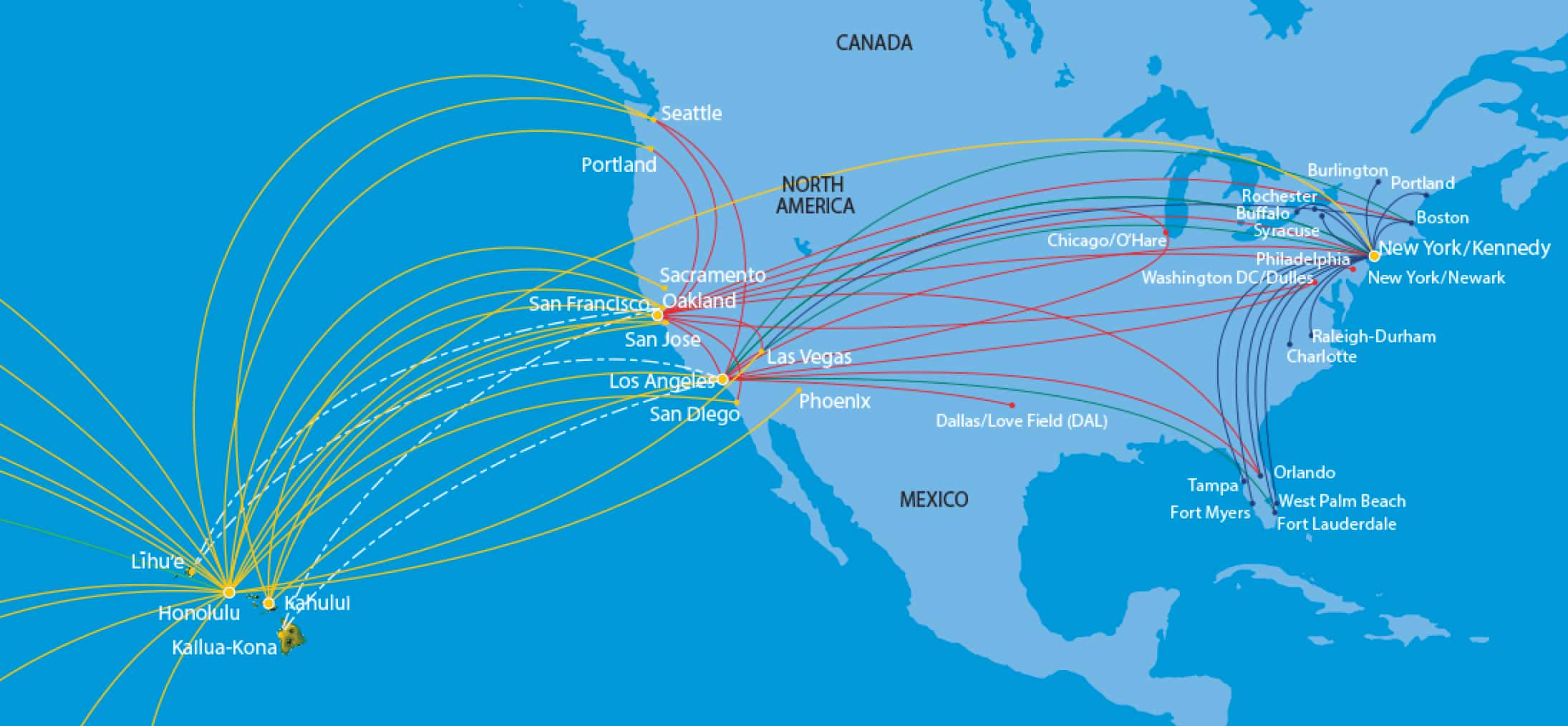
- Departure City: Your origin airport plays a massive role. Travelers departing from major West Coast hubs like [Los Angeles], [San Francisco], [Seattle], [Portland], and [San Diego] generally enjoy the shortest flight times and the most competitive pricing due to higher flight frequency and airline competition. Fares from these cities can frequently be found in the $300–$600 range during off-peak times. As you move eastward across the [United States], prices typically increase, and direct flight options diminish. Travelers from the Midwest (e.g., [Chicago], [Dallas], [Houston]) or East Coast (e.g., [New York], [Atlanta], [Miami]) will almost certainly face longer travel times, layovers, and higher costs, often starting from $600–$1000+ for round trip tickets.
- Airline Choice: The airline you choose can also impact the price. Full-service carriers like [Hawaiian Airlines], [United Airlines], [Delta Air Lines], and [American Airlines] often include checked baggage and in-flight amenities in their base fares, though they might appear more expensive initially. Budget-friendly airlines such as [Southwest Airlines] and [Alaska Airlines] frequently offer lower base fares but may charge extra for baggage, seat selection, and other services. Always calculate the total cost, including add-ons, to get a true comparison.
- Flexibility: Being flexible with your travel dates and even your arrival airport in [Hawaii] can yield significant savings. Flying mid-week (Tuesday, Wednesday, Thursday) is almost always cheaper than flying on weekends (Friday, Sunday). Similarly, choosing an early morning or late-night flight can sometimes shave off a few dollars.
- Travel Class: The vast majority of travelers fly economy, but options like Premium Economy, Business Class, and First Class exist for those willing to pay a premium for more space, enhanced service, and amenities. These tickets can range from two to ten times the cost of an economy fare.
Typical Price Ranges by Season
To give you a clearer picture, here’s a general breakdown of what you might expect for an economy round trip ticket from a major [United States] hub to [Honolulu International Airport] (the main gateway to [Oahu]):
- High Season (December – Early January, June – August, Spring Break): Expect $700 – $1,200+, especially from the East Coast. West Coast departures might find fares closer to $600 – $900.
- Shoulder Season (April – May, September – November excluding Thanksgiving): This is often the sweet spot. You can frequently find fares in the $450 – $800 range from the West Coast, and $650 – $950 from the Midwest/East Coast.
- Low Season (Late January – February, Early September – Mid-November): The best deals emerge here. West Coast fares can dip to $350 – $600, while Midwest/East Coast travelers might find tickets in the $550 – $850 range.
Keep in mind these are estimates, and exceptional sales or last-minute price drops can always occur, sometimes pushing prices even lower.
Strategies for Finding the Best Deals
Armed with knowledge about airfare dynamics, you can now employ proactive strategies to unearth the most economical flights to [Hawaii]. Finding cheap flights often requires patience, flexibility, and a smart approach to searching.
Leveraging Flight Comparison Tools
Modern travel technology has made finding and comparing flights easier than ever. These tools are indispensable for your search.
- Aggregators and Search Engines: Websites like [Google Flights], [Skyscanner], [Kayak], [Expedia], and [Priceline] allow you to compare prices across multiple airlines and online travel agencies simultaneously. [Google Flights] is particularly powerful for its calendar view, which highlights the cheapest dates to fly, and its map feature for exploring different Hawaiian airports. [Skyscanner] offers an “Everywhere” search function, though not as relevant for a specific destination like [Hawaii], it can show you the cheapest months to travel to a particular island.
- Price Alerts: Most flight comparison tools offer email alerts. Set up alerts for your desired route and dates, and you’ll be notified automatically when prices drop. This eliminates the need for constant manual checking and ensures you don’t miss a flash sale.
- Incognito Mode: While largely debated, some travelers swear by searching for flights in incognito or private browsing mode to prevent dynamic pricing adjustments based on your search history. It doesn’t hurt to try.
The Art of Timing Your Purchase
Booking at the right moment can be the difference between a good deal and a great one.
- The “Goldilocks Zone”: As mentioned, booking 2-6 months in advance is generally recommended. This allows you to avoid last-minute price hikes and capitalize on early bird specials.
- Best Days to Buy: Studies sometimes suggest that Tuesday, Wednesday, and Thursday afternoons are when airlines release sales or adjust prices, leading to slightly lower fares. However, the impact of the specific day of the week is less significant than the overall booking window and seasonality.
- Best Days to Fly: Flying on Tuesdays, Wednesdays, or Saturdays is typically cheaper than flying on high-demand Fridays and Sundays. Consider red-eye flights or very early morning departures for potential savings.
Considering Alternative Airports and Airlines
Sometimes, thinking outside the box can lead to substantial savings.
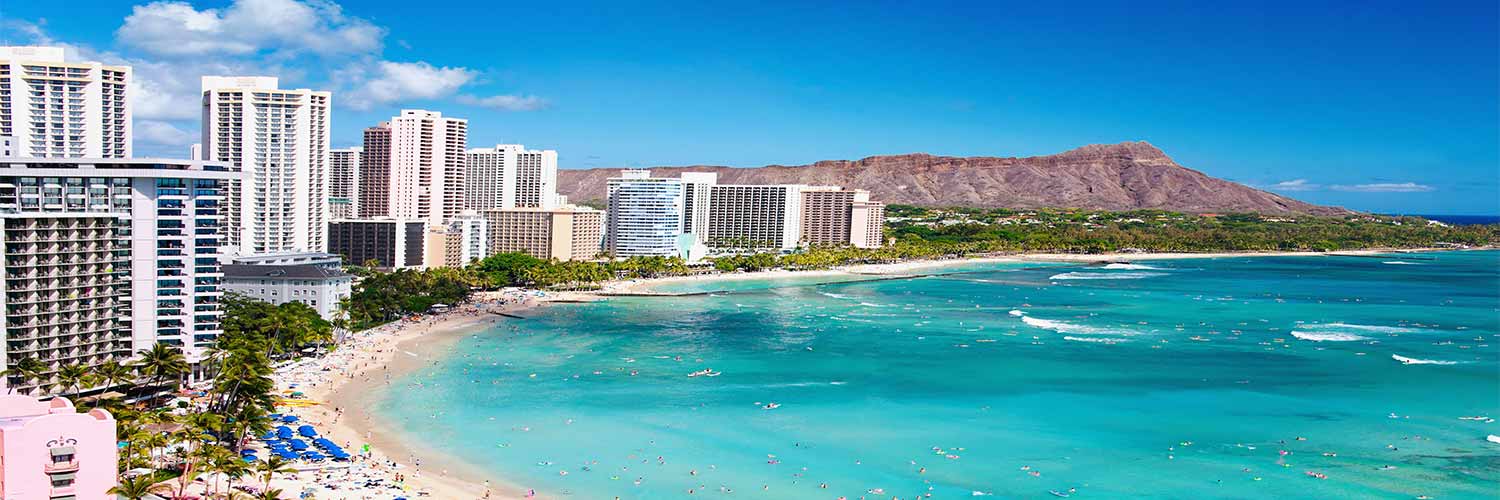
- Inter-Island Travel: While Honolulu International Airport on [Oahu] is the primary gateway, sometimes flying into a secondary airport like Kahului Airport on [Maui] or Kona International Airport on the [Big Island] ([Hawaii Island]) can be cheaper, especially if your ultimate destination is that island. You can then book a separate, inexpensive inter-island flight on [Hawaiian Airlines] or [Southwest Airlines] to your final island if needed, which can sometimes be cheaper than a direct flight to a less-serviced island.
- Connecting Flights vs. Direct: Direct flights are convenient but often carry a premium. Be open to flights with one layover, especially if it means saving hundreds of dollars. Just ensure the layover time is reasonable and allows enough buffer for potential delays.
- Budget Carriers: Don’t dismiss budget airlines like [Southwest Airlines] or [Alaska Airlines]. While they may charge for extras, their base fares can be incredibly low, especially during sales. Just be sure to factor in all potential fees for a true cost comparison.
Popular Departure Hubs and Their Impact on Cost
The geographic location of your starting point profoundly affects both the cost and duration of your flight to [Hawaii].
West Coast Advantages
Travelers residing on the West Coast of the [United States] have a distinct advantage when flying to [Hawaii].
- Proximity and Competition: Cities like [Los Angeles], [San Francisco], [Seattle], [Portland], and [San Diego] are geographically closer to [Hawaii], resulting in shorter flight times (5-6 hours to [Honolulu]). This proximity, combined with intense competition among numerous airlines serving these popular routes ([Hawaiian Airlines], [United Airlines], [Delta Air Lines], [American Airlines], [Alaska Airlines], [Southwest Airlines]), drives prices down. It’s not uncommon to find round trip fares from these hubs in the $300-$500 range during off-peak seasons, and sometimes even lower during flash sales.
- More Direct Options: West Coast cities offer the most frequent and diverse array of direct flights to multiple Hawaiian islands, including [Oahu], [Maui], [Kauai], and the [Big Island]. This convenience reduces travel time and the potential for missed connections.
Midwest and East Coast Considerations
For those traveling from the heartland or the eastern seaboard, the journey to [Hawaii] is longer and generally more expensive.
- Increased Distance and Complexity: Flights from cities like [Chicago], [Dallas], [Houston], [New York], [Atlanta], or [Miami] typically involve 8-11+ hours of flying time, often with at least one layover on the West Coast. This added distance and the need for connecting flights inherently increase the cost. Expect round trip fares from these regions to start at $600-$800 during off-peak times and easily exceed $1000 during peak season.
- Fewer Direct Routes: Direct flights from the Midwest or East Coast to [Hawaii] are less common and usually operated by full-service carriers, catering to business travelers or those willing to pay a premium for convenience. These routes are usually to [Honolulu] on [Oahu] or sometimes [Kahului] on [Maui]. Travelers destined for other islands like [Kauai] or the [Big Island] will almost certainly require an additional inter-island connection. Planning for these layovers, both in terms of time and potential cost, is crucial.
Beyond the Ticket Price: What Else to Consider
While the round trip airfare is often the largest single expense, it’s essential to look beyond the base ticket price to understand the true cost of flying to [Hawaii].
Hidden Costs and Add-ons
Airlines, especially budget carriers, have become adept at unbundling services, meaning the low base fare might not include everything you expect.
- Baggage Fees: Checked bags are almost never free on domestic flights within the [United States], and flights to [Hawaii] are often treated as such. Expect to pay $30-$35 each way for your first checked bag. If you can travel with just a carry-on, you’ll save significantly.
- Seat Selection: If you want to choose your seat, especially for aisle or window preferences, many airlines will charge an extra fee. If you don’t pay, you’ll be assigned a seat at check-in.
- In-flight Meals and Entertainment: While longer flights to [Hawaii] might offer complimentary beverages, meals on economy flights are increasingly rare or come at an additional cost. Similarly, in-flight entertainment systems might require a fee, or you may need to rely on your own devices.
- Credit Card Surcharges: Some third-party booking sites might add a small surcharge for credit card payments, though this is less common with major airlines directly.
Frequent Flyer Programs and Credit Card Rewards
For savvy travelers, loyalty programs can be a game-changer for reducing airfare costs.
- Earning and Redeeming Miles: Accumulate miles by flying with specific airlines or using co-branded airline credit cards. These miles can then be redeemed for free or heavily discounted flights to [Hawaii]. Award availability can be limited, especially during peak season, so plan far in advance.
- Credit Card Sign-up Bonuses: Many travel credit cards offer substantial sign-up bonuses in points or miles, often enough for a round trip flight to [Hawaii] after meeting minimum spending requirements. Research cards that partner with airlines flying to the islands, such as [United Airlines], [Delta Air Lines], [American Airlines], or [Hawaiian Airlines].
The Value of Flexibility
Being flexible is perhaps the most undervalued tool in a budget traveler’s arsenal.
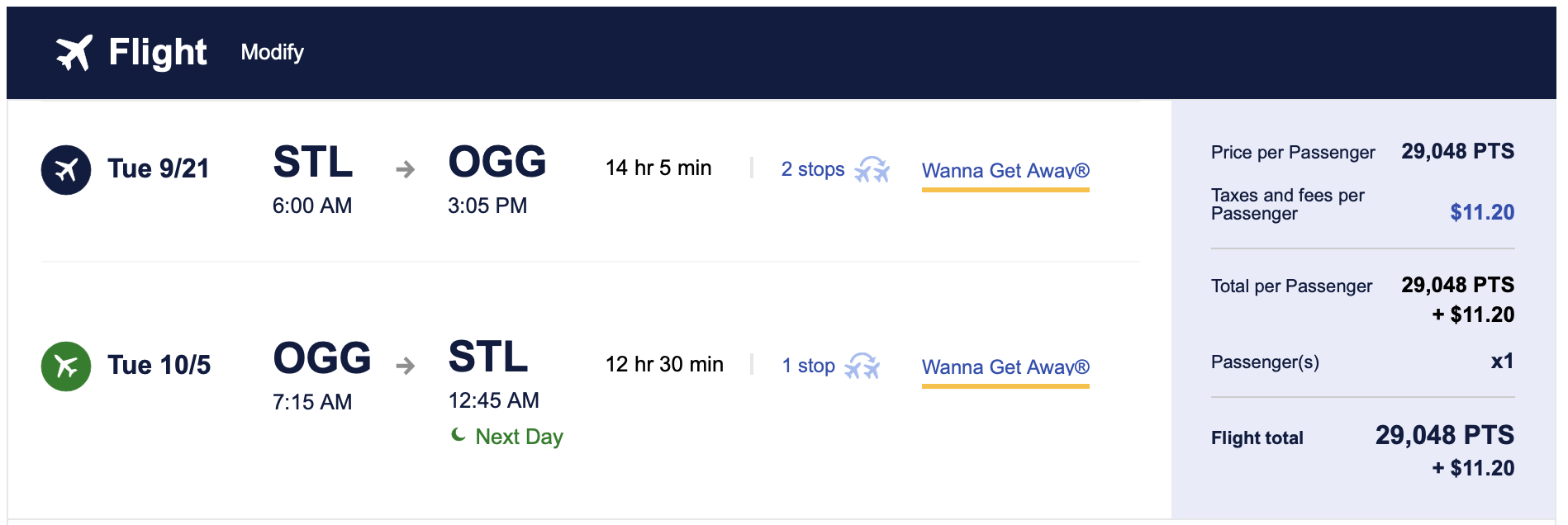
- Dates: If your schedule allows, being open to flying a day or two earlier or later can reveal significantly cheaper fares. Use the “flexible dates” or “calendar view” options on flight search engines.
- Airports: Consider flying out of or into a different airport within a reasonable driving distance from your home or destination. For instance, flying from [Oakland] instead of [San Francisco International Airport] to [Hawaii] might occasionally offer better deals.
- Layover Times: Sometimes, choosing a flight with a slightly longer layover can be cheaper than the direct or shorter-layover options.
In conclusion, the cost of a round trip plane ticket to [Hawaii] is highly variable, ranging from budget-friendly $300 fares from the West Coast during off-peak times to well over $1200 from the East Coast during peak season. By understanding the factors that influence pricing, strategically utilizing flight comparison tools, and embracing flexibility, you can significantly increase your chances of finding an affordable ticket to this Pacific paradise. A well-planned approach ensures that your dream Hawaiian vacation begins with a smart and economical journey.
LifeOutOfTheBox is a participant in the Amazon Services LLC Associates Program, an affiliate advertising program designed to provide a means for sites to earn advertising fees by advertising and linking to Amazon.com. Amazon, the Amazon logo, AmazonSupply, and the AmazonSupply logo are trademarks of Amazon.com, Inc. or its affiliates. As an Amazon Associate we earn affiliate commissions from qualifying purchases.