
The dream of a Hawaiian getaway, with its swaying palm trees, pristine beaches, and vibrant culture, beckons travelers from across the globe. For many, the first and most significant hurdle in turning this dream into reality is understanding the cost of airfare. Tickets to Hawaii can vary dramatically, influenced by a myriad of factors that range from the time of year you plan to travel to your departure city and even the specific airline you choose. Navigating these variables requires a strategic approach, but with a bit of insight and planning, securing your passage to paradise can be both manageable and affordable. This comprehensive guide aims to demystify the cost of Hawaiian flights, offering a professional and insightful overview to help you budget and book your ultimate island escape.
Decoding the Dynamics of Flight Pricing to Hawaii
Understanding the intricate web of factors that dictate flight prices is crucial for any aspiring Hawaiian traveler. Airline pricing models are sophisticated, constantly adjusting based on demand, competition, and operational costs. For a destination as popular as Hawaii, these dynamics are particularly pronounced.
The Influence of Seasonality and Demand
Perhaps the most significant factor affecting ticket prices to Hawaii is the time of year you choose to fly. Demand surges during peak travel seasons, leading to significantly higher fares.
- Peak Seasons: These typically include the summer months (June to August), major holidays such as Christmas, New Year’s, and Thanksgiving, as well as Spring Break periods (March and April). During these times, families are off from school, and many adults take their annual vacations, driving up demand and, consequently, prices. Expect to pay a premium of anywhere from 30% to 100% more during these periods compared to off-peak travel.
- Off-Peak Seasons: The shoulder months and low seasons often present the best opportunities for cost-effective travel. Generally, late April through May (excluding Spring Break) and September through early December (excluding Thanksgiving) offer the lowest fares. During these times, the weather in Hawaii remains beautiful, but crowds are thinner, and airlines lower prices to stimulate demand.
Departure and Arrival Gateways
Where you fly from and where you land in Hawaii also play a substantial role in the overall ticket cost.
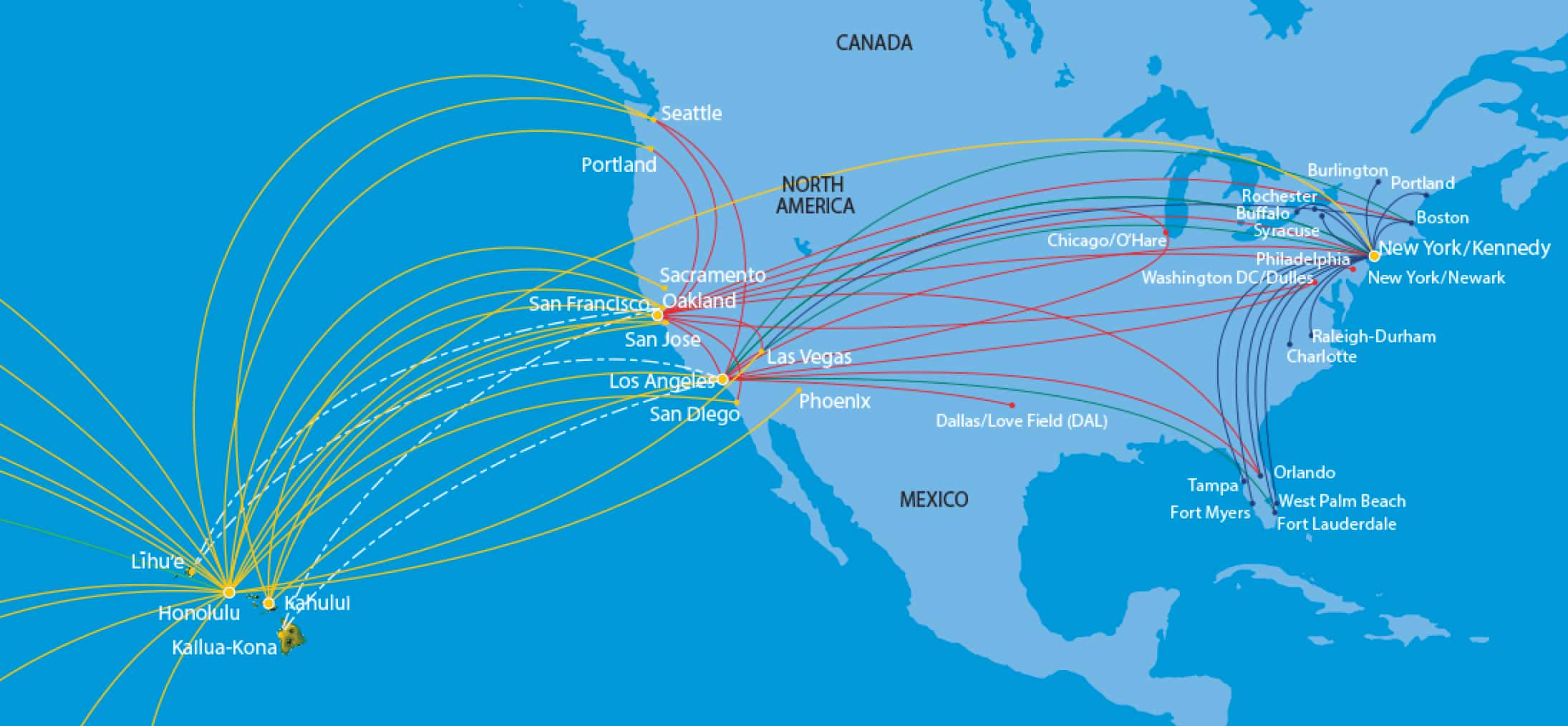
- Originating City: Flights originating from major hubs on the West Coast of the United States (such as Los Angeles, San Francisco, Seattle, or Portland) are typically cheaper and more frequent due to shorter flight times and increased competition. Travelers from the Midwest or East Coast (like New York City, Chicago, or Atlanta) will almost always face higher fares and often require layovers, extending travel time and cost.
- Destination Island: Honolulu on Oahu (HNL) is the busiest airport in Hawaii and generally offers the most competitive prices due to the sheer volume of flights. Other major airports like Kahului on Maui (OGG), Kona or Hilo on the Big Island (Hawaii Island) (KOA/ITO), and Lihue on Kauai (LIH) might be slightly more expensive for direct flights, particularly if your origin city doesn’t have a direct route to them. For these outer islands, you might find cheaper options by flying into Honolulu first and then taking a separate inter-island flight.
The Role of Airlines and Booking Timelines
The choice of airline and how far in advance you book are critical components in determining your ticket price.
- Airline Choice: Major carriers such as United Airlines, Delta Air Lines, American Airlines, and Hawaiian Airlines regularly fly to Hawaii, often providing a range of services and cabin classes. Budget airlines like Southwest Airlines have also entered the Hawaiian market, sometimes offering lower base fares but potentially with additional fees for baggage or seat selection. Comparing services and total costs is essential.
- Optimal Booking Window: Generally, the sweet spot for booking international flights, and flights to Hawaii often fall into this category due to distance, is between 2 to 8 months in advance. Booking too early (e.g., more than a year out) can sometimes mean paying higher initial prices as airlines test demand. Booking too late (within a few weeks of departure) almost guarantees inflated fares, especially during peak season. Flexibility with travel dates and being able to fly on weekdays (Tuesday, Wednesday, Thursday) rather than weekends can also lead to significant savings.
A Snapshot of Average Ticket Costs to Hawaii
While prices are dynamic, general ranges can provide a useful benchmark for budgeting your Hawaiian adventure. These figures are for economy class, round-trip tickets, and serve as approximations.
Typical Ranges from Major US Regions
- From the West Coast (California, Oregon, Washington):
- Off-Peak: $300 – $600 USD
- Peak Season: $600 – $900+ USD
Travelers from these states often enjoy the most competitive fares due to proximity and numerous direct flight options.
- From the Midwest/Mountain States (Colorado, Illinois, Texas):
- Off-Peak: $500 – $800 USD
- Peak Season: $800 – $1200+ USD
Expect slightly higher prices and potentially one or more layovers given the greater distance.
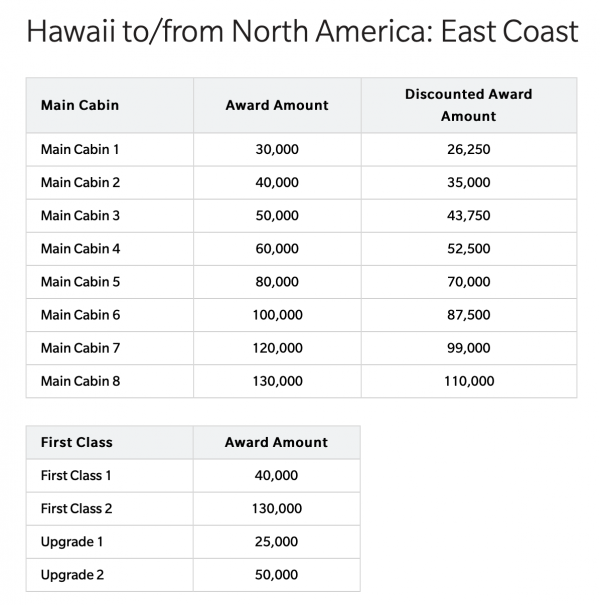
- From the East Coast (Florida, New York, Massachusetts):
- Off-Peak: $600 – $1000 USD
- Peak Season: $1000 – $1500+ USD
These are typically the most expensive flights, often involving multiple stops and longer travel times. Flexibility with dates and airports becomes even more crucial for East Coast travelers.
Understanding Class Differences
Beyond economy class, ticket prices can escalate significantly for premium cabins, offering enhanced comfort and services.
- Premium Economy: Often 1.5 to 2 times the cost of an economy ticket, offering more legroom, wider seats, and improved meal service.
- Business Class: Can range from 3 to 5 times the economy fare, featuring lie-flat seats, gourmet meals, lounge access, and dedicated service.
- First Class: The pinnacle of luxury, sometimes 5 to 10 times the economy fare, providing the utmost in space, privacy, and personalized amenities.
For those considering an upgrade, watching for sales or using airline miles can make these experiences more accessible.
Strategic Approaches to Securing Cheaper Flights
Finding affordable flights to Hawaii isn’t about luck; it’s about employing smart strategies and utilizing the right tools.
Leveraging Flexibility and Tools

- Be Flexible with Dates and Airports: Even shifting your departure or return by a day or two can yield hundreds of dollars in savings. Utilize “flexible date” search options on flight comparison websites. Also, consider flying into a larger airport like Honolulu and then taking a separate, cheaper inter-island flight to your final destination, rather than a direct, more expensive flight to a smaller island airport.
- Utilize Flight Comparison Sites: Platforms like Google Flights, Skyscanner, and Kayak are invaluable for comparing prices across multiple airlines and finding the best deals. These sites often have features like price calendars or graphs that highlight the cheapest days to fly.
- Set Price Alerts: Most flight comparison sites allow you to set up email alerts for specific routes. You’ll be notified automatically when prices drop, enabling you to snag a deal as soon as it appears.
Smart Booking Tactics
- Consider Flying Mid-Week: Tuesdays, Wednesdays, and Thursdays are typically the cheapest days to fly, as business travel is lower and leisure travelers prefer weekend departures.
- Look for Red-Eye Flights: Overnight flights, while less convenient for some, can sometimes be significantly cheaper than daytime options.
- Explore Layovers as an Option: Direct flights are convenient but often carry a premium. If you’re willing to endure a layover, particularly in a major hub like Los Angeles or San Francisco, you can often find more affordable tickets.
- Check Budget Airlines and Direct Airline Websites: While comparison sites are great, always double-check the airline’s official website. Sometimes, they offer exclusive deals or package options not listed elsewhere. Don’t overlook budget carriers like Southwest Airlines for potentially lower base fares, but be mindful of their baggage policies.
Maximizing Loyalty Programs and Credit Card Perks
- Airline Miles and Points: If you’re loyal to a particular airline alliance, accumulate miles through their loyalty programs or co-branded credit cards. These miles can be redeemed for flights, potentially reducing your cash outlay to zero, aside from taxes and fees.
- Credit Card Travel Benefits: Many travel-focused credit cards offer sign-up bonuses, annual travel credits, or companion passes that can significantly offset the cost of airfare, especially for premium cabins.
Beyond the Base Fare: Hidden Costs and Considerations
The advertised ticket price isn’t always the final price you’ll pay. Several additional costs can add up, impacting your overall travel budget.
The Reality of Baggage Fees
- Checked Bags: Most airlines now charge for checked luggage, especially in economy class. Fees typically range from $30-$40 for the first checked bag and increase for subsequent bags. Be aware that these fees are often per segment of your journey, meaning a round trip could incur charges twice.
- Carry-on Restrictions: While carry-on bags are usually free, airlines have strict size and weight limits. Exceeding these can lead to unexpected gate-check fees. Budget airlines, in particular, might charge for larger carry-ons.
Seat Selection and In-flight Amenities
- Preferred Seating: Many airlines charge extra for selecting specific seats, especially those with more legroom (e.g., exit rows or bulkhead seats) or closer to the front of the plane. If you don’t select a seat, one will be assigned to you at check-in, which might separate travel companions.
- In-flight Services: While some full-service carriers include meals and entertainment, budget airlines may charge for everything from snacks and drinks to blankets and access to in-flight entertainment systems. Factor these potential costs into your budget if you anticipate needing them.
Inter-Island Travel Costs
If your Hawaiian adventure includes visiting multiple islands, remember to budget for inter-island flights. These are typically short, 30-60 minute flights and can cost anywhere from $50 to $150 USD per segment, per person, depending on the season and how far in advance you book. Hawaiian Airlines and Southwest Airlines are common carriers for inter-island travel.
The Best Time to Book Your Hawaiian Escape
While prices fluctuate, the general consensus for finding the best airfare to Hawaii involves a combination of timing and flexibility.
Balancing Cost, Weather, and Crowds
The optimal period to book, and subsequently travel, for cost-conscious travelers seeking pleasant weather and fewer crowds is:
- Mid-September to Mid-November (excluding Thanksgiving): This autumn window offers excellent weather, fewer tourists as children return to school, and significantly lower airfares.
- Late April to Mid-June (excluding Spring Break): Following the Spring Break rush, but before the peak summer season, you can often find good deals and enjoy beautiful spring weather.
Booking your flights during these “shoulder” seasons, approximately 2 to 8 months in advance, increases your chances of securing the most favorable prices. Always avoid major holidays and school breaks if saving money is your priority.
Embarking on a journey to Hawaii is an unforgettable experience, and the cost of airfare, while a significant consideration, shouldn’t be an insurmountable barrier. By understanding the factors that influence ticket prices, employing strategic booking tactics, and accounting for potential hidden costs, you can confidently plan your trip. With a bit of research and flexibility, your dream of experiencing the breathtaking beauty and unique culture of the Hawaiian Islands can become a vibrant reality.
LifeOutOfTheBox is a participant in the Amazon Services LLC Associates Program, an affiliate advertising program designed to provide a means for sites to earn advertising fees by advertising and linking to Amazon.com. Amazon, the Amazon logo, AmazonSupply, and the AmazonSupply logo are trademarks of Amazon.com, Inc. or its affiliates. As an Amazon Associate we earn affiliate commissions from qualifying purchases.