
Dreaming of the Aloha State? The allure of Hawaii‘s pristine beaches, vibrant culture, and volcanic landscapes is undeniable, making it a top-tier destination for travelers worldwide. Before you can dip your toes into the Pacific, however, understanding the financial commitment of airfare is crucial. The question, “How much does a flight cost to Hawaii?” is not a simple one, as prices fluctuate wildly based on a myriad of factors. This comprehensive guide will break down the complexities, offer insights into typical price ranges, and equip you with strategies to secure the best possible deal for your island getaway.
Understanding the Factors Influencing Flight Prices to Hawaii
The cost of a flight to Hawaii is rarely static. It’s a dynamic figure influenced by several key variables that savvy travelers learn to navigate. Recognizing these factors is the first step toward smart booking.
Departure City and Airport
The starting point of your journey plays a significant role in determining the price. Cities on the United States West Coast, particularly major hubs like Los Angeles, San Francisco, and Seattle, typically offer the most competitive fares. Their proximity to the islands, coupled with a higher volume of direct flights from various airlines, drives prices down. Conversely, travelers originating from the East Coast, Midwest, or even parts of Canada can expect to pay more due to longer flight durations and the necessity of connecting flights, often through those very same West Coast hubs. The specific airport within a city can also matter; for instance, flying out of Oakland International Airport (OAK) or San Jose Mineta International Airport (SJC) might sometimes be cheaper than San Francisco International Airport (SFO), even for the same metropolitan area.
Time of Year and Seasonality
Like any popular destination, Hawaii experiences peak and off-peak travel seasons, which directly impact flight costs. The most expensive times to fly are generally during major holidays (Christmas, New Year’s, Thanksgiving), school breaks (spring break, summer vacation), and the winter months when mainlanders flock to warmer climates. Mid-December to early January, and mid-June to August, are prime examples of high-demand periods. Conversely, the shoulder seasons – late April to early June and September to mid-December (excluding Thanksgiving) – often yield the best deals. You’ll find fewer crowds and more attractive prices during these windows.
Booking Window and Flexibility
The age-old advice rings true: booking in advance often secures better prices. For flights to Hawaii, the sweet spot usually falls within 2-6 months prior to departure. Booking too early (e.g., a year out) or too late (within a few weeks) can often lead to higher fares. However, flexibility is perhaps the most powerful tool in a traveler’s arsenal. Being able to depart on a Tuesday instead of a Friday, or adjusting your return date by a day or two, can unlock significant savings. Even considering alternative arrival and departure airports on the islands can prove beneficial.
Airline Choice and Cabin Class
The airline you choose, and the class of service, are fundamental price determinants. Major carriers like Hawaiian Airlines, United Airlines, Delta Air Lines, and American Airlines offer a range of services, from basic economy to first class, with prices escalating accordingly. Budget airlines such as Southwest Airlines or Alaska Airlines often present more economical options, though they may have different baggage policies or fewer amenities. Opting for a basic economy fare might save money upfront but can come with restrictions on seat selection or changes.
Layover Preferences
Direct flights offer convenience but typically come at a premium. Flights with one or more layovers are almost always cheaper, especially for longer distances. While a layover adds travel time, it can dramatically reduce the overall cost of your ticket, making it a worthwhile compromise for budget-conscious travelers. Consider the trade-off between time and money based on your personal priorities.
Average Flight Costs from Major North American Hubs
To give you a clearer picture, here’s a general breakdown of what you might expect to pay for a round-trip economy flight to Hawaii from various regions, keeping in mind these are estimates and subject to the factors mentioned above. Prices will generally be lowest during off-peak seasons and highest during peak.
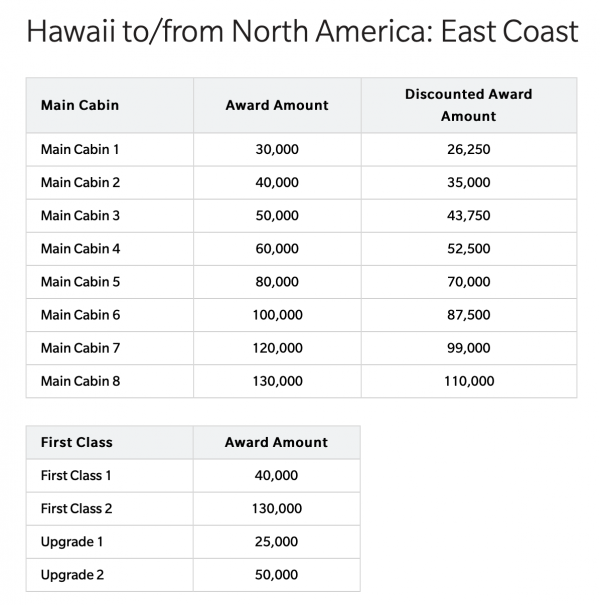
East Coast Departures (e.g., New York, Boston)
From cities like New York City (JFK, EWR) or Boston (BOS), expect prices to range from $700-$1,200+ USD. During sales or off-peak, you might find fares occasionally dipping to $600, but often, these will involve multiple stops or longer travel times. Peak season can easily push these prices upwards of $1,500.
Midwest Departures (e.g., Chicago, Dallas)
Travelers departing from Chicago (ORD) or Dallas (DFW) can anticipate fares between $600-$1,000 USD. Similar to the East Coast, strategic booking can sometimes uncover deals around $500, but peak periods will see prices climb towards $1,200-$1,400.
West Coast Departures (e.g., Los Angeles, San Francisco, Seattle)
This is where the most competitive pricing typically emerges. From major West Coast airports like Los Angeles International Airport (LAX), San Francisco International Airport (SFO), and Seattle-Tacoma International Airport (SEA), round-trip economy flights often range from $400-$700 USD. Exceptional sales can drop these fares to $300 or even lower, while peak travel might see them rise to $800-$1,000.
Canadian Departures (e.g., Vancouver, Toronto)
For travelers coming from Canada, flights from Vancouver (YVR) are generally the most affordable, typically ranging from $500-$900 CAD. From Toronto (YYZ) or other Eastern Canadian cities, expect prices closer to $800-$1,200+ CAD, often involving a connection through Vancouver or a major U.S. hub.
Strategies for Finding Cheaper Flights to Hawaii
Securing an affordable flight to Hawaii requires a proactive and strategic approach. By implementing these tips, you can significantly reduce your travel costs.
Be Flexible with Dates and Airports
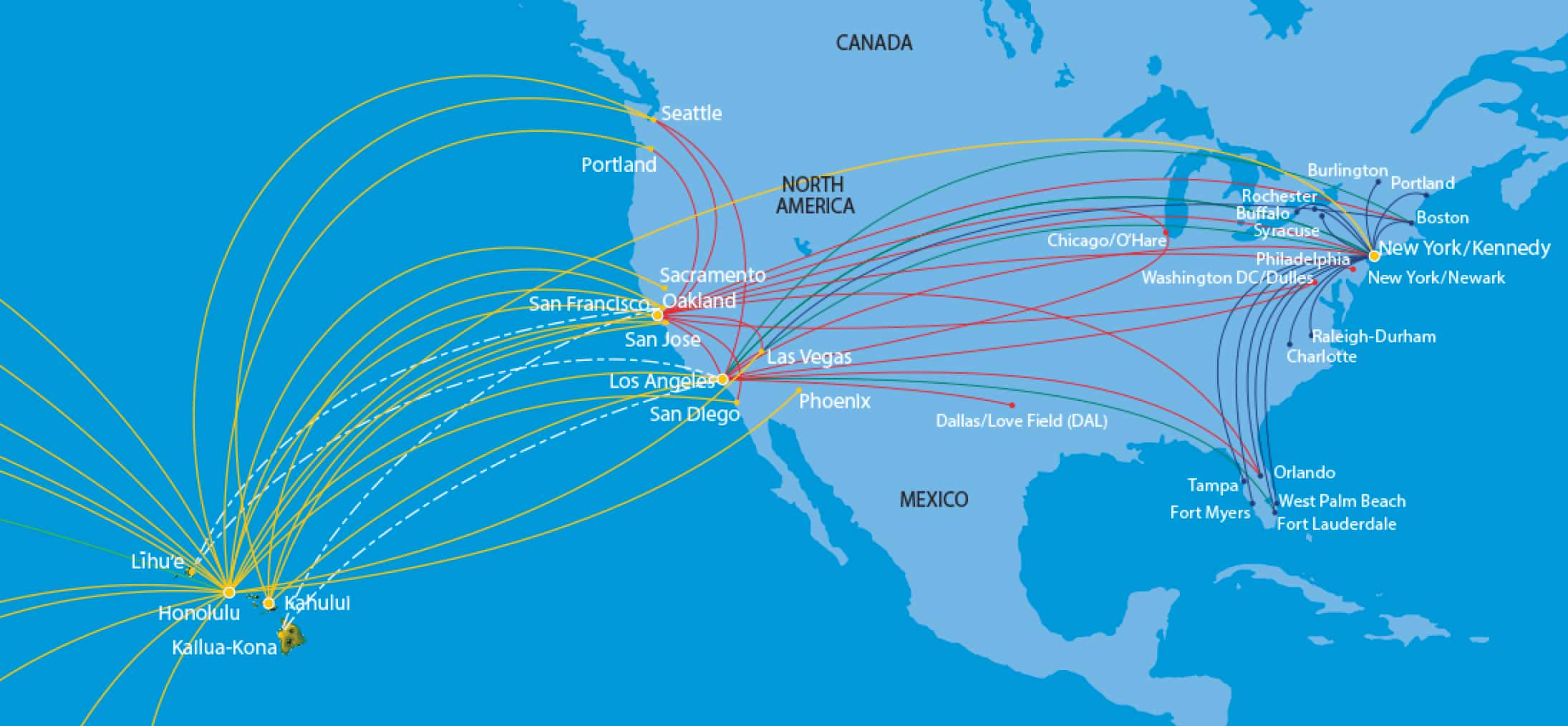
This is arguably the most impactful strategy. Use flight search engines that allow you to view prices across an entire month or even year. Flying midweek (Tuesday, Wednesday, Thursday) is almost always cheaper than weekend travel. Also, consider flying into a less popular airport on a neighboring island and taking a short inter-island flight, which can sometimes be cheaper than flying directly to your primary destination. For example, flying into Kahului Airport (OGG) on Maui might be less expensive than directly into Lihue Airport (LIH) on Kauai from some origins.
Utilize Flight Comparison Websites and Price Alerts
Leverage tools like Google Flights, Skyscanner, Kayak, and Expedia. These platforms allow you to compare prices across multiple airlines and often have features like “price alerts” that notify you when fares drop for your desired route. Set alerts for various date ranges and destinations to catch the best deals as they appear.
Consider Budget Airlines and Package Deals
Don’t overlook budget carriers such as Southwest Airlines or Spirit Airlines (if available on your route). While their base fares are low, always factor in potential extra costs for baggage, seat selection, and in-flight amenities. Alternatively, sometimes bundling your flight with a hotel or car rental through a package deal can result in substantial savings compared to booking each component separately.
Fly Midweek or During Off-Peak Hours
As mentioned, Tuesdays, Wednesdays, and Thursdays are typically the cheapest days to fly. Additionally, consider red-eye flights or early morning departures, which are often less expensive due to lower demand. These flights might be less convenient but offer a direct pathway to savings.
Explore Alternative Hawaiian Islands for Arrival
While most international flights land at Daniel K. Inouye International Airport (HNL) on Oahu, it’s worth checking fares into other major airports like Kahului Airport (OGG) on Maui, Kona International Airport (KOA) on the Big Island, or Lihue Airport (LIH) on Kauai. Sometimes, flying into a less direct destination first, then taking an inexpensive inter-island hopper flight, can lead to overall savings, especially if your ultimate destination is not Oahu.
Popular Hawaiian Destinations and Their Impact on Flight Costs
The specific island you choose to visit also slightly influences flight costs, primarily due to demand and airport infrastructure.
Oahu (Honolulu)
Oahu, home to Honolulu and the bustling Daniel K. Inouye International Airport (HNL), is generally the easiest and often cheapest island to fly into directly from the mainland. Its status as the main gateway means a higher volume of flights and greater competition among airlines. If your primary goal is to minimize flight costs, targeting HNL is often your best bet.
Maui (Kahului)
Maui, with its Kahului Airport (OGG), is also a very popular direct destination, especially from the West Coast. Flights here might be slightly more expensive than to Oahu on average, but direct options are plentiful.
Big Island (Kona, Hilo)
The Big Island boasts two major airports: Kona International Airport (KOA) on the west side and Hilo International Airport (ITO) on the east. KOA generally sees more direct flights from the mainland than ITO, which primarily serves inter-island traffic. Direct flights to the Big Island can sometimes be a bit pricier than to Oahu or Maui due to slightly less traffic.
Kauai (Lihue)
Kauai, with Lihue Airport (LIH), is a stunning but slightly less accessible island in terms of direct international flights compared to Oahu or Maui. Many flights will involve a connection, often through HNL, which can add to the cost and travel time.
The Value Beyond the Ticket Price: When to Splurge
While cost-saving strategies are vital, sometimes a slightly higher fare brings significant value that enhances your overall travel experience.
Direct Flights vs. Layovers
If your budget allows, a direct flight eliminates the stress of connections, potential delays, and lost luggage, getting you to paradise faster and more relaxed. For shorter trips, the time saved can be invaluable. This is particularly true for families or those with limited travel time.
Premium Economy and Business Class Considerations
For long-haul flights to Hawaii, especially from the East Coast, upgrading to premium economy or even business class can make a substantial difference in comfort. Wider seats, more legroom, better meal service, and enhanced entertainment can transform a grueling journey into a pleasant start to your vacation. Consider the potential for jet lag reduction and arriving well-rested.

Ensuring a Seamless Travel Experience
Sometimes, paying a little extra for a reputable airline with a good track record for on-time performance and customer service can prevent headaches. While budget airlines offer low fares, being stranded due to delays or facing strict change policies can quickly erode any initial savings. Prioritize reliability and peace of mind, especially during peak travel times.
Ultimately, the cost of a flight to Hawaii is what you make of it. By understanding the underlying factors, employing smart search strategies, and knowing when to prioritize comfort over cost, you can secure a flight that perfectly aligns with your budget and travel aspirations. With careful planning, your dream Hawaiian vacation is well within reach.
LifeOutOfTheBox is a participant in the Amazon Services LLC Associates Program, an affiliate advertising program designed to provide a means for sites to earn advertising fees by advertising and linking to Amazon.com. Amazon, the Amazon logo, AmazonSupply, and the AmazonSupply logo are trademarks of Amazon.com, Inc. or its affiliates. As an Amazon Associate we earn affiliate commissions from qualifying purchases.