
Hawaii – the name itself conjures images of pristine beaches, lush rainforests, and vibrant volcanic landscapes. For many, it’s the quintessential tropical paradise, a dream destination that beckons with its unique blend of natural beauty and rich Polynesian culture. Before the dream can become a reality, however, one of the first and most pressing questions for any aspiring traveler is, “How much will it cost to get there?” The price of a round-trip plane ticket to Hawaii is often the largest single variable cost in a Hawaiian vacation budget, fluctuating widely based on a multitude of factors. Understanding these dynamics is crucial for planning an unforgettable and financially manageable trip to this idyllic archipelago.
Understanding the Dynamics of Airfare to Hawaii
The cost of air travel is rarely static. It’s a complex algorithm influenced by everything from global fuel prices to local demand. When it comes to flying to Hawaii, this complexity is amplified by its remote island location, making it a premium destination for many international and continental U.S. travelers.
Key Factors Influencing Ticket Prices
Several significant factors conspire to dictate the price tag on your round-trip ticket to Hawaii:
- Origin City: Unsurprisingly, your departure city plays a monumental role. Travelers flying from major West Coast hubs like Los Angeles, San Francisco, or Seattle will generally find significantly cheaper and more direct flights compared to those originating from the East Coast, Midwest, or international locations. The number of connections required also directly impacts the fare.
- Time of Year (Seasonality): This is perhaps the most critical determinant. Hawaii’s peak travel seasons are typically:
- Winter (December to March): Many travelers escape colder climates for Hawaii’s warmth, driving up demand. Holidays like Christmas, New Year’s, Presidents’ Day weekend, and Spring Break see the highest prices.
- Summer (June to August): Family vacations and school holidays contribute to elevated demand.
- Shoulder Seasons (April-May, September-November): These periods often offer the best balance of good weather and lower prices, making them ideal for budget-conscious travelers.
- Day of the Week: Mid-week flights (Tuesday, Wednesday, Thursday) are frequently cheaper than weekend flights (Friday, Saturday, Sunday) due to business travel patterns and leisure traveler preferences.
- Flexibility with Dates: Being able to shift your travel dates by a few days can sometimes yield significant savings. Flight search engines often show price calendars that highlight cheaper days.
- Booking Lead Time: While there’s no magic number, booking too early (more than 6-12 months out) or too late (within a few weeks of departure) can result in higher fares. The sweet spot often lies somewhere between 2-6 months prior for domestic flights and 3-8 months for international routes, though this can vary.
- Airline and Class of Service: Budget airlines often offer lower base fares but may charge for extras. Full-service carriers might include baggage or in-flight meals, but their base fares are typically higher. Business or first-class tickets naturally command a premium.
- Specific Island Destination: Flying into Honolulu International Airport (HNL) on Oahu is generally the cheapest option, as it’s the primary hub. Flights to neighbor islands like Maui (Kahului Airport – OGG), the Big Island (Kona International Airport – KOA or Hilo International Airport – ITO), or Kauai (Lihue Airport – LIH) might be slightly more expensive, especially if they require an additional connecting flight within the islands.
Average Cost Expectations
Given these variables, providing an exact figure is challenging, but we can establish a general range for a round-trip economy class ticket from the continental United States to Hawaii:
- From West Coast Hubs (e.g., Los Angeles, San Francisco, Seattle):
- Off-peak/Shoulder Season: $350 – $600
- Peak Season/Holidays: $600 – $1000+
- From Central U.S. (e.g., Chicago, Dallas, Denver):
- Off-peak/Shoulder Season: $500 – $800
- Peak Season/Holidays: $800 – $1200+
- From East Coast (e.g., New York, Miami, Boston):
- Off-peak/Shoulder Season: $600 – $1000
- Peak Season/Holidays: $1000 – $1500+
It’s important to remember these are averages for economy class and can vary wildly. Flash sales or error fares can occasionally drop prices well below these ranges, while last-minute bookings or premium cabins can push them significantly higher.
Strategies for Finding the Best Deals
Finding an affordable flight to Hawaii requires a combination of patience, flexibility, and smart search techniques. It’s an art as much as a science.
Timing Your Purchase: When to Book
While there’s no single “best” day or time to book, general patterns emerge:
- The “Golden Window”: For domestic flights to Hawaii, many experts suggest booking between 2-6 months in advance. This period allows airlines to gauge demand and adjust pricing before flights get too full or too empty.
- Avoiding Last-Minute Bookings: Flights purchased within 2-4 weeks of departure are almost always more expensive. Airlines know that these travelers often have urgent needs and are willing to pay a premium.
- Beware of Booking Too Early: While less common, sometimes airlines initially price flights high and then drop them if sales are slow. Booking 9-12 months out can sometimes mean you’re paying a premium before competitive pricing adjustments are made.
Flexibility is Your Friend: Dates and Airports
- Travel During Shoulder Seasons: As mentioned, April, May, September, and October often present the best value. You avoid the peak crowds and high prices of winter and summer while still enjoying excellent weather.
- Fly Mid-Week: Tuesdays, Wednesdays, and Thursdays are typically the cheapest days to fly. Departing on a Tuesday and returning on a Wednesday, for instance, can often shave hundreds off your fare compared to a weekend-to-weekend trip.
- Consider Nearby Airports: If you live within driving distance of multiple major airports, check prices from all of them. A longer drive might be worth the savings. Similarly, for Hawaii, consider flying into Oahu (HNL) first, as it’s often cheaper, and then booking a separate inter-island flight if your final destination is another island. Sometimes these separate bookings are cheaper than a direct multi-island itinerary.
Leveraging Flight Search Engines and Alerts
- Utilize Incognito Mode/Clear Cookies: Some theories suggest that flight search websites may track your searches and raise prices based on repeat visits for the same route. While debatable, using incognito mode in your browser or clearing your cookies can’t hurt.
- Employ a Variety of Search Engines: Don’t rely on just one. Websites like Google Flights, Skyscanner, Kayak, Expedia, and Hopper each have their own strengths and may pull slightly different results or package deals. Always check the airline’s official website directly as well, as they sometimes offer exclusive deals not found elsewhere.
- Set Price Alerts: Most major flight search engines allow you to set up email alerts for specific routes and dates. You’ll be notified automatically if the price drops. This is one of the most effective ways to snag a good deal without constantly checking manually.
- Explore “Everywhere” or “Flexible Destination” Options: If your dates are flexible and you’re just looking for a deal to Hawaii generally, some search engines allow you to input your origin and “everywhere” as a destination, or use a flexible date calendar to spot the cheapest times to fly.
Airlines Serving Hawaii and Their Typical Offerings
Numerous airlines compete for the lucrative Hawaii market, providing a range of options for travelers. Understanding who flies there and what they typically offer can help you make an informed choice.
Major Carriers and Their Hubs
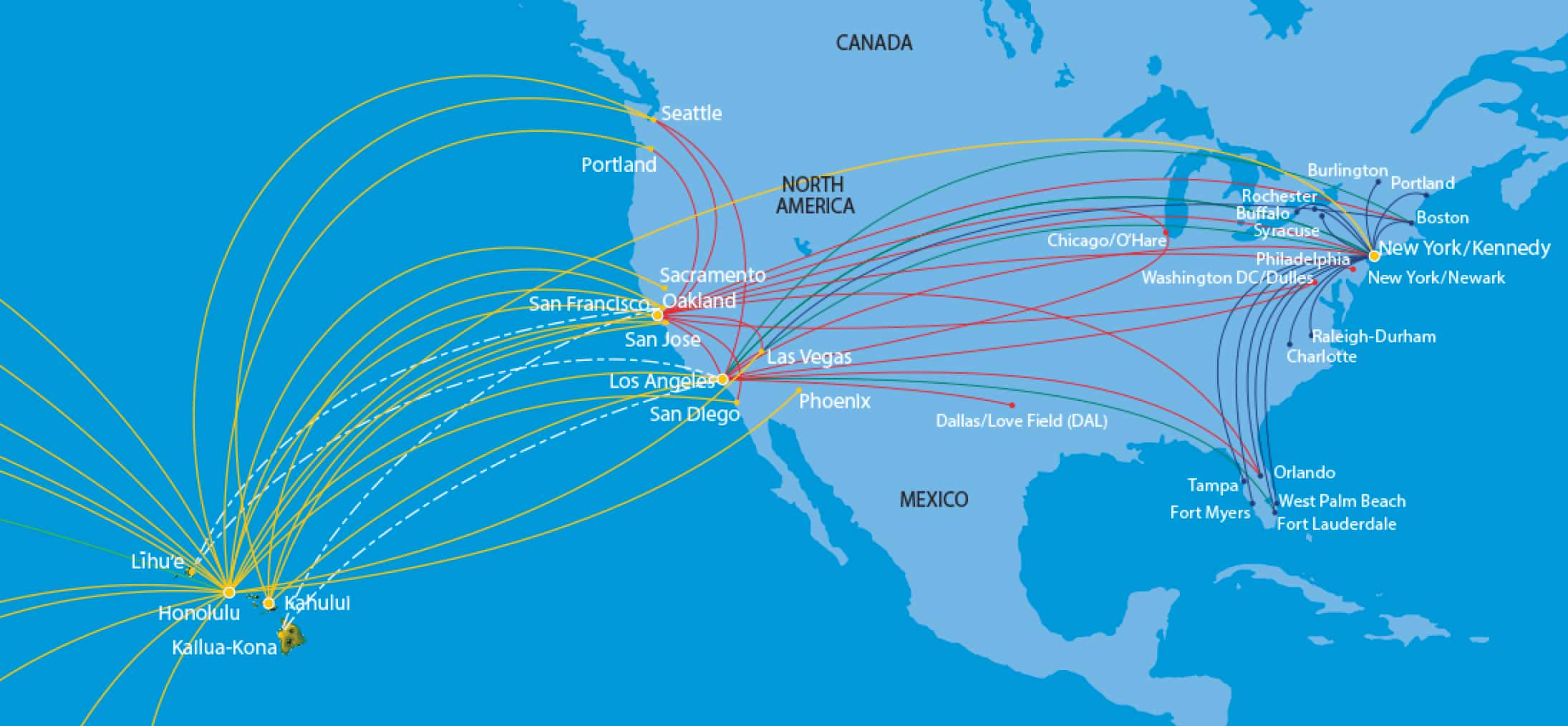
Most major U.S. airlines offer direct flights to Hawaii from their primary hubs, particularly on the West Coast:
- Hawaiian Airlines: The state’s flag carrier, Hawaiian Airlines offers extensive service from the U.S. mainland and international destinations to multiple Hawaiian islands. They are known for their Hawaiian hospitality, with complimentary meals and amenities even in economy on longer routes.
- United Airlines: Strong presence with flights from San Francisco, Los Angeles, Denver, Chicago, and Houston to various Hawaiian airports.
- Delta Air Lines: Offers routes from Los Angeles, Seattle, Salt Lake City, and Atlanta.
- American Airlines: Services include routes from Los Angeles, Phoenix, Dallas/Fort Worth, and Chicago.
- Alaska Airlines: A very popular choice for West Coast travelers, especially from Seattle, Portland, and other Pacific Northwest cities.
Budget vs. Full-Service Airlines
- Budget Carriers: Airlines like Southwest Airlines have entered the Hawaii market, often offering competitive pricing and a more flexible baggage policy (two free checked bags). However, their routes might be more limited, and they might not always appear on all third-party search engines. Allegiant Air also offers limited routes.
- Full-Service Carriers: While often having higher base fares, United, Delta, American, and Hawaiian Airlines generally provide more amenities (in-flight entertainment, Wi-Fi options, sometimes meals on longer flights) and a wider network of connections.
When comparing, always factor in what’s included in the base fare versus what’s an add-on. A seemingly cheaper budget flight might become more expensive once baggage fees, seat selection, and other incidentals are factored in.
Beyond the Base Fare: Additional Costs and Considerations
The sticker price of a plane ticket isn’t always the final cost. Savvy travelers budget for the various incidentals that can add up.
Baggage Fees and Seat Selection
- Checked Baggage: Most airlines, especially in economy class, charge for checked bags. These fees typically range from $30-$40 for the first bag and more for subsequent bags. If you’re traveling for an extended period or with specific gear (e.g., surfboards), these costs can quickly accumulate. Southwest Airlines is a notable exception, often including two free checked bags.
- Carry-On Bags: While usually free, some basic economy fares on certain airlines may have restrictions. Always check the airline’s specific policy.
- Seat Selection: Many airlines now charge for advanced seat selection, even for standard economy seats. If you want to guarantee you sit with your travel companions or secure an aisle/window seat, expect to pay an extra $10-$50 per segment.
Travel Insurance and In-Flight Amenities
- Travel Insurance: For a significant trip like Hawaii, travel insurance is a wise investment, covering unforeseen cancellations, medical emergencies, lost luggage, and more. This usually adds a few percentage points to your total trip cost but offers invaluable peace of mind.
- In-Flight Meals and Snacks: While some long-haul flights to [Hawaii](https://lifeoutofthebox.com/hawaii] on full-service carriers (like Hawaiian Airlines) may offer complimentary meals, many U.S. domestic carriers only offer snacks or charge for food and premium beverages. Plan to bring your own snacks or factor in the cost of onboard purchases.
- Wi-Fi and Entertainment: Wi-Fi is often available for a fee, and while most airlines offer complimentary streaming entertainment to your device, some may still have seat-back screens that are free to use.
The Impact of Layover Duration and Location
- Longer Layovers, Cheaper Fares: Flights with longer layovers or less convenient connection times are often cheaper. Weigh the savings against the potential for fatigue or lost vacation time.
- Connecting City Choice: Layovers in less busy hubs or those further off the direct path can sometimes reduce costs. However, this could also mean a longer overall travel time. Always ensure you have enough time between connecting flights, especially if you need to clear customs or transfer terminals.

Is Hawaii an Affordable Dream Destination?
Ultimately, the question of “How much is a round-trip plane ticket to Hawaii?” doesn’t have a single, simple answer. It’s a dynamic price influenced by your choices, the time of year, and market conditions. However, by understanding the factors at play and employing strategic booking tactics, a trip to Hawaii can be more accessible than many imagine.
While a spontaneous, last-minute trip during peak season might command a hefty price tag upwards of $1,000-$1,500 from the East Coast, a well-planned trip during the shoulder season from a West Coast hub could potentially be secured for as little as $350-$600. The key is flexibility, diligence in searching, and a willingness to compromise on certain aspects (like flying mid-week or enduring a longer layover) to unlock better value.
Hawaii remains a dream destination for good reason. With careful planning and a strategic approach to airfare booking, that dream can absolutely become a reality without breaking the bank. It’s an investment in an experience, a journey to a place where every sunset is a masterpiece and every wave tells a story.
LifeOutOfTheBox is a participant in the Amazon Services LLC Associates Program, an affiliate advertising program designed to provide a means for sites to earn advertising fees by advertising and linking to Amazon.com. Amazon, the Amazon logo, AmazonSupply, and the AmazonSupply logo are trademarks of Amazon.com, Inc. or its affiliates. As an Amazon Associate we earn affiliate commissions from qualifying purchases.