
Hawaii is synonymous with paradise, a dream destination for millions drawn to its pristine beaches, vibrant culture, and unparalleled natural beauty. For many, the allure extends beyond a fleeting vacation; the idea of living and working in this tropical haven is a powerful one. However, the idyllic image often contrasts sharply with the economic realities, particularly the high cost of living. Understanding the minimum wage in Hawaii isn’t just a matter of financial trivia; it’s a critical component of defining the kind of lifestyle one can afford, whether as a long-term resident, a seasonal worker, or a budget-conscious traveler exploring extended stays. This insight is essential for anyone planning their financial future or even just their daily budget in the Aloha State.

Understanding Hawaii’s Minimum Wage Structure: A Foundation for Lifestyle Planning
The minimum wage serves as the bedrock for many individuals’ financial planning and daily lifestyle in Hawaii. Unlike some other states that might align with the federal minimum wage, Hawaii has established its own, more progressive rates, reflecting, in part, the unique economic pressures of an island economy.
Current Rates and Future Increases Shaping Living Standards
As of January 1, 2024, the minimum wage in Hawaii stands at $14.00 per hour. This rate is significantly higher than the federal minimum wage, a necessary adjustment given the archipelago’s famously high cost of living. However, the state legislature has recognized that even this rate needs to evolve to support a sustainable lifestyle for its residents. A series of planned increases are already legislated, providing a roadmap for future earnings:
- January 1, 2026: The minimum wage is set to rise to $16.00 per hour.
- January 1, 2028: It will further increase to $18.00 per hour.
These incremental increases are designed to help workers keep pace with inflation and the continuously escalating cost of essentials, offering a glimmer of hope for improved living standards over time. For individuals considering relocating or working in Hawaii, these future adjustments are crucial for long-term financial projections and lifestyle expectations. They influence everything from housing affordability to the ability to participate in local recreational activities.
No Subminimum Wage for Tipped Employees: A Distinct Advantage
One of the most significant distinctions in Hawaii’s minimum wage policy, especially relevant for those in the hospitality and service industries, is the absence of a subminimum wage for tipped employees. In many other parts of the United States, employers can pay tipped workers a lower hourly wage, assuming tips will make up the difference to reach the full minimum wage. In Hawaii, however, all employees, including those who receive tips, must be paid the full state minimum wage of $14.00 per hour.
This policy offers a distinct advantage, contributing positively to the lifestyle of service industry workers. It provides a more stable and predictable income floor, reducing reliance solely on the variability of tips. For waitstaff, bartenders, and other service professionals, this means a higher guaranteed income, which can significantly impact budgeting for rent, groceries, and personal expenses, thereby enhancing their overall quality of life in an expensive state.
The High Cost of Living in Paradise: A Lifestyle Reality Check
While Hawaii’s minimum wage is among the highest in the United States, it’s critical to contextualize this figure against the backdrop of the state’s exorbitant cost of living. The dream of island life can quickly become financially daunting without a clear understanding of the expenses involved. This economic reality profoundly shapes the lifestyle choices and daily experiences of residents, particularly those earning minimum wage.
Housing: The Biggest Hurdle to an Affordable Lifestyle
Housing is, without a doubt, the single largest impediment to an affordable lifestyle in Hawaii. Both rental prices and home ownership costs are among the highest in the nation. For someone earning the minimum wage, securing stable and decent housing can be an immense challenge, often requiring multiple jobs or shared living arrangements.
- Rent: In major population centers like Honolulu on Oahu, even a modest studio or one-bedroom apartment can command rents upwards of $1,500 to $2,000 per month, sometimes even more. On islands like Maui or Kauai, where tourism drives up demand, rental prices can be similarly prohibitive. A significant portion, if not the majority, of a minimum wage earner’s monthly income can be consumed by rent alone, leaving little for other essentials. This often leads to situations where individuals must live with roommates well into adulthood or opt for housing further from their workplace, adding commuting costs and time.
- Home Ownership: For minimum wage earners, the dream of owning a home in Hawaii is largely out of reach. The median home price across the state often hovers around $800,000 to $1 million, making down payments and mortgage repayments impossible on an entry-level salary. This forces many to accept a permanent renter lifestyle, which lacks the financial stability and wealth-building opportunities of homeownership.
The housing crisis forces a constrained lifestyle, limiting disposable income for leisure, savings, and investments, directly impacting quality of life and future planning.
Everyday Expenses: Groceries, Utilities, and Transport Eat Into the Budget
Beyond housing, nearly every other aspect of daily life in Hawaii comes with a premium price tag. The isolation of the islands means that most goods must be shipped in, driving up costs for consumers.
- Groceries: A trip to the grocery store can be a shocking experience for newcomers. Milk, bread, fresh produce, and packaged goods can be 30-50% more expensive than on the mainland. This means minimum wage earners must be exceptionally strategic with their food budget, often relying on cost-effective options, cooking at home extensively, and limiting dining out, which is a popular part of the local lifestyle.
- Utilities: Electricity rates in Hawaii are among the highest in the United States, largely due to the reliance on imported fossil fuels for power generation. Air conditioning use, while tempting in the tropical climate, can lead to exorbitant bills. Water, though often perceived as abundant, can also be costly, particularly on drier islands or in areas reliant on desalination.
- Transportation: While public transport options exist in cities like Honolulu, a car is often necessary for broader mobility, especially on outer islands. Gasoline prices are consistently higher than the national average, and car insurance and maintenance costs are also substantial. For those without a vehicle, relying on public transit or rideshares can be time-consuming or expensive, limiting access to jobs, services, and recreational activities.
These combined daily expenses significantly diminish the purchasing power of the minimum wage, requiring a highly disciplined and often frugal lifestyle. It means carefully prioritizing needs over wants, making sacrifices in entertainment and travel, and constantly searching for the most economical options for everything from food to fuel.
Navigating Hawaii on a Budget: A Lifestyle Survival Guide
For many, the allure of living and working in Hawaii outweighs the financial challenges. For seasonal workers, long-term visitors, or those simply committed to making a life here on a tighter budget, understanding how to navigate the economic landscape is key to cultivating a sustainable and enjoyable lifestyle. The minimum wage, while a baseline, necessitates strategic planning and resourcefulness.
For Seasonal Workers and Long-Term Visitors: Making the Most of Earnings
Hawaii attracts a significant number of seasonal workers, particularly in the tourism and hospitality sectors, who may earn minimum wage or slightly above. For these individuals, maximizing earnings and minimizing expenses is paramount to achieving their lifestyle goals, whether that’s saving money, exploring the islands, or simply covering living costs.
- Strategic Employment: Seek out roles that not only pay minimum wage but also offer additional benefits like tips (which, as noted, are on top of the full minimum wage in Hawaii), employee meals, or even discounted housing. Some resorts or businesses, particularly on less developed islands like Molokai or Lanai, might offer employee housing as a perk, which can be a game-changer for budgeting.
- Shared Accommodation: The most effective way to combat high housing costs is through shared living arrangements. Renting a room in a shared house or apartment dramatically reduces individual rental burdens, allowing more income for other necessities or experiences. Websites and local community boards are often good places to find such opportunities.
- Budgeting for Experiences: While earning minimum wage, luxury excursions might be out of reach. However, Hawaii offers countless free or low-cost activities that embody the island lifestyle: hiking to breathtaking viewpoints, spending days at public beaches, snorkeling in accessible coves, or exploring local farmers’ markets. Prioritizing these authentic experiences over expensive tours can lead to a richer, more genuine connection with the islands.
Strategies for Thrifty Living: Embracing the Local Way
Living frugally in Hawaii isn’t just about saving money; it’s often about adopting a more local, sustainable lifestyle that many residents embrace.
- Local Food Sources: Shopping at farmers’ markets, often found on every major island from Oahu to the Big Island (also known as Hawaii Island), can significantly reduce grocery bills, especially for fresh produce. Learning to cook local ingredients and preparing meals at home is far more economical than dining out frequently. Look for ethnic markets that often offer better prices on staples.
- Public Transportation and Biking: In areas with robust public transit, like Honolulu (TheBus), utilizing these options can save hundreds on car payments, insurance, and gas. Biking is also a popular and healthy alternative, especially for shorter commutes or recreational travel.
- Free Entertainment: Hawaii’s greatest attractions are its natural wonders. Beaches, hiking trails, public parks, and scenic drives are all free. Embrace the outdoor lifestyle – surfing, swimming, paddleboarding, and exploring nature are central to Hawaiian culture and cost little to nothing once equipment is acquired (or rented occasionally).
Balancing Work and Leisure: The Quest for an Island Lifestyle
For those earning minimum wage, the balance between working enough hours to meet expenses and having time to enjoy Hawaii‘s unique lifestyle is a constant negotiation. Many minimum wage earners may find themselves working multiple jobs or extended hours, which can detract from the very reason they came to Hawaii – to experience its beauty and tranquility.
The key lies in efficient time management and intentional leisure. Scheduling outdoor activities, social gatherings, or personal relaxation during off-hours, even if limited, becomes vital for mental well-being and maintaining the desired lifestyle. This often means sacrificing luxuries or extensive travel to the mainland, focusing instead on appreciating the immediate surroundings and local community. It’s a testament to the intangible value of the Hawaiian environment that many are willing to make these financial trade-offs.
Beyond the Paycheck: Quality of Life vs. Cost in Hawaii
While the financial implications of earning minimum wage in Hawaii are stark, a comprehensive understanding of the lifestyle here must also consider the non-monetary aspects that draw people to the islands. Many residents and long-term visitors contend with the high cost of living because they believe the quality of life, in a broader sense, offers unparalleled value.
The “Hawaii Tax” and Intangible Benefits of Island Life
Often referred to as the “Hawaii Tax,” the premium paid for goods and services is a well-known reality. Yet, for many, this “tax” is offset by a wealth of intangible benefits that contribute to an exceptional quality of life.
- Natural Beauty and Outdoor Access: Hawaii boasts year-round tropical weather, stunning volcanic landscapes, lush rainforests, and some of the world’s most beautiful beaches. Access to these natural wonders for surfing, hiking, swimming, or simply relaxing is a daily reality, fostering a healthy, active, and stress-reducing lifestyle that would cost a fortune elsewhere.
- Cultural Richness: The islands offer a unique blend of Polynesian, Asian, and Western cultures, creating a vibrant community with rich traditions, delicious food, and a strong sense of aloha. Participating in local festivals, learning about Hawaiian history, or simply engaging with the diverse community adds immense value to daily life.
- Pace of Life: Despite tourist bustling areas like Waikiki Beach in Honolulu, the general pace of life in Hawaii tends to be more relaxed and less rushed than mainland urban centers. This can translate to reduced stress and a greater appreciation for moments of calm and connection. For those seeking a lifestyle focused on well-being and less on material accumulation, Hawaii can be immensely rewarding.
Community and Support Systems: Navigating Challenges Together
Living on a tight budget in Hawaii is often made more manageable by strong community ties and various support systems. Many local residents understand the struggles and are willing to share resources, knowledge, and camaraderie.
- Local Networks: Engaging with local communities, whether through work, neighborhood gatherings, or cultural events, can lead to invaluable connections. These networks often provide informal support, from sharing rides to offering advice on affordable resources.
- Government and Non-Profit Aid: While not a long-term solution, Hawaii has programs and non-profit organizations aimed at assisting low-income residents with housing, food, and other essential services. Understanding and accessing these resources can provide a crucial safety net for minimum wage earners facing hardship.
Long-Term Outlook and Economic Realities: A Sustainable Lifestyle?
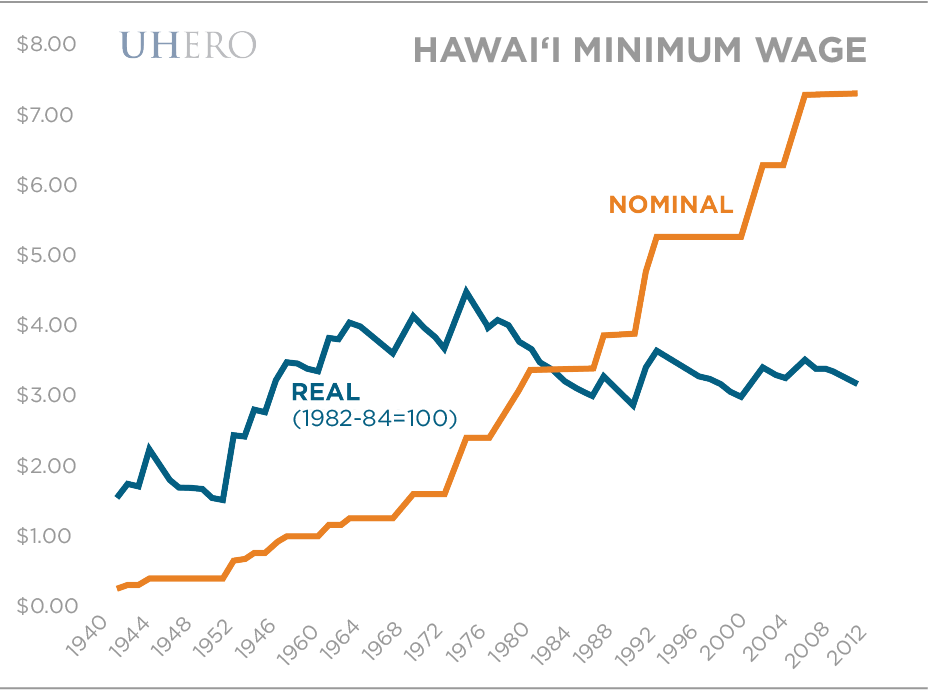
The long-term sustainability of living on minimum wage in Hawaii is a complex question. While the planned wage increases offer some relief, they will likely continue to chase the rising cost of living. For many, a minimum wage job serves as a stepping stone, necessitating upskilling or moving into higher-paying sectors to achieve a truly comfortable lifestyle.
Ultimately, the choice to live and work in Hawaii on an entry-level income is a deeply personal one, weighing financial constraints against the incomparable beauty and unique way of life. It requires resilience, resourcefulness, and a profound appreciation for the intangible rewards that “paradise” offers, even when the paycheck doesn’t fully reflect its value.
In conclusion, understanding the minimum wage in Hawaii is far more than knowing a number; it’s about grasping the intricate balance between economic reality and the desired lifestyle in one of the world’s most sought-after destinations. It shapes housing choices, daily expenditures, and the very fabric of one’s experience on these magnificent islands. For those who choose to call Hawaii home, especially on a minimum wage budget, it’s a journey of careful planning, smart choices, and a deep appreciation for the unique gifts that only Hawaii can offer.
LifeOutOfTheBox is a participant in the Amazon Services LLC Associates Program, an affiliate advertising program designed to provide a means for sites to earn advertising fees by advertising and linking to Amazon.com. Amazon, the Amazon logo, AmazonSupply, and the AmazonSupply logo are trademarks of Amazon.com, Inc. or its affiliates. As an Amazon Associate we earn affiliate commissions from qualifying purchases.