
As the year 2025 approaches, understanding the demographic landscape of a vibrant state like Connecticut becomes increasingly crucial, not just for policymakers and urban planners, but also for those interested in travel, tourism, and lifestyle trends. Connecticut, a captivating jewel in New England, continues to evolve, drawing new residents while retaining its cherished community spirit. The question of “How many people live in Connecticut 2025?” is more than a simple headcount; it’s a gateway to exploring the state’s growth, economic vitality, and its capacity to offer enriching experiences for both its inhabitants and countless visitors.
The state’s population dynamics significantly influence everything from the availability of accommodation and the development of new hotels to the types of attractions and services catering to diverse lifestyles. Whether one is considering a move to Connecticut, planning a vacation, or investing in the local economy, grasping these population trends offers invaluable insight into the future heartbeat of the Nutmeg State. While exact figures for 2025 are projections, current demographic shifts and socio-economic factors paint a clear picture of a state poised for gentle yet significant transformation.

Connecticut’s Demographic Landscape: A Glimpse into 2025
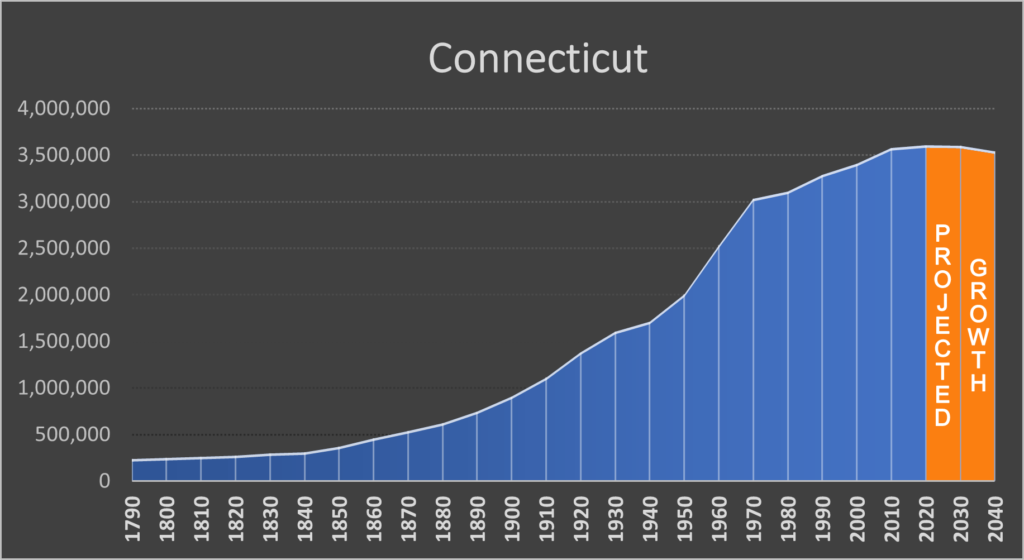
Connecticut’s population narrative is one of subtle shifts and enduring appeal. Historically, the state has experienced periods of both growth and slight decline, often influenced by broader national economic cycles and regional migration patterns. As we look towards 2025, projections suggest a relatively stable to slightly increasing population, building on recent trends that have seen some reversal of previous outflows. The state’s strategic location, coupled with its robust economy and high quality of life, remains a primary draw.
Current Population Trends and Projections
Based on recent United States Census Bureau data and ongoing demographic analyses, Connecticut’s population in the early 2020s hovers around 3.6 million people. Forecasting for 2025, experts anticipate this figure to remain relatively consistent, possibly experiencing a modest increase. This stability, or slight uptick, contrasts with earlier periods of stagnation and points to a renewed attractiveness. Key demographic drivers include a steady birth rate, an aging population, and perhaps most significantly, net migration.
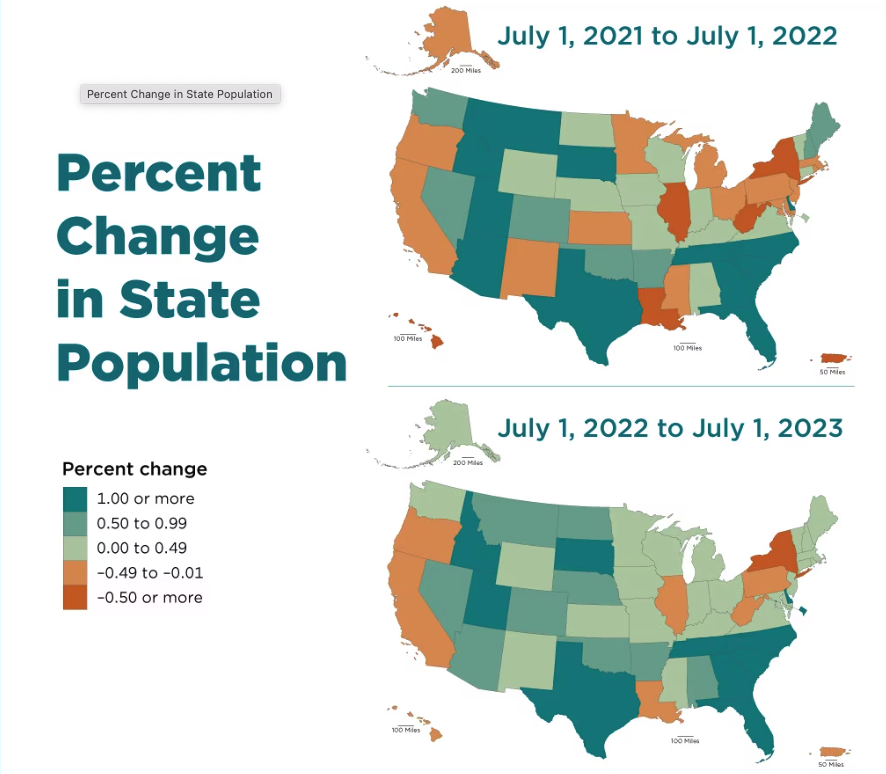
Migration patterns are particularly insightful. Connecticut has traditionally seen an outflow of residents, particularly younger demographics, to other states offering perceived greater opportunities or lower costs of living. However, recent years have witnessed a notable shift, partly fueled by the desire for more space and a better work-life balance, especially among those migrating from densely populated urban centers like New York City and Boston. This influx of new residents, often highly educated and with disposable income, is rejuvenating communities and contributing to the state’s economic dynamism. Suburban areas and smaller cities are experiencing a resurgence, benefiting from remote work capabilities that allow individuals to live in Connecticut while maintaining jobs in nearby metropolitan hubs. This trend directly impacts the demand for diverse housing options, from urban apartments to sprawling suburban homes, and influences the development of local infrastructure and services.
Key Factors Influencing Population Shifts
Several interconnected factors contribute to Connecticut’s evolving demographic profile.
- Economic Opportunities: Connecticut boasts a diverse economy with strong sectors in finance, insurance, advanced manufacturing, healthcare, and technology. Major employers and a thriving startup ecosystem continue to attract professionals. The presence of world-class institutions, like Yale University in New Haven, also acts as a magnet for students, academics, and research professionals, many of whom choose to stay post-graduation.
- Quality of Life: The state offers an exceptional quality of life, characterized by picturesque natural beauty, charming small towns, top-tier public and private schools, and a rich cultural scene. Its proximity to major East Coast cities means residents can enjoy a quieter, suburban or rural lifestyle while still having easy access to big-city amenities.
- Housing Market: While some areas, particularly in Fairfield County’s “Gold Coast,” have historically high housing costs, other regions of the state offer more affordable options. The current housing market is dynamic, with increased demand in many areas, influencing construction and real estate trends. The availability of diverse accommodation options, from historic homes to modern condos, caters to varied preferences and budgets.
- Infrastructure and Connectivity: Excellent transportation networks, including commuter rail lines and well-maintained highways, facilitate easy movement within the state and to neighboring states. Access to high-speed internet is widespread, supporting remote work and attracting businesses.
These factors combine to create a compelling environment that supports sustained population levels and even moderate growth, making Connecticut an attractive place to live for a broad spectrum of individuals and families in 2025.
The Interplay of Population and Connecticut Tourism
The projected population stability and slight growth for Connecticut in 2025 has profound implications for its tourism sector. A healthy resident population not only contributes to the local economy but also creates a vibrant cultural backdrop that enhances the visitor experience. Increased local engagement means more demand for local businesses, restaurants, and attractions, which in turn fuels investment in the tourism infrastructure.
Impact on Travel and Accommodation Sectors
A growing or stable resident population generally correlates with increased internal travel and a demand for more diverse accommodation options. Residents themselves become local tourists, exploring their own state’s hidden gems and contributing to the vitality of regional economies. This internal tourism complements the influx of external visitors, creating a robust demand for hotels, resorts, vacation rentals, and unique stays.
The hotels sector in Connecticut is continually adapting to meet these evolving demands. We see a rise in boutique hotels in charming towns like Ridgefield, offering personalized experiences. Larger cities such as Hartford and Stamford continue to develop modern, business-friendly hotels with conference facilities, catering to corporate travelers. For leisure seekers, coastal resorts along the Long Island Sound and serene country inns in the Litchfield Hills offer escapes focused on relaxation and natural beauty. Properties like the Saybrook Point Resort & Marina in Old Saybrook or The Mayflower Inn & Spa in Washington are examples of luxury accommodation that appeal to both affluent residents seeking staycations and high-end tourists.
The growth of residential communities also drives the need for extended-stay accommodation for those relocating, visiting family, or on temporary work assignments. This diversification ensures that Connecticut can comfortably host its growing population and an increasing number of tourists in 2025 and beyond.
Adapting to Evolving Lifestyle Needs of Residents and Visitors
The diverse and evolving lifestyle needs of both Connecticut residents and visitors are shaping the state’s tourism offerings. There’s a growing demand for experiential travel, sustainable tourism, and activities that cater to health and wellness. This includes farm-to-table dining experiences, outdoor adventure activities like hiking and kayaking on the Farmington River, and cultural immersion opportunities.
For residents, the emphasis is often on maintaining a high quality of life, with access to green spaces, community events, and diverse culinary options. For visitors, this translates into seeking authentic local experiences – from exploring the vibrant arts scene in New Haven to indulging in fresh seafood along the coast. The gaming resorts of Foxwoods Resort Casino and Mohegan Sun not only provide entertainment for tourists but also employ thousands of residents, contributing significantly to regional economies and offering a variety of lifestyle amenities. As the population stabilizes, towns and cities invest more in public parks, cultural centers, and local businesses that enhance the overall resident and visitor experience, making Connecticut an increasingly attractive destination.
Exploring Connecticut: Destinations, Landmarks, and Local Charm
Connecticut’s appeal as a place to live and visit is inextricably linked to its rich tapestry of destinations, iconic landmarks, and an unmistakable local charm. From bustling urban centers to serene coastal villages and rolling hills, the state offers a mosaic of experiences that cater to every travel preference.
Iconic Cities and Their Allure
Connecticut is home to several distinctive cities, each offering a unique flavor.
- Hartford: The state capital, Hartford, is a hub for insurance and finance, but it also boasts a rich history and cultural attractions. The Mark Twain House & Museum offers a glimpse into the life of one of America’s greatest authors, while The Wadsworth Atheneum Museum of Art and The Bushnell Center for the Performing Arts provide vibrant cultural experiences. Hartford’s revitalized downtown area, with new residential developments and dining options, continues to attract young professionals and contribute to its evolving urban lifestyle.
- New Haven: Home to the prestigious Yale University, New Haven is a city brimming with intellectual energy, a diverse culinary scene (famous for its pizza!), and a thriving arts community centered around venues like the Shubert Theatre. Its historic architecture and vibrant neighborhoods make it a compelling destination for cultural explorers.
- Stamford: A major corporate center in Fairfield County, Stamford has a dynamic downtown with high-rise hotels, luxury apartments, and a bustling nightlife. Its accessibility to New York City makes it a popular choice for commuters and businesses, fostering a fast-paced urban lifestyle.
- Greenwich: Synonymous with luxury and elegance, Greenwich is known for its opulent estates, high-end shopping on Greenwich Avenue, and picturesque coastline. It’s a prime example of Connecticut’s appeal to those seeking an affluent suburban lifestyle and offers upscale accommodation and fine dining.
- Mystic: A historic seaport town, Mystic offers a charming blend of maritime history and modern attractions. The Mystic Seaport Museum and the Mystic Aquarium are major draws, making it a popular family destination. Its quaint shops and restaurants make it a quintessential New England experience.
- New London: A historic port city, New London is rich in naval tradition and cultural heritage. It serves as a gateway to the maritime region of Connecticut, offering access to ferries to Long Island and Block Island, and hosting attractions like the Custom House Maritime Museum.
Natural Wonders and Cultural Gems
Beyond its cities, Connecticut is adorned with breathtaking natural beauty and a wealth of cultural landmarks.
- Coastal Beauty: The state’s southern border, hugging the Long Island Sound, features stunning beaches like Hammonasset Beach State Park and Silver Sands State Park, charming coastal towns, and picturesque islands like the Thimble Islands off the coast of Branford. These offer endless opportunities for boating, fishing, and seaside relaxation.
- Inland Retreats: The rolling hills of the Litchfield Hills in the northwest are renowned for their picturesque villages, vibrant fall foliage, and serene landscapes. Kent Falls State Park offers a spectacular multi-tiered waterfall, while Sleeping Giant State Park near Hamden provides challenging hikes with panoramic views. The majestic Connecticut River snakes through the heart of the state, offering scenic cruises and kayaking opportunities.
- Historic Landmarks: Connecticut is dotted with historic sites, from colonial-era homes to significant architectural achievements. Gillette Castle State Park, the eccentric former home of actor William Gillette overlooking the Connecticut River, is a popular attraction. The Goodspeed Opera House in East Haddam and the Florence Griswold Museum in Old Lyme, known as the “Home of American Impressionism,” are cultural treasures. For family fun, Lake Compounce in Bristol offers thrilling rides and entertainment.
- Arts and Culture: Beyond the major cities, many smaller towns foster vibrant arts communities, with galleries, theaters, and music venues. The Essex Steam Train & Riverboat offers a nostalgic journey through the Connecticut River Valley, blending historical travel with scenic beauty.
These diverse offerings ensure that Connecticut remains a sought-after destination, whether for a weekend getaway, an extended vacation, or a permanent relocation, supporting its stable population and attracting new visitors in 2025.
Forecasting Connecticut’s Future: A Hub for Living and Visiting
As we look towards 2025, the picture emerging for Connecticut’s population is one of resilience and steady evolution. While dramatic population surges are not anticipated, the state is poised for a period of stability, potentially slight growth, driven by a renewed appreciation for its balanced lifestyle, strong economy, and natural beauty. The question “How many people live in Connecticut 2025?” likely translates to a population figure holding firm around 3.6 to 3.7 million, with nuanced shifts in demographics and geographic distribution.
This sustained population base is a significant asset, reinforcing Connecticut’s position as a dynamic hub for both living and visiting. For residents, it means a continued investment in community infrastructure, public services, and cultural amenities that enrich daily life. For the travel and tourism industry, it signifies a healthy, engaged local market complemented by a steady stream of external visitors. The state’s array of hotels and diverse accommodation options are well-equipped to cater to these varying needs, ensuring comfortable stays for everyone from business travelers in Bridgeport and Waterbury to families exploring the coast near Norwalk or luxury seekers in Greenwich.
The state’s proactive approach to economic development, coupled with its commitment to preserving its natural and historical landmarks, ensures its enduring appeal. From the educational prowess of New Haven County to the corporate strength of Hartford County, the vibrant coastal communities of Middlesex County, and the rural charm of Windham County, Tolland County, and Litchfield County, Connecticut offers a spectrum of environments that cater to a wide range of lifestyles and interests.
In 2025, Connecticut will undoubtedly continue to be a destination that blends historical significance with modern opportunities, offering a high quality of life for its residents and memorable experiences for its guests. The state’s population, while not expected to explode, will be a testament to its intrinsic value and enduring attractiveness on the New England map. Whether you’re considering a permanent move or simply planning your next vacation, Connecticut promises a welcoming atmosphere and a wealth of discoveries.
LifeOutOfTheBox is a participant in the Amazon Services LLC Associates Program, an affiliate advertising program designed to provide a means for sites to earn advertising fees by advertising and linking to Amazon.com. Amazon, the Amazon logo, AmazonSupply, and the AmazonSupply logo are trademarks of Amazon.com, Inc. or its affiliates. As an Amazon Associate we earn affiliate commissions from qualifying purchases.