
The allure of living in Hawaii is undeniable. Pristine beaches, lush landscapes, and a vibrant culture beckon countless dreamers to trade their daily grind for the rhythm of island life. However, the romanticized vision often clashes with a stark reality: Hawaii consistently ranks as one of the most expensive places to live in the United States. For anyone contemplating a long-term stay, understanding the true cost of accommodation and associated living expenses is paramount. This article delves into the financial intricacies of making Hawaii your home, focusing specifically on the primary components that constitute the cost of a long-term stay.
The High Price of Paradise: Understanding Accommodation Costs
At the heart of Hawaii’s high cost of living are its accommodation expenses. Limited land, high demand, and the complexities of island logistics contribute to some of the nation’s steepest housing prices, whether you’re renting or considering ownership.
Renting vs. Buying: A Fundamental Decision
For most aspiring residents, renting is the initial, and often long-term, accommodation strategy. Rental prices vary dramatically depending on the island, neighborhood, and type of dwelling. Oahu, home to the state capital Honolulu, typically commands the highest rents due to its population density and economic hub status. A studio apartment in Honolulu can easily range from $1,500 to $2,500 per month, while a one-bedroom apartment might cost between $1,800 and $3,000+. For multi-bedroom units, prices escalate quickly, with two-bedroom apartments often starting at $2,500 and climbing well past $4,000 in desirable areas.
Other islands, while potentially offering a slight reprieve, are far from cheap. On Maui, for instance, a one-bedroom rental in areas like Lahaina can still hover around $2,000 to $3,500. The Big Island (officially Hawaii Island) and Kauai might offer slightly lower entry points, particularly for older units or those further from tourist centers, but expect one-bedroom apartments to still fall within the $1,500 to $2,500 range. These figures are not just for luxury units; they represent typical market rates for standard, long-term residential accommodation.
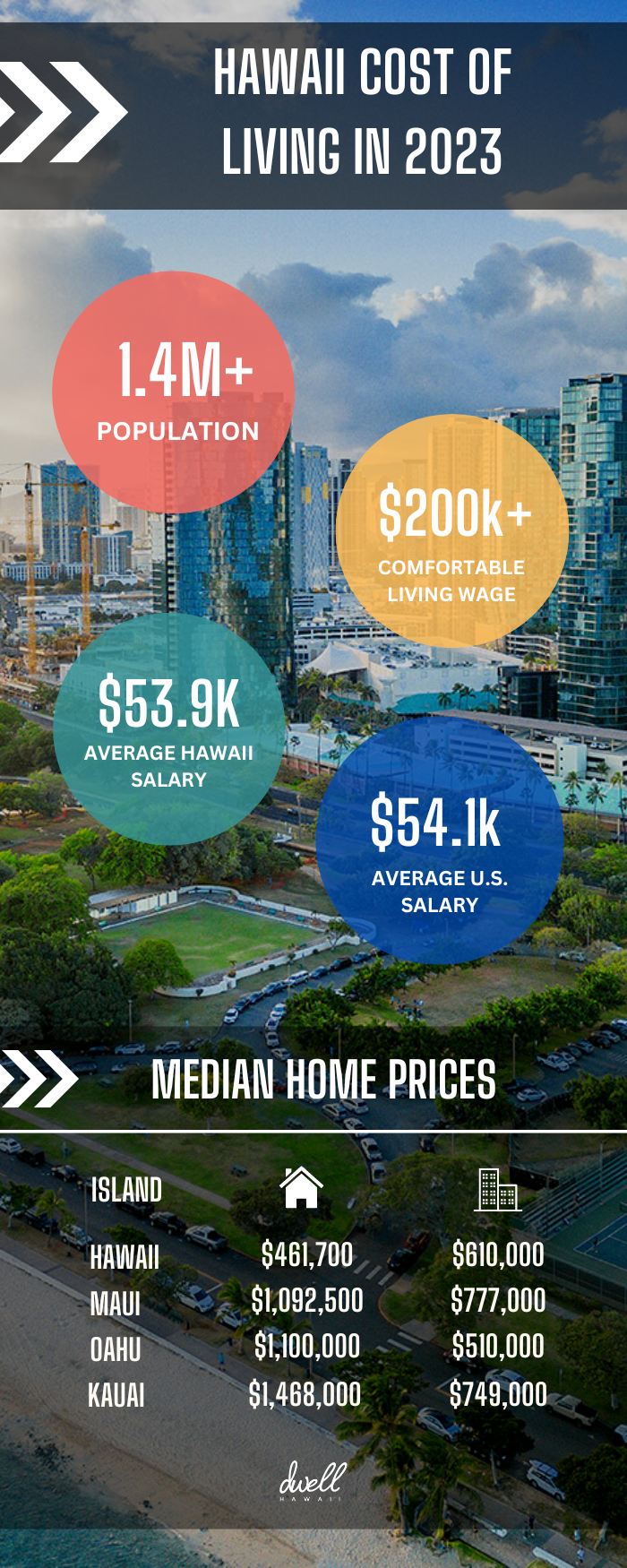
Homeownership, while an aspiration for many, presents an even more significant financial hurdle. Median home prices across Hawaii are consistently among the highest in the nation. Oahu’s median single-family home price frequently exceeds $1 million, with condos also fetching premium prices, often in the $500,000 to $800,000 range. Even on the Big Island or Kauai, median home prices are often well over $500,000. Beyond the initial purchase price, homeowners must contend with significant property taxes, mortgage interest, and substantial maintenance costs exacerbated by the humid, salty environment. For long-term accommodation, understanding these figures is crucial in assessing affordability.
Geographic Variations: Island by Island Breakdown
The cost of accommodation is deeply influenced by your chosen island and even specific neighborhoods.
- Oahu: As the most populous and economically active island, Oahu is the most expensive. Honolulu and its surrounding upscale communities like Kailua or Hawaii Kai represent the pinnacle of Hawaii’s housing market. Even more suburban or rural areas of Oahu will typically command higher rents and purchase prices than comparable properties on other islands.
- Maui: Known for its tourism and luxury resorts, Maui runs a close second to Oahu in terms of cost. Areas like Lahaina, Kihei, and Wailea are particularly pricey. Finding affordable long-term accommodation often means looking further inland or in less developed communities.
- Kauai: The Garden Isle offers stunning natural beauty but also a high cost of living, driven by its desirability and limited development. Rents and home prices are generally higher than on the Big Island but can be slightly less than Maui or Oahu, particularly in the less accessible north shore areas.
- Big Island: Generally considered the most “affordable” of the major islands, the Big Island offers more diverse price points. Areas like Hilo on the east side tend to be more affordable than the dryer, more tourist-centric west side around Kailua-Kona. The sheer size of the island means a wider range of housing types and prices, from remote, off-grid properties to suburban homes, making it a viable option for those seeking a more budget-conscious long-term stay.
Hidden Accommodation Fees and Deposits
When securing accommodation in Hawaii, be prepared for various additional costs beyond the advertised rent or purchase price. Renters will almost always need to pay a security deposit, typically equal to one month’s rent, sometimes more if a pet is involved (a pet deposit). Application fees, background check fees, and cleaning fees upon moving out are also common. For those purchasing condos, Homeowner’s Association (HOA) fees can be substantial, often ranging from $400 to $1,000+ per month, covering maintenance of common areas, amenities, and sometimes utilities. These fees are a recurring part of your long-term accommodation budget and cannot be overlooked.
Beyond Rent: Essential Utilities and Services
While accommodation costs are the biggest chunk, utility expenses in Hawaii are also notably higher than the mainland, directly impacting the overall cost of living and long-term stay.
Electricity and Air Conditioning
Hawaii has some of the highest electricity rates in the United States, largely due to its reliance on imported fossil fuels for power generation. A typical household’s electricity bill can range from $150 to $300 per month, sometimes much higher if air conditioning is used heavily. Given the tropical climate, many residents rely on AC, especially during warmer months, significantly impacting their monthly budget. Strategies like passive cooling, ceiling fans, and strategically opening windows can help mitigate these costs, but the base rate remains a significant factor in long-term living expenses.
Water, Sewer, and Trash Collection
Water and sewer costs are generally more manageable than electricity but still contribute to the overall monthly expenditure. Depending on usage and property type, these can range from $50 to $150 per month. Trash collection services are often included in HOA fees for condos or paid separately for single-family homes, usually averaging around $20-$40 per month. For long-term residents, budgeting for these essential services is a non-negotiable part of accommodation upkeep.
Internet and Cable Services
In today’s connected world, reliable internet is a necessity. Internet services in Hawaii are available from major providers, but prices tend to be higher than on the mainland. Expect to pay between $60 to $100 per month for decent internet speeds. Adding cable television packages can easily push this figure to $100-$200+. These are crucial services for long-term residents, whether for work, communication, or entertainment, and represent a consistent monthly cost tied to staying connected in your Hawaii home.
Daily Living Expenses Connected to Long-Term Stay
Beyond the direct costs of accommodation and utilities, daily living expenses are significantly impacted by Hawaii’s isolation and reliance on imports, further shaping the financial reality of a long-term stay.
Groceries and Food Costs
Almost all consumer goods must be shipped to Hawaii, leading to inflated grocery prices. Staples like milk, bread, and meat can be 30-50% more expensive than on the mainland. A monthly grocery bill for a single person can easily hit $400-$600, while a family might spend $1,000 or more. Dining out is also costly, with even casual meals quickly adding up. To manage food expenses, long-term residents often learn to prioritize local produce, shop at farmers’ markets, and cook at home extensively. This adjustment in lifestyle is directly tied to the financial sustainability of living in Hawaii.
Transportation Needs
Unless you live and work in the same walkable urban core, transportation costs are a significant consideration for long-term living. Car ownership is nearly essential on most islands outside of specific dense areas of Honolulu. The cost of purchasing a vehicle is comparable to the mainland, but shipping a car to Hawaii adds several thousand dollars. Gas prices are consistently among the highest in the nation, often $1-$2 per gallon more than the national average. Car insurance can also be pricier.
Oahu does offer a robust public transportation system called TheBus, which provides an affordable alternative for many Honolulu residents. However, on other islands, public transit options are limited, making a personal vehicle a necessity for daily commutes and access to services. The choice of where to live (your accommodation) is often dictated by its proximity to work or amenities, influencing the necessity and cost of transportation.
Healthcare and Insurance
Access to healthcare is vital for any long-term stay. Hawaii has a unique healthcare system, and while quality is generally high, costs can be substantial, especially for those without employer-provided insurance. Health insurance premiums can be costly, and out-of-pocket expenses for medical services, prescriptions, and dental care should be factored into your long-term budget. It is crucial to secure comprehensive health insurance coverage when planning to live in Hawaii to mitigate potentially devastating financial burdens from unforeseen medical needs.
Strategies for Affordable Long-Term Living in Hawaii
While the financial challenges of living in Hawaii are significant, strategic planning and lifestyle adjustments can make the dream of a long-term stay a reality for some.
Choosing the Right Island and Neighborhood
The most impactful decision for managing costs is often where you choose to establish your long-term accommodation. The Big Island generally offers the most affordable housing options, particularly in areas away from the popular Kailua-Kona coast, like Hilo or the more rural districts. On Oahu, seeking accommodation outside of Honolulu’s core, perhaps in central or leeward areas, can offer some savings, though the commute might lengthen. Researching specific neighborhoods and their historical rental or purchase prices is essential before committing. Focusing on areas less frequented by tourists often translates to lower accommodation costs for residents.
Lifestyle Adjustments and Budgeting
Embracing an “island lifestyle” often means making conscious choices to reduce expenses. Cooking at home using local produce (which can be more affordable than imported goods) will significantly cut down on food costs. Minimizing reliance on air conditioning, utilizing natural breezes, and strategically opening windows can drastically reduce electricity bills. Carpooling, using public transportation where available (like TheBus on Oahu), or opting for a scooter can lower transportation expenses. These adjustments are not just about saving money; they are often about integrating into the local way of life and appreciating the natural environment, which directly supports a more sustainable long-term stay.

Exploring Alternative Accommodation Models
For some, creative accommodation solutions can help manage costs. Sharing a multi-bedroom home with roommates is a common strategy, significantly reducing individual rental burdens. Exploring employee housing options, which are sometimes available in sectors like hospitality, healthcare, or agriculture, can also provide more affordable long-term living arrangements. While not a permanent solution, house-sitting gigs can offer temporary accommodation relief and a chance to experience different neighborhoods without the full financial commitment. These alternatives are often crucial stepping stones for individuals trying to establish a foothold in Hawaii.
In conclusion, living in Hawaii is an experience unlike any other, but it comes with a considerable price tag, especially concerning accommodation and the associated daily expenses that sustain a long-term stay. From the initial shock of rental prices or home purchase costs to the ongoing burden of utilities and groceries, a realistic financial assessment is critical. However, with careful planning, smart budgeting, and a willingness to adapt one’s lifestyle, the dream of calling Hawaii home remains achievable for those prepared to navigate its unique economic landscape.
LifeOutOfTheBox is a participant in the Amazon Services LLC Associates Program, an affiliate advertising program designed to provide a means for sites to earn advertising fees by advertising and linking to Amazon.com. Amazon, the Amazon logo, AmazonSupply, and the AmazonSupply logo are trademarks of Amazon.com, Inc. or its affiliates. As an Amazon Associate we earn affiliate commissions from qualifying purchases.