
The allure of Hawaii is undeniable. With its pristine beaches, vibrant culture, and breathtaking volcanic landscapes, it consistently ranks high on travel bucket lists. However, a common question that gives many prospective visitors pause is: “Is Hawaii expensive to visit?” The short answer is yes, it can be. Hawaii is known for being one of the pricier destinations in the United States, but that doesn’t mean a trip to paradise is out of reach. The longer, more nuanced answer is that the cost of visiting Hawaii is highly variable and depends significantly on your travel style, planning, and priorities. By understanding the key expense categories and adopting smart strategies, you can tailor a Hawaiian getaway that aligns with your budget, whether you’re dreaming of a luxurious escape or a more budget-conscious adventure. This guide will delve into the various costs associated with a Hawaiian vacation and offer insights on how to manage them effectively, ensuring your dream trip to the Aloha State becomes a reality.
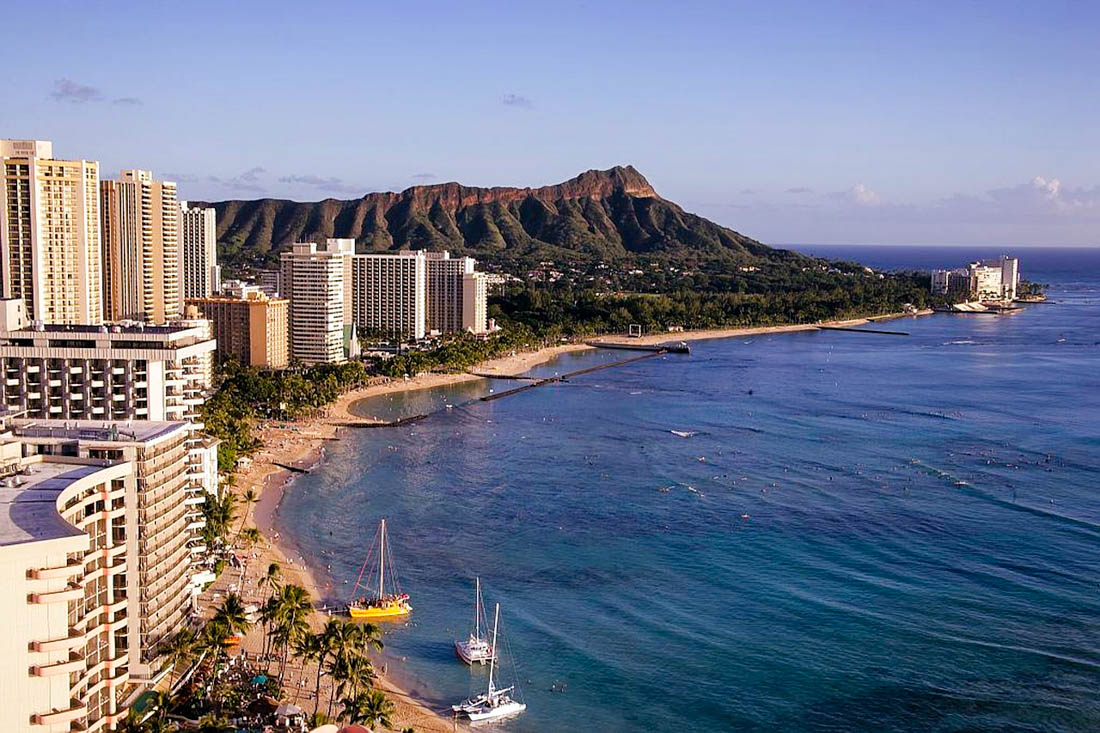
Understanding the Core Costs of a Hawaiian Getaway
A trip to Hawaii involves several primary expenditure categories, each offering opportunities for both significant savings and potential splurges. Breaking down these costs is the first step in constructing a realistic budget.
Airfare: The First Major Hurdle
For most visitors, especially those from the mainland United States or international destinations, airfare is often the single largest upfront expense. Given Hawaii’s remote location, flights tend to be more expensive than domestic trips within the continental U.S.
- Factors Influencing Cost: Airfare prices fluctuate wildly based on your departure city, the time of year you travel, how far in advance you book, and the airline you choose. Flights during peak seasons (winter holidays, spring break, summer) are naturally more expensive. Flying into major hubs like Honolulu International Airport (HNL) on Oahu or Kahului Airport (OGG) on Maui typically offers more competitive rates than direct flights to smaller island airports like Lihue Airport (LIH) on Kauai or Kona International Airport (KOA) on the Big Island.
- Tips for Savings: Be flexible with your travel dates, consider flying during the shoulder seasons (spring and fall), and book well in advance (3-6 months out is often ideal). Utilizing flight comparison websites and setting price alerts can help you snag a deal. Don’t forget inter-island flights, which are a necessary added expense if you plan to visit multiple islands.
Accommodation: From Budget to Luxury
Hawaii offers a vast spectrum of lodging options, ranging from humble hostels to world-renowned luxury resorts. Your choice here will heavily dictate your overall accommodation costs.
- Types of Accommodation:
- Luxury Resorts: Iconic properties like the Four Seasons Resort Maui at Wailea or The Ritz-Carlton Kapalua offer unparalleled amenities and service, but come with a hefty price tag, often upwards of $800-$1500+ per night.
- Mid-Range Hotels: You’ll find numerous reputable hotel chains in popular areas like Waikiki or Lahaina, with prices typically ranging from $250-$500 per night.
- Vacation Rentals (VRBO, Airbnb): These can be an excellent option for families or groups, offering kitchen facilities and more space. Prices vary widely based on location, size, and amenities, but can sometimes be more cost-effective than hotels, especially for longer stays.
- Budget Stays: Hostels, guesthouses, and some older motels offer more affordable options, often starting around $100-$200 per night, primarily found in less touristy areas or on certain islands.
- Island and Season Impact: Accommodation prices are generally highest on Maui and Kauai, followed by Oahu (though Waikiki can be pricey). The Big Island often presents slightly more affordable choices. As with airfare, peak season travel drives up accommodation costs across all islands.
Transportation on the Islands: Getting Around
Once you land, navigating the islands is another cost to consider. While some islands offer limited public transport, a rental car is often recommended for maximum flexibility.
- Rental Cars: Car rentals in Hawaii can be surprisingly expensive, especially in recent years due to supply issues. Prices can range from $70-$150+ per day, not including gas, which is also pricier in Hawaii than the mainland. Booking well in advance is crucial.
- Ride-Sharing & Taxis: Services like Uber and Lyft are available in more populated areas (e.g., Oahu, Maui) but can add up quickly for longer distances. Taxis are generally the most expensive option.
- Public Transportation: Oahu has “TheBus,” an extensive and affordable public transportation system that can get you to many attractions. Other islands have more limited or non-existent public transport, making a rental car almost essential for exploring beyond your resort.
- Shuttles & Tours: Many resorts offer airport shuttles, and booking organized tours often includes transportation, which can be a cost-effective alternative for specific excursions.
Food & Dining: Savoring the Islands
Eating in Hawaii can be a delightful experience, but it also carries a premium. Most goods are shipped in, contributing to higher grocery and restaurant prices.
- Restaurant Dining: Expect restaurant meals to be 15-30% higher than mainland prices. A casual dinner for two might cost $60-$100, while fine dining experiences can easily run $200+ per couple.
- Groceries: Even supermarket prices are elevated. Budgeting for groceries and cooking some meals, especially if you have a kitchen in your accommodation, can lead to significant savings. Local farmers’ markets offer fresh produce and can sometimes be more affordable.
- Local Eateries & Food Trucks: Exploring local plate lunch spots, food trucks, and farmers’ market vendors can provide delicious and more budget-friendly dining experiences, offering a taste of authentic Hawaiian cuisine.
- Luau Experiences: A traditional Hawaiian luau is a quintessential experience, but often costs $150-$250+ per person, including food, drinks, and entertainment.
Activities & Experiences: Making Memories
Hawaii offers an incredible array of activities, from free natural wonders to expensive guided tours.
- Free Activities: Hiking scenic trails (e.g., Diamond Head on Oahu, Waimea Canyon on Kauai), relaxing on public beaches, snorkeling from shore (bring your own gear), and watching sunsets are all free and unforgettable.
- Paid Attractions: Popular attractions like Pearl Harbor (though admission to the USS Arizona Memorial is free, other museums have fees), the Polynesian Cultural Center, and various botanical gardens typically have entrance fees ($20-$80+).
- Tours & Excursions: Activities such as surfing lessons, helicopter tours over the Na Pali Coast, whale watching excursions, scuba diving, and deep-sea fishing can range from $50 to several hundred dollars per person. Prioritize what truly excites you.
Strategies for a Budget-Friendly Hawaiian Adventure
While Hawaii has a reputation for being expensive, careful planning and smart choices can significantly reduce your overall costs without sacrificing the magic of the islands.
Timing Your Visit: Shoulder Seasons and Off-Peak
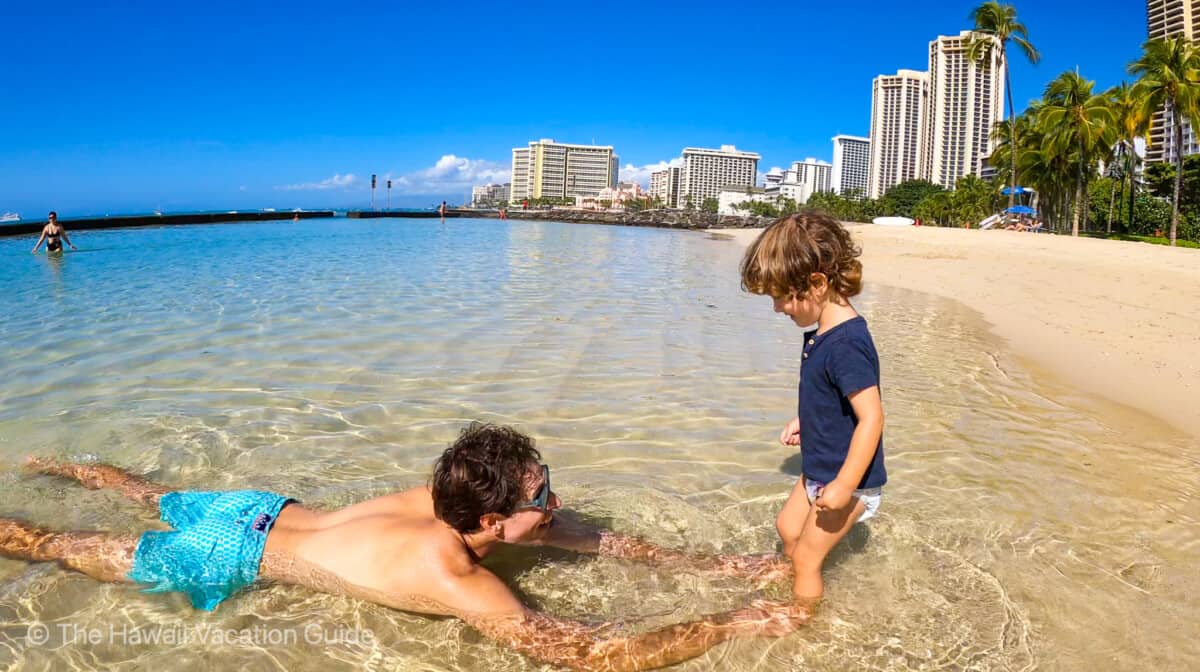
One of the most effective ways to save money is to travel during the less popular times of the year.
- Shoulder Seasons: Late spring (April-May, avoiding spring break) and early fall (September-November, avoiding Thanksgiving) offer a sweet spot. The weather is still fantastic, but crowds are thinner, and prices for airfare and accommodation drop noticeably.
- Off-Peak: Weekdays are generally cheaper for flights and even some activities than weekends. Avoiding major holidays entirely can lead to substantial savings.
Smart Accommodation Choices: Beyond Resorts
While the luxurious resorts are enticing, there are many alternatives that offer comfort and convenience at a lower price point.
- Consider Vacation Rentals: Airbnb or VRBO can provide fully equipped kitchens, allowing you to prepare some of your own meals and save on dining out. This is especially cost-effective for longer stays or groups.
- Look for Guesthouses or Boutique Hotels: Especially on islands like the Big Island or Kauai, charming local guesthouses can offer a more authentic experience at a fraction of the cost of large resorts.
- Stay Outside Major Tourist Hubs: While areas like Waikiki are convenient, venturing slightly outside the main tourist zones can yield more affordable lodging options.
Savvy Dining: Eating Like a Local
Food costs can quickly add up, but with a bit of strategy, you can enjoy delicious Hawaiian cuisine without breaking the bank.
- Cook Your Own Meals: If your accommodation has a kitchen, utilize it! Stock up on groceries from local supermarkets like Safeway or Costco (if you have a membership).
- Embrace Food Trucks and Plate Lunches: Hawaii is famous for its diverse and delicious food truck scene and local plate lunch establishments. These offer generous portions of authentic Hawaiian and Asian-inspired dishes at much lower prices than sit-down restaurants.
- Happy Hour Deals: Many restaurants offer excellent happy hour specials on both food and drinks, a great way to sample pricier establishments for less.
- Pack Snacks and Drinks: Always carry water, especially when hiking or spending time at the beach. Buying drinks at convenience stores will save you money compared to resort prices.
Free and Low-Cost Activities: Exploring Nature’s Bounty
Hawaii’s greatest treasures are its natural wonders, many of which are free or have minimal costs.
- Beach Hopping: Spend your days exploring the diverse and stunning public beaches on each island, from the white sands of Ka’anapali to the black sands of Punalu’u.
- Hiking: The islands are crisscrossed with incredible hiking trails for all skill levels. Explore volcanic landscapes, lush rainforests, and dramatic coastal cliffs. Popular hikes include the Diamond Head Summit Trail or portions of the Kalalau Trail on Kauai.
- Snorkeling from Shore: Bring your own snorkel gear or rent it for a few days to explore vibrant coral reefs and marine life directly from the beach at spots like Hanauma Bay (reservation often required) or Kealakekua Bay (from a tour boat or kayaks).
- Explore Local Towns and Markets: Wander through charming towns like Paia on Maui or Kailua-Kona on the Big Island, and visit local farmers’ markets for a taste of local culture and fresh produce.
When Splurging is Worth It: Elevating Your Hawaii Experience
While budget travel is entirely feasible, some experiences in Hawaii are truly once-in-a-lifetime and might be worth the investment if your budget allows.
Luxury Resorts and Exclusive Stays
For those seeking unparalleled relaxation and service, a stay at a world-class resort can be the highlight of a trip. Imagine waking up to ocean views at the Grand Hyatt Kauai Resort & Spa or experiencing the magic of Aulani, a Disney Resort & Spa with family. These resorts offer amenities, dining, and service that justify their higher price point for many travelers.
Unique Tours and Private Experiences
Some excursions provide an intimacy or perspective that justifies the higher cost.
- Helicopter Tours: Soaring over the active volcano of Kilauea on the Big Island or the cascading waterfalls of Molokai offers breathtaking views inaccessible by land.
- Private Boat Charters: Experience exclusive snorkeling spots, sunset cruises, or deep-sea fishing charters with a personalized touch.
- Stargazing on Mauna Kea: A guided tour to the summit of Mauna Kea on the Big Island for an unforgettable stargazing experience is highly recommended.
Fine Dining and Culinary Delights
Hawaii’s culinary scene is vibrant, featuring world-renowned chefs and farm-to-table excellence. Indulging in a memorable meal at a top restaurant, perhaps with a view of the sunset, can be a highlight for food enthusiasts. Consider one exceptional fine dining experience rather than many mediocre ones to manage costs.
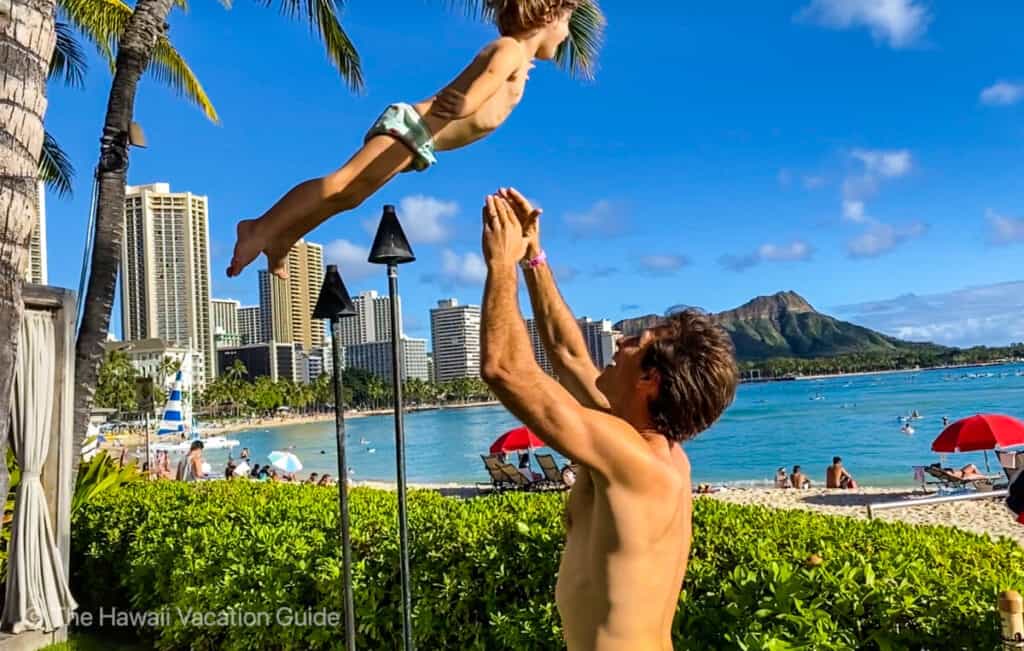
The True Value of a Hawaiian Trip
Ultimately, the question of whether Hawaii is expensive to visit is less about a fixed price tag and more about perceived value. While the monetary costs can be higher than many other destinations, the experiences offered by the Aloha State are often priceless. The opportunity to witness active volcanoes, swim with manta rays, immerse yourself in a rich indigenous culture, surf world-class waves, or simply unwind on a pristine beach under a swaying palm tree provides a return on investment that goes far beyond dollars and cents.
The warmth of the aloha spirit, the dramatic natural beauty, and the unique blend of cultures create a travel experience unlike any other. Whether you choose to travel on a shoestring budget or opt for lavish indulgence, the memories and rejuvenation gained from a Hawaiian vacation are invaluable. With careful planning, strategic budgeting, and an open mind, a trip to Hawaii can be both accessible and profoundly rewarding, proving that paradise, while perhaps not cheap, is indeed within reach.
LifeOutOfTheBox is a participant in the Amazon Services LLC Associates Program, an affiliate advertising program designed to provide a means for sites to earn advertising fees by advertising and linking to Amazon.com. Amazon, the Amazon logo, AmazonSupply, and the AmazonSupply logo are trademarks of Amazon.com, Inc. or its affiliates. As an Amazon Associate we earn affiliate commissions from qualifying purchases.