
One of the most common questions for anyone planning a trip to the enchanting Hawaiian Islands or even just curious about their geographical distinctiveness is, “Is Hawaii in the Pacific Time Zone?” The answer, unequivocally, is no. While Hawaii is undeniably located in the Pacific Ocean, it operates on its own unique time standard: Hawaii Standard Time (HST). This distinction is not merely a technicality but a crucial aspect of understanding the rhythm of island life, planning effective communication with the mainland United States, and preparing for the immersive experience that awaits visitors. Far from being a mere footnote in travel planning, Hawaii’s independent time zone is a fascinating facet of its identity, influencing everything from the pace of daily life to the practicalities of travel and business. This article delves into the specifics of Hawaii Standard Time, explores its implications for travelers and residents alike, and celebrates the unique “timelessness” that contributes to the islands’ unparalleled allure.
Understanding Hawaii Standard Time (HST)
To truly grasp the essence of Hawaii’s time zone, it’s essential to first understand its fundamental characteristics and how it diverges from the standard timekeeping practices observed across much of the mainland US. Hawaii Standard Time is a distinctive element of the islands’ unique identity, shaping daily life and travel considerations.
The Specifics of HST
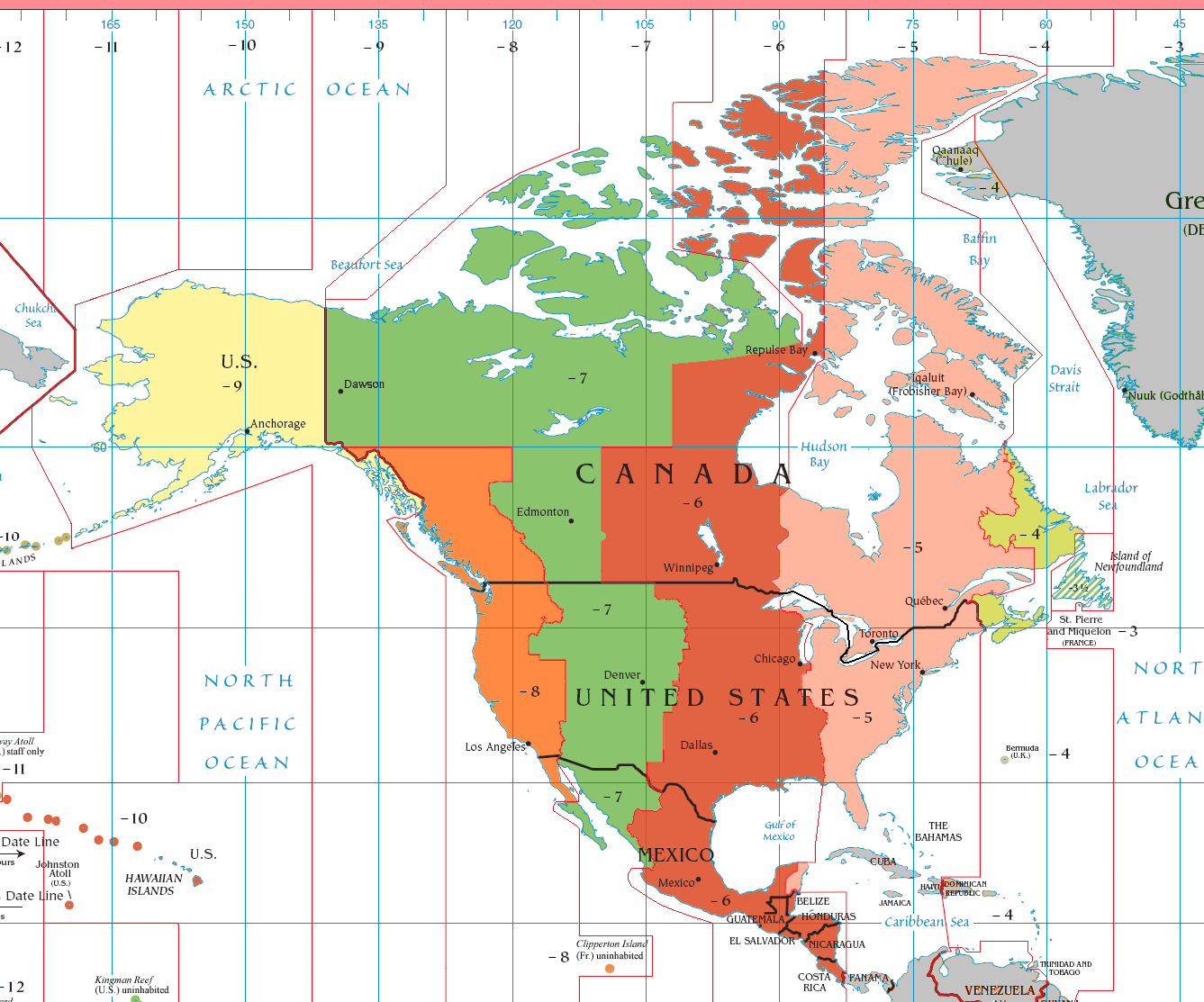
Hawaii Standard Time is officially designated as UTC-10 (Coordinated Universal Time minus 10 hours). This means that Hawaii is 10 hours behind UTC, the primary time standard by which the world regulates clocks and time. What truly sets HST apart from most other time zones in the United States is its steadfast refusal to observe Daylight Saving Time (DST). This means that the time in Hawaii remains constant throughout the entire year, never shifting forward in spring or backward in autumn. This consistent approach simplifies timekeeping for residents and offers a stable reference point for those interacting with the islands.
In contrast, the Pacific Time Zone, which encompasses states like California, Oregon, and Washington, operates on two distinct settings: Pacific Standard Time (PST) during the winter months (UTC-8) and Pacific Daylight Time (PDT) during the summer months (UTC-7). This annual shift creates a dynamic difference with Hawaii, as the time gap between the islands and the Pacific Coast widens during Daylight Saving Time. Understanding this fundamental difference is the first step in navigating the time zones effectively.
Why Hawaii Stands Alone
Hawaii’s decision to maintain a consistent time year-round stems from several practical and historical reasons. Geographically, Hawaii is far enough south of the Tropic of Cancer that the variation in daylight hours between summer and winter is not as dramatic as it is in higher latitudes. The practical benefits of Daylight Saving Time, such as extending evening daylight for energy saving or recreational activities, are simply not as pronounced or necessary in Hawaii’s tropical climate. The consistent length of days and nights makes the shift largely irrelevant and potentially disruptive to the natural rhythm of island life.
Furthermore, opting out of Daylight Saving Time simplifies daily routines for residents and avoids the confusion of changing clocks twice a year. This stable approach aligns with the relaxed “aloha spirit” that defines Hawaii, fostering a sense of continuity and reducing the need for constant adjustments. This choice underscores Hawaii’s desire to maintain its unique identity and optimize its timekeeping system for its specific environment and cultural values, rather than simply conforming to mainland practices.
Time Differences: Hawaii vs. the Mainland US
The time difference between Hawaii and the mainland United States is perhaps the most significant practical consideration for travelers and businesses alike. This gap varies depending on whether the mainland is observing Standard Time or Daylight Saving Time, making it crucial to be aware of the current season.
Navigating the Pacific Coast Connection
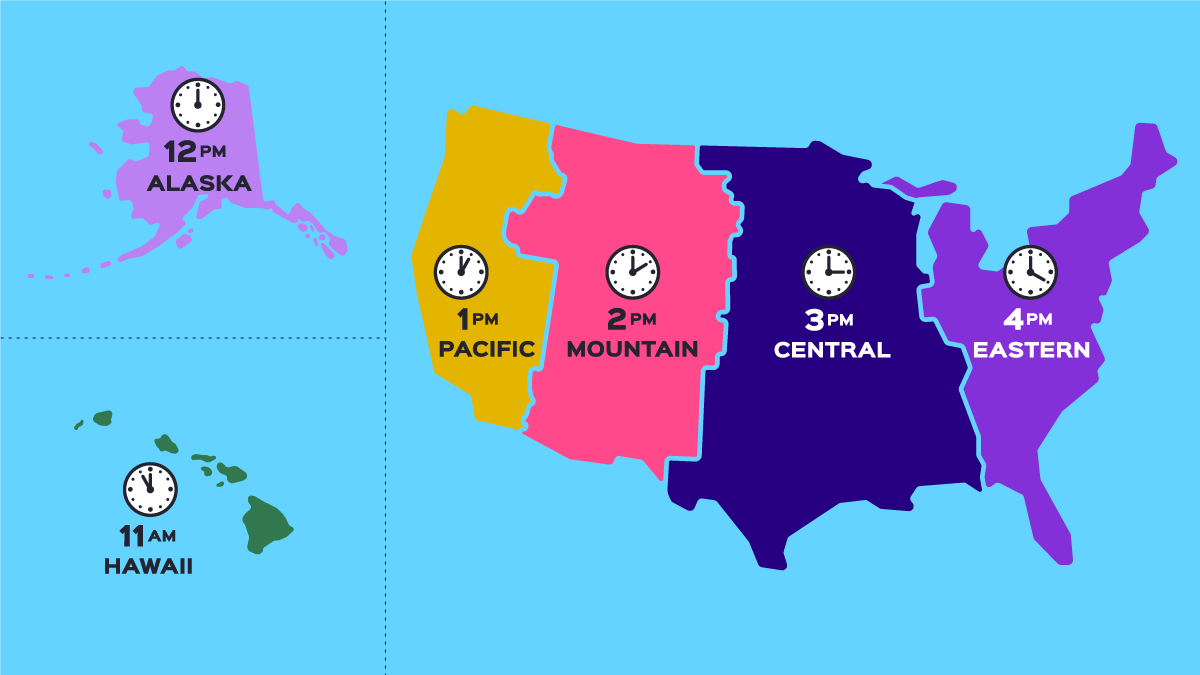
Since the initial question often revolves around the Pacific Time Zone, let’s start there. The difference between Hawaii Standard Time and the Pacific Time Zone fluctuates:
- During Pacific Standard Time (PST) (typically from early November to mid-March): Hawaii is two hours behind PST. For example, if it’s 12:00 PM in Los Angeles, it’s 10:00 AM in Honolulu.
- During Pacific Daylight Time (PDT) (typically from mid-March to early November): Hawaii is three hours behind PDT. So, when it’s 12:00 PM in San Francisco or Seattle, it’s 9:00 AM in Hawaii.
This shift is critical for scheduling flights, making calls, or coordinating with colleagues on the mainland. A seemingly small detail, it can lead to missed connections or appointments if not accounted for.
Beyond the Pacific
For a broader perspective, here’s how Hawaii Standard Time compares to other major US time zones:
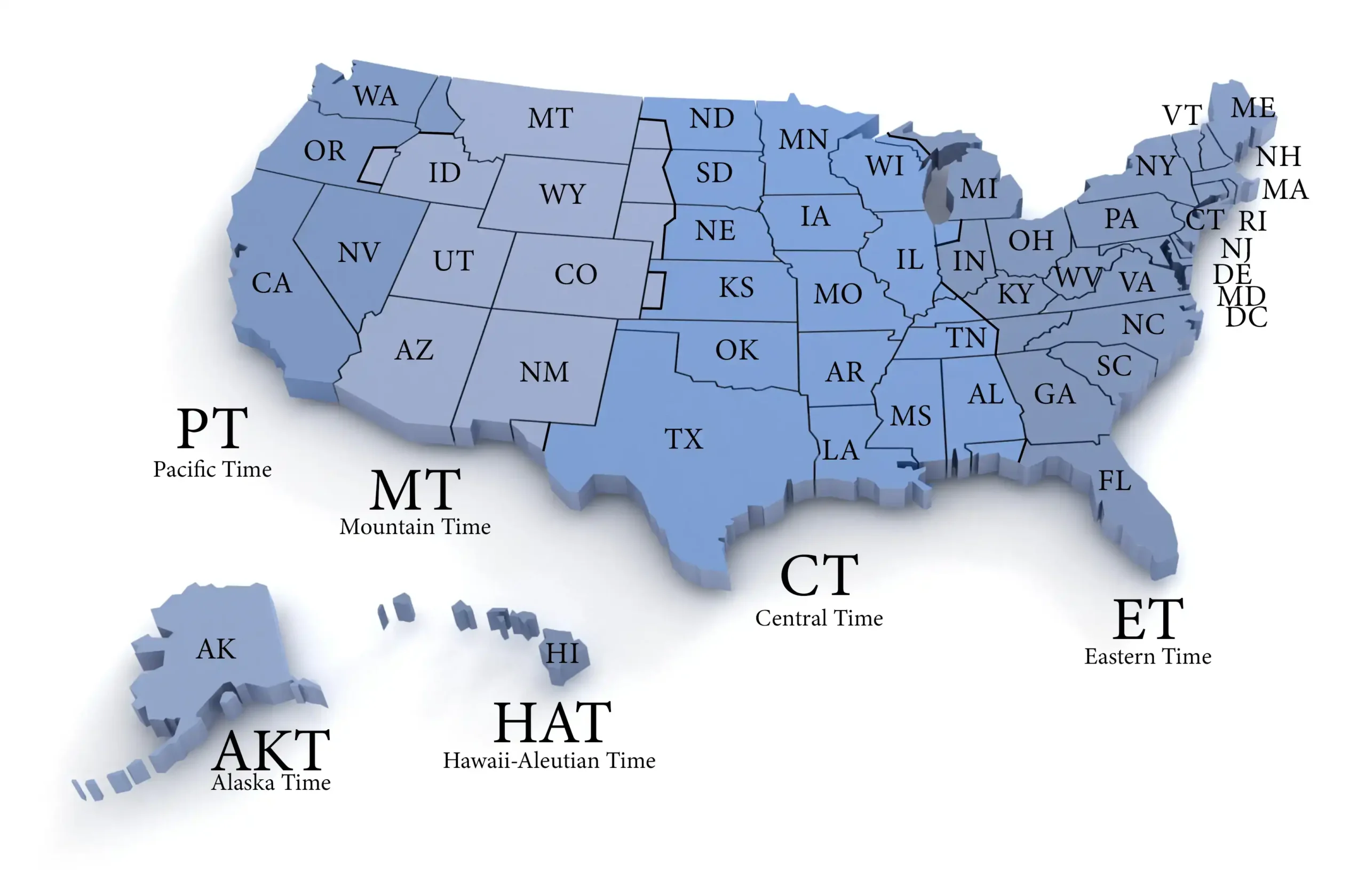
- Mountain Time Zone (MST/MDT): Hawaii is three hours behind MST and four hours behind MDT.
- Central Time Zone (CST/CDT): Hawaii is four hours behind CST and five hours behind CDT.
- Eastern Time Zone (EST/EDT): Hawaii is five hours behind EST and six hours behind EDT.
This progressively larger time difference highlights the geographical isolation of Hawaii from the continental US, reinforcing its unique position not just physically but chronologically. When traveling from the East Coast to Hawaii, the six-hour shift (during EDT) means landing potentially “earlier” than when you departed, creating a profound sense of temporal displacement that is both disorienting and exhilarating.
Practical Implications for Visiting Hawaii
Understanding Hawaii’s distinct time zone is more than just a matter of trivia; it has tangible practical implications for anyone planning a visit to the islands. From managing personal well-being to coordinating logistics, these considerations are integral to a smooth and enjoyable travel experience.
Overcoming Jet Lag
The most immediate and personal impact of the time difference, particularly for travelers arriving from the mainland US, is jet lag. Traveling westward, as one does when flying to Hawaii, generally means a longer perceived day, which can be easier to adjust to than eastbound travel. However, the significant time shift still requires careful management. A six-hour difference from the East Coast or even a two-to-three-hour shift from the Pacific Coast can disrupt your body’s natural circadian rhythms.
To minimize the effects of jet lag:
- Hydrate diligently: Drink plenty of water before, during, and after your flight.
- Adjust gradually: If possible, start shifting your sleep schedule a few days before departure, moving your bedtime and wake-up time closer to Hawaii Standard Time.
- Embrace natural light: Upon arrival, expose yourself to sunlight as much as possible, especially in the mornings, to help reset your internal clock.
- Stay active: Gentle activity on your first day can help, but avoid overexertion.
- Avoid excessive caffeine and alcohol: While tempting, these can exacerbate jet lag symptoms.
- Prioritize sleep: Allow yourself to rest when your body tells you to, even if it means an early night or a short nap.
Planning and Communication
Beyond personal adjustment, the time difference profoundly impacts the practical aspects of your trip.
- Flight and tour bookings: Always double-check flight times and the start times for any tours or activities, ensuring you’re working with HST. An early morning tour on Maui might feel incredibly early if your body clock is still on Eastern Time.
- Restaurant reservations: Dining in Hawaii often involves booking in advance, especially for popular spots. Be mindful of how your mainland body clock might influence your desired dining times in Hawaii.
- Communication with home: Staying in touch with friends, family, or colleagues back on the mainland requires careful planning. What might be a convenient evening call for you in Hawaii could be the middle of the night for someone on the East Coast. Apps that display multiple time zones are invaluable for this.
- Business considerations: For business travelers or those working remotely from Hawaii, aligning schedules with mainland operations can be challenging. Early mornings in Hawaii are often the only overlap with mainland business hours, meaning a different routine than usual.
Awareness and proactive planning will ensure that time differences enhance, rather than hinder, your Hawaiian experience.
Embracing Hawaii’s Unique Rhythm
Far from being a mere inconvenience, Hawaii’s distinct time zone, coupled with its non-observance of Daylight Saving Time, contributes significantly to the islands’ unique atmosphere and cultural rhythm. It fosters a sense of detachment from the hurried pace of the mainland and encourages a deep connection to the natural cycles of the sun and sea.
The Aloha Spirit and the Natural Clock
The consistent nature of Hawaii Standard Time means that sunrise and sunset times remain relatively stable throughout the year. This consistency encourages a lifestyle that is more in tune with the natural world. Mornings are often greeted with the soft glow of dawn, perfect for early surf sessions, beach walks, or a cup of Kona coffee on the lanai. Evenings bring dramatic sunsets that paint the sky, marking a clear end to the day’s activities and a transition to relaxation.
This natural rhythm is intrinsically linked to the “aloha spirit”—a philosophy of kindness, harmony, and grace. The absence of a time shift means that the island’s pulse remains steady, unperturbed by the twice-yearly scramble of changing clocks. This contributes to the relaxed, unhurried atmosphere that so many visitors seek. There’s an unspoken invitation to slow down, to live in the present, and to let go of the rigid schedules that often dictate life elsewhere. The time itself seems to flow differently in Hawaii, aligning with the gentle ebb and flow of the ocean tides rather than the ticking clock of modern life.
Hawaii as a Global Anomaly
Hawaii’s position as UTC-10 places it among the last populated landmasses to greet each new day, just east of the International Date Line. This proximity to the International Date Line, combined with its consistent time zone, makes Hawaii a unique chronological outpost. Only a few other places, such as Adak in the Aleutian Islands of Alaska, share a similar time zone in the United States. This geographical and temporal uniqueness reinforces the islands’ sense of being a world apart, a true escape from the ordinary.
In conclusion, while many initially assume Hawaii might fall into the Pacific Time Zone due to its location, the reality is that the islands proudly observe their own distinct Hawaii Standard Time (HST). This unwavering UTC-10 designation, devoid of any Daylight Saving Time adjustments, sets Hawaii apart from the rest of the United States and indeed, much of the world. Understanding these time differences is paramount for any traveler, enabling smoother planning, better communication, and a more comfortable adjustment to the islands’ rhythm. Beyond the practicalities, Hawaii’s unique chronological stance contributes to its profound sense of tranquility and connection to nature, inviting all who visit to shed their mainland stresses and embrace the timeless beauty of the Aloha Spirit. So, as you prepare for your journey to paradise, remember to set your clocks—and your internal pace—to Hawaii Standard Time, and prepare to experience a truly unique segment of the world.
LifeOutOfTheBox is a participant in the Amazon Services LLC Associates Program, an affiliate advertising program designed to provide a means for sites to earn advertising fees by advertising and linking to Amazon.com. Amazon, the Amazon logo, AmazonSupply, and the AmazonSupply logo are trademarks of Amazon.com, Inc. or its affiliates. As an Amazon Associate we earn affiliate commissions from qualifying purchases.