
Planning a trip to paradise often involves a myriad of details, from flights and accommodations to activities and packing lists. Amidst all this excitement, a seemingly simple question frequently arises for travelers from the mainland United States: “Is Hawaii PST?” It’s a query born from a desire for clarity, to understand how the islands operate and how much you’ll need to adjust your internal clock. The short answer is no, Hawaii does not observe Pacific Standard Time (PST). Instead, the entire Hawaiian archipelago adheres to its own unique time zone: Hawaii Standard Time (HST).
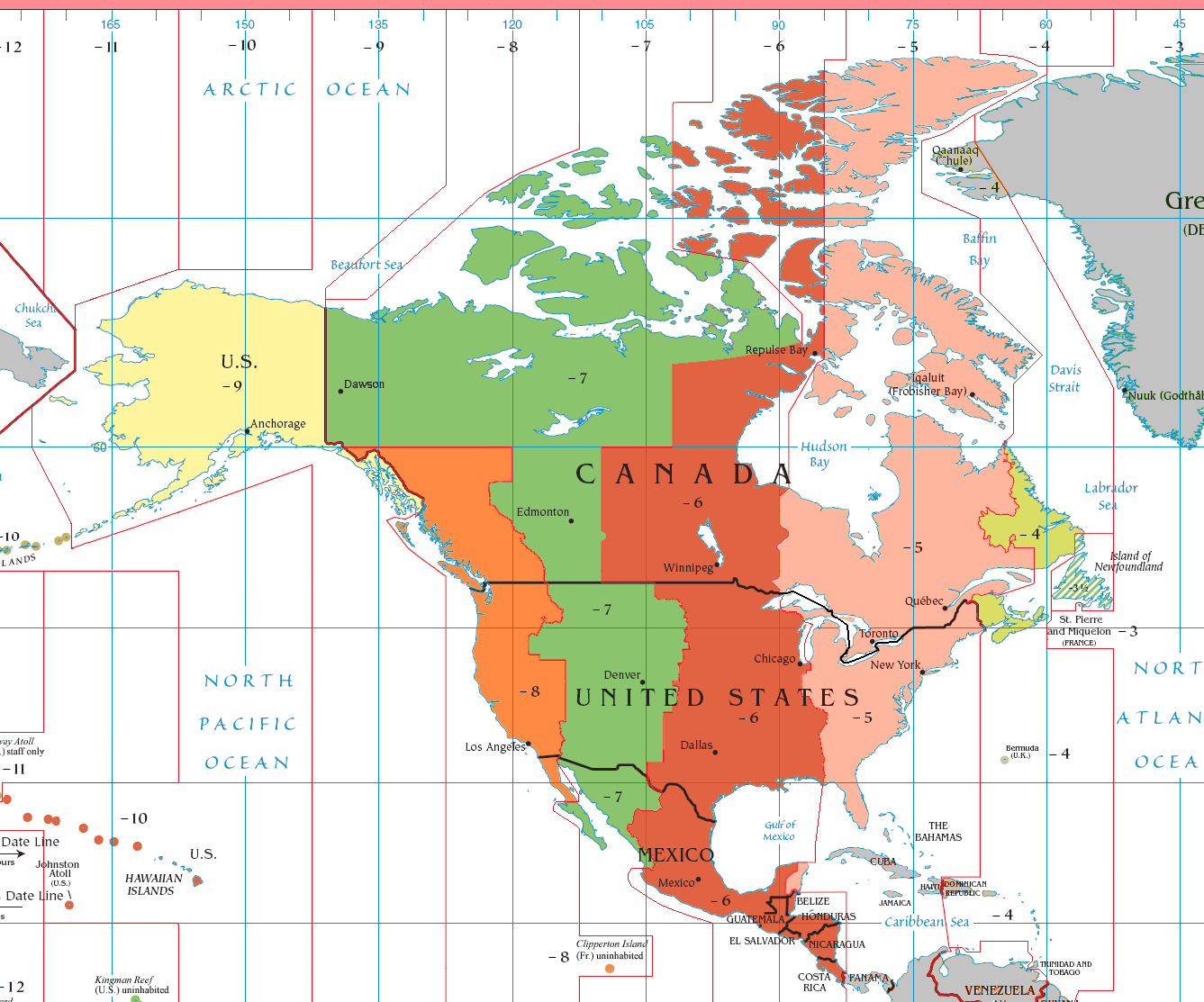
This distinction is more than just a matter of semantics; it has practical implications for every aspect of your travel, from managing jet lag to coordinating calls with loved ones back home. Understanding HST is fundamental to a seamless and enjoyable Hawaiian vacation, allowing you to fully immerse yourself in the laid-back rhythm of island life without constantly checking your watch. This guide will clarify everything you need to know about Hawaii’s time zone, its differences from mainland US time, and how to best prepare for a smooth transition to the aloha spirit.
Understanding Hawaii Standard Time (HST)
At the heart of the matter lies Hawaii Standard Time (HST), a unique time zone that dictates the rhythm of daily life across the islands. Far from being a mere variation of a mainland time, HST stands alone, influencing everything from the opening hours of attractions to the timing of your morning surf session.
What is HST?
Hawaii Standard Time is precisely 10 hours behind Coordinated Universal Time (UTC-10:00). This means that when it’s noon UTC, it’s 2 AM in Hawaii. This consistent offset is crucial because, unlike most of the continental United States and many other regions around the world, Hawaii does not observe Daylight Saving Time. This permanent adherence to a single time zone simplifies calculations but also means the time difference with other regions fluctuates throughout the year.
The Permanent Daylight Saving Difference
The fact that Hawaii does not observe Daylight Saving Time (DST) is a critical piece of information. This decision, rooted in practicality and tradition, means that the islands’ clocks never “spring forward” or “fall back.” While many parts of the world adjust their clocks twice a year, Hawaii remains steadfast at UTC-10:00. This has significant implications for travelers, particularly those coming from areas that do observe DST.
For instance, during the summer months, when Pacific Standard Time shifts to Pacific Daylight Time (PDT), the time difference between the US West Coast and Hawaii effectively increases. Understanding this constant state allows for more accurate planning and reduces potential confusion upon arrival.
Calculating the Time Difference
To truly grasp the time difference between Hawaii and the mainland, it’s essential to consider the impact of Daylight Saving Time in other zones.
-
During Standard Time (Roughly November to March):
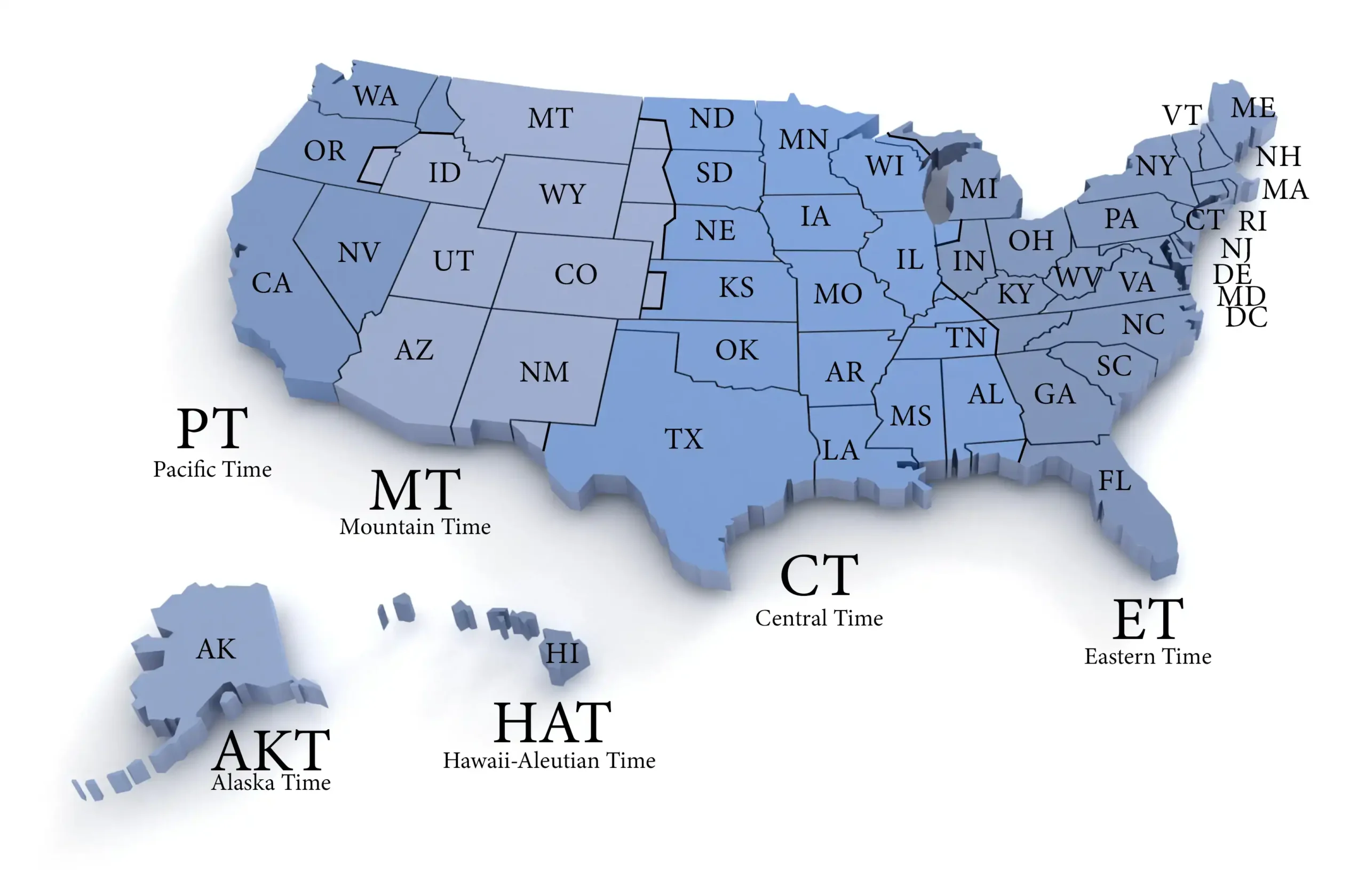
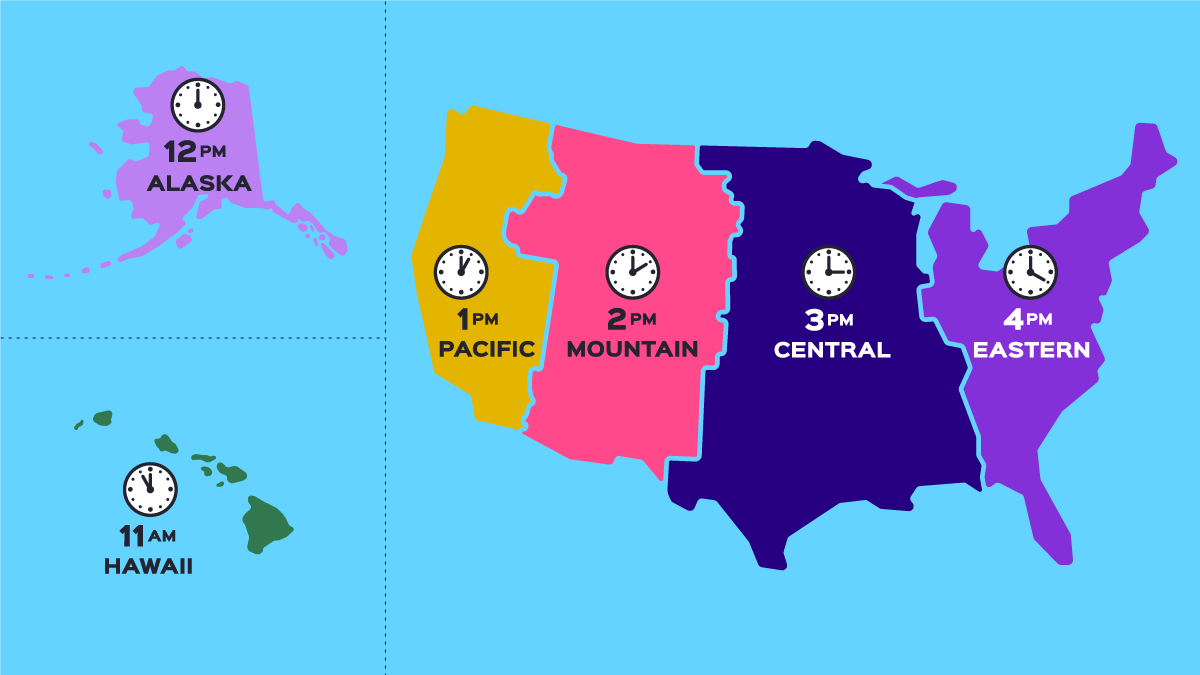
- Pacific Standard Time (PST) / UTC-8: Hawaii is 2 hours behind PST. If it’s 10 AM PST, it’s 8 AM HST.
- Mountain Standard Time (MST) / UTC-7: Hawaii is 3 hours behind MST. If it’s 10 AM MST, it’s 7 AM HST.
- Central Standard Time (CST) / UTC-6: Hawaii is 4 hours behind CST. If it’s 10 AM CST, it’s 6 AM HST.
- Eastern Standard Time (EST) / UTC-5: Hawaii is 5 hours behind EST. If it’s 10 AM EST, it’s 5 AM HST.
-
During Daylight Saving Time (Roughly March to November):
- Pacific Daylight Time (PDT) / UTC-7: Hawaii is 3 hours behind PDT. If it’s 10 AM PDT, it’s 7 AM HST.
- Mountain Daylight Time (MDT) / UTC-6: Hawaii is 4 hours behind MDT. If it’s 10 AM MDT, it’s 6 AM HST.
- Central Daylight Time (CDT) / UTC-5: Hawaii is 5 hours behind CDT. If it’s 10 AM CDT, it’s 5 AM HST.
- Eastern Daylight Time (EDT) / UTC-4: Hawaii is 6 hours behind EDT. If it’s 10 AM EDT, it’s 4 AM HST.
This constant shift means that during the summer months, the time difference can feel quite substantial, especially for those traveling from the East Coast. What might be an early afternoon for your colleagues or family on the mainland is still deep morning in Hawaii, or even the middle of the night.
Why Time Zones Matter for Your Hawaii Trip
While it might seem like a minor detail, understanding the time difference between your origin and Hawaii is crucial for several aspects of a successful and enjoyable trip. Neglecting this simple calculation can lead to missed connections, interrupted sleep, and a less fulfilling experience.
Beating Jet Lag
Jet lag is perhaps the most immediate and noticeable impact of crossing multiple time zones. Traveling to Hawaii from the mainland US typically means flying westward, which is often considered easier to adjust to than flying eastward. However, the 3-6 hour time difference can still throw your body’s circadian rhythm out of whack. Symptoms like fatigue, insomnia, irritability, and digestive issues can significantly detract from the first few days of your vacation.
Tips for Adjusting:
- Gradual Adjustment: Before you even leave, try to shift your sleep schedule by an hour or two each night to align closer with HST.
- Hydration and Light Meals: Stay well-hydrated before, during, and after your flight. Avoid heavy meals and excessive alcohol.
- Sunlight Exposure: Once you arrive, get outside into the natural sunlight as much as possible, especially in the mornings. This helps reset your internal clock.
- Adjust Immediately: Set your watch to HST as soon as you board the plane. Try to eat and sleep according to local time. Even if you don’t feel tired, a short nap upon arrival can help, but avoid long naps that might disrupt nighttime sleep.
Coordinating Travel Plans
From booking activities to staying in touch, accurate time zone awareness is key to smooth coordination.
- Flights and Transfers: All flight times are listed in local time. Double-check your arrival and departure times on your tickets, especially when connecting flights, to avoid any confusion caused by time zone changes. For example, a flight leaving Honolulu at 8 PM HST might land on the West Coast late at night or even the next morning, depending on the time difference.
- Tours and Activities: Most tour operators and attractions on Maui, Oahu, Kauai, or the Big Island will schedule activities according to HST. If you’ve booked a sunrise tour to Haleakala National Park or a Pearl Harbor excursion, ensure you’ve adjusted to local time to avoid missing out.
- Communication with Home: Family and friends back home might forget about the time difference. Clearly communicate your new time zone to them to avoid late-night calls for you or early-morning calls for them. Schedule specific times for important check-ins to prevent miscommunication.
Business and Remote Work Considerations
For those who combine leisure with work, or are on extended stays, the time difference can become a significant factor. Holding conference calls, attending virtual meetings, or meeting deadlines can be challenging if you’re not fully aware of the discrepancy. A 9 AM EST meeting, for example, would be 3 AM HST during Daylight Saving Time – an impractical hour for participation. Plan your work schedule meticulously, communicating your working hours to colleagues and clients to manage expectations. This might involve shifting your workday to later in the Hawaiian day to overlap with mainland business hours, or simply accepting that some tasks will require very early mornings or late nights.
A Day in Hawaii: Experiencing Life on HST
Embracing Hawaii Standard Time isn’t just about managing a clock; it’s about settling into the unique pace of the islands. The specific timing of sunrise, sunset, and local activities creates a distinct rhythm that is part of the Hawaiian experience.
Sunrise and Sunset Rhythms
Due to its proximity to the equator and its fixed time zone, Hawaii experiences relatively consistent sunrise and sunset times throughout the year, with less dramatic seasonal variation compared to higher latitudes. Sunrises typically occur between 6:00 AM and 7:15 AM HST, and sunsets between 5:45 PM and 7:15 PM HST.
For visitors from the mainland, especially during summer months, this means:
- Early Mornings: Even if you wake at what feels like a “normal” 7 or 8 AM from your home time zone, you might be experiencing a much earlier part of the Hawaiian day. This can be an incredible advantage for enjoying quiet beaches like Waikiki Beach or popular hiking trails like Diamond Head before the crowds arrive. The sun is up, the air is fresh, and the opportunities for exploration are vast.
- Early Evenings: Similarly, sunsets arrive relatively early. While this creates spectacular golden hours for photography and romantic dinners, it also means that if you’re planning evening activities or longer drives, you’ll need to account for the diminished daylight. Many outdoor activities, like snorkeling or exploring Volcanoes National Park, are best enjoyed with ample daylight.
Dining and Activity Schedules
Local businesses, from bustling markets to fine dining restaurants, operate entirely on HST. Your favorite breakfast spot might open at 6 AM HST, which could feel like 9 AM or 10 AM if you’re still adjusting from the East Coast. Similarly, popular dinner reservations might fill up quickly for 6 PM or 7 PM HST, which could feel like an early dinner if your body clock is lagging.
- Dining: Embrace the early morning hours for breakfast and enjoy an earlier dinner. Many restaurants cater to this schedule, and you might find yourself naturally falling into a routine of earlier meals, which can be refreshing.
- Activities: Tours to the Na Pali Coast or surfing lessons are scheduled with the local environment in mind – considering factors like tides, optimal light, and traffic. Being on HST helps you synchronize with these local rhythms rather than fighting against them.
Making the Most of Your Mornings and Evenings
The unique HST schedule encourages a different pace of travel. Capitalize on those “early” Hawaiian mornings for activities that benefit from fewer crowds and cooler temperatures. Think early morning hikes, beach walks, quiet swims, or even a paddleboard session. As the afternoon progresses and the sun intensifies, perhaps shift to shaded activities, museums, or simply relaxing by the pool.
Evenings, while arriving earlier, are perfect for savoring those breathtaking Hawaiian sunsets, enjoying a leisurely dinner, or attending a luau. The early arrival of night can also encourage earlier bedtimes, which is often beneficial for travelers trying to shake off jet lag and fully embrace the rest and rejuvenation that a Hawaiian vacation promises.
Practical Tips for a Smooth Time Zone Transition
Minimizing the disruption of a time zone change is key to hitting the ground running and maximizing your enjoyment in Hawaii. A few strategic adjustments can make all the difference.
Before You Go
- Adjust Your Sleep Schedule Gradually: A few days before your flight, try to go to bed an hour or two earlier (if traveling west) or later (if traveling east) than usual. This “pre-adjustment” can soften the shock to your system.
- Change Device Clocks: Update all your electronic devices (phone, laptop, smartwatch) to Hawaii Standard Time as soon as you board your flight. This mental shift helps you start thinking in local time immediately.
- Review Your Itinerary: Double-check all booking confirmations for tours, restaurant reservations, and activities against HST. If you’ve planned calls or virtual meetings, reconfirm the times with participants.
Upon Arrival
- Embrace Natural Light: As soon as you land, seek out natural sunlight. Spend time outdoors, even if it’s just a walk. Sunlight helps regulate your melatonin production, signaling to your brain that it’s daytime.
- Stay Hydrated: Dehydration can exacerbate jet lag symptoms. Drink plenty of water throughout your flight and stay well-hydrated during your stay.
- Resist Long Naps: While a short power nap (20-30 minutes) can be beneficial, avoid lengthy naps during the day, as they can interfere with your ability to sleep soundly at night.
- Eat According to Local Time: Try to eat your meals at typical Hawaiian meal times, even if you’re not particularly hungry. This helps re-establish your body’s internal clock.
- Move Your Body: Gentle exercise, like a walk on the beach or a swim, can help you feel more alert during the day and promote better sleep at night.
Staying Connected
- Time Zone Converter Apps: Download a reliable time zone converter app on your phone. This can be invaluable for quickly checking the time difference with your home location or other places you need to connect with.
- Communicate Clearly: When speaking with people not on HST, always confirm which time zone you’re referring to. For example, “Let’s chat at 3 PM Hawaii time” or “That’s 9 AM your time.”
- Set Realistic Expectations: Understand that some communication may be difficult due to significant time differences. Prioritize essential calls and be prepared to be flexible.
Beyond the Clock: Embracing the Aloha Spirit
Ultimately, understanding Hawaii Standard Time is about more than just numbers on a clock; it’s about tuning into the unique rhythm and philosophy of the islands. The time zone itself plays a subtle yet significant role in shaping the very essence of the “Aloha Spirit.”
The Laid-Back Pace
The absence of Daylight Saving Time, combined with the islands’ geographic isolation and stunning natural beauty, contributes to a distinctly unhurried pace of life. There’s a pervasive sense that things will get done when they get done, and rushing is often counterproductive. This laid-back attitude, or mana’o, is infectious and one of the most cherished aspects of a Hawaiian vacation. Your adjustment to HST isn’t just a biological process; it’s an invitation to slow down, breathe deeply, and align with this tranquil energy.
The relatively early sunsets encourage visitors to wind down earlier, perhaps with a relaxing evening stroll or a quiet dinner by the ocean, rather than a frantic rush through late-night activities. The early sunrises, meanwhile, beckon you to greet the day with fresh energy, taking advantage of the crisp morning air before the heat sets in.
Disconnecting and Recharging
For many, a trip to Hawaii is an opportunity to disconnect from the frantic pace of daily life and recharge. The time difference, initially a challenge, can become a blessing in disguise. It creates a natural barrier, making it harder to constantly check emails or engage in endless phone calls with the mainland. This forced disconnection allows you to fully immerse yourself in the present moment, appreciating the vibrant culture, breathtaking landscapes, and warm hospitality of the islands.
Whether you’re marveling at the sheer cliffs of the Na Pali Coast, learning to surf on Waikiki Beach, or simply enjoying a shave ice under a palm tree, the goal is to be fully present. The time difference helps facilitate this by creating a distinct temporal bubble, separating you from the urgencies of your everyday life.
In conclusion, while Hawaii is not PST, embracing Hawaii Standard Time is an integral part of experiencing the true essence of this magnificent destination. By understanding the time difference, preparing for the transition, and allowing yourself to sync with the local rhythm, you unlock the full potential of your island getaway. So, adjust your watches, breathe in the fragrant air, and let the timeless allure of Hawaii wash over you. The only “time” that truly matters here is island time.
LifeOutOfTheBox is a participant in the Amazon Services LLC Associates Program, an affiliate advertising program designed to provide a means for sites to earn advertising fees by advertising and linking to Amazon.com. Amazon, the Amazon logo, AmazonSupply, and the AmazonSupply logo are trademarks of Amazon.com, Inc. or its affiliates. As an Amazon Associate we earn affiliate commissions from qualifying purchases.