
The mention of Hawaii often conjures images of pristine beaches, lush volcanic landscapes, and the warm embrace of aloha. Yet, beneath the surface of this idyllic paradise lies a rich tapestry of history and culture, woven by the very first people to call these islands home. Understanding who the natives of Hawaii are, what they are called, and the profound depth of their heritage is not merely an academic exercise; it is an essential part of appreciating the islands themselves and engaging respectfully with their living culture. This article delves into the identity, history, and enduring legacy of Hawaii’s indigenous people, offering insights crucial for anyone seeking a deeper connection with this unique destination.

The Indigenous People of Hawaii: An Introduction
The indigenous inhabitants of the Hawaiian Islands are collectively known as Native Hawaiians, or in their own language, Kānaka Maoli. These terms carry significant weight, reflecting both their historical roots and their contemporary identity. To truly understand who they are, one must journey back through centuries of migration, cultural development, and resilience.
Unraveling the Terminology: “Native Hawaiian” vs. “Kānaka Maoli”
While “Native Hawaiian” is the widely recognized English term to describe the aboriginal people of the Hawaiian Islands, it often refers to individuals tracing their ancestry back to the people who inhabited Hawaii prior to the arrival of Captain James Cook in 1778. This term is frequently used in legal and governmental contexts, particularly when discussing issues of sovereignty, land rights, and federal recognition. The nuance of “Native Hawaiian” sometimes encompasses those with partial Hawaiian ancestry, highlighting the complexities of identity in a multi-ethnic society.
However, many prefer the term Kānaka Maoli, which translates directly from Hawaiian as “true people” or “indigenous people.” This self-designation is more than just a literal translation; it embodies a profound sense of cultural pride, connection to the land (aina), and a distinct political identity rooted in pre-colonial nationhood. Kānaka Maoli emphasizes their unbroken lineage and their inherent right to self-determination, distinct from the political frameworks imposed by external powers. Engaging with this term acknowledges a deeper level of respect for their self-identified heritage and sovereignty. Understanding the preference for Kānaka Maoli offers visitors a more nuanced appreciation of local perspectives and the ongoing efforts towards cultural and political revitalization.
A Brief History of Polynesian Migration
The story of the Kānaka Maoli begins thousands of years ago with the extraordinary voyaging traditions of the Polynesian people. These master navigators, using sophisticated knowledge of stars, currents, and swell patterns, embarked on epic journeys across the vast Pacific Ocean in double-hulled canoes, often covering thousands of miles without modern instruments. Their migration routes are a testament to human ingenuity and courage, pushing the boundaries of exploration long before European explorers ventured across oceans.
The first waves of settlers to arrive in Hawaii are believed to have come from the Marquesas Islands sometime between 300 and 800 AD. A second, larger wave of migration followed from Tahiti around the 11th century, bringing with them new cultural practices, deities, and social structures that further shaped the nascent Hawaiian society. These voyages were not mere accidental drifts but meticulously planned expeditions, carrying not only people but also plants, animals, and the entirety of their cultural knowledge to establish new communities on distant shores. Over centuries, these voyagers developed a unique and thriving culture, adapting to the specific environment of the Hawaiian archipelago and evolving into the distinct Kānaka Maoli society known today. This incredible history of exploration and settlement forms the bedrock of Native Hawaiian identity and their deep connection to the ocean and land.
The Deep Roots of Hawaiian Culture
The culture of the Kānaka Maoli is profoundly intricate and deeply intertwined with the natural world of the islands. It is a living culture, sustained through generations by oral traditions, artistic expressions, and a unique philosophical outlook that emphasizes harmony and respect. Understanding these cultural cornerstones enriches any visit to Hawaii and fosters a more meaningful engagement with the local community.
Language: Ka ‘Ōlelo Hawai’i
The Hawaiian language, or Ka ‘Ōlelo Hawai’i, is not merely a means of communication; it is a repository of Hawaiian thought, history, and identity. Derived from the Proto-Polynesian language, it is characterized by its melodic sounds and a relatively small alphabet of only 13 letters (five vowels and eight consonants, including the ‘okina, a glottal stop, and the kahakō, a macron indicating vowel length). For centuries, Ka ‘Ōlelo Hawai’i was the sole language of the islands, orally transmitting epic chants, genealogies, and stories.
However, following the overthrow of the Hawaiian Kingdom and the subsequent annexation by the United States, the use of Ka ‘Ōlelo Hawai’i was suppressed and even banned in schools, leading to a dramatic decline in the number of native speakers. By the mid-20th century, it was teetering on the brink of extinction. A remarkable cultural resurgence in the latter half of the century saw the establishment of Hawaiian language immersion schools, cultural programs, and university degrees, breathing new life into the language. Today, Ka ‘Ōlelo Hawai’i is an official language of the state of Hawaii alongside English, and its revitalization is a powerful symbol of Native Hawaiian resilience and cultural pride. Learning a few basic Hawaiian phrases, such as “Aloha” (hello/goodbye/love) and “Mahalo” (thank you), is a small but significant way to show respect for the local culture.
Spirituality and Belief Systems: Mana and Akua
Central to the Hawaiian worldview is a profound spiritual connection to the land, sea, and sky. This spiritual framework is often summarized by concepts like mana and akua. Mana refers to a sacred, impersonal force or power that resides in people, places, and objects. It is a life force, a spiritual energy that can be gained or lost, and it influences success, health, and well-being. Individuals, chiefs (ali’i), and skilled artisans could possess great mana, and specific places like sacred heiau (temples) or powerful natural formations were believed to hold immense spiritual energy.
Akua translates to “god” or “goddess,” and the traditional Hawaiian pantheon was rich with diverse deities governing various aspects of life and nature. Prominent figures include Pele, the goddess of volcanoes and fire, whose spirit is said to reside in Kīlauea volcano on Hawai’i Island (Big Island); Kanaloa, god of the ocean; and Laka, goddess of the hula. Ancestor worship (kūpuna) also played a crucial role, with the belief that the spirits of ancestors continued to guide and protect their descendants. These spiritual beliefs fostered a deep sense of reverence for the environment, viewing natural elements not as resources to be exploited but as sacred entities deserving of respect and stewardship. This spiritual bond to the aina (land) and kai (sea) underpins many contemporary Hawaiian cultural practices and conservation efforts.
Traditional Practices: Hula, Lua, and Navigation
Hawaiian culture is vibrant with traditional practices that have been preserved and revitalized over generations, offering powerful insights into the lives and values of the Kānaka Maoli.

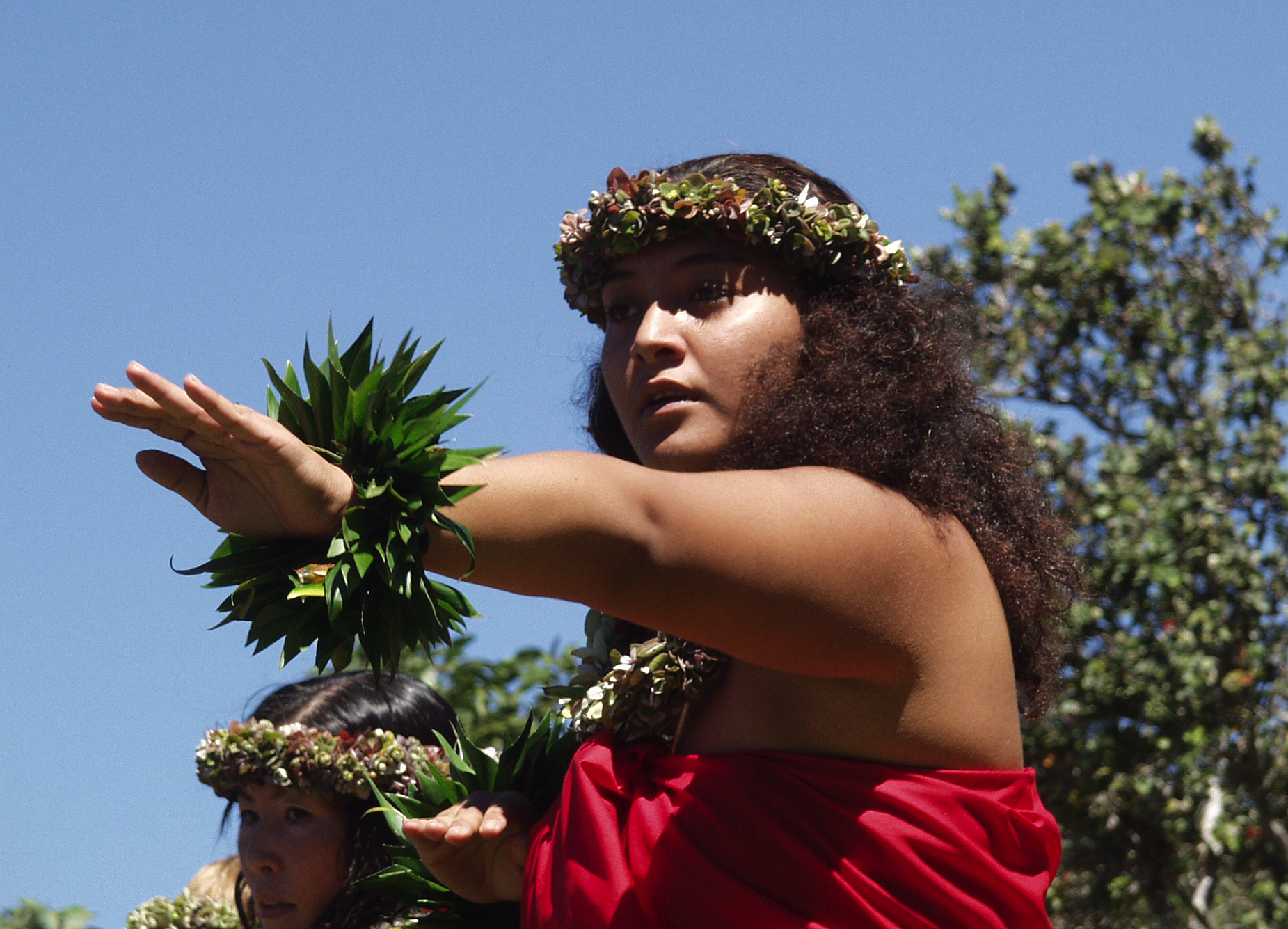
- Hula: More than just a dance, hula is a form of storytelling, spiritual expression, and historical record. Every movement, gesture, and chant (mele) has specific meaning, conveying ancient myths, praising chiefs, recounting historical events, or honoring the natural beauty of Hawaii. There are two main styles: Hula Kahiko (ancient hula), performed with traditional instruments and chants, reflecting its sacred origins; and Hula Auana (modern hula), which incorporates Western instruments and melodies while still retaining the core storytelling elements. Witnessing a hula performance is to experience a living connection to Hawaiian heritage.
- Lua: The ancient Hawaiian martial art of lua was a highly sophisticated system of self-defense and warfare, taught primarily to ali’i (chiefs) and their elite warriors. It encompassed bone breaking, joint locking, wrestling, and the use of various weapons such as spears and daggers. Lua training was rigorous, demanding immense physical and mental discipline. After centuries of being practiced in secrecy, there has been a significant resurgence in lua in recent decades, with practitioners dedicated to preserving this powerful aspect of Hawaiian martial heritage.
- Navigation: The incredible voyages that brought the first Polynesians to Hawaii were a testament to their unparalleled navigational skills. Without compasses or maps, they read the stars, observed ocean swells, tracked bird migrations, and interpreted cloud formations to guide their vast journeys. This intricate knowledge was passed down orally and through practical experience. The modern resurgence of traditional voyaging canoes, most famously the Hokule’a, has inspired global recognition for these ancient practices and serves as a powerful symbol of Native Hawaiian identity and resilience.
Contemporary Identity and Cultural Preservation Efforts
The Native Hawaiian community today is a dynamic blend of ancestral traditions and modern adaptations, continually working to preserve, revitalize, and share their unique cultural heritage amidst the complexities of the 21st century.
Cultural Resurgence and Revitalization
The late 20th century witnessed a powerful Hawaiian cultural renaissance, a period of intense effort to revive suppressed aspects of the culture. This movement was spurred by a growing sense of pride and a desire to reclaim what was nearly lost. Key to this resurgence was the revival of Ka ‘Ōlelo Hawai’i through immersion schools and community programs. Simultaneously, ancient practices like hula, traditional voyaging, and even the martial art of lua experienced renewed interest and dedicated efforts towards their perpetuation. Organizations like the Polynesian Voyaging Society have captivated global audiences with their traditional canoe voyages, demonstrating the continued relevance and power of ancestral knowledge. Festivals such as the Merrie Monarch Festival in Hilo celebrate hula at its highest level, attracting participants and spectators from around the world. These efforts are not just about preserving the past; they are about strengthening cultural identity and ensuring that future generations of Kānaka Maoli remain connected to their roots.
Challenges and Triumphs in Modern Hawaii
Despite the triumphs of cultural revitalization, Native Hawaiians continue to face significant challenges. These include issues related to sovereignty, land rights, affordable housing, education, and health disparities, many of which are legacies of historical injustices. The struggle for self-determination and the protection of sacred sites from commercial development or military use are ongoing battles. For example, the contentious issue of the Thirty Meter Telescope on Mauna Kea on Hawai’i Island highlights the tension between scientific advancement and the preservation of culturally sacred spaces.
Yet, amidst these challenges, there are numerous triumphs. Native Hawaiian activism has led to increased awareness and protection of cultural resources. Native Hawaiian-led organizations are at the forefront of conservation efforts, working to restore native ecosystems and perpetuate sustainable practices rooted in traditional Hawaiian values. Educational initiatives are empowering youth with both modern skills and deep cultural knowledge. The resilience and unwavering spirit of the Kānaka Maoli continue to inspire, demonstrating their enduring commitment to their heritage and their vision for a thriving future.
Engaging Respectfully with Hawaiian Culture
For visitors to Hawaii, understanding and respecting Native Hawaiian culture is paramount. This means moving beyond a superficial appreciation of the islands’ beauty to a deeper understanding of its people and their story. Some key ways to engage respectfully include:
- Learn basic Hawaiian phrases: A simple “Aloha” or “Mahalo” goes a long way.
- Support local Hawaiian businesses and artists: This directly contributes to the economic well-being and cultural perpetuation within the community.
- Visit cultural centers and museums: Places like the Bishop Museum in Honolulu offer invaluable insights into Hawaiian history and culture.
- Be mindful of sacred sites: Treat all natural and historical sites with reverence. Avoid removing rocks or sand, as this can be disrespectful and ecologically harmful.
- Educate yourself on local issues: Understand the history and contemporary struggles of the Native Hawaiian people.
- Practice mālama aina: “Care for the land.” Be a responsible traveler by minimizing your environmental impact and participating in volunteer efforts if opportunities arise.
By approaching Hawaii with an open heart and a willingness to learn, visitors can move beyond being mere tourists to become respectful guests, contributing positively to the islands and its people.
The Enduring Spirit of Aloha: A Global Message
The term “aloha” is perhaps the most universally recognized Hawaiian word, but its meaning extends far beyond a simple greeting. It encapsulates a profound philosophy of life, a spirit of compassion, kindness, grace, and harmony that is central to Hawaiian culture and serves as a guiding principle for the Kānaka Maoli.
Aloha Beyond a Greeting
The literal translation of aloha comes from ‘alo’ (presence, front, face) and ‘ha’ (breath of life, essence). Thus, aloha implies the “presence of breath” or “breath of life,” signifying a deep spiritual connection and mutual respect. To live with aloha means to treat others with love, empathy, and understanding, recognizing the inherent divinity in all beings. It is an invitation to live in harmony with oneself, others, and the natural world. This philosophy has guided Hawaiian society for centuries, fostering a sense of community (ohana) and collective well-being. When locals in Hawaii say “aloha,” they are not just saying hello; they are sharing a piece of their spiritual essence and inviting you to reciprocate with kindness and respect.
Responsibility and Stewardship: Mālama Aina
Inseparable from the spirit of aloha is the concept of mālama aina, which means “to care for the land.” For the Kānaka Maoli, the land is not merely property but a living entity, an ancestor, and the source of all life. This deep reverence for the natural environment is rooted in their creation stories and sustained by centuries of sustainable living practices. Traditional Hawaiian society was structured around ahupua’a, land divisions that stretched from the mountains to the sea, ensuring a balanced and self-sufficient use of resources.
Today, mālama aina continues to be a driving force behind conservation efforts and a call to action for all who live in or visit Hawaii. It encourages responsible interaction with the environment, from protecting coral reefs to preserving native forests. Embracing mālama aina means understanding your impact as a traveler, supporting sustainable tourism practices, and actively contributing to the preservation of Hawaii’s natural beauty for future generations.
In conclusion, the natives of Hawaii are known as Native Hawaiians or, more accurately and respectfully, Kānaka Maoli. Their story is one of incredible resilience, profound cultural depth, and an enduring connection to their ancestral lands. By taking the time to understand and honor their heritage, visitors can transform their experience of Hawaii from a simple vacation into a deeply meaningful journey of cultural discovery and respect.
LifeOutOfTheBox is a participant in the Amazon Services LLC Associates Program, an affiliate advertising program designed to provide a means for sites to earn advertising fees by advertising and linking to Amazon.com. Amazon, the Amazon logo, AmazonSupply, and the AmazonSupply logo are trademarks of Amazon.com, Inc. or its affiliates. As an Amazon Associate we earn affiliate commissions from qualifying purchases.