
A luau in Hawaii is far more than just a meal; it is a vibrant, immersive cultural celebration that embodies the spirit of aloha. For visitors to the Hawaiian Islands, attending a luau is often at the top of their must-do list, offering a captivating glimpse into the rich traditions, history, and hospitality of the local people. Rooted deeply in ancient Polynesian customs, a luau today is a festive gathering typically featuring traditional Hawaiian food, mesmerizing entertainment including hula and fire knife dancing, and a communal atmosphere that encourages sharing and celebration. It’s an experience designed to educate, entertain, and connect guests with the unique cultural tapestry of this Pacific paradise. From the welcoming lei greetings to the grand finale of performers telling stories through dance, a luau promises an unforgettable evening that captures the heart and soul of Hawaii.

The Historical Roots of the Luau
To truly appreciate a modern luau, one must understand its profound historical significance. The word “luau” itself refers to the taro leaf, which is a staple ingredient in many traditional Hawaiian dishes and was historically wrapped around food cooked in an imu (underground oven). The grand feasts we now call luaus were once known as ʻahaʻaina or pāʻina, which translates to “gathering for a meal.” These elaborate events marked significant occasions, such as births, successful harvests, royal celebrations, or victories in battle.
From Ancient Feasts to Modern Celebrations
Ancient Hawaiian feasts were central to social and political life. They were lavish affairs, sometimes involving thousands of guests, requiring immense preparation and resources. The food was meticulously prepared, often in large quantities to symbolize abundance and prosperity. The consumption of food was accompanied by storytelling, chants (oli), and various forms of entertainment, creating a holistic cultural experience rather than just a meal. These traditions of communal dining and celebration have been carefully preserved and adapted over centuries, forming the foundation of the luaus enjoyed today.
The Kapu System and its Overthrow
A crucial aspect of ancient Hawaiian society was the kapu (taboo) system, a strict set of laws and social norms that governed nearly every aspect of life, including dining. Under the kapu system, men and women were forbidden from eating together, and commoners were not allowed to eat certain foods reserved for chiefs. This changed dramatically in 1819, following the death of King Kamehameha I. His successor, King Kamehameha II, abolished the kapu system, symbolically demonstrating this by publicly eating with women, including his mother and the Queen Regent, Kaʻahumanu. This revolutionary act paved the way for men and women to dine together freely, making the communal feast, or luau as we know it, a possibility for everyone. This historical event transformed ʻahaʻaina into a symbol of unity and freedom, a legacy that continues to resonate in every luau.
The Essential Elements of a Hawaiian Luau
A luau is a sensory feast, meticulously designed to engage sight, sound, smell, and taste, while also invoking a deep sense of place and culture. Each component plays a vital role in creating the authentic Hawaiian experience.
A Feast for the Senses: Traditional Hawaiian Cuisine
The food is, without a doubt, a cornerstone of any luau. The centerpiece is almost always kālua puaʻa, a succulent roasted pig cooked for hours in an underground oven called an imu. This slow-cooking method results in tender, smoky pork that is shredded and served in abundance. Beyond the pig, the luau spread is typically extensive and diverse, offering a wide array of traditional Hawaiian dishes and often some contemporary fusion options to cater to various palates.
Expect to find:
- Poi: A staple food made from pounded taro root, often purple and with a distinct, slightly sour taste.
- Lomi Salmon: A refreshing side dish made from diced salmon, tomatoes, onions, and often green onions, typically served cold.
- Haupia: A traditional coconut milk-based dessert, similar to a firm gelatin or pudding, usually cut into squares.
- Poke: Cubes of raw fish (often tuna) marinated with various seasonings, a popular delicacy.
- Chicken Long Rice: Chicken, glass noodles, and ginger in a savory broth.
- Laulau: Pork and sometimes fish, wrapped in taro leaves and steamed until tender.
- Fresh Fruits: An abundance of local fruits like pineapple, papaya, and mango.
- Sweet Potato: Often baked or steamed, a naturally sweet and filling starch.
Many luaus also offer salads, rice, rolls, and various desserts to complement the traditional fare, ensuring there’s something for everyone.
Captivating Entertainment: Music, Hula, and Fire Dancing
The entertainment at a luau is as important as the food, serving to tell stories, preserve history, and celebrate the vibrancy of Polynesian cultures. Live music featuring ukuleles and slack-key guitars sets a festive mood, often accompanied by soulful Hawaiian singing.
The highlight of the evening is almost always the dance performances:
- Hula: More than just a dance, hula is a form of storytelling. Dancers use graceful hand movements, body posture, and facial expressions to narrate tales of gods, heroes, nature, and significant historical events. Both hula kahiko (ancient hula, often accompanied by chants and traditional instruments) and hula auana (modern hula, typically with contemporary music) are performed, showcasing the evolution and continuity of this sacred art form.
- Polynesian Dances: Many luaus extend their cultural showcase beyond Hawaii to include dances from other Polynesian islands, such as the vigorous siva from Samoa, the rhythmic ori Tahiti from Tahiti, and the powerful haka or warrior dances. This broadens the cultural understanding and adds dynamic variety to the show.
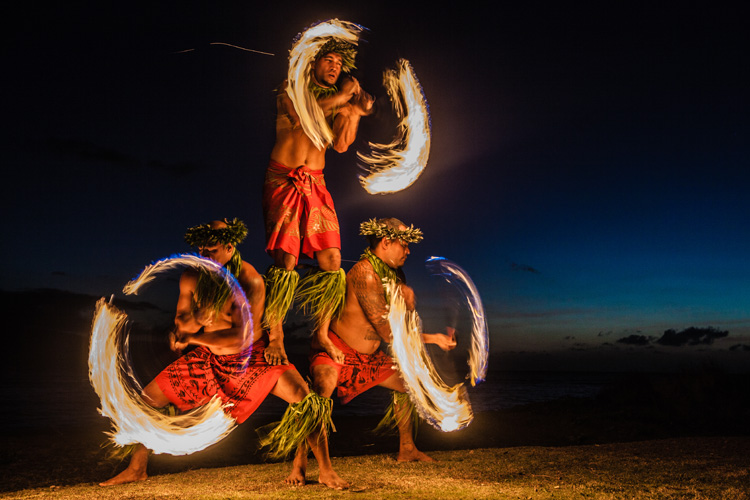
- Fire Knife Dancing (Samoan Sāmoa): Often the grand finale, fire knife dancing is a thrilling and dangerous performance where skilled dancers manipulate blazing knives with incredible agility and precision. Originating from Samoan warrior traditions, it’s a breathtaking display of strength, courage, and artistry that leaves audiences in awe.
The Spirit of Aloha: Ambiance and Hospitality
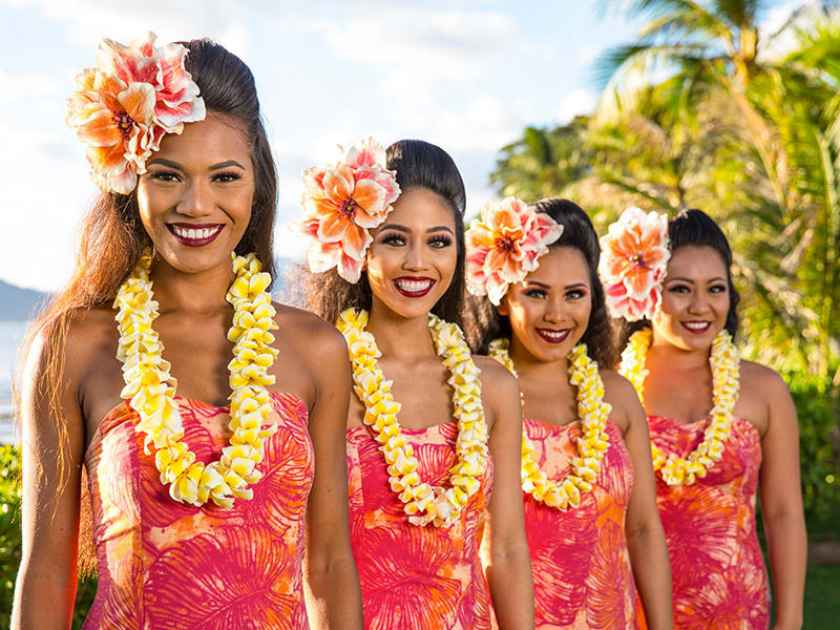
Beyond the tangible elements, the true magic of a luau lies in its ambiance and the pervasive “spirit of aloha.” From the moment guests arrive, they are greeted with warmth, often receiving a fresh flower lei, a traditional symbol of welcome and affection. The setting itself, typically outdoors with ocean views or lush tropical gardens, enhances the festive atmosphere. Long communal tables or intimate seating arrangements encourage interaction and a sense of shared experience. The hosts and performers are not just entertainers; they are storytellers and ambassadors of their culture, eager to share their heritage and make every guest feel like family. This genuine hospitality is what transforms a simple dinner show into a deeply moving cultural journey.
What to Expect at a Contemporary Luau
Modern luaus, while honoring ancient traditions, are also designed to offer a comfortable and engaging experience for contemporary visitors. They typically follow a structured program, ensuring guests get to enjoy all facets of the celebration.
Welcoming Rituals and Lei Greetings
Your luau experience usually begins with a traditional Hawaiian welcome. Upon arrival, guests are often presented with a fresh flower lei, a symbol of honor and friendship, setting a tone of warmth and hospitality. Many luaus also offer an open bar, serving tropical cocktails like mai tais, alongside non-alcoholic options. Before dinner, there may be cultural demonstrations such as hula lessons, lei making, or traditional games, allowing guests to actively participate and learn about Hawaiian customs. This pre-dinner activity period is an excellent opportunity to mingle, take photos, and soak in the festive atmosphere.
The Imu Ceremony: Unearthing the Kalua Pig
A highlight for many attendees is the imu ceremony. This involves the ceremonial unearthing of the kālua puaʻa (roasted pig) from the imu, the underground oven where it has slow-cooked for several hours. This demonstration provides a fascinating insight into an ancient cooking technique and builds anticipation for the feast to come. The sight and aroma of the perfectly cooked pig emerging from the earth are often met with applause and wonder, connecting guests directly to the origins of this traditional dish.
Diverse Offerings: Beyond the Traditional Fare
While traditional dishes are central, most modern luaus understand the diverse palates of their international guests. Buffets often include more familiar options such as grilled chicken, fish, salads, pasta, and a variety of desserts to ensure that even the less adventurous eaters find something they enjoy. Vegetarian and vegan options are also becoming increasingly common. The goal is to provide a comprehensive culinary experience that satisfies everyone while still showcasing the authentic flavors of Hawaii.
Choosing Your Perfect Luau Experience
With numerous luaus offered across the Hawaiian Islands, selecting the right one can enhance your trip significantly. Each luau has its unique flavor, blending tradition with varying levels of entertainment and accessibility.
Factors to Consider: Authenticity vs. Entertainment Value
When choosing a luau, consider what you prioritize. Some luaus strive for a higher degree of historical accuracy and traditional practices, offering a more intimate and educational experience. The Old Lahaina Luau on Maui, for instance, is renowned for its commitment to traditional Hawaiian culture and authenticity, showcasing only Hawaiian dances. Other luaus might prioritize large-scale entertainment, featuring elaborate stage productions with performers from various Polynesian islands and dazzling fire shows, often in resort settings. The Polynesian Cultural Center on Oahu is a prime example of a larger, immersive experience focusing on multiple Polynesian cultures. Determine if you seek a more educational, culturally deep dive or a more spectacular, broad entertainment spectacle.
Top Luau Destinations Across the Islands
Each island offers exceptional luau experiences:
- Oahu: Being the most populated island, Oahu boasts a wide variety of luaus, from those in Waikiki to more remote options on the North Shore. Popular choices include the Polynesian Cultural Center’s Aliʻi Luau for its comprehensive cultural village experience, and Germaine’s Luau for its lively, party atmosphere.
- Maui: Maui is home to some of the most highly-rated luaus. The Old Lahaina Luau is celebrated for its authenticity and oceanfront setting. Other popular options include the Feast at Lele, which offers table service with specific Polynesian cuisines, and the Drums of the Pacific Luau at the Hyatt Regency Maui.
- Big Island: The Big Island (also known as Hawaii Island) offers luaus that often highlight its volcanic landscape and unique history. The Island Breeze Luau at the Courtyard King Kamehameha’s Kona Beach Hotel is well-regarded for its historical setting and robust entertainment.
- Kauai: Known as the “Garden Isle,” Kauai offers lush backdrops for its luaus. The Smith Family Garden Luau is a long-standing favorite, celebrated for its beautiful garden setting and family-friendly atmosphere.
Tips for an Unforgettable Evening
To make the most of your luau experience:
- Book in Advance: Especially during peak season, popular luaus can sell out quickly.
- Arrive Early: This allows you to enjoy the pre-dinner activities, find good seating, and soak in the atmosphere.
- Dress Comfortably: Casual resort wear, sundresses, or aloha shirts are perfect. Remember to wear comfortable shoes, as there might be some walking.
- Stay Hydrated: With open bars and tropical weather, it’s easy to forget to drink water.
- Engage with the Culture: Participate in the activities, ask questions, and be open to learning about Hawaiian traditions.
- Bring a Camera: You’ll want to capture the vibrant performances and beautiful scenery.
Attending a luau is an integral part of the Hawaiian travel experience, offering a unique blend of history, culinary delight, and captivating entertainment. It’s an opportunity to connect with the heart of Hawaii, embracing the warmth of its people and the richness of its enduring culture.
LifeOutOfTheBox is a participant in the Amazon Services LLC Associates Program, an affiliate advertising program designed to provide a means for sites to earn advertising fees by advertising and linking to Amazon.com. Amazon, the Amazon logo, AmazonSupply, and the AmazonSupply logo are trademarks of Amazon.com, Inc. or its affiliates. As an Amazon Associate we earn affiliate commissions from qualifying purchases.