
“Blue Hawaii” is a phrase that conjures images far beyond its initial interpretation as a vibrant, sweet cocktail or a classic Elvis Presley film. It is, in essence, an evocative descriptor of the very soul of the Hawaiian Islands—a multifaceted experience woven from the archipelago’s breathtaking natural beauty, its rich local culture, distinctive culinary delights, and the myriad activities that celebrate its unique spirit. For travelers seeking to immerse themselves in the authentic essence of Hawaii, understanding “Blue Hawaii” means embracing the spectrum of experiences that make this destination truly unforgettable, from the azure hues of its Pacific waters to the deep cultural traditions that define its people.
The concept of “Blue Hawaii” transcends simple categorization, evolving into a holistic representation of an ideal tropical escape. It encapsulates the feeling of serene wonder inspired by endless blue skies and oceans, the warmth of aloha culture, and the thrill of discovery amidst volcanic landscapes and verdant rainforests. This exploration will delve into the various facets of “Blue Hawaii,” illuminating how this seemingly simple phrase embodies a profound and cherished vision of paradise, guiding prospective visitors to discover their own slice of this vibrant blue haven.
The Iconic Blue Hawaii Cocktail
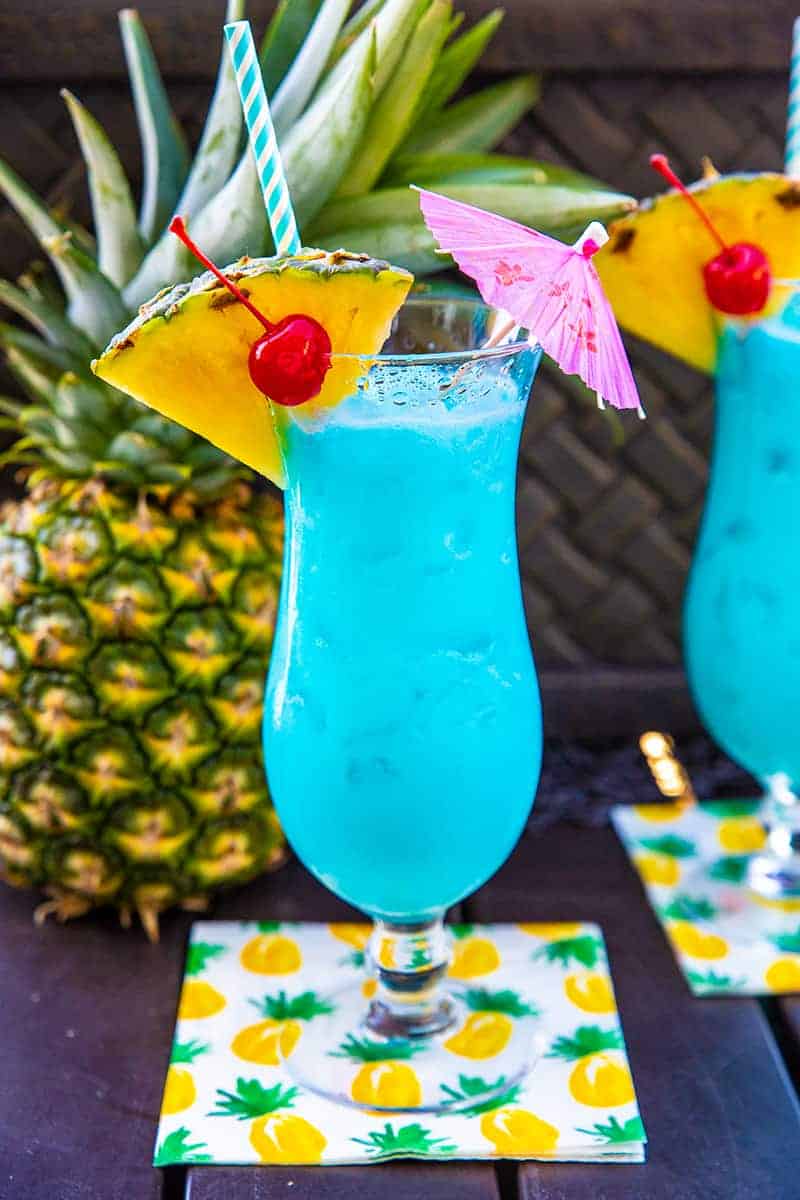
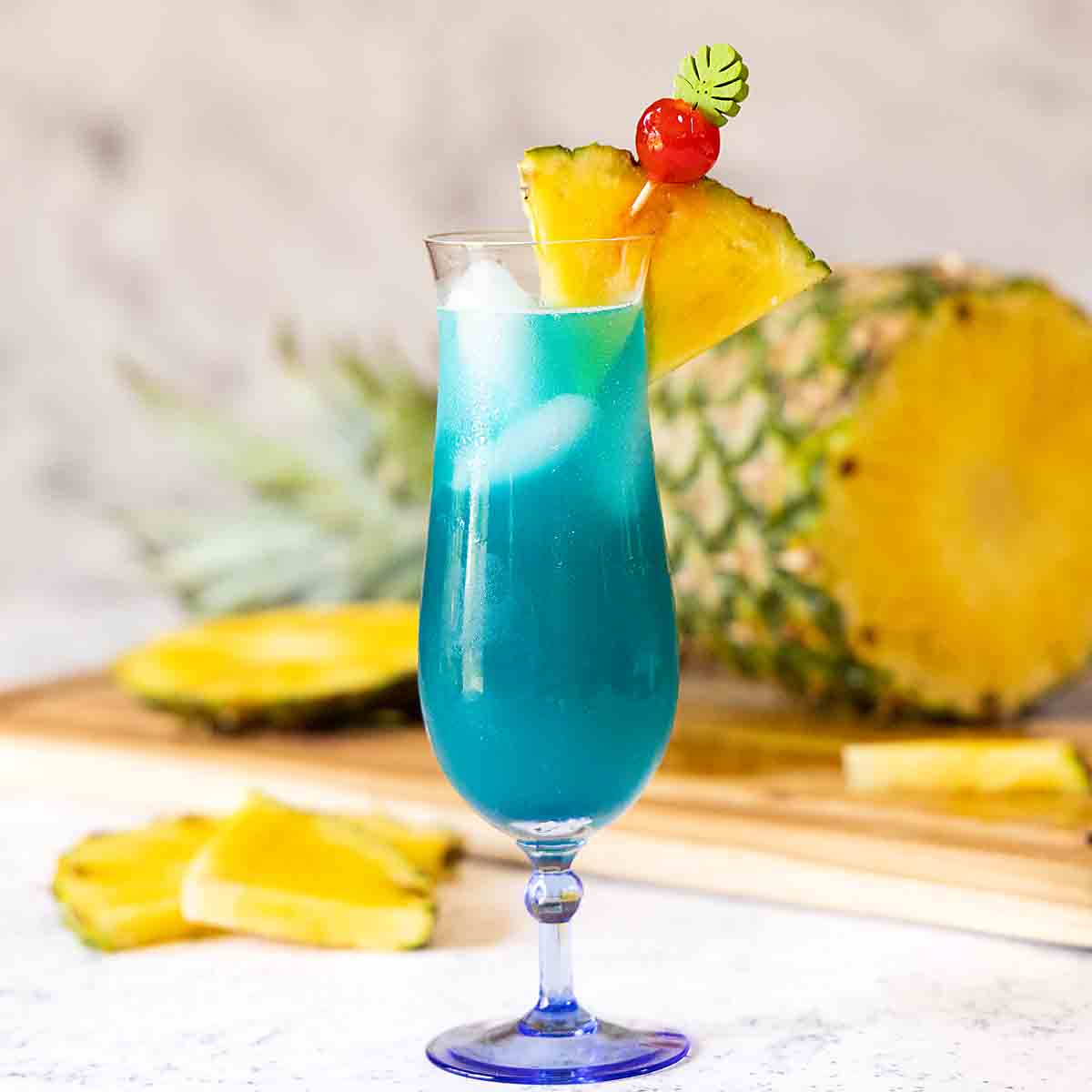
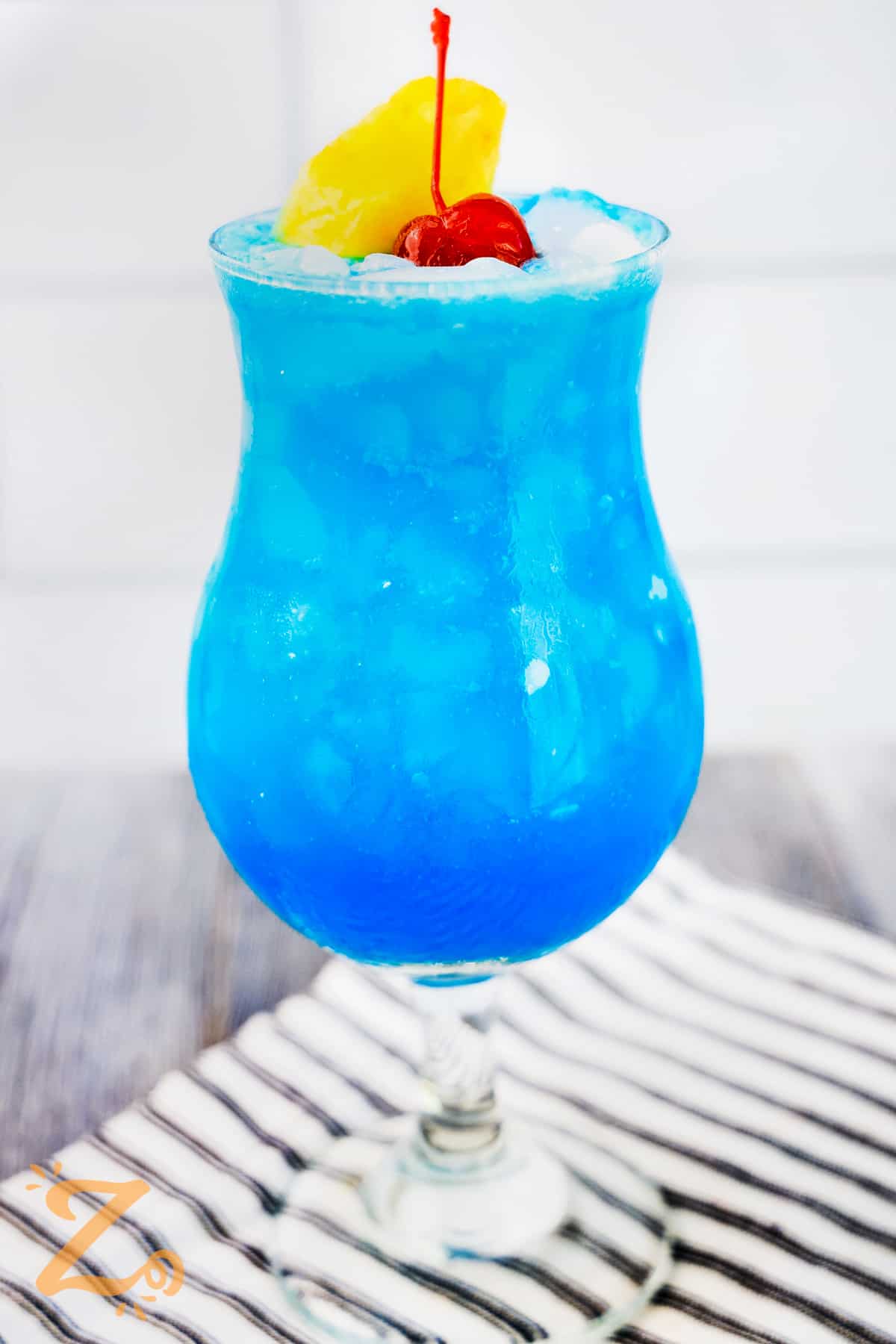
Perhaps the most universally recognized manifestation of “Blue Hawaii” is the dazzling, cerulean cocktail that has graced countless tropical menus worldwide. More than just a drink, it’s a symbol of leisurely island life, a liquid representation of the very color and mood of a Hawaiian vacation.
Origins and Ingredients
The story of the Blue Hawaii cocktail begins in 1957 at the legendary Hilton Hawaiian Village in Waikiki, Oahu. Its creation is attributed to Harry Yee, a seasoned bartender tasked with concocting a new drink featuring Blue Curaçao, a then-new liqueur introduced by a sales representative. Yee experimented with various combinations, ultimately perfecting a blend that captured the essence of the islands: rum, vodka, pineapple juice, and sweet and sour mix, all brought to life with the distinctive blue hue of the curaçao. The result was an instant classic, named “Blue Hawaii” not only for its striking color but also in homage to the beautiful island setting and the popular song from the same era.
The cocktail’s unique profile is a masterclass in balance. The rum provides a warm, tropical base, while the vodka adds a subtle kick. Pineapple juice contributes a fruity sweetness and tang, perfectly complemented by a hint of sour. But it is the Blue Curaçao that truly defines the drink, not just with its vibrant sapphire shade, but also with its distinct orange flavor, adding a layer of citrus complexity that elevates it beyond a simple fruity concoction. Often garnished with a pineapple wedge, a maraschino cherry, or a tiny paper umbrella, the Blue Hawaii cocktail is as much a feast for the eyes as it is for the palate, embodying the playful and exotic spirit of Polynesia.
Where to Savor One
While the Blue Hawaii cocktail can now be found in bars and restaurants across the globe, there’s no substitute for enjoying one in its birthplace. Many establishments across the Hawaiian Islands, particularly in Honolulu and other tourist-centric areas, proudly serve authentic versions of the drink. Bars along Waikiki Beach remain prime locations to sip a Blue Hawaii while watching the sunset paint the Pacific Ocean in a myriad of colors, often mirroring the drink itself.
Beyond the Hilton Hawaiian Village, many upscale resorts and beachfront eateries on Maui, Kauai, and the Big Island offer their own renditions, some with minor twists or premium ingredients. Seeking out a local tiki bar or a restaurant specializing in island cuisine will often yield an expertly crafted Blue Hawaii, served with the genuine aloha spirit that makes the experience even more special. It’s not merely about the taste, but the entire ambiance: the gentle ocean breeze, the sound of crashing waves, and the vibrant energy of the islands all contribute to making a Blue Hawaii cocktail an unforgettable part of your Hawaiian journey.
Elvis Presley’s “Blue Hawaii” and its Cultural Impact
Beyond the cocktail, the phrase “Blue Hawaii” gained immense international recognition and sentimental value through the immensely popular 1961 musical film starring Elvis Presley. This cinematic masterpiece cemented Hawaii’s image as a dream destination for generations, intertwining its natural beauty with a romantic, adventurous narrative.
Filming Locations and Enduring Legacy
The movie “Blue Hawaii” showcased the islands’ stunning landscapes to a global audience like never before. Filmed extensively on Oahu and Kauai, the film highlighted iconic locations such as Waikiki Beach, the slopes of Diamond Head, and various picturesque spots along Kauai’s lush coastline. Audiences were captivated by scenes set amidst swaying palm trees, pristine white sands, and the shimmering blue waters that gave the film its title.
The movie’s narrative, following Chad Gates (Elvis Presley) as he returns home to Hawaii from the army and defies his family’s wishes to work as a tour guide, perfectly encapsulated the allure of island life. It painted a picture of freedom, romance, and endless adventure, inspiring countless viewers to dream of their own Hawaiian escape. The film’s enduring legacy is evident in the continued popularity of these locations, which still draw fans eager to walk in Elvis’s footsteps and experience the magic captured on screen. Tour operators often feature “Blue Hawaii” movie site tours, allowing visitors to connect with a piece of cinematic history while experiencing the islands’ timeless charm.
The Sound of Paradise
The soundtrack of “Blue Hawaii” became an integral part of the film’s success and cultural impact. Featuring 15 songs, including the chart-topping title track, the album spent 20 weeks at number one on the Billboard pop album chart, becoming one of Elvis Presley’s’s most successful albums. Songs like “Can’t Help Falling in Love,” “Rock-A-Hula Baby,” and, of course, “Blue Hawaii” became synonymous with the romantic and idyllic image of the islands.
The music blended traditional Hawaiian sounds with rock and roll, creating a unique auditory landscape that further enhanced the film’s exotic appeal. The soundtrack itself acted as a powerful marketing tool for Hawaiian tourism, embedding the idea of a vibrant, musical paradise into the collective consciousness. Even today, the melodies from “Blue Hawaii” evoke a sense of nostalgia and longing for the islands, serving as a timeless invitation to experience the rhythm and harmony of Hawaii firsthand. For many, the film and its music remain the quintessential representation of the islands, a joyous and carefree vision of paradise.
Embracing Hawaii’s True Blue Essence
Beyond specific cultural artifacts like the cocktail or the movie, the most profound meaning of “Blue Hawaii” lies in the islands’ inherent beauty—the mesmerizing blues of its ocean, sky, and unique ecosystems. This is the “Blue Hawaii” that truly defines the destination, offering an immersive sensory experience that captivates every visitor.
The Azure Waters and Pristine Beaches
The cornerstone of Hawaii’s “blue essence” is undoubtedly its magnificent ocean. The Pacific waters surrounding the archipelago are renowned for their breathtaking clarity and a spectrum of blue hues, ranging from crystal-clear turquoise in shallow lagoons to deep indigo in the open sea. These waters are not just beautiful; they are teeming with life, inviting exploration and adventure. Popular spots like Hanauma Bay on Oahu offer unparalleled snorkeling opportunities, allowing visitors to witness vibrant coral reefs and schools of tropical fish in their natural, pristine habitat.
Hawaii’s beaches are equally iconic, providing the perfect canvas for these blue waters. From the golden sands of Waikiki to the dramatic black sand beaches of the Big Island and the secluded coves of Maui and Kauai, each shoreline offers a unique perspective on the island’s aquatic splendor. Activities abound, from surfing the legendary waves of the North Shore to paddleboarding in calm bay waters, or simply relaxing under the tropical sun, gazing out at the endless blue horizon. The ocean here is not merely a backdrop; it’s a vital, living component of the Hawaiian experience, embodying tranquility, power, and endless wonder.
Adventures Under the Blue Sky
The “blue” of Hawaii extends upward, encompassing the often-clear, expansive skies that frame its dramatic landscapes. This celestial canvas invites a different kind of adventure, from aerial tours offering panoramic views of volcanic craters and lush valleys to stargazing atop majestic peaks. The bright Hawaiian sky is a constant companion, illuminating every outdoor activity and enhancing the sense of freedom and openness.
Helicopter tours, especially over the inaccessible parts of Kauai’s Napali Coast or the active volcanoes of the Big Island, provide unparalleled views of the islands’ geological wonders, all bathed in the brilliant blue light of the day. For those seeking terrestrial adventures, hiking trails like the Kalalau Trail offer challenging treks with rewarding vistas of the coast and ocean. Even higher, places like Mauna Kea on the Big Island transform the “blue sky” experience into an astronomical journey, offering some of the clearest stargazing opportunities on Earth, where the deep blue of twilight gives way to a velvet blanket of stars. These activities connect visitors directly with the raw, untamed beauty of Hawaii, all under the watchful gaze of its iconic blue sky.
Discovering Local Blue Culture
The “blue” of Hawaii is also deeply ingrained in its local culture and traditions. The relationship between the Hawaiian people and the ocean, or “kai,” is profound and spiritual. Traditional practices such as surfing (he’e nalu), outrigger canoeing (wa’a), and fishing are intrinsically linked to the sea and its resources. Experiencing “Blue Hawaii” means engaging with this cultural connection, understanding the wisdom passed down through generations about respecting and living in harmony with the ocean.
Visitors can delve into this cultural richness by participating in luau feasts, where traditional foods are served, and ancient stories are told through hula dances, often by the ocean’s edge. Exploring cultural centers, such as the Polynesian Cultural Center on Oahu, offers insights into the seafaring history of the Polynesian people, whose incredible navigational skills allowed them to journey across vast blue oceans. Even the vibrant local art scene often features motifs inspired by the ocean, marine life, and the stunning blue palette of the islands. Embracing this “blue culture” means going beyond superficial tourism to truly understand the heart and soul of Hawaii, respecting its heritage, and appreciating its unique way of life.
Planning Your Own Blue Hawaiian Escape
To fully experience the magic of “Blue Hawaii,” careful planning is essential. Understanding the best times to visit and key tips for travelers will help ensure your journey is as seamless and enchanting as the islands themselves.
Best Time to Visit
Hawaii enjoys a relatively consistent tropical climate year-round, but there are distinct seasons that influence visitor experiences. The peak travel season typically runs from mid-December to mid-April, and again during the summer months (June to August). During these times, the weather is usually dry and sunny, making it ideal for beach activities and outdoor adventures. However, this also means higher prices for flights and accommodations, and more crowded attractions.
For those seeking a balance of good weather and fewer crowds, the shoulder seasons (April to May and September to November) are often considered the best times to visit. The weather remains pleasant, with warm temperatures and less rainfall than the winter months, and you’ll find better deals on travel and lodging. If surfing is a priority, the winter months bring larger waves to the North Shore of Oahu, while the summer months offer calmer waters, perfect for snorkeling and beginner surfers. Ultimately, “Blue Hawaii” can be experienced any time of year, but tailoring your visit to your specific interests can enhance your journey.
Essential Tips for Travelers
When planning your “Blue Hawaiian” adventure, a few practical tips can make all the difference. First, pack light and for comfort: breathable clothing, swimwear, reef-safe sunscreen, a wide-brimmed hat, and comfortable walking shoes are essentials. Remember to bring a reusable water bottle to stay hydrated and minimize plastic waste.
Second, embrace the aloha spirit: Be respectful of local customs, the environment, and fellow travelers. Learn a few basic Hawaiian phrases like “Aloha” (hello/goodbye/love) and “Mahalo” (thank you). Support local businesses and engage with the community to gain a deeper appreciation for the island culture.
Third, plan activities in advance, but allow for spontaneity: Popular attractions and tours, especially on islands like Maui or Kauai, can book up quickly. However, also leave room in your itinerary for impromptu discoveries, a leisurely afternoon on a secluded beach, or a drive along a scenic coastal road.
Finally, consider island hopping: Each Hawaiian Island offers a unique character and set of experiences. While Oahu boasts vibrant city life and famous beaches, Maui offers luxurious resorts and the scenic Road to Hana. Kauai is known for its dramatic landscapes, and the Big Island for its active volcanoes and diverse ecosystems. Internal flights are frequent and make it easy to experience different facets of “Blue Hawaii.”
In conclusion, “What Is Blue Hawaii?” is a question with a profoundly rich answer. It is a vibrant cocktail, a beloved film, and, most importantly, an encompassing concept of the Hawaiian Islands themselves. It represents the captivating interplay of azure waters, cerulean skies, verdant landscapes, and the deep, welcoming warmth of Hawaiian culture. For any traveler, experiencing “Blue Hawaii” is to immerse oneself in the quintessential island dream, a journey that promises unforgettable memories under the brightest, most beautiful blue.
LifeOutOfTheBox is a participant in the Amazon Services LLC Associates Program, an affiliate advertising program designed to provide a means for sites to earn advertising fees by advertising and linking to Amazon.com. Amazon, the Amazon logo, AmazonSupply, and the AmazonSupply logo are trademarks of Amazon.com, Inc. or its affiliates. As an Amazon Associate we earn affiliate commissions from qualifying purchases.