
When travelers dream of the Hawaiian Islands, images of white sandy beaches, lush rainforests, and volcanic landscapes often come to mind. Among this captivating archipelago in the Pacific Ocean, one island stands out not just for its geological grandeur but also for its distinctive moniker: “The Big Island.” Officially known as Hawaii Island, it earned its popular nickname for a simple yet profound reason – it is, by far, the largest island in the state of Hawaii, both in land area and sheer geographical diversity.
This designation helps to differentiate the island from the state itself, preventing confusion for visitors and residents alike. While the state of Hawaii comprises eight main islands—Oahu, Maui, Kauai, Molokai, Lanai, Niihau, Kahoolawe, and Hawaii Island—it is Hawaii Island that truly lives up to the “big” in its nickname. Covering approximately 4,028 square miles, it is almost twice the size of all the other Hawaiian islands combined, a fact that contributes significantly to its unique appeal as a travel destination. From active volcanoes constantly adding new land to snow-capped peaks, verdant valleys, and arid lava fields, Hawaii Island offers a microcosm of the world’s climates and landscapes, making it an extraordinary place for exploration and adventure.
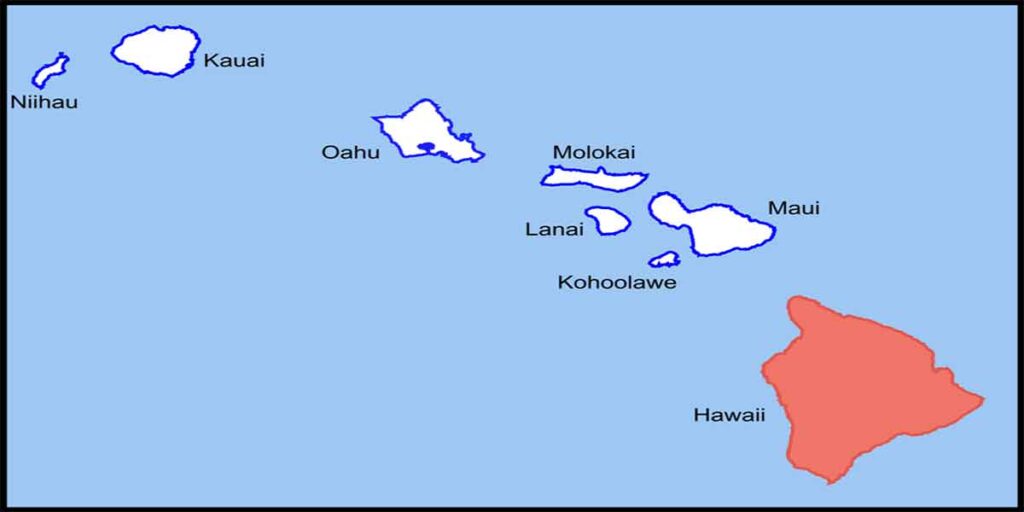
The Geographic Colossus: Why “The Big Island”?
The sheer scale of Hawaii Island is a marvel of natural engineering, a testament to the powerful forces that shaped the Hawaiian Islands over millions of years. Its immense size is the primary reason for its popular nickname, serving as a vital distinction from the larger state of Hawaii. But beyond mere acreage, the island’s colossal nature is deeply intertwined with its ongoing geological evolution, giving it a dynamic character unmatched by its smaller siblings.
A Land of Continual Creation
Hawaii Island is the youngest island in the Hawaiian chain and is still actively growing, thanks to the continuous eruptions from its five shield volcanoes: Mauna Kea, Mauna Loa, Hualālai, Kohala, and the highly active Kīlauea. Situated over a hotspot in the Earth’s mantle, Hawaii Island serves as a dramatic living laboratory where new land is constantly being forged. Kīlauea, one of the world’s most active volcanoes, has been erupting almost continuously since 1983, a process that has added hundreds of acres to the island’s southeastern coast. This ongoing geological activity, while powerful and often destructive, is also the very essence of the island’s growth and vitality, drawing visitors from around the globe to witness the raw power of creation. Mauna Loa, the largest volcano on Earth in terms of mass and volume, also contributes significantly to the island’s formidable size, its massive slopes rising gently from the ocean floor.
Contrasting Landscapes and Climates
The vastness of Hawaii Island translates into an astonishing array of microclimates and landscapes, making it arguably the most ecologically diverse place on Earth. With 10 out of the world’s 14 climate zones, ranging from humid tropical to polar tundra, the island offers an unparalleled variety of natural environments.
On one side, the arid, sun-drenched Kona coast boasts clear skies and calm waters, perfect for coffee cultivation and ocean activities. On the other, the windward Hilo side is characterized by lush rainforests, dramatic waterfalls, and consistent rainfall. Inland, the high elevations of Mauna Kea and Mauna Loa experience freezing temperatures and even snow during winter, creating a surreal landscape above the clouds. Between these extremes lie rolling pastures, black sand beaches, vibrant coral reefs, and stark lava fields, each contributing to the island’s “big” persona and offering distinct experiences for travelers.
Beyond Size: The Big Island’s Diverse Appeal
While its size is undeniable, Hawaii Island’s true appeal as a travel destination extends far beyond its physical dimensions. It is a place where ancient Hawaiian culture thrives amidst modern innovation, where ecological wonders meet astronomical marvels, and where every turn reveals a new adventure. The island’s diverse offerings cater to every type of traveler, from thrill-seekers and nature enthusiasts to those seeking cultural immersion or serene relaxation.
Volcanic Wonders and Geothermal Power
The heart of Hawaii Island’s allure lies in its volcanic activity. Hawaii Volcanoes National Park, a UNESCO World Heritage site, is a paramount destination, offering a unique opportunity to witness the raw power of creation and destruction. Visitors can hike across solidified lava fields, explore lava tubes, and, when conditions permit, safely observe molten lava flows, providing a profound connection to Earth’s geological processes. The park is home to both Kīlauea and Mauna Loa volcanoes, offering stark, breathtaking landscapes that feel otherworldly. The dynamic nature of the landscape, shaped by the goddess Pele, provides a powerful narrative of constant change and renewal.
Pristine Beaches and Marine Life
Despite its volcanic origins, Hawaii Island boasts some of the most unique and beautiful beaches in the world. From the famous black sand beaches formed from cooled lava (like Punaluʻu Black Sand Beach) to the rare green sand beach of Papakōlea, and the classic white sands of the Kona and Kohala coasts, the island’s shoreline is incredibly diverse. These waters are teeming with marine life, making it a premier destination for snorkeling, diving, and whale watching (during migration season). Kealakekua Bay, a marine life conservation district, offers exceptional snorkeling, while the calmer waters off the Kona coast are ideal for swimming with manta rays at night.
Stargazing and Sacred Summits

Rising majestically to 13,803 feet above sea level, Mauna Kea is not only the highest point in Hawaii but also considered by many to be the tallest mountain in the world when measured from its base on the ocean floor. Its summit, often snow-capped, hosts a collection of international astronomical observatories, making it one of the most important sites for ground-based astronomy globally. The dry atmosphere and minimal light pollution create unparalleled stargazing opportunities. Even without ascending to the summit, visitors can enjoy spectacular sunsets and incredible celestial views from the Mauna Kea Visitor Information Station, a truly humbling experience that connects travelers to the vastness of the universe.
Gateway to Adventure: Essential Big Island Experiences
The sheer expanse and varied terrain of Hawaii Island mean that there’s an endless array of activities and sights to fill any itinerary. Whether you’re seeking relaxation or an adrenaline rush, the island provides a vibrant tapestry of experiences that highlight its unique position as a land of extremes.
Exploring the Coasts: Hilo and Kona
The island’s two main coastal regions, Hilo on the east and Kona on the west, offer distinctly different vibes and attractions. Hilo, the island’s largest city, embodies the lush, rainy side of the island, characterized by vibrant tropical foliage, dramatic waterfalls like Akaka Falls State Park, and a thriving local culture centered around the Hilo Farmers Market. It serves as an ideal base for exploring Hawaii Volcanoes National Park and the verdant Hamakua Coast.
On the other hand, the Kona district, particularly Kailua-Kona, is famous for its sunny weather, calm waters, and historic coffee farms. This side of the island is perfect for ocean activities such as snorkeling, diving, sport fishing, and dolphin encounters. Visitors can tour a historic coffee plantation, like the Kona Coffee Living History Farm, to learn about the renowned Kona coffee industry, or explore the bustling waterfront with its shops and restaurants.
Cultural Immersion and Historical Sites
Hawaii Island is steeped in history and ancient Hawaiian culture. Travelers can delve into the past by visiting sites like Puʻuhonua o Hōnaunau National Historical Park, also known as the “Place of Refuge.” Here, ancient Hawaiian lawbreakers could find sanctuary from punishment, and defeated warriors or non-combatants could seek refuge during times of battle. The park offers a profound glimpse into traditional Hawaiian life and spiritual beliefs. Other significant historical sites include the Captain Cook monument at Kealakekua Bay, marking the spot where the famous explorer first landed and later met his demise, and numerous ancient petroglyph fields, silent testaments to early Hawaiian artistry and storytelling.
Adventures Inland: Waterfalls and Valleys
Beyond the coasts and volcanoes, the interior of Hawaii Island holds its own treasures. The Hamakua Coast is famous for its stunning waterfalls, including the magnificent Akaka Falls State Park, where visitors can take a short, paved walk through a lush rainforest to view two spectacular waterfalls. Further north, the sacred Waipiʻo Valley, known as the “Valley of Kings,” offers breathtaking panoramic views and a deep connection to Hawaiian history and spirituality. Descending into the valley, whether on foot, horseback, or by guided tour, reveals a secluded paradise of taro fields, wild horses, and towering waterfalls, making for an unforgettable journey.
Planning Your Visit: Navigating the Big Island
Due to its immense size and diverse landscapes, planning a trip to Hawaii Island requires careful consideration to maximize your experience. Understanding the logistics of getting around and respecting the local environment are key to an enriching visit.
Best Time to Visit and Getting Around
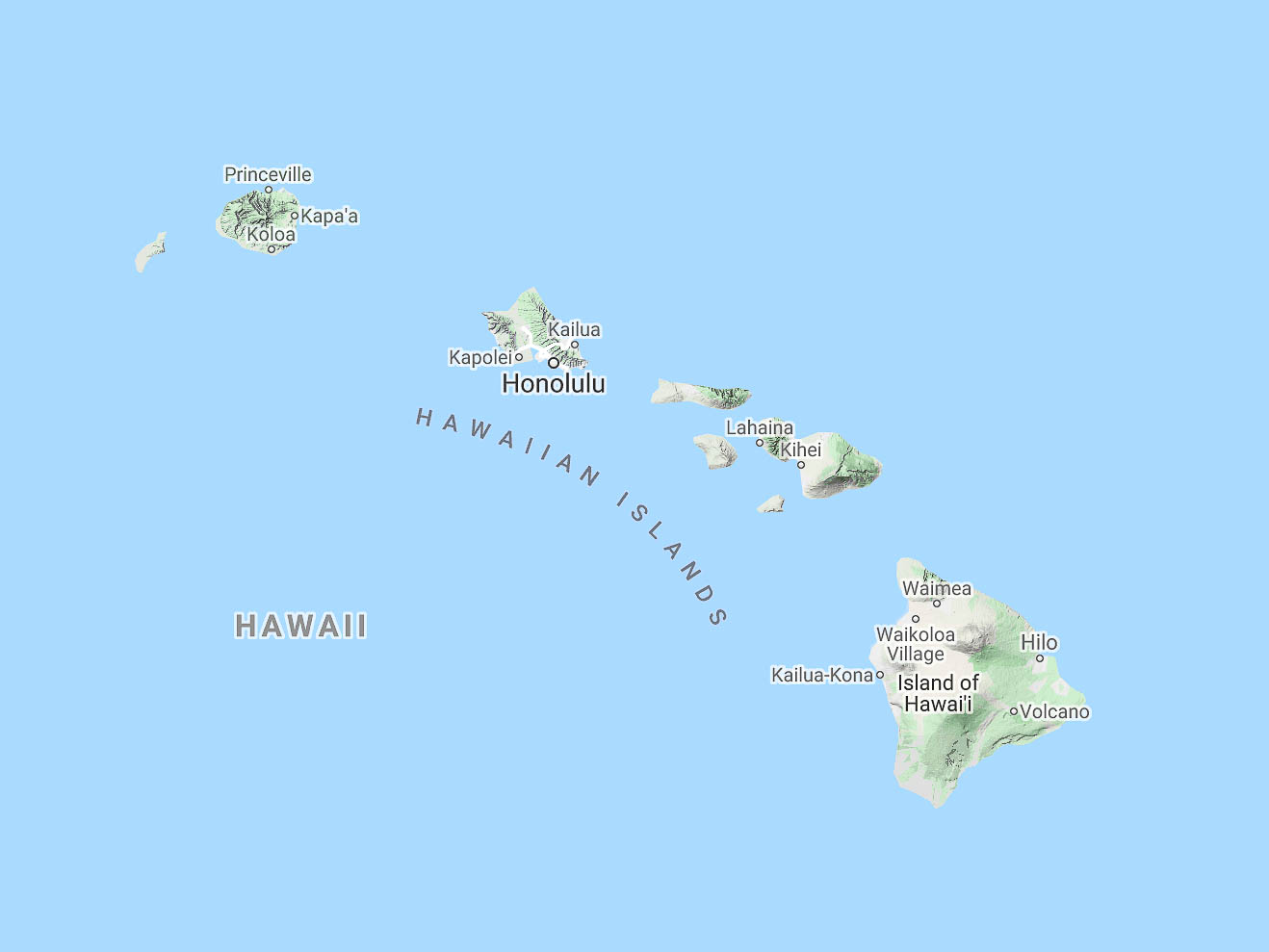
Hawaii Island enjoys pleasant weather year-round, but the peak tourist seasons are typically winter (December to April) and summer (June to August). Spring and fall offer fewer crowds and often better deals. Given the vast distances between attractions, renting a car is essential for exploring the island independently. The main airports are Kona International Airport (KOA) on the west side and Hilo International Airport (ITO) on the east, allowing travelers to start and end their journey from different points to cover more ground efficiently. Driving from Hilo to Kona can take several hours, so planning your itinerary with travel times in mind is crucial.
Sustainable Tourism and Respectful Exploration
Visiting Hawaii Island also comes with a responsibility to practice sustainable tourism. The Hawaiian concept of Mālama Aina, meaning “to care for the land,” encourages visitors to respect the natural environment, cultural sites, and local communities. This includes staying on marked trails, not disturbing wildlife, removing all trash, and being mindful of the fragile ecosystems, particularly around volcanic areas and coral reefs. Supporting local businesses and engaging respectfully with Hawaiian culture further enhances the visitor experience while contributing positively to the island’s future.
In conclusion, Hawaii Island is truly “The Big Island” not just in name, but in the scope of its natural wonders, the depth of its cultural heritage, and the breadth of experiences it offers. It is a destination that invites travelers to witness the Earth in its raw, dynamic state, to connect with ancient traditions, and to explore an unparalleled diversity of landscapes within a single, extraordinary island. Its grand scale and ever-evolving nature ensure that every visit to Hawaii Island is a journey of discovery.
LifeOutOfTheBox is a participant in the Amazon Services LLC Associates Program, an affiliate advertising program designed to provide a means for sites to earn advertising fees by advertising and linking to Amazon.com. Amazon, the Amazon logo, AmazonSupply, and the AmazonSupply logo are trademarks of Amazon.com, Inc. or its affiliates. As an Amazon Associate we earn affiliate commissions from qualifying purchases.