
The mention of a Blue Hawaii drink instantly conjures images of sun-drenched beaches, swaying palm trees, and the irresistible allure of tropical escapism. More than just a cocktail, this vibrant azure concoction serves as a liquid postcard, a sensory invitation to the pristine shores of its birthplace. For the discerning traveler and culinary explorer, understanding what goes into a Blue Hawaii is not merely about ingredients; it’s about unlocking a piece of Hawaiian history, appreciating the nuances of island culture, and enhancing the overall tourism experience. This drink embodies the spirit of its origins, offering a refreshing glimpse into the destination’s hospitality and its capacity to delight visitors with iconic flavors. As we delve into the components of this celebrated beverage, we embark on a journey that intertwines mixology with cultural immersion, demonstrating how a single drink can become a cherished memory of a paradise explored.
The Genesis of a Tropical Icon: Tracing the Blue Hawaii’s Origins
Every iconic travel destination has its signature culinary delights, and Hawaii is no exception. Among its myriad offerings, the Blue Hawaii stands out as a quintessential symbol of the islands’ vibrant spirit. Its creation story is not just a footnote in cocktail history but an integral part of Hawaiian tourism lore, inextricably linked to the burgeoning post-war travel boom and the pursuit of idyllic getaways. Understanding where and how this drink came to be adds a rich layer of appreciation for its enduring legacy, transforming a simple beverage into a cultural touchstone.
A Hilton Hawaiian Village Legacy: Harry Yee’s Vision
The year was 1957, and the setting was the Kona Hilton (now part of the sprawling Hilton Hawaiian Village Waikiki Beach Resort complex) on the stunning island of Oahu, Hawaii. It was here that legendary bartender Harry Yee, a true pioneer of tropical mixology, was challenged by a representative from Bols Liqueur to create a signature drink using their blue curaçao. The representative specifically requested a cocktail that would showcase the liqueur’s striking color and evoke the essence of the islands. Yee, with his ingenious flair, rose to the occasion, crafting a drink that would not only highlight the vibrant blue hue but also perfectly capture the exotic, laid-back vibe of Hawaii.
Harry Yee’s creation was an instant sensation, quickly becoming a staple for tourists flocking to Honolulu and the famous Waikiki Beach. The name “Blue Hawaii” itself was a stroke of marketing genius, drawing a direct connection to the romantic imagery of the islands, further cemented by the 1961 Elvis Presley film of the same name. This cocktail was not just a drink; it was an experience, a tangible piece of paradise that visitors could savor and remember long after their vacation ended. It exemplifies how local establishments, through their creativity and ingenuity, contribute significantly to a destination’s appeal, offering unique experiences that become synonymous with the place itself. For many, a trip to Hawaii feels incomplete without sipping this iconic blue elixir, a testament to its embedded status in the islands’ tourism narrative.
The Allure of Blue Curaçao: A Splash of the Caribbean in the Pacific
At the heart of the Blue Hawaii’s’s visual appeal and flavor profile lies blue curaçao. This distinctive liqueur, celebrated for its electrifying azure shade, is arguably the most recognizable component of the drink. Originating from the island of Curacao in the Caribbean, curaçao is traditionally made from the dried peel of the Laraha citrus fruit, a bitter orange native to the island. While the flavor profile of curaçao is broadly similar to other orange liqueurs like triple sec, it is its vibrant blue coloring (achieved through food dye) that truly sets it apart and makes it indispensable for cocktails like the Blue Hawaii.
For tourists, the color of the Blue Hawaii is a major draw, evoking images of the clear tropical waters surrounding the Hawaiian Islands. This visual association is a powerful element of culinary tourism, as the drink’s appearance immediately transports the consumer to an exotic locale, even if they’re sipping it far from Waikiki. The inclusion of blue curaçao in the Blue Hawaii represents a fascinating blend of regional influences, bringing a taste of the Caribbean to the Pacific, all while serving Hawaii’s tourism agenda by offering a uniquely visually striking beverage. Its role extends beyond taste; it’s a critical branding element that positions the drink as a quintessential tropical experience.
Deconstructing the Blue Hawaii: Essential Ingredients and Their Roles
Understanding the precise combination of ingredients in a Blue Hawaii is key to appreciating its balanced flavor and its distinct identity within the pantheon of tropical cocktails. Far from a simple mix, each component plays a crucial role in creating the harmonious, refreshing experience that has captivated travelers for decades. For those exploring local food and drink cultures, dissecting a classic cocktail like this offers invaluable insight into the region’s culinary preferences and its ability to craft world-renowned libations.
The Spirit of the Tropics: Light Rum
At the core of the Blue Hawaii is a generous pour of light rum. This choice of spirit is fundamental to the drink’s character, providing a clean, subtly sweet, and smooth base without overpowering the delicate fruit flavors. Light rum, often unaged or aged for a very short period in stainless steel tanks, boasts a milder flavor profile compared to its aged or dark counterparts. This allows the other ingredients to shine, contributing to the Blue Hawaii’s refreshing and easy-drinking nature, a quality highly prized by vacationers seeking a relaxed pace.
The association of rum with tropical destinations is undeniable. From the sugar cane fields of Cuba and Puerto Rico to the distilleries scattered across the Caribbean, rum embodies the spirit of island life. Its inclusion in the Blue Hawaii isn’t just a flavor decision; it’s a cultural one, aligning the drink with the broader narrative of leisure, sun, and sea that defines tropical tourism. Bartenders in Hawaii typically opt for a good quality white or silver rum, ensuring a pure foundation that complements the vibrant hues and sweet-tart notes of the cocktail. This choice reinforces the drink’s identity as a quintessential tropical escape.
The Tropical Juices: Pineapple and Sweet & Sour
The vibrant fruit flavors are what truly elevate the Blue Hawaii from a simple blue-colored drink to a genuinely tropical sensation. The interplay of pineapple juice and a sweet & sour mix provides the essential balance of sweetness and tang that defines this classic.
- Pineapple Juice: The unmistakable taste of fresh pineapple juice delivers a luscious sweetness and a tropical zest that is instantly recognizable. Pineapple has long been an agricultural cornerstone of Hawaii and is synonymous with its lush landscapes and bountiful produce. Its inclusion in the Blue Hawaii is more than just a flavor choice; it’s a nod to local agriculture and a staple of Hawaiian hospitality. The juice provides a depth of tropical fruitiness that makes the drink incredibly refreshing, particularly appealing in the warm climate of the Hawaiian Islands.
- Sweet & Sour Mix: To counterbalance the sweetness of the pineapple and the liqueurs, a touch of sour is essential. Traditionally, a sweet & sour mix (a pre-made blend of sugar and citrus juices, often lemon and lime) is used. However, higher-end establishments and home mixologists often opt for fresh lemon and/or lime juice, combined with a simple syrup, to achieve a brighter, more natural acidity. This tart element is crucial for preventing the drink from becoming cloyingly sweet, ensuring a crisp finish that encourages another sip. The sour component acts as a palate cleanser, making the Blue Hawaii remarkably drinkable and perfectly suited for a leisurely afternoon by the beach or pool, a common scenario for tourists.
The Distinct Distinction: Blue Curaçao and Vodka
Beyond the rum and fruit, the remaining primary ingredients complete the Blue Hawaii’s unique profile. As mentioned, blue curaçao is paramount for both color and its subtle orange flavor. Additionally, a shot of vodka is often included, primarily to boost the alcohol content without altering the flavor significantly. Vodka, being a neutral spirit, provides a clean alcoholic base that seamlessly blends with the other components, ensuring the fruity and citrus notes remain dominant. This careful selection of spirits and mixers highlights the artistry involved in crafting a balanced tropical cocktail, making it an experience rather than just a beverage.
It is critical to note a common point of confusion for tourists: the distinction between the Blue Hawaii and the “Blue Hawaiian.” The classic Blue Hawaii does not contain cream of coconut. A drink that incorporates cream of coconut, along with blue curaçao, rum, and pineapple juice, is typically referred to as a “Blue Hawaiian.” This distinction is important for those seeking the authentic experience envisioned by Harry Yee and for mixologists aiming for historical accuracy. Knowing this difference allows travelers to confidently order their preferred version, showcasing an informed appreciation for local cocktail culture.
The Cultural Significance: More Than Just a Drink
The enduring popularity of the Blue Hawaii extends far beyond its refreshing taste and striking color. It has transcended its origins as a mere cocktail to become a significant cultural icon, deeply embedded in the tourism identity of Hawaii and, by extension, other tropical destinations. Its journey from a bar counter in Honolulu to a global symbol of paradise speaks volumes about the power of experiential marketing and the human desire for escapism.
A Symbol of Paradise and Escapism
The visual appeal of the Blue Hawaii is undeniable. Its vibrant blue hue, reminiscent of the crystal-clear Pacific waters, instantly triggers associations with idyllic beaches, endless sunshine, and serene relaxation. This powerful imagery has been masterfully leveraged in travel advertising and promotional materials for decades. From brochures showcasing honeymoon destinations to social media posts enticing potential travelers, the Blue Hawaii frequently appears as a visual shorthand for a perfect tropical getaway.
For tourists, sipping a Blue Hawaii is often more than just enjoying a drink; it’s participating in a ritual, an affirmation of their vacation experience. It’s a moment of pure indulgence, a sensory embodiment of the freedom and tranquility they seek in a holiday. The drink serves as a tangible link to the dream of paradise, allowing individuals to momentarily shed the stresses of daily life and fully immerse themselves in the leisure of their chosen destination. This symbolic power makes the Blue Hawaii an invaluable asset in the tourism industry, selling not just a beverage, but an aspiration.
Culinary Tourism and Local Delights
The Blue Hawaii plays a pivotal role in culinary tourism, offering visitors a unique and authentic taste of Hawaiian culture. Food and drink are integral components of any travel experience, providing deep insights into local traditions, ingredients, and hospitality. For many tourists, trying local beverages like the Blue Hawaii is as essential as visiting landmarks or experiencing cultural performances. It’s a way to connect with the destination on a more intimate, sensory level.
In Hawaii, the Blue Hawaii is presented alongside other iconic local drinks like the Mai Tai and the Pina Colada, forming a cocktail culture that is distinctively tropical and welcoming. Bartenders often share stories of the drink’s origins, adding to its mystique and enhancing the visitor’s experience. This emphasis on origin and local narrative transforms a simple order into an educational moment, enriching the tourist’s understanding of the islands’ heritage. It encourages travelers to explore beyond the mainstream, seeking out authentic flavors that reflect the true essence of their destination.
The Evolution of a Classic: Adaptations and Global Reach
While the original Blue Hawaii recipe remains a classic, the drink’s global popularity has naturally led to numerous adaptations and interpretations. Bartenders around the world, inspired by its iconic status, have experimented with variations, sometimes adding different fruit juices, premium rums, or unique garnishes. This evolution speaks to the drink’s universal appeal and its adaptability to diverse palates and local ingredients.
From high-end cocktail bars in international cities to beachside shacks in other tropical locales, the Blue Hawaii continues to be a menu staple, albeit sometimes with subtle tweaks. These adaptations often reflect regional tastes or available produce, creating a fascinating global tapestry of its original Hawaiian spirit. While purists might argue for the sanctity of the original recipe, these variations introduce the drink to new audiences and ensure its continued relevance. For the adventurous culinary tourist, seeking out these regional interpretations can be an exciting part of their journey, offering a familiar taste with an unexpected local twist. This journey of adaptation underscores the Blue Hawaii’s role as a global ambassador for tropical leisure.
Crafting Your Own Hawaiian Escape: Tips for Enjoying a Blue Hawaii
For those yearning to capture a piece of Hawaiian paradise, whether on vacation or from the comfort of their home, the Blue Hawaii offers an accessible and delightful experience. As part of a comprehensive tourism experience, understanding how to best enjoy this iconic drink can significantly enhance one’s connection to its origins and the spirit of island life. These tips extend beyond mere consumption; they are about embracing the full ambiance that the Blue Hawaii represents.
The Perfect Serve: Presentation and Ambiance
The presentation of a Blue Hawaii is almost as important as its taste, especially when considering its role in tourism imagery. A properly served Blue Hawaii should be visually stunning, perfectly chilled, and inviting.
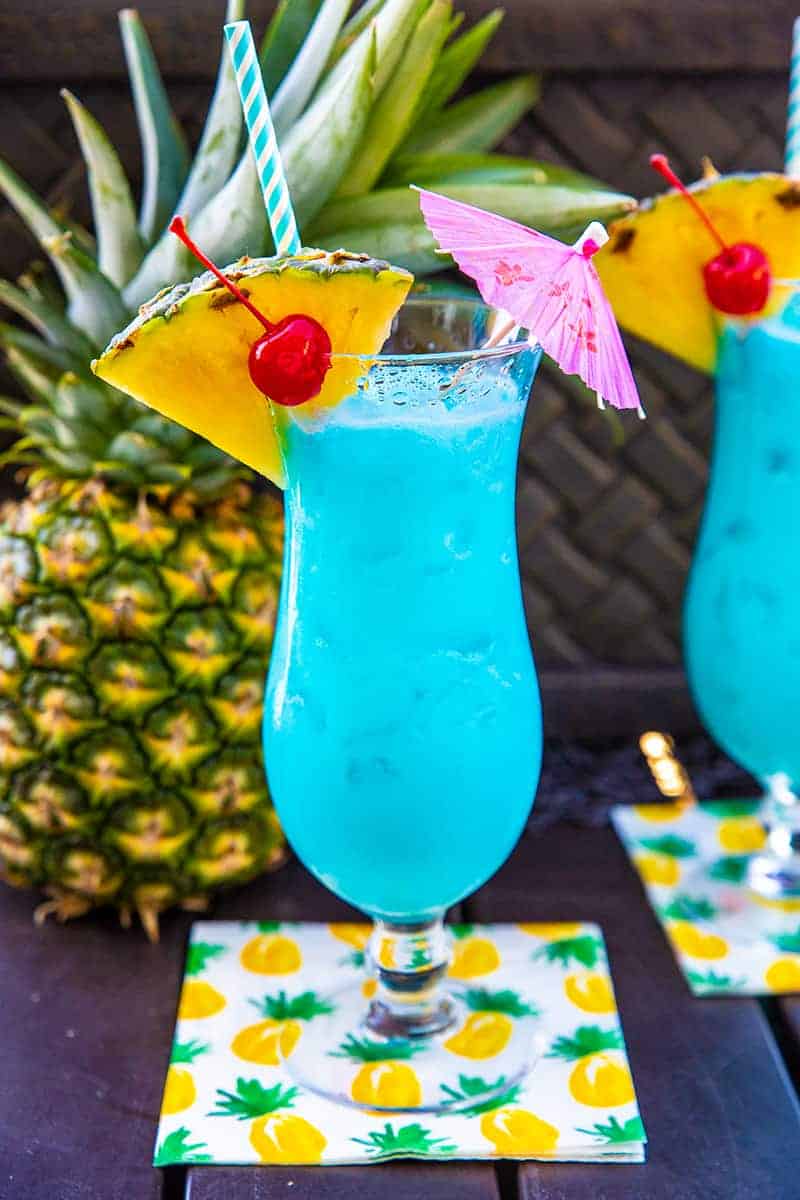
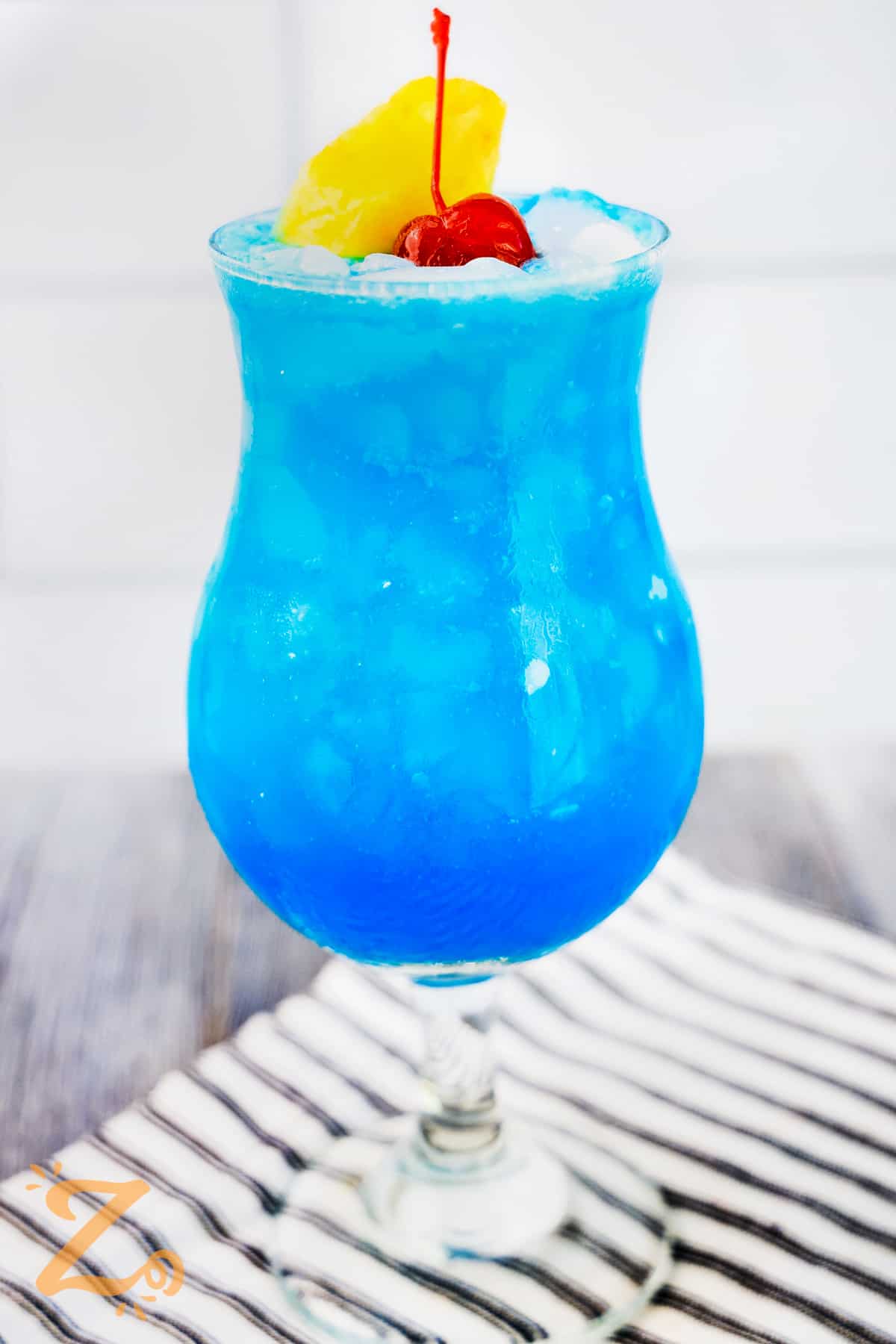
- Glassware: Always serve in a tall, elegant glass, such as a Hurricane glass or a highball glass. The height of the glass allows the vibrant blue color to be fully appreciated and ensures ample space for ice.
- Ice: Fill the glass generously with ice. This keeps the drink perfectly chilled, slowly diluting it to maintain a refreshing balance, particularly crucial in warm climates.
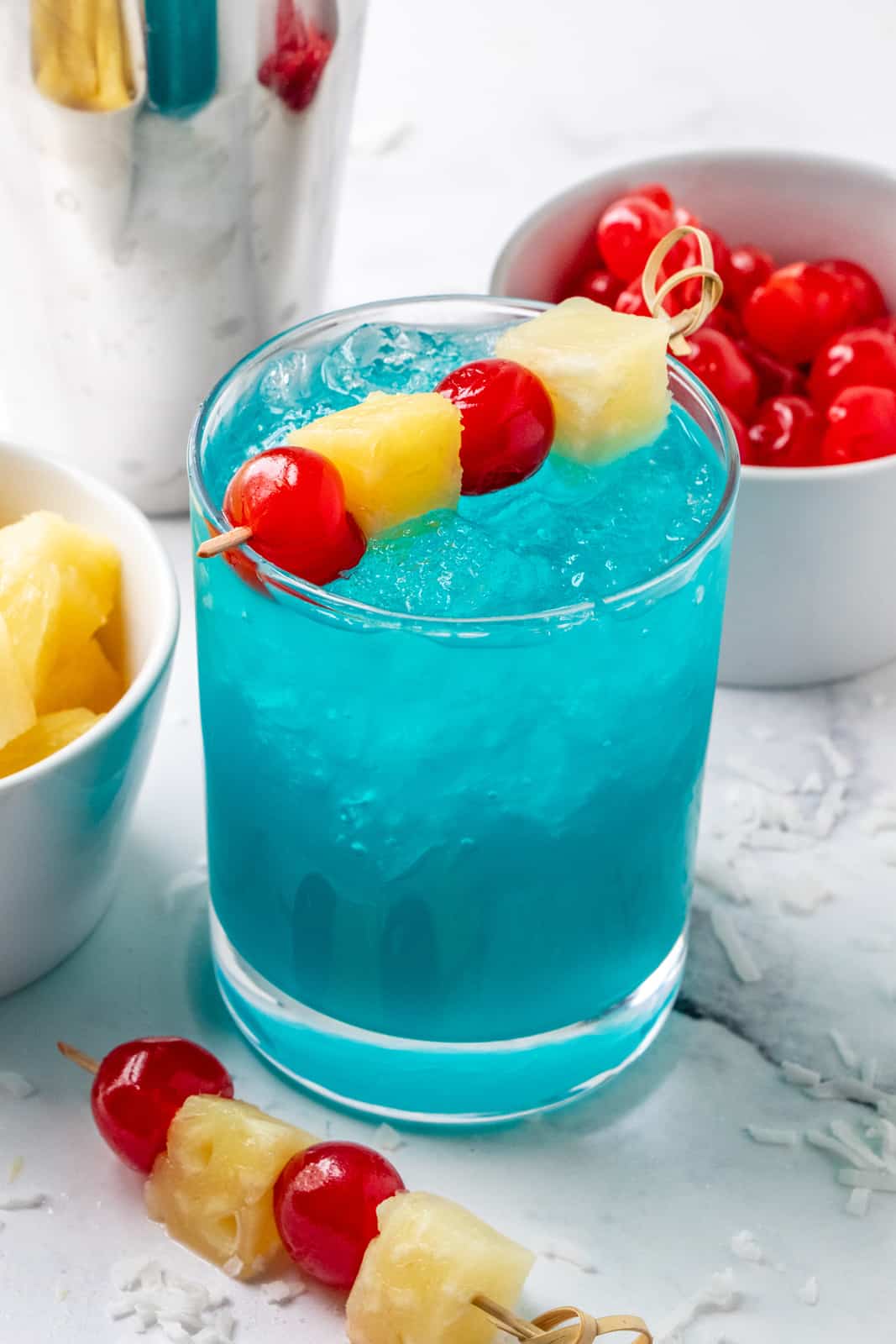
- Garnish: The garnish is the final touch that elevates the Blue Hawaii from a drink to a mini-vacation in a glass. A fresh pineapple wedge or spear, perhaps adorned with a vibrant maraschino cherry, adds a burst of color and a hint of additional tropical flavor. Many establishments also include a paper umbrella, a classic symbol of tropical leisure that instantly conjures images of beachside relaxation. These elements contribute to the sensory experience, transforming a simple drink into a photo-worthy moment, perfect for sharing on social media and inspiring future travel.
Where to Experience Authentic Flavors
For travelers visiting Hawaii, seeking out the most authentic Blue Hawaii experience is a delightful part of their itinerary. While nearly every bar and restaurant across the islands will offer a version, some places are renowned for their adherence to tradition or their exceptional craftsmanship.
- Hilton Hawaiian Village Waikiki Beach Resort: Given its historical connection to Harry Yee’s creation, visiting the resort where it originated offers a chance to taste the legacy firsthand. Many bars within the resort complex proudly serve the Blue Hawaii, often with a nod to its iconic history.
- Local Tiki Bars: Across Honolulu and other Hawaiian towns, dedicated tiki bars often pride themselves on crafting classic cocktails with precision and high-quality ingredients. These establishments are fantastic places to delve deeper into tropical mixology and often offer unique variations or historical context.
- Beachfront Resorts: Many luxury resorts throughout Oahu, Maui, and other islands invest in skilled mixologists who can prepare a superb Blue Hawaii, often utilizing fresh, local ingredients that enhance the flavor profile. Enjoying one with the sound of waves in the background is the ultimate immersive experience.
For the adventurous at heart, exploring different venues allows for a comparative tasting, adding another layer to the culinary tourism experience. Each sip becomes a part of the travel narrative, connecting the consumer to the craftsmanship and hospitality of the destination.
Beyond the Blue: Exploring Other Tiki Classics
While the Blue Hawaii holds a special place, it is just one gem in the rich tapestry of tropical cocktails that define the “tiki” genre. For tourists keen on a deeper dive into island beverage culture, exploring other classics can greatly enhance their culinary journey. Drinks like the robust Mai Tai (often considered Hawaii’s other signature drink), the creamy Pina Colada, or the fiery Zombie each offer distinct flavor profiles and unique historical backgrounds, often tied to specific regions or legendary bartenders. This exploration not only broadens the palate but also deepens one’s appreciation for the intricate history of tropical mixology. Engaging with these diverse options enriches the overall tourism experience, transforming a simple bar visit into a cultural expedition.
In conclusion, the Blue Hawaii is far more than a visually striking cocktail; it is a delicious embodiment of Hawaiian hospitality, ingenuity, and the timeless appeal of tropical paradise. Its carefully chosen ingredients—light rum, blue curaçao, pineapple juice, and a touch of sour—combine to create a perfectly balanced and incredibly refreshing drink. From its humble origins at the Kona Hilton at the hands of Harry Yee, it has grown to become a global symbol of leisure and escape, profoundly impacting the tourism industry by selling a dream in a glass. For travelers and enthusiasts alike, understanding “what is in a Blue Hawaii” unlocks a deeper appreciation for its cultural significance, its culinary artistry, and its enduring power to transport one to the sun-kissed shores of the Hawaiian Islands with every delightful sip. It stands as a testament to how a local creation can become an international emblem, forever linking a destination with an unforgettable taste of paradise.
LifeOutOfTheBox is a participant in the Amazon Services LLC Associates Program, an affiliate advertising program designed to provide a means for sites to earn advertising fees by advertising and linking to Amazon.com. Amazon, the Amazon logo, AmazonSupply, and the AmazonSupply logo are trademarks of Amazon.com, Inc. or its affiliates. As an Amazon Associate we earn affiliate commissions from qualifying purchases.