
For many planning a trip or considering a move to the picturesque shores of Hawaii, understanding the local tax structure is a practical necessity. The term “sales tax” is common across the mainland United States, typically levied on the sale of goods and services at the point of purchase. However, the Aloha State operates under a somewhat unique system that often catches visitors and newcomers by surprise. While there isn’t a traditional sales tax in Hawaii, the state implements a General Excise Tax (GET) and a Transient Accommodations Tax (TAT), which collectively impact nearly every economic transaction, from your morning coffee to your nightly hotel stay. Navigating these taxes is crucial for accurate budgeting and a smooth experience, ensuring you’re not caught off guard by unexpected additions to your bill. This guide will demystify Hawaii’s tax landscape, explaining what these taxes are, how they work, and what they mean for you, whether you’re here for a short vacation or planning a longer residency.
Understanding Hawaii’s General Excise Tax (GET)
The cornerstone of Hawaii’s taxation system, and what often gets mistakenly referred to as “sales tax,” is the General Excise Tax (GET). It’s a fundamental difference that sets Hawaii apart from most other U.S. states, and understanding this distinction is key to comprehending the local economic environment.
What is the GET?
Unlike a conventional sales tax, which is typically imposed on the consumer at the final point of sale, Hawaii’s GET is a tax on the gross income derived from virtually all business activities within the state. This means that businesses, whether they are selling goods, providing services, manufacturing products, or engaging in contracting, are subject to the GET on their total income, without deductions for business expenses.
The critical implication of this “gross receipts” model is that the GET is imposed at each stage of a transaction, not just the final one. While businesses are legally responsible for paying the GET, they are permitted, and often do, pass the tax burden onto the consumer as part of the price of goods or services, or as a separate line item on a receipt. This pass-through mechanism makes it function similarly to a sales tax from a consumer’s perspective, though its legal structure is entirely different. It affects the entire supply chain, from raw materials to the finished product, potentially cascading costs through various stages of production and distribution before reaching the end-user.
How the GET Works
For the average consumer, the GET often appears as a small percentage added to the total cost of their purchase or service. Businesses typically calculate the GET on the full amount of the sale, including any shipping or handling charges, and then either embed it into their listed prices or itemize it at checkout. When it is itemized, it might be labeled as “GE Tax,” “HI GET,” or simply “Tax.”
This system differs significantly from traditional sales tax states, where the tax is usually collected by the retailer on behalf of the state and remitted as a direct sales tax. In Hawaii, the GET is part of the business’s own operating costs that it must recover, making it a more integral component of pricing decisions. For visitors, this means that almost anything you buy or any service you utilize, from a souvenir to a spa treatment, will include the GET. This broad application ensures that the tax base is wide, contributing significantly to state revenues.
Current GET Rates
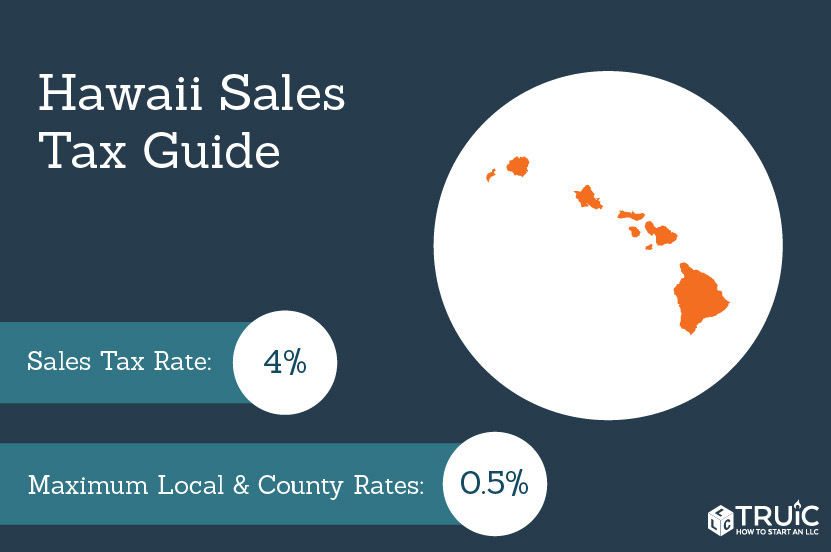
The statewide General Excise Tax rate in Hawaii is 4.0%. However, many counties have implemented their own surcharges, increasing the effective rate for consumers in those areas. As of recent updates, all major counties in Hawaii have a county surcharge of 0.5%, bringing the total GET rate to 4.5% in most consumer transactions.
This means that if you’re shopping for groceries in Honolulu on Oahu, enjoying a meal in Lahaina on Maui, or booking an activity on Kauai or Hawaii Island (also known as the Big Island), you’ll typically encounter a 4.5% GET added to your bill. While 4.5% might seem modest compared to sales tax rates in some other states, its pervasive application across nearly all goods and services makes it a significant consideration for your overall budget in Hawaii.
What the GET Applies To: A Consumer’s Perspective
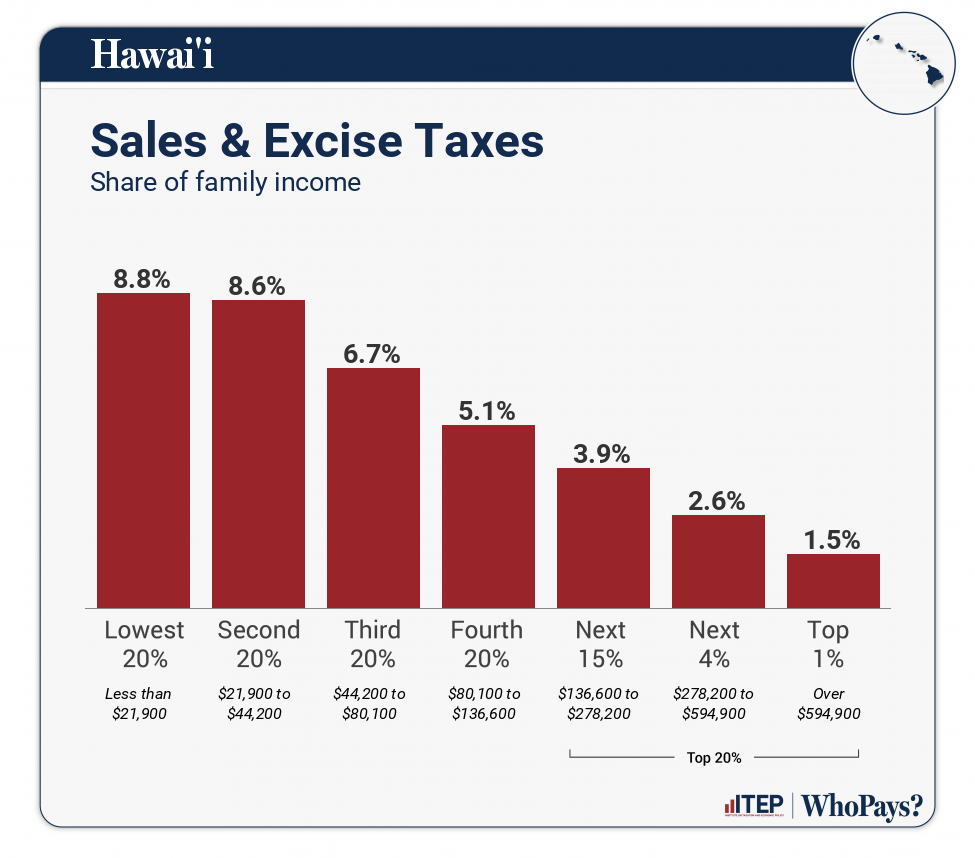
Given its broad application, understanding where and how the GET will affect your purchases as a consumer or visitor is vital. The short answer is: almost everything. Unlike traditional sales taxes that might exempt necessities like groceries or certain services, the GET casts a wide net over most economic activities.
Goods and Services
When you’re in Hawaii, you can expect the GET to apply to nearly every retail transaction. This includes:
- Retail Purchases: From clothing and souvenirs to electronics and home goods, any item you buy from a store will have the GET factored into its price or added at checkout. Even groceries, which are often exempt from sales tax in other states, are subject to the GET in Hawaii.
- Dining Out: Whether you’re enjoying a fine dining experience, grabbing a quick bite from a food truck, or ordering takeout, the GET will be applied to your entire food and beverage bill.
- Activities and Tours: Booking a surfing lesson, a snorkeling excursion, a helicopter tour, or any other recreational activity will also incur the GET. Service providers include this tax in their pricing.
- Personal Services: Haircuts, spa treatments, massages, and other personal care services are all subject to the GET.
- Professional Services: If you require legal, accounting, medical, or other professional services during your stay or residency, these too will have the GET applied to their fees.
Essentially, if a business in Hawaii is generating income from selling you something or providing you with a service, the GET will be a component of that transaction.
Special Considerations for Tourists
While the GET applies broadly, tourists should be particularly mindful of its impact on key travel expenses:
- Shopping: As mentioned, everything from your Waikiki souvenir to a designer item from a luxury boutique will have the GET included. When comparing prices, remember to factor this in.
- Car Rentals: The cost of renting a vehicle, which is often essential for exploring the islands, will also be subject to the GET. This can add a noticeable amount to your rental agreement, especially for longer durations.
- Accommodation: This is where things get a bit more complex. While the GET does apply to the gross receipts of hotels and vacation rentals, there’s another significant tax specifically for transient accommodations that visitors must be aware of: the Transient Accommodations Tax (TAT). This tax is levied in addition to the GET, making lodging one of the most heavily taxed aspects of a Hawaii vacation. We’ll delve into the TAT in the next section.
Understanding these applications will help you accurately estimate your daily expenditures and manage your budget effectively during your visit to Hawaii.
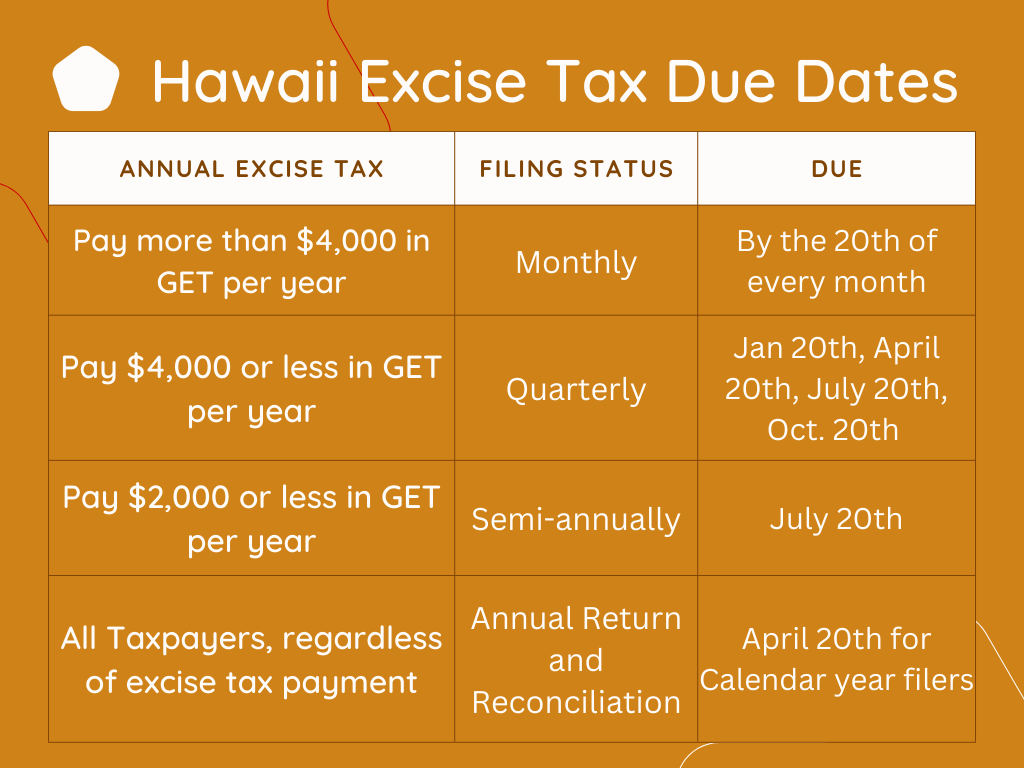
The Transient Accommodations Tax (TAT): A Key Tax for Visitors
While the GET covers almost all business activities, the Hawaii State Legislature recognized the unique nature and economic impact of the tourism industry. To specifically tax the income generated from visitor stays and to fund related initiatives, they implemented the Transient Accommodations Tax (TAT). This is a crucial distinction for anyone planning to stay in Hawaii, as it significantly adds to the cost of lodging.
What is the TAT?
The Transient Accommodations Tax (TAT) is a state tax levied specifically on the gross rental proceeds derived from furnishing transient accommodations for periods of less than 180 consecutive days. In simpler terms, if you’re staying in a hotel, resort, vacation rental, condominium, or even a timeshare unit for a short-term visit (which applies to most tourists), your lodging is subject to the TAT.
The primary purpose of the TAT is two-fold: to generate revenue for the state and to fund tourism-related initiatives, including marketing and the management of natural and cultural resources that attract visitors. It ensures that the tourism industry directly contributes to the infrastructure and services it utilizes, as well as the preservation of the very beauty that draws people to Hawaii.
TAT Rates
The statewide TAT rate is currently 10.25%. This percentage is applied to the gross rental income of the accommodation provider. However, similar to the GET, counties in Hawaii are also permitted to levy their own surcharges on top of the state TAT.
As of the latest information, all major counties — Honolulu (for Oahu), Maui County (for Maui, Lanai, and Molokai), Kauai County, and Hawaii Island County — impose an additional county surcharge of 3%. This brings the total TAT rate that consumers will typically see on their accommodation bills to 13.25%.
It’s important to reiterate that this 13.25% TAT is in addition to the 4.5% GET that also applies to the accommodation provider’s gross income. Therefore, lodging in Hawaii is subject to both taxes, making it one of the most expensive components of a trip from a taxation perspective.
How TAT Impacts Your Stay
When you book a hotel room, a vacation rental through platforms like Airbnb or Vrbo, or a timeshare, you will see the TAT listed on your invoice or added at checkout. This tax is applied to the base room rate and sometimes to other mandatory fees charged by the accommodation provider.
Let’s illustrate the combined impact:
Imagine a hotel room advertised for $200 per night.
- First, the 13.25% TAT will be applied: $200 * 0.1325 = $26.50
- Next, the 4.5% GET will also apply to the gross income of the business (which is the $200 room rate): $200 * 0.045 = $9.00
- Your total cost for the night (before any resort fees or incidentals) would be $200 (room rate) + $26.50 (TAT) + $9.00 (GET) = $235.50.
This example highlights how quickly the taxes can add up, particularly for multi-night stays or luxury accommodations. Always check the fine print of your booking to understand all applicable taxes and fees, ensuring there are no surprises when you receive your final bill. The TAT is a direct contributor to the overall cost of your visit, so factoring it into your accommodation budget from the outset is a smart financial strategy.
Navigating Taxes in Hawaii: Tips for Travelers
Understanding Hawaii’s tax structure, particularly the GET and TAT, is paramount for any traveler looking to manage their budget effectively. While these taxes are part of the landscape, being informed allows you to plan accordingly and enjoy your time in the islands without financial surprises.
Budgeting for Taxes
The most important tip for travelers is to consciously factor in both the General Excise Tax (GET) and the Transient Accommodations Tax (TAT) when planning your expenses. Do not assume advertised prices for goods, services, or accommodations are the final prices you will pay.
- For almost all purchases and services (food, souvenirs, activities, car rentals): Expect an additional 4.5% (the combined state and county GET) on top of the listed price. If something costs $100, budget for $104.50.
- For accommodation (hotels, vacation rentals): This is where the impact is most significant. You’ll need to account for both the 13.25% TAT and the 4.5% GET. For every $100 of room rate, you should budget for approximately $118.25 ($100 + $13.25 TAT + $4.50 GET). This means a $300-a-night room will actually cost you around $354.75 before any resort fees or other charges. Over a week-long stay, this adds hundreds of dollars to your lodging expenses.
- Create a detailed budget: When mapping out your trip finances, add separate lines for GET and TAT where applicable. It’s better to slightly overestimate and have extra cash than to underestimate and run short.
Transparency and Understanding Your Bill
While most reputable businesses in Hawaii are transparent about their tax charges, it’s always wise to scrutinize your receipts and invoices.
- Look for specific labels: On receipts, you might see “GE Tax” or “TAT” clearly itemized. Sometimes, the GET is simply embedded into the price, but for accommodations, the TAT is almost always shown as a separate line item.
- Don’t hesitate to ask: If you’re unsure whether a price includes taxes or if you see a charge you don’t recognize, politely ask the vendor for clarification. Understanding what you’re paying for is your right as a consumer.
- Be aware of “all-inclusive” claims: Even packages advertised as “all-inclusive” may still have taxes and fees added on at the very end, especially for accommodation. Always read the fine print of any booking or purchase.
Supporting the Local Economy
While taxes might feel like an added cost, it’s helpful to remember that these contributions play a vital role in sustaining the very destination you’re enjoying. The GET and TAT revenues are crucial for funding state and county services, maintaining public infrastructure, supporting educational programs, and preserving Hawaii’s precious natural resources and unique cultural heritage. Your tax dollars, therefore, contribute directly to the vibrant community and stunning environment that make Hawaii such a desirable place to visit and live. By understanding and accounting for these taxes, you become an informed and responsible participant in the local economy.
In conclusion, while Hawaii does not have a traditional “sales tax,” its General Excise Tax (GET) and Transient Accommodations Tax (TAT) serve a similar function, adding to the cost of nearly all goods, services, and especially lodging. By understanding these taxes, their rates, and how they apply, you can confidently budget for your expenses, avoid surprises, and fully immerse yourself in the beauty and unique culture of the Hawaiian Islands. Armed with this knowledge, you are well-prepared to enjoy everything Hawaii has to offer.
LifeOutOfTheBox is a participant in the Amazon Services LLC Associates Program, an affiliate advertising program designed to provide a means for sites to earn advertising fees by advertising and linking to Amazon.com. Amazon, the Amazon logo, AmazonSupply, and the AmazonSupply logo are trademarks of Amazon.com, Inc. or its affiliates. As an Amazon Associate we earn affiliate commissions from qualifying purchases.