
When planning a journey to the enchanting Big Island of Hawaii, one of the first crucial steps is understanding your point of entry. Unlike some other island destinations, the Big Island, officially known as Hawaiʻi Island, is unique in that it is served by two primary commercial airports. These gateways not only facilitate your arrival but also significantly influence your travel logistics, itinerary planning, and the overall experience of exploring this diverse volcanic landscape. Identifying which airport best suits your travel plans is key to a seamless start to your Hawaiian adventure.
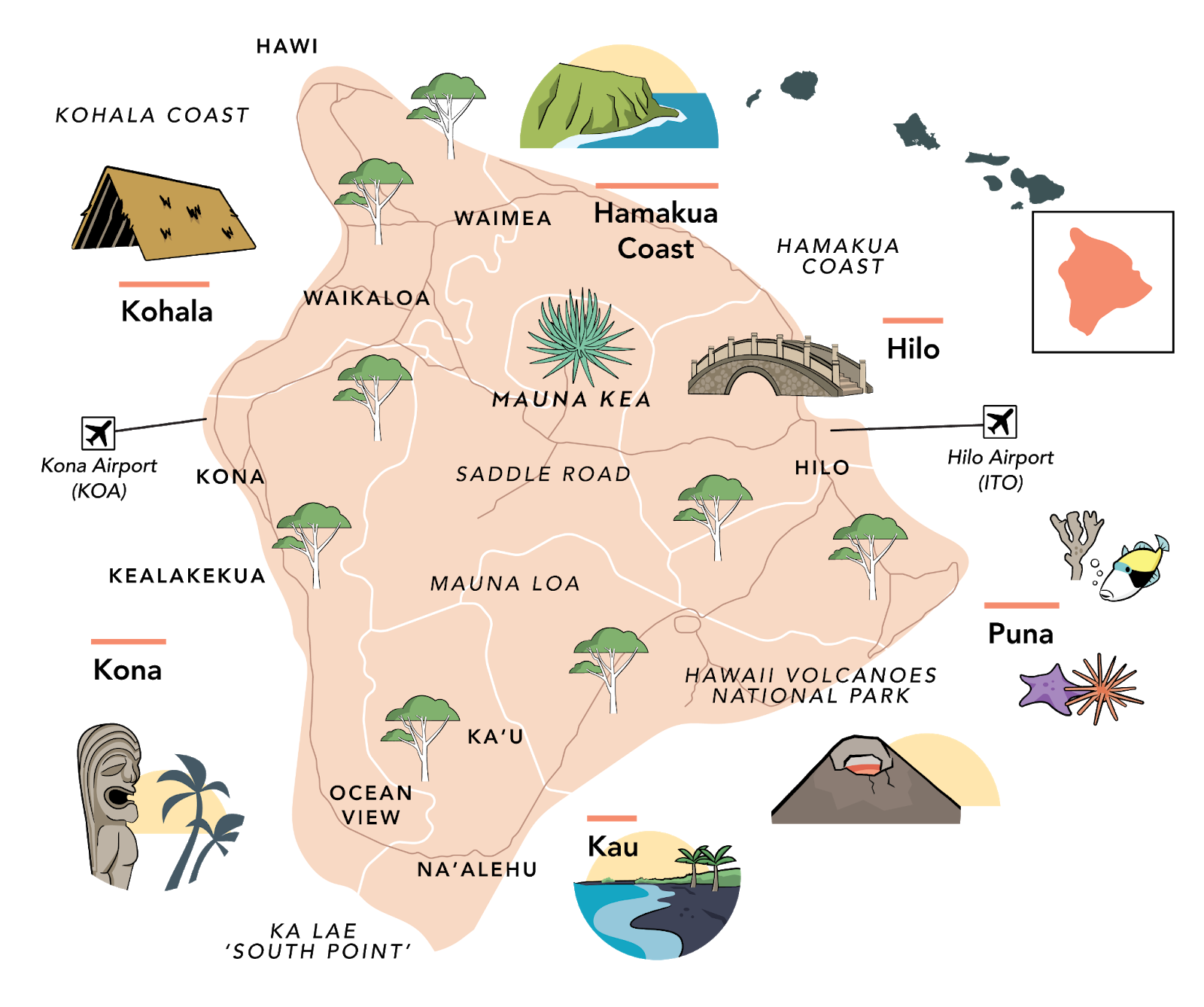
Gateway to Paradise: Understanding the Big Island’s Airports
The Big Island is the largest island in the Hawaiian archipelago, boasting an incredible range of climates and topography, from black sand beaches and lush rainforests to active volcanoes and snow-capped peaks. Given its expansive size and the geographical divide created by the formidable volcanoes Mauna Kea and Mauna Loa, two distinct airports have evolved to serve the island’s west (Kona) and east (Hilo) sides. Each airport offers a unique entry experience, reflecting the character of its surrounding region.
Kailua-Kona International Airport (KOA): The Primary Hub
Located on the sun-drenched western coast, Kailua-Kona International Airport (KOA) is by far the busiest and most frequently used airport for visitors to the Big Island. Its strategic location provides convenient access to the popular resorts, stunning beaches, and recreational activities that define the Kohala Coast and the vibrant town of Kailua-Kona. KOA handles the majority of direct flights from the mainland United States, making it the preferred choice for many arriving travelers. The airport itself offers a charming, open-air design that immediately immerses visitors in the tropical ambiance of Hawaii, with palm trees lining the walkways and fresh island breezes welcoming you.
Hilo International Airport (ITO): The Eastern Entry Point
On the lush, rainy eastern side of the island, Hilo International Airport (ITO) serves the city of Hilo and the island’s eastern regions. While smaller and less busy than KOA, ITO is an excellent option for travelers whose itineraries focus on the natural wonders of Hawaii Volcanoes National Park, the majestic Akaka Falls State Park, or the vibrant farmers’ markets and botanical gardens around Hilo. Direct flights to ITO from the mainland are less common, with most international or trans-Pacific travelers connecting through Daniel K. Inouye International Airport (HNL) in Oahu or Kahului Airport (OGG) in Maui before flying inter-island to Hilo. ITO offers a more intimate, local feel, reflecting the laid-back charm of the island’s windward side.
Why Two Airports? Geographic Diversity and Traveler Needs
The existence of two major airports on the Big Island is a direct reflection of its unique geography and the diverse experiences it offers. The journey between Kona and Hilo can take upwards of 2 to 3 hours by car, depending on the route (northern via Waimea or southern via Hawaii Volcanoes National Park), often traversing different climate zones and elevations. Having two airports significantly reduces travel time upon arrival and departure, allowing visitors to maximize their exploration time. It also caters to different travel styles and priorities, enabling seamless access to specific attractions without extensive cross-island drives immediately after a long flight.
Navigating Kailua-Kona International Airport (KOA): Your Western Arrival
Kailua-Kona International Airport (KOA) is a distinctly Hawaiian experience from the moment you step off the plane. Its open-air design is not just aesthetic but also practical, allowing the natural ventilation to keep temperatures comfortable.
Arrival and Departure Experience
Unlike many modern enclosed terminals, KOA consists of a series of open-air pavilions and walkways. Arriving passengers disembark directly onto the tarmac and walk to their respective gates, giving an immediate sense of being in paradise. This unique setup means that inclement weather, while rare on the Kona side, can sometimes affect operations. Baggage claim is also an open-air facility. For departures, check-in counters are spread across different airlines, and security screening leads to holding areas that are also largely open-sided, offering views of the runway and surrounding landscape. Major airlines like Hawaiian Airlines, Southwest Airlines, United Airlines, Delta Air Lines, and Alaska Airlines operate out of KOA, providing direct connections to various cities on the United States mainland, including Los Angeles, San Francisco, Seattle, Denver, and Chicago, among others.
Ground Transportation Options at KOA
Upon arrival at KOA, transportation is readily available. The most popular option, and often a necessity for exploring the Big Island comprehensively, is a rental car. All major car rental agencies have facilities conveniently located near the airport, with shuttle services transporting passengers to the rental car lots. It is highly recommended to book your rental car well in advance, especially during peak travel seasons. Taxis and ride-sharing services (Uber, Lyft) are also available, though they can be more expensive for longer distances to resorts along the Kohala Coast. Some resorts also offer dedicated shuttle services, so it’s worth checking with your accommodation provider. Public transportation on the Big Island is limited, making a rental car almost indispensable for independent exploration.
Amenities and Services for Travelers
Despite its open-air design, KOA offers essential traveler services. You’ll find a selection of dining options, from casual snack bars to sit-down restaurants, serving local Hawaiian favorites and international cuisine. Retail shops offer last-minute souvenirs, local gifts, and travel necessities. Free Wi-Fi is available throughout the terminal, allowing passengers to stay connected. ATM machines, information desks, and charging stations are also present. The airport prioritizes efficiency and a relaxed atmosphere, ensuring a smooth transition for visitors beginning or ending their Big Island journey.
Exploring Hilo International Airport (ITO): The Eastern Adventure Begins
Hilo International Airport (ITO) offers a different flavor of arrival, perfectly complementing the verdant and often misty landscape of the island’s eastern side.
ITO’s More Localized Charm
ITO is a smaller, more compact airport compared to KOA. Its enclosed terminal provides a more traditional airport experience, though it still maintains a welcoming, laid-back Hawaiian vibe. Flights to ITO are predominantly inter-island, primarily from Honolulu on Oahu (HNL) via Hawaiian Airlines and Mokulele Airlines, and to a lesser extent from Maui (Kahului Airport). There are a few direct mainland flights, but these are less frequent and typically seasonal. The slower pace at ITO means quicker processing times for baggage and security, which can be a relief after a long flight.

Connecting to the East Side Attractions
Choosing to fly into ITO places you directly in the heart of the Big Island’s lush, tropical side. It offers immediate access to the bustling town of Hilo, famous for its vibrant farmers’ market, stunning Akaka Falls State Park, and proximity to the otherworldly landscapes of Hawaii Volcanoes National Park. Travelers interested in exploring the rainforests, black sand beaches like Punalu’u Beach, and the unique communities around Pāhoa will find ITO to be the most convenient arrival point.
Essential Services at ITO
Despite its smaller size, ITO provides all necessary services for travelers. You’ll find several car rental agencies on-site or with nearby shuttle services, and booking ahead is just as critical here as it is for KOA. Taxi services are available outside the terminal. Dining options are more limited but sufficient for quick bites, and there are gift shops offering local crafts and souvenirs. Free Wi-Fi is also provided. The airport’s focus is on efficient service and providing a smooth, no-frills transition into the natural beauty of the Hilo region.
Choosing Your Arrival Point: Kona vs. Hilo
The decision of which airport to fly into significantly impacts your Big Island experience. Careful consideration of your itinerary, interests, and budget will guide your choice.
Proximity to Major Attractions
If your primary interest lies in luxury resorts, pristine beaches, snorkeling, diving, deep-sea fishing, or visiting coffee farms in the Kona Coffee Belt, then flying into KOA is the logical choice. It puts you minutes away from the Kohala Coast’s world-class accommodations and the historic sites like Puʻuhonua o Hōnaunau National Historical Park and Kaloko-Honokōhau National Historical Park.
Conversely, if you’re eager to witness active volcanic activity, explore lush rainforests, chase waterfalls like Akaka Falls, or visit the vibrant city of Hilo and the serene Waipiʻo Valley, then ITO is your best bet. It provides direct access to the island’s eastern and southern wonders, including the unique Kaʻū Desert and the ever-changing volcanic landscape.
Rental Cars and Inter-Island Travel Considerations
Regardless of your arrival airport, a rental car is almost universally recommended for exploring the Big Island. Public transportation is infrequent and does not cover many tourist attractions. If you plan to explore both sides of the island, you can either fly into one airport and out of the other (e.g., arrive KOA, depart ITO) or arrange for a one-way rental car drop-off, which may incur an additional fee. This “open-jaw” strategy can save significant driving time and allow for a more efficient exploration of the island. Many inter-island flights are available, primarily through Hawaiian Airlines and Mokulele Airlines, connecting the Big Island to Oahu, Maui, and Kauai. These are particularly useful if you wish to minimize cross-island driving and focus on specific regions.
Planning Your Big Island Itinerary Around Your Airport
Your choice of airport is intrinsically linked to your itinerary. For a trip heavily focused on the Kona and Kohala regions, flying into KOA makes perfect sense. If Hawaii Volcanoes National Park and the verdant Hilo side are your priority, ITO is the clear winner. Many travelers opt for a split stay, spending a few nights on the Kona side and a few on the Hilo side, often flying into one and out of the other to optimize their time and experience the full spectrum of the Big Island’s marvels. Always consider flight availability, pricing, and the total cost of transportation (including potential one-way car rental fees) when making your final decision.
Preparing for Your Big Island Journey
A trip to the Big Island is an unforgettable experience, and a little preparation can ensure a smooth and enjoyable start.
Rental Car Reservations are Crucial
Given the island’s size and limited public transport, securing a rental car well in advance of your arrival is paramount. During peak seasons, cars can become scarce, and prices can skyrocket. Booking directly from the airport locations is generally the most convenient, but comparing prices online across various rental companies is always advisable.
Packing Essentials for Hawaii
Beyond typical vacation attire, remember to pack for the Big Island’s diverse climates. Sun protection (hat, sunglasses, reef-safe sunscreen) is a must for the sunny Kona coast. Rain gear (light jacket, umbrella) is essential for the wetter Hilo side and higher elevations. Comfortable walking shoes are crucial for exploring trails and volcanic landscapes, and swimwear for enjoying the Pacific Ocean’s allure. Layering is key, as temperatures can vary significantly from sea level to the slopes of Mauna Kea.
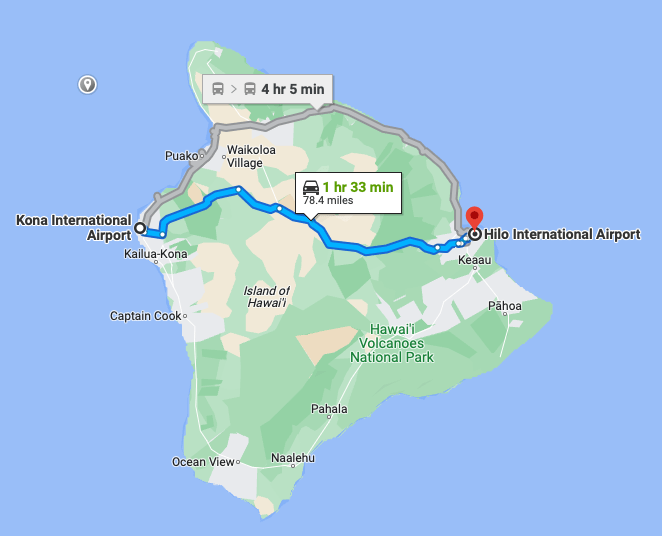
Embracing the Aloha Spirit from Arrival
From the moment you land at either Kailua-Kona International Airport or Hilo International Airport, you’ll be enveloped in the unique warmth of Hawaii’s “Aloha Spirit.” Be patient, respectful, and open to the island’s rhythm. Take a deep breath of the fragrant air, observe the vibrant surroundings, and allow yourself to unwind. Your airport arrival is more than just a logistical step; it’s the beginning of an extraordinary adventure on one of the world’s most captivating islands.
In conclusion, the Big Island of Hawaii is uniquely served by two main airports: Kailua-Kona International Airport (KOA) on the west, and Hilo International Airport (ITO) on the east. Understanding their differences, what they offer, and how they align with your travel plans is paramount to a fulfilling Hawaiian getaway. Choose wisely, prepare thoroughly, and get ready to discover the endless wonders of the Big Island.
LifeOutOfTheBox is a participant in the Amazon Services LLC Associates Program, an affiliate advertising program designed to provide a means for sites to earn advertising fees by advertising and linking to Amazon.com. Amazon, the Amazon logo, AmazonSupply, and the AmazonSupply logo are trademarks of Amazon.com, Inc. or its affiliates. As an Amazon Associate we earn affiliate commissions from qualifying purchases.