
When travelers envision Hawaii, the mental imagery is almost always saturated with vibrant colors: the deep turquoise of the Pacific Ocean, the lush emerald of the volcanic cliffs, and, most importantly, the kaleidoscopic hues of its tropical flora. Among the thousands of blossoms that perfume the air of the United States fifty-first state, one stands above the rest as the official symbol of the islands. However, the answer is more nuanced than a single species. While there is an official state flower, the cultural tapestry of the archipelago dictates that each individual island also possesses its own floral emblem.
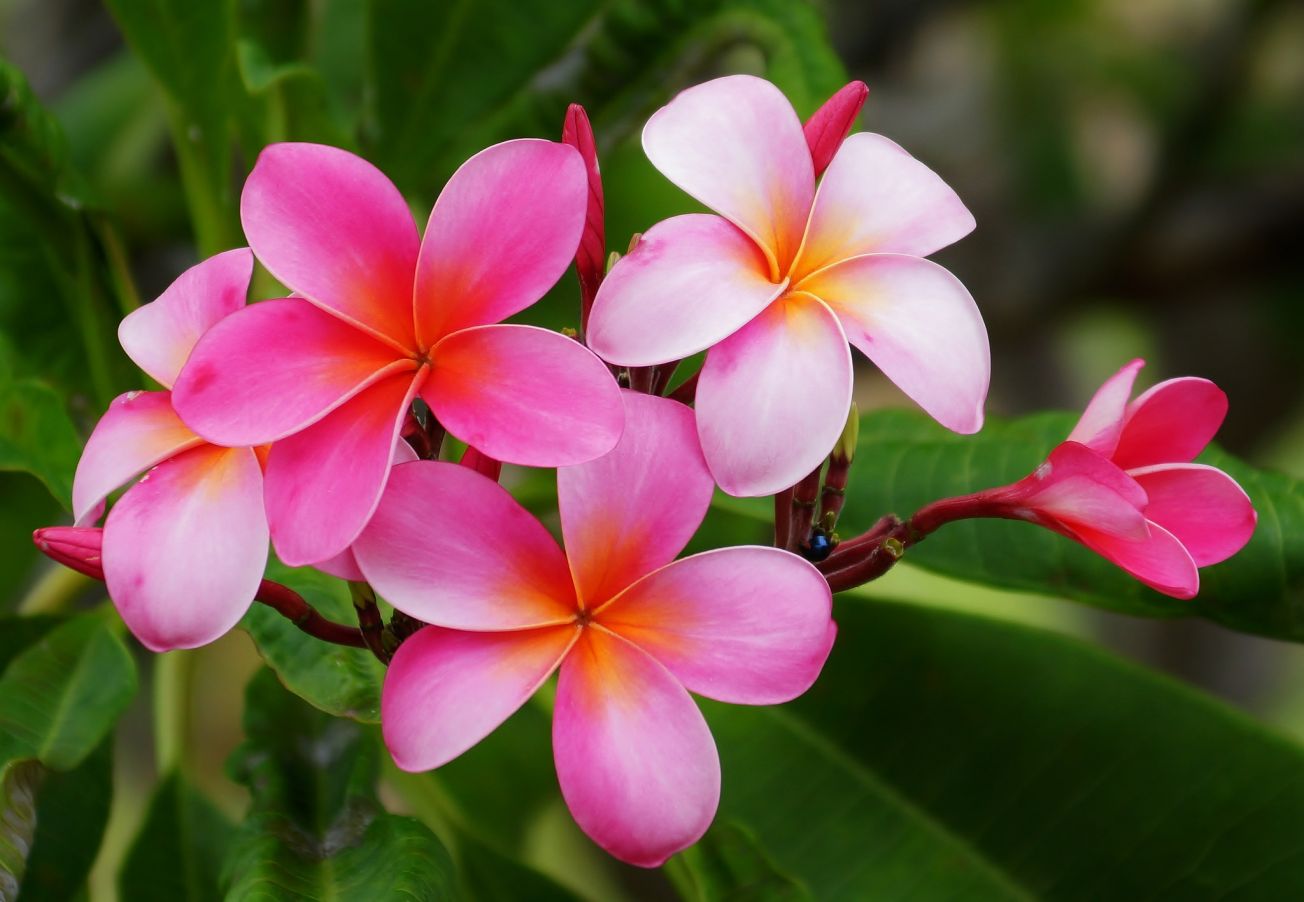
For the curious visitor exploring the local culture and natural heritage of these islands, understanding the significance of the yellow hibiscus and its island-specific counterparts is a gateway into the heart of the Hawaiian spirit. This guide explores the botanical identity of the islands, offering insights for tourists who wish to connect more deeply with the environment and traditions of this tropical paradise.
The Yellow Hibiscus: A Golden Icon of the Pacific
The official state flower of Hawaii is the yellow hibiscus, specifically the Hibiscus brackenridgei, known locally as the Pua Aloalo. This striking, sun-colored bloom was officially designated as the state flower in 1988, replacing an earlier, more general designation of the hibiscus “of any color.”
The History and Significance of the Pua Aloalo
The journey to naming the yellow hibiscus as the state symbol is a fascinating look at local legislation and botanical pride. In 1923, the Territory of Hawaii first named the hibiscus the official bloom, but it didn’t specify a particular variety. It wasn’t until the late 20th century that the state legislature moved to honor the native yellow species, which is endemic to the islands—meaning it is found naturally nowhere else on Earth.
For tourists visiting Honolulu or wandering through the Foster Botanical Garden, spotting a wild yellow hibiscus is a rare treat. Unlike the common red hibiscus often seen in landscaping at resorts like the Hilton Hawaiian Village, the native Pua Aloalo is an endangered species. Its delicate petals and central stamen represent the fragile beauty of the island ecosystem, reminding visitors of the importance of conservation.
Where to See the State Flower
Because the native yellow hibiscus is rare in the wild, the best way for travelers to view it is through curated botanical tours. The Hoomaluhia Botanical Garden on Oahu provides a spectacular backdrop for viewing native flora. Additionally, those visiting the Big Island might find them in dry forest regions, though they are often found in protected areas managed by the Department of Land and Natural Resources. Seeing the Pua Aloalo in its natural habitat is a bucket-list experience for many nature enthusiasts visiting the North Shore.
A Garden Across the Sea: The Eight Island Flowers
While the yellow hibiscus represents the state as a whole, the cultural tradition of Hawaii assigns a specific flower (or plant material) to each of the eight main islands. For a tourist, learning these distinctions is essential for understanding the local identity of the places they visit, from the rugged cliffs of Kauai to the bustling streets of Waikiki.
Oahu’s Ilima: The Flower of Royalty
The island of Oahu, home to the state capital and the historic site of Pearl Harbor, claims the Ilima as its official flower. These small, golden-orange blossoms are incredibly delicate. Historically, Ilima leis were reserved for the Ali’i (royalty). It takes hundreds, sometimes thousands, of these tiny flowers to create a single strand of a lei, making it a symbol of high status and profound labor of love. Visitors can often see Ilima motifs in the architecture of the Iolani Palace.
Maui’s Lokelani: The Heavenly Rose
On the “Valley Isle” of Maui, the official flower is the Lokelani, also known as the Pink Damask Rose. This is unique because the Lokelani is the only non-native plant to serve as an island symbol. Brought to the islands in the 1800s, it quickly became a favorite due to its intoxicating fragrance and beautiful pink hues. When driving the famous Road to Hana, keep an eye out for these fragrant blooms in local gardens. They are a testament to the island’s history of botanical exchange.
Kauai’s Mokihana: The Fragrance of the Forest
Kauai, often called the Garden Isle, does not have a flower as its symbol, but rather a berry-like fruit from the Mokihana tree. Found in the lush rainforests near Mount Waialeale, these green anise-scented berries are often woven with Maile leaves to create stunning, aromatic leis. For travelers hiking the Kalalau Trail, the scent of the surrounding flora is a constant companion, echoing the natural heritage that the Mokihana represents.
The Big Island’s Lehua: The Legend of Pele
The Big Island (the island of Hawaii) is represented by the Ohia Lehua. This striking red blossom is deeply tied to Hawaiian mythology, specifically the stories of Pele, the volcano goddess. Legend says that if you pluck a Lehua flower, it will rain, as the blossoms represent the tears of separated lovers. Visitors exploring the Hawaii Volcanoes National Park will see these resilient trees growing directly out of old lava flows, a symbol of life’s persistence in the face of fire.
Floral Experiences: Incorporating Botany into Your Hawaiian Itinerary
For many tourists, the highlight of their trip is the “Lei Greeting” upon arrival at Daniel K. Inouye International Airport. However, there are many more ways to engage with the floral culture of the islands beyond the initial welcome.
Attending Lei Day Festivals
If your travels bring you to the islands in May, you cannot miss May Day, known in the islands as Lei Day. In Honolulu, the festivities at Kapiolani Park are legendary. Here, the official flowers of each island are showcased in intricate lei-making competitions. It is an immersive cultural experience where tourists can learn about the different weaving techniques—such as Haku and Kui—and see the island colors (red for Big Island, pink for Maui, yellow for Oahu, and purple for Kauai) in full display.
Visiting the World-Class Botanical Gardens
To see the official flowers and other exotic species in one place, visiting a botanical garden is a must-activity. On the south shore of Kauai, the National Tropical Botanical Garden sites, specifically McBryde Garden and Allerton Garden, offer guided tours that explain the medicinal and cultural uses of native plants. On Maui, the Kula Botanical Garden offers a cooler, upland experience where you can see the Lokelani rose alongside Proteas and Orchids.
The Cultural Etiquette of Flowers in Hawaii
For the respectful traveler, understanding the etiquette surrounding flowers is as important as knowing their names. In Hawaii, flowers are a language of their own.
Wearing Flowers Correctly
A common tip for tourists involves how to wear a single blossom behind the ear. According to local tradition, if you wear a flower behind your left ear, it signifies that you are “taken” or in a committed relationship. Wearing it behind the right ear indicates that you are single and available. This small cultural nuance is a fun way for visitors to engage with the locals at a luau or a beach bonfire at Waikiki Beach.
The Ethics of Picking Wildflowers
While it may be tempting to pick a beautiful blossom during a hike at Diamond Head or Waimea Canyon, tourists are strongly encouraged to “take only pictures, leave only footprints.” Many of Hawaii’s official flowers, like the yellow hibiscus, are protected. Additionally, some plants are considered sacred in Hawaiian culture. It is always best to admire the flora in its natural state or purchase leis from local vendors at the Aloha Stadium Swap Meet to support the local economy and traditional crafters.
The Lei: A Symbol of Aloha
Receiving a lei is a high honor. When someone presents you with a lei, it is a gesture of love and welcome. The proper etiquette is to never refuse a lei and never remove it in the presence of the person who gave it to you. If you must remove it, do so discreetly. When you are finished with a lei, the traditional way to dispose of it is to return it to the earth—hanging it on a tree branch or scattering the petals in the ocean—rather than throwing it in the trash. This completes the cycle of life and honors the spirit of Hawaii.

Conclusion: A Blooming Connection to the Islands
The official flower of Hawaii, the yellow hibiscus, is more than just a botanical fact; it is a symbol of the state’s unique identity, its commitment to conservation, and its deep-rooted history. When you add the specific island blooms—the Ilima of Oahu, the Lokelani of Maui, the Mokihana of Kauai, and the Lehua of the Big Island—you get a clearer picture of the diversity that makes this archipelago a premier destination for travelers.
By seeking out these flowers in botanical gardens, respecting the traditions of the lei, and understanding the legends associated with the flora, tourists can transform a simple vacation into a profound cultural journey. Whether you are staying at a luxury resort like the Grand Hyatt Kauai Resort and Spa or backpacking through the trails of Molokai, the flowers of Hawaii will be there to guide you, offering their scent and color as a reminder of the island’s enduring Aloha spirit. Next time you see a golden Pua Aloalo shimmering in the sun, you’ll know you’re looking at the very soul of the islands.
LifeOutOfTheBox is a participant in the Amazon Services LLC Associates Program, an affiliate advertising program designed to provide a means for sites to earn advertising fees by advertising and linking to Amazon.com. Amazon, the Amazon logo, AmazonSupply, and the AmazonSupply logo are trademarks of Amazon.com, Inc. or its affiliates. As an Amazon Associate we earn affiliate commissions from qualifying purchases.