
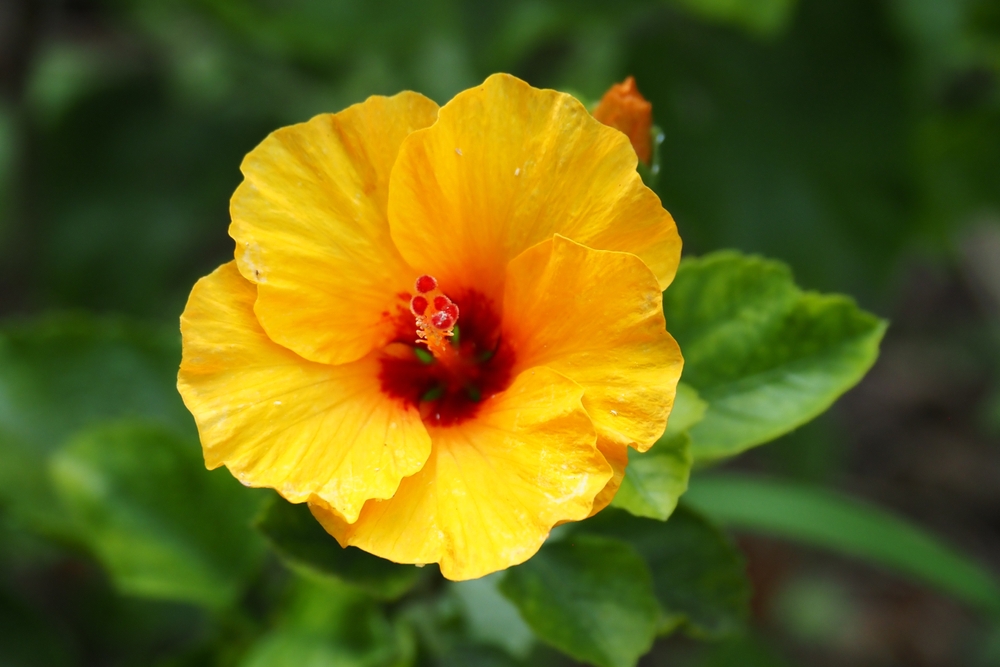
When one thinks of Hawaii, the mind immediately drifts to images of pristine beaches, swaying palm trees, and a vibrant tapestry of tropical flora. The islands, nestled in the heart of the Pacific Ocean, are home to some of the most unique biological diversity on the planet. Among this botanical wealth, one flower stands as the official representative of the “Aloha State.” The state flower of Hawaii is the Yellow Hibiscus, known locally in the Hawaiian language as the Pua Aloalo.
This choice is not merely aesthetic; it is a reflection of the islands’ heritage, its unique ecosystem, and the spirit of the people who live there. For travelers planning a visit to the United States only island chain, understanding the significance of this flower offers a deeper window into the local culture and the natural history of the land.
The Identity and History of the Pua Aloalo
The Yellow Hibiscus is a stunning bloom that captures the essence of the tropical sun. However, the history of its designation as the state symbol is more complex than many realize. While many varieties of hibiscus thrive across the islands, only one specific species holds the official title.
Botanical Profile of the Hibiscus Brackenridgei
The official state flower is the Hibiscus Brackenridgei, a rare and endangered species endemic to the Hawaiian Islands. Unlike the common ornamental hibiscus often seen in backyard gardens or at a Waikiki resort, the Hibiscus Brackenridgei grows as a shrub or small tree, reaching heights of up to 30 feet.
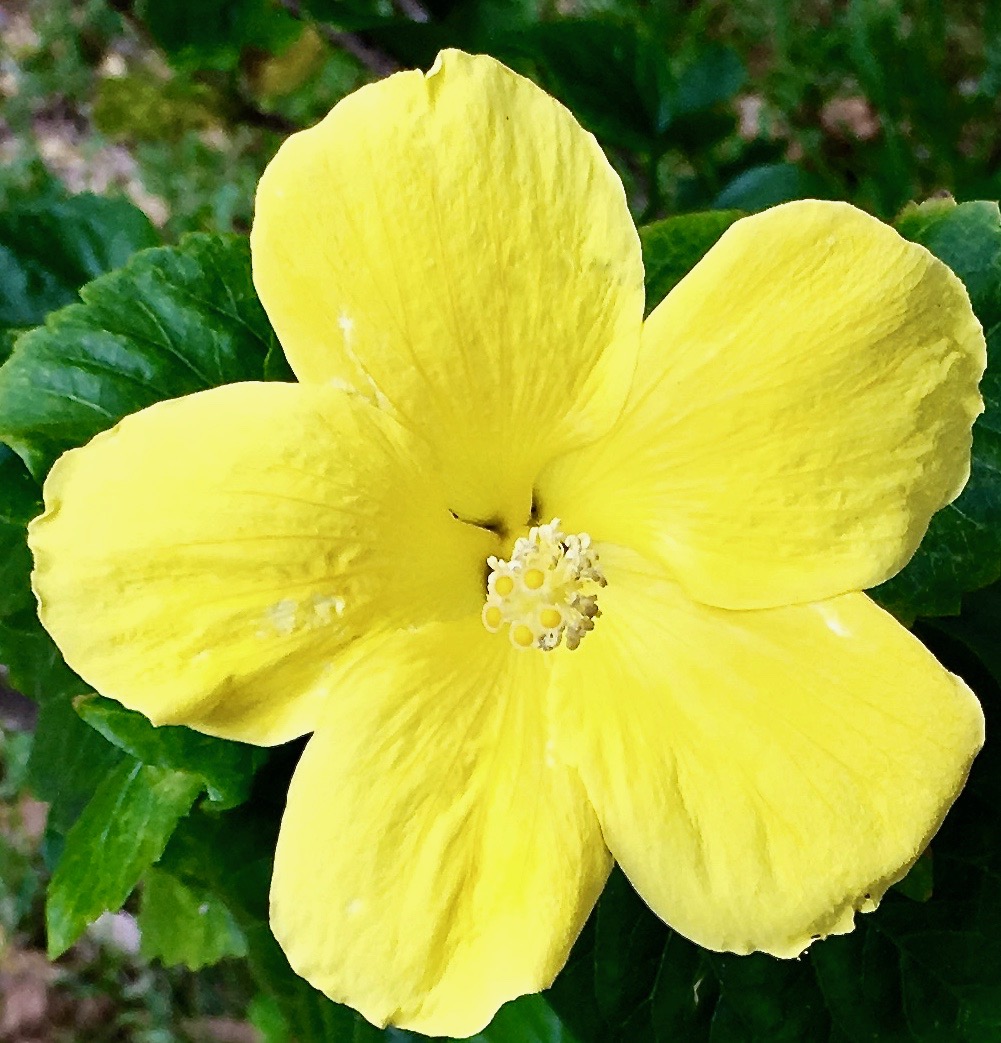
Its flowers are a brilliant, clear yellow with a dark red or maroon center. These blooms are relatively large, often spanning four to six inches in diameter. One of the most fascinating aspects of this plant is its adaptation to the local environment; it is typically found in dry forests and shrublands, making it a hardy survivor in the face of the islands’ varying microclimates.
The Legislative Journey to Official Status
The journey to crown the Yellow Hibiscus was a long one. Originally, in 1923, the Territory of Hawaii designated the hibiscus as its floral emblem, but it did not specify a particular color or species. For decades, many assumed the red hibiscus was the official flower because of its prevalence in tourism art and local gardens.
It wasn’t until 1988 that the Hawaii State Legislature officially clarified the choice. They selected the native Yellow Hibiscus to represent the state, distinguishing it from the many introduced species that were brought to the islands from other parts of the world. This move was a symbolic gesture to honor the indigenous flora of Hawaii and raise awareness for its conservation.
The Cultural Significance in Hawaiian Tourism
In Hawaii, flowers are more than just decorations; they are a language of their own. The Yellow Hibiscus plays a vital role in the cultural landscape, appearing in everything from traditional songs to the modern hospitality industry.
The Art of the Lei and Floral Traditions
Visitors arriving in Honolulu are often greeted with the sight of leis—garlands of flowers given as a sign of affection, welcome, or celebration. While the Yellow Hibiscus is not the most common flower used in lei-making because its blooms are delicate and short-lived (often lasting only a single day), its imagery is everywhere.
In traditional Hawaiian culture, the hibiscus was used in various medicinal practices and as a natural dye. For modern travelers, the flower serves as a primary motif in Hawaiian fashion. Whether you are browsing the luxury shops at the Royal Hawaiian Center or visiting a local market in Hilo, the vibrant yellow petals of the state flower are frequently featured on aloha shirts and sundresses, symbolizing the warmth and hospitality of the islands.
Symbolism in Local Life
The Pua Aloalo is often associated with “old Hawaii” and a sense of royalty and elegance. In ancient times, flowers were used to denote social status and specific islands. Even today, the way a hibiscus is worn can communicate a message. It is a well-known local tip that if a woman wears a flower behind her right ear, she is available, whereas wearing it behind the left ear indicates she is taken. This charming tradition is one of many cultural nuances that enrich the experience of tourism in the islands.
A Guide for Travelers: Where to See Hawaii’s Flora
For those who wish to see the Yellow Hibiscus and other native plants in person, Hawaii offers numerous botanical gardens and hiking trails that showcase its natural beauty.
Exploring Botanical Gardens on Oahu
Oahu is a treasure trove for plant lovers. The Foster Botanical Garden, located in the heart of Honolulu, is one of the oldest and most prestigious botanical sites in the state. It houses a vast collection of rare tropical plants, including specimens of the Hibiscus Brackenridgei.
Another must-visit destination is Waimea Valley on the North Shore of Oahu. This world-class botanical garden and cultural site offers a lush environment where visitors can walk through historical Hawaiian living sites and see a wide variety of hibiscus species. It is an excellent place for families to learn about the intersection of nature and Hawaiian history.
The Garden Isle and The Valley Isle
On Kauai, often called the “Garden Isle,” the National Tropical Botanical Garden is a leader in plant conservation. Their McBryde Garden and Allerton Garden provide guided tours that allow travelers to see the state flower in a setting that mimics its natural habitat.
Meanwhile, on Maui, travelers can visit the Kula Botanical Garden on the slopes of Haleakala. The cooler elevation provides a different perspective on Hawaiian flora, showcasing how the state’s flowers adapt to different altitudes and ecosystems.
The Island Flowers: A Diversity of Symbols
While the Yellow Hibiscus is the official flower for the entire state, each of the major islands has its own designated flower or plant symbol. This is a crucial piece of knowledge for any traveler moving between the islands, as it highlights the unique identity of each destination.
- Hawaii Island (The Big Island): The symbol is the Ohia Lehua. This striking red flower is deeply connected to Hawaiian mythology and the fire goddess Pele.
- Maui: The Lokelani Rose (Pink Damask Rose) is the official flower. It is the only non-native plant on the list of island symbols, introduced in the 1800s.
- Oahu: The Ilima is the island’s flower. Its delicate yellow-orange blossoms were once reserved for use by Hawaiian royalty.
- Kauai: The Mokihana berry is the symbol of Kauai. These fragrant green berries are often strung into leis that smell of anise.
- Molokai: The White Kukui Blossom represents the “Friendly Isle,” symbolizing light and protection.
- Lanai: The Kaunaoa (Air Plant) is the symbol here, often found growing along the beaches of Lanai.
- Niihau: Instead of a flower, the “Forbidden Isle” is represented by the Pupu Shell, used to make world-famous jewelry.
- Kahoolawe: The Hinahina is a silvery beach plant that symbolizes this uninhabited island.
Protecting the Heritage: Conservation and Responsible Tourism
The Yellow Hibiscus is currently listed as an endangered species. Factors such as habitat loss, competition from invasive species, and climate change have made it difficult for this flower to thrive in the wild. As a traveler, participating in tourism also comes with a responsibility to protect these natural landmarks.
Supporting Local Ecotourism
When visiting Hawaii, consider booking tours with companies that prioritize ecotourism and sustainability. Organizations like the Hawaii Tropical Botanical Garden or various conservancies on the Big Island work tirelessly to propagate native species and restore their natural environments.
By choosing to visit established botanical gardens and staying on marked trails during hikes in Diamond Head or Koke’e State Park, you help prevent the spread of invasive seeds and protect the fragile root systems of native plants.

Responsible Flower Etiquette
While it may be tempting to pick a beautiful Yellow Hibiscus to wear in your hair, it is important to remember that many native plants are protected by law. It is always best to purchase flowers from local florists or lei stands in Waikiki Beach rather than harvesting them from the wild. Additionally, when staying at a resort like the Aulani Resort, take advantage of their cultural programs which often teach the proper way to interact with local flora and the stories behind them.
The state flower of Hawaii is far more than just a pretty plant. The Yellow Hibiscus is a living piece of history, a cultural icon, and a reminder of the delicate beauty of the islands. Whether you are exploring the urban bustle of Honolulu or the quiet trails of Kauai, keep an eye out for this golden bloom. Seeing it in its natural habitat is a highlight of any trip to Hawaii, providing a lasting memory of the islands’ unique and vibrant spirit.
LifeOutOfTheBox is a participant in the Amazon Services LLC Associates Program, an affiliate advertising program designed to provide a means for sites to earn advertising fees by advertising and linking to Amazon.com. Amazon, the Amazon logo, AmazonSupply, and the AmazonSupply logo are trademarks of Amazon.com, Inc. or its affiliates. As an Amazon Associate we earn affiliate commissions from qualifying purchases.