
Planning a trip to Hawaii is an exercise in envisioning paradise. Located in the heart of the Pacific Ocean, this archipelago represents the quintessential tropical getaway for travelers from the United States and beyond. However, one of the most common questions for any prospective visitor is: what is the weather for Hawaii? While the islands are famous for their eternal summer, the reality is a complex and fascinating tapestry of microclimates, seasonal shifts, and trade winds that can vary significantly from one side of an island to the other.
Understanding these patterns is essential for choosing the right destination, packing correctly, and ensuring your itinerary matches the environmental conditions. Whether you are seeking the sun-drenched shores of Waikiki or the misty, emerald cliffs of the Napali Coast State Wilderness Park, a deep dive into the meteorological nuances of the islands is the first step in your travel journey.
Understanding Hawaii’s Microclimates and Seasons
The weather in Hawaii is remarkably consistent compared to continental climates, but it is far from monolithic. The state primarily experiences two seasons: “Kau,” the dry summer period from May to October, and “Hooilo,” the wetter winter period from November to April. Despite these broad categories, the presence of towering volcanic peaks and the influence of the northeast trade winds create localized weather patterns that can change within just a few miles.
The Dry Season (Kau)
During the summer months, travelers can expect the most reliable beach weather. Average daytime temperatures typically hover around 85°F (29°C), with the cooling trade winds providing a necessary reprieve from the tropical humidity. This is the peak time for snorkeling and swimming, as the ocean remains calm across most shores. In popular spots like Honolulu, the sun is a constant companion, making it the ideal window for outdoor festivals and coastal exploration.
The Wet Season (Hooilo)
The winter season brings slightly cooler temperatures, with averages around 78°F (25°C), and an increase in rainfall. It is important to note that “wet season” in Hawaii rarely means constant gloom. Instead, rain typically falls in short, intense bursts, often during the night or early morning, frequently resulting in the vibrant rainbows for which the islands are famous. This season also brings the legendary swells to the North Shore of the islands, attracting professional surfers and spectators from around the globe.
Trade Winds and the Rain Shadow Effect
Perhaps the most critical factor in Hawaiian weather is the “Rain Shadow Effect.” The northeast trade winds carry moisture from the ocean toward the islands. When this air hits the mountains, it rises, cools, and releases rain on the “windward” (northeast) sides. Consequently, the “leeward” (southwest) sides of the islands remain significantly drier and sunnier. For travelers, this means that even if it is raining at your resort on the windward coast, a short drive to the leeward side often reveals clear blue skies.
Regional Weather Patterns Across the Islands
Every island in the chain possesses a unique personality, shaped largely by its topography and age. From the urban sophistication of Oahu to the rugged, volcanic expanses of Hawaii Island, the weather dictates the lifestyle and the types of activities available to visitors.
Oahu: The Gathering Place
Oahu is home to the state capital and offers a diverse range of weather experiences. The leeward side, featuring Waikiki Beach and the Ko Olina Resort, is almost always sunny and dry. This makes it a primary destination for those focused on sunbathing and luxury shopping. However, if you venture toward the Nuuanu Pali Lookout, you will encounter much cooler temperatures and brisk winds. Historic sites such as Pearl Harbor typically enjoy mild, breezy conditions, while a hike up the Diamond Head State Monument is best done in the early morning to avoid the midday heat that radiates off the crater’s volcanic rock.
Maui: The Valley Isle
Maui offers some of the most dramatic weather contrasts in the world. The western coast, including Lahaina and Kaanapali Beach, is a sun-seeker’s paradise. In contrast, the famous Road to Hana takes travelers through a lush rainforest where rain is a daily occurrence, fueling the spectacular waterfalls that line the route. The crown jewel of the island’s topography is Haleakala National Park. At the summit of this dormant volcano, temperatures can drop below freezing, and it is not uncommon to see frost or even light snow, providing a startling contrast to the tropical beaches just a two-hour drive away.

Kauai: The Garden Isle
As the oldest of the main islands, Kauai has been weathered by time into a landscape of deep canyons and jagged cliffs. It is also one of the wettest places on earth. Mount Waialeale receives an incredible amount of rainfall annually, which feeds the lush greenery of the island. Travelers heading to Hanalei Bay should be prepared for passing showers, but these are a small price to pay for the stunning scenery. On the southern coast, Poipu Beach offers a much drier climate, making it the preferred base for those who want a traditional sunny beach vacation while still being close enough to explore the Waimea Canyon State Park.
Hawaii Island: The Big Island
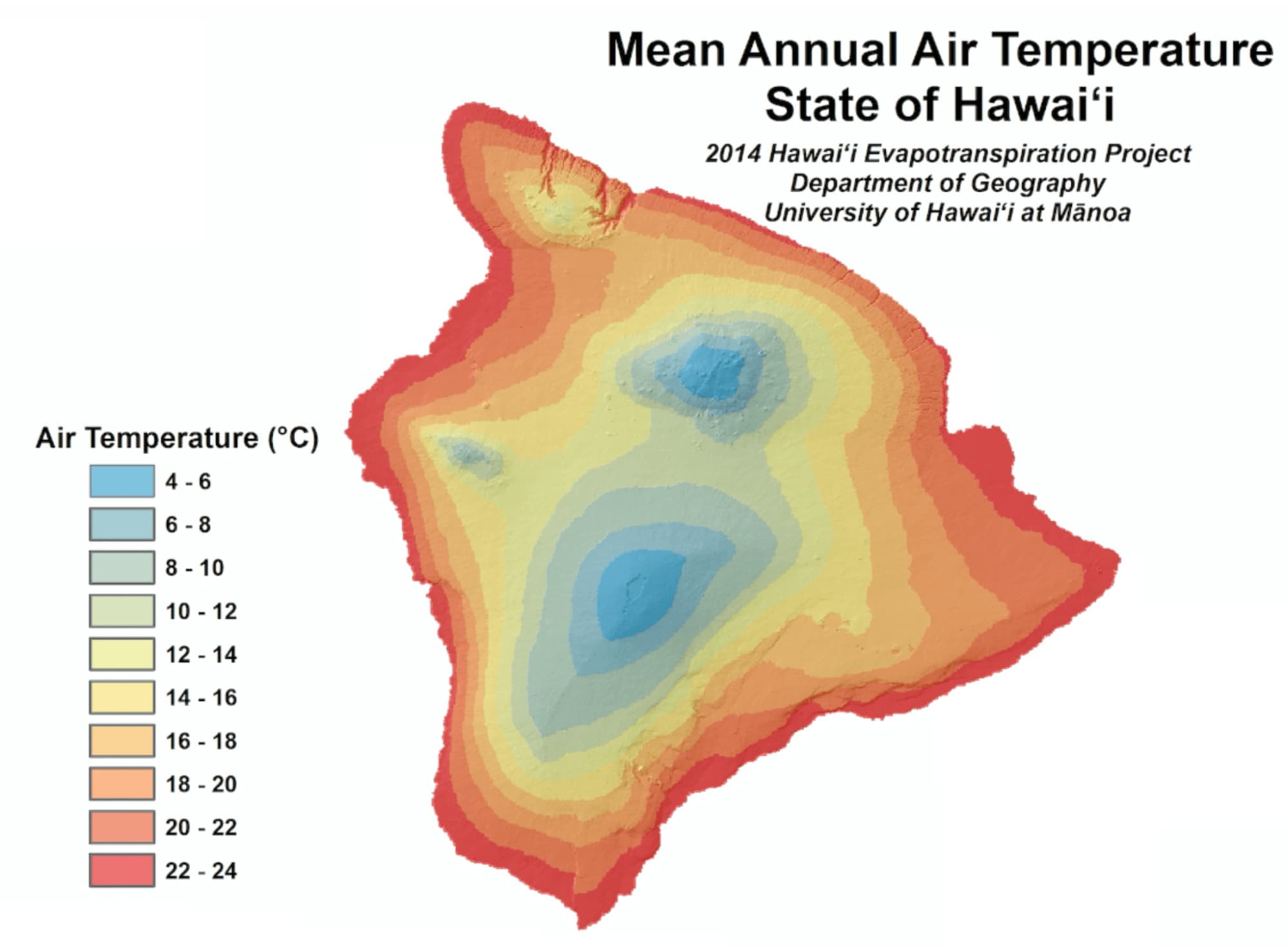
Hawaii Island is so large and topographically diverse that it contains 4 out of the 5 major climate zones. On the west side, Kailua-Kona is known for its “Kona weather”—calm, hot, and sunny. On the east side, Hilo is one of the rainiest cities in the United States, boasting botanical gardens and massive waterfalls. The interior of the island features the massive peaks of Mauna Kea and Mauna Loa. High-altitude travelers visiting Hawaii Volcanoes National Park should expect much cooler, windier conditions than at the coast, with temperatures often requiring heavy jackets and long pants.
Seasonal Travel Planning: When to Go
Choosing when to visit Hawaii depends entirely on your travel priorities. Because the weather is generally pleasant year-round, “the best time” is subjective and depends on whether you are looking for specific wildlife, sports, or cultural events.
Summer Escapes (June to August)
Summer is the ideal time for families. The water is at its warmest and the seas are the calmest, making it the safest time for children to swim at beaches like Ala Moana Beach Park. This is also the best time for snorkeling excursions to Molokini Crater, where visibility is at its peak. While humidity can be higher during these months, the consistent trade winds usually prevent it from feeling oppressive.
Winter Surf and Whale Watching (December to February)
Winter is a season of spectacle. This is when the Kohala Coast and the waters of the Auau Channel become the playground for migrating humpback whales. For adventure seekers, the winter swells transform the Banzai Pipeline into a world-class surfing arena. Travelers should be aware that winter is also the peak tourism season; many visitors from the mainland flee the cold for the warmth of Lanai or Molokai, so booking in advance is crucial.
The Shoulder Seasons (Spring and Fall)
For many seasoned travelers, April to June and September to November are the “sweet spots.” During these windows, the weather is exceptionally balanced—neither too hot nor too rainy. The crowds are thinner, and the landscape is often at its most beautiful. In the spring, you can witness the blooming of tropical flora, while the fall offers warm ocean temperatures without the mid-summer humidity.
Packing and Preparation for Tropical Weather
Because of the diverse microclimates, packing for Hawaii requires more than just a swimsuit and flip-flops. Your wardrobe needs to be as adaptable as the islands themselves.
Essential Gear for Coastal Areas
For the lowlands and beaches, breathable, moisture-wicking fabrics are your best friend. Linen and light cotton help manage the heat. Sun protection is non-negotiable; the tropical sun is much stronger than in higher latitudes. Reef-safe sunscreen is a requirement in Hawaii to protect the delicate coral ecosystems. A light, packable rain shell is also a wise addition, as a sudden five-minute shower can happen even on the sunniest of days.
High-Altitude and Adventure Protection
If your itinerary includes a sunrise trip to Haleakala National Park or a stargazing tour at Mauna Kea, you must pack for winter conditions. Layers are the key. A base layer, a fleece or sweater, and a windproof jacket are often necessary when standing at 10,000 feet above sea level. Additionally, if you plan on hiking in the Waimea Canyon State Park or along the Kalalau Trail, sturdy, waterproof hiking shoes are essential, as the red volcanic soil can become quite slippery when damp.

Marine and Water Activity Preparation
The ocean temperature in Hawaii ranges from 74°F in the winter to 80°F in the summer. For most, this is perfect for swimming. However, if you plan on spending hours snorkeling or diving near Hanauma Bay Nature Preserve, a rash guard or a thin wetsuit top can provide both thermal protection and a barrier against the sun. Always check local surf reports and “Small Craft Advisories” before heading out, as the weather in the Pacific Ocean can shift ocean currents and swell heights rapidly.
In conclusion, while the weather for Hawaii is famously inviting, its complexity is what makes the islands so biologically and geographically rich. By understanding the interplay between the trade winds, the mountains, and the seasons, you can navigate these islands like a local, finding the perfect pocket of sunshine or the most refreshing rainforest breeze whenever you choose to visit.
LifeOutOfTheBox is a participant in the Amazon Services LLC Associates Program, an affiliate advertising program designed to provide a means for sites to earn advertising fees by advertising and linking to Amazon.com. Amazon, the Amazon logo, AmazonSupply, and the AmazonSupply logo are trademarks of Amazon.com, Inc. or its affiliates. As an Amazon Associate we earn affiliate commissions from qualifying purchases.