
For travelers exploring the diverse landscapes and unique culture of the United States, understanding local laws, particularly concerning substances like cannabis, is crucial. North Dakota, a state known for its vast prairies, rich agricultural heritage, and historical significance, presents a distinct legal framework when it comes to marijuana. For those planning a trip, considering accommodation, or simply curious about the lifestyle in this northern state, navigating the nuances of cannabis legislation is essential for a smooth and enjoyable experience. This guide delves into the current legal status of cannabis in North Dakota, offering insights for visitors and residents alike, all within the context of travel, tourism, and lifestyle considerations.
Understanding Cannabis Laws in North Dakota: A Traveler’s Guide
The legal landscape surrounding cannabis in the United States is a patchwork, with each state holding the authority to set its own regulations. While some states have embraced full recreational legalization, others maintain stricter prohibitions. North Dakota falls into a category that permits medical cannabis but has not yet legalized its recreational counterpart. This distinction is paramount for anyone visiting or residing in the state, as the penalties for violating cannabis laws can range from significant fines to incarceration, impacting travel plans and overall quality of life.
The Current Legal Landscape: Medical vs. Recreational
As of the most recent legislative updates, recreational cannabis remains illegal in North Dakota. This means that purchasing, possessing, cultivating, or distributing marijuana for non-medical purposes is against state law. Despite several attempts to introduce recreational cannabis through ballot measures, these efforts have not yet been successful. For instance, Measure 3 in 2018 and Measure 2 in 2022, both aiming for recreational legalization, were rejected by voters. These outcomes underscore a cautious approach by the state’s electorate towards widespread cannabis reform, reflecting a conservative stance that contrasts with many of its neighbors.
On the other hand, medical cannabis is legal in North Dakota. The North Dakota Compassionate Care Act, approved by voters in 2016, established a medical marijuana program designed to provide relief for patients suffering from specific debilitating conditions. This program allows qualifying residents to obtain a medical marijuana card, which grants them legal access to cannabis products from state-licensed dispensaries. The implementation of this act marked a significant shift in the state’s drug policy, recognizing the therapeutic potential of cannabis while maintaining strict controls over its distribution and use.
Medical Cannabis: A Closer Look
The medical cannabis program in North Dakota is quite structured, focusing on patients with qualifying conditions. To be eligible for a medical marijuana card, an individual must be a resident of North Dakota and have a qualifying medical condition as certified by a licensed physician. These conditions typically include, but are not limited to, cancer, Crohn’s disease, epilepsy, HIV/AIDS, multiple sclerosis, and intractable pain. The process involves physician certification, application submission to the North Dakota Department of Health, and approval.
Once approved, registered patients can purchase medical cannabis from one of the state’s licensed dispensaries. These facilities are primarily located in larger cities such as Fargo, Bismarck, Grand Forks, and Minot. The types of products available generally include flower, concentrates, edibles, and topical applications, all subject to strict quality control and testing. Patients are also subject to possession limits, typically allowing for a 90-day supply, which must be stored securely and discreetly. It’s important to note that while medical cannabis is legal for registered patients, its use is still restricted in public places, and driving under the influence remains strictly prohibited.

Recreational Cannabis: The State of Play
For non-medical users, the situation is clear: recreational cannabis is illegal. Possession of even small amounts for recreational purposes can lead to misdemeanor charges, substantial fines, and potential jail time, especially for repeat offenders. Larger quantities can result in felony charges, carrying even more severe penalties. These laws are rigorously enforced by state and local law enforcement agencies across North Dakota, from its bustling urban centers to its quiet rural communities.
Despite the current legal status, the debate around recreational cannabis legalization continues in North Dakota. Proponents argue for the economic benefits, potential tax revenue, and individual liberty, often pointing to neighboring states that have successfully implemented recreational programs. Opponents raise concerns about public health, safety, and potential societal impacts. As long as these legislative efforts continue, the legal status of recreational cannabis remains a dynamic topic, but for the foreseeable future, visitors and non-medical residents should assume that recreational use is prohibited.
Navigating North Dakota’s Cannabis Regulations for Visitors
For travelers planning to visit North Dakota, understanding the nuances of its cannabis laws is paramount to avoid legal complications and ensure a smooth trip. Unlike states where recreational use is legal and dispensaries cater to adult-use consumers, North Dakota’s regulations mean that visitors cannot legally purchase or possess cannabis unless they are registered medical patients within the state’s program, which is generally not an option for out-of-state visitors.
What Tourists Need to Know Before Visiting
The most critical takeaway for tourists is that you cannot legally bring cannabis into North Dakota, nor can you purchase it for recreational use within the state. Even if you come from a state or country where cannabis is legal, transporting it across state lines or international borders (such as from Canada to North Dakota) is a federal offense, regardless of state laws. This applies to all forms of cannabis, including edibles, oils, and concentrates. Airports, border crossings, and even inter-state highways are areas where federal jurisdiction can apply, making any attempt to transport cannabis highly risky.
Furthermore, public consumption of cannabis, even for medical patients, is generally prohibited. This includes parks, streets, sidewalks, and any other public space. Driving under the influence of cannabis is also strictly illegal and carries severe penalties, akin to those for alcohol-impaired driving. Law enforcement officers are trained to detect impairment, and operating a vehicle while under the influence of any substance can lead to arrest, fines, license suspension, and even jail time.
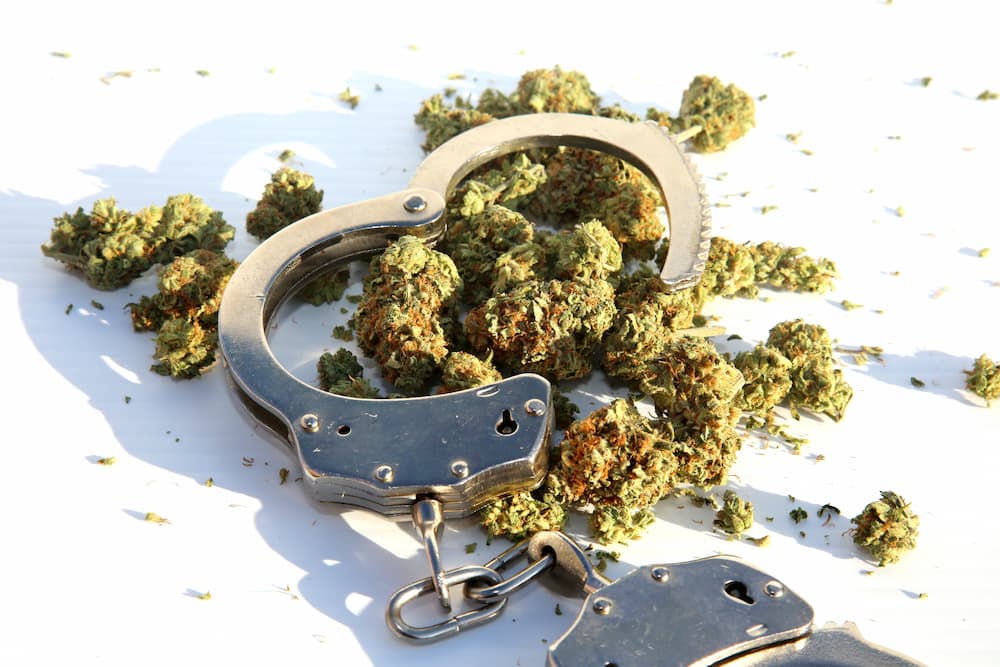
It is always advisable to err on the side of caution. If you are not a registered medical cannabis patient in North Dakota, simply avoid cannabis altogether during your visit. Focus instead on enjoying the state’s legitimate attractions, such as the Theodore Roosevelt National Park, the National Buffalo Museum, or the historical sites in Bismarck and Fargo.
Accommodation and Cannabis: Hotel Policies
When it comes to accommodation, guests should be aware that hotels, resorts, and rental properties (Airbnb, VRBO) in North Dakota typically enforce strict “no smoking” policies within their premises, which extends to cannabis. Even in states where recreational cannabis is legal, many hotels still prohibit its use on their property due to various factors, including federal regulations, insurance liabilities, and the comfort of other guests. In North Dakota, where recreational cannabis is illegal, these policies are even more stringent.
Guests found using cannabis on hotel premises could face significant fines, immediate eviction, and potential legal repercussions if local authorities are involved. This applies not just to smoking but also to vaping and consuming edibles, as hotels aim to maintain a drug-free environment and prevent any disturbances. Before booking, especially if you have a medical cannabis card from another state (which is not valid in North Dakota), it’s wise to clarify the property’s specific policies. However, the safest approach for all visitors is to respect the state’s laws and refrain from any cannabis-related activities within their chosen accommodation.
For those seeking luxury travel or budget-friendly options, finding accommodations that explicitly permit cannabis use in North Dakota is virtually impossible, as it would violate state law. Focus on amenities like pools, fitness centers, excellent dining options, or proximity to attractions rather than cannabis-friendly policies.
Exploring North Dakota’s Travel and Lifestyle in the Context of Cannabis Laws
The legal status of cannabis significantly influences the travel experience and lifestyle within North Dakota. Unlike states that have embraced cannabis tourism, North Dakota presents a different kind of destination, one where visitors can fully immerse themselves in its natural beauty, historical depth, and unique cultural offerings without the backdrop of a burgeoning cannabis industry.
The Impact on Tourism and Local Economy
North Dakota’s tourism sector is built upon its outdoor adventures, rich heritage, and friendly communities. Destinations like the Maah Daah Hey Trail for biking and hiking, the Fargo Air Museum, and the North Dakota Heritage Center & State Museum in Bismarck attract visitors for their intrinsic value. The absence of recreational cannabis legalization means that North Dakota does not participate in the cannabis tourism market, which has seen significant growth in states like Colorado or California. This means no cannabis tours, specialized cannabis-friendly hotels, or dispensaries marketed to recreational users.
While some might see this as a missed economic opportunity for the state, it also reinforces North Dakota’s existing identity as a family-friendly destination focused on traditional tourism. The local economy benefits from visitors drawn to its national parks, fishing and hunting opportunities, and cultural festivals, rather than a specific cannabis draw. Should recreational laws change in the future, it would undoubtedly open new avenues for tourism and generate tax revenues, but such a shift would also require careful consideration of its broader societal impacts and infrastructure development. For now, the focus remains on conventional tourism attractions and experiences.
Comparing North Dakota to Neighboring States and National Trends
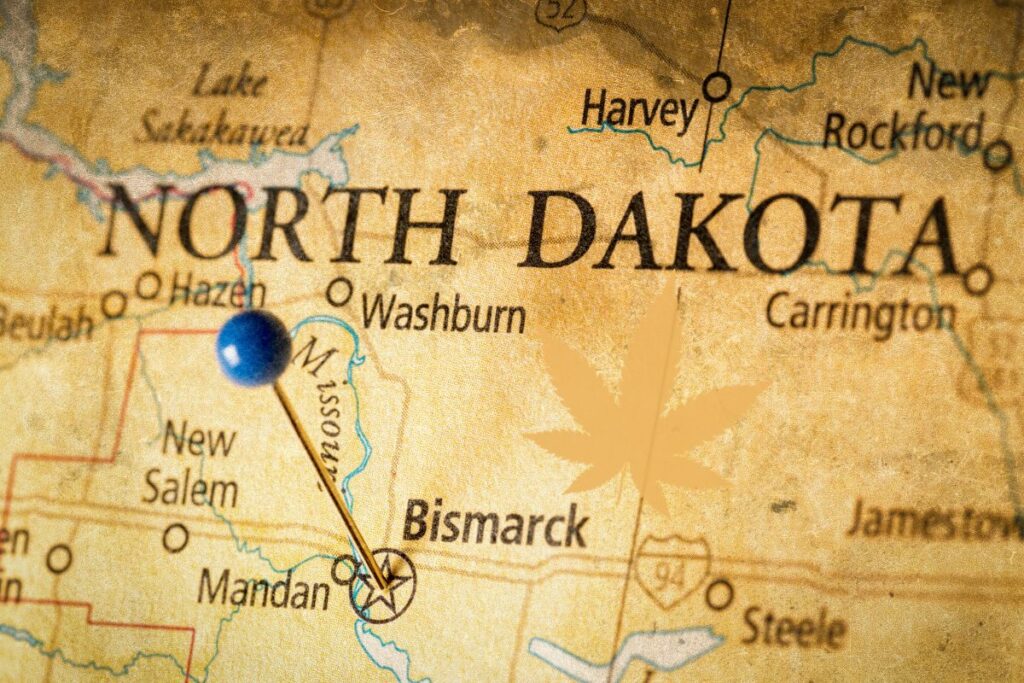
When viewed in the broader context of the United States, North Dakota’s cannabis laws stand in contrast to some of its neighbors and the national trend toward legalization. To its west, Montana has legalized recreational cannabis, establishing dispensaries that cater to adults 21 and older. To its east, Minnesota has also moved to legalize recreational adult-use cannabis, creating a new legal framework for possession and home cultivation, with retail sales anticipated to follow. Even to its south, South Dakota has a legal medical cannabis program, though recreational efforts have faced legal challenges. Directly north, Canada has federally legalized recreational cannabis, presenting a stark difference in policy across the international border.
This regional disparity highlights the ongoing debate and varying approaches to cannabis reform across the continent. North Dakota’s more conservative stance means that visitors traveling from or through these neighboring jurisdictions must be particularly vigilant about understanding and adhering to North Dakota’s specific laws. The “patchwork” nature of cannabis legality emphasizes the importance of researching local regulations for every destination, even within a single road trip across the United States. As national attitudes continue to evolve, and more states explore legalization, the pressure on states like North Dakota to reconsider their cannabis policies may grow.
In conclusion, for anyone asking “Is weed legal in North Dakota?”, the answer is clear: no, for recreational use, but yes, for qualified medical patients. This distinction is critical for travelers and anyone engaging with the state’s legal system. North Dakota offers a wealth of travel experiences, from exploring its natural beauty to delving into its rich history, and enjoying these attractions responsibly means respecting and adhering to the state’s cannabis laws. By staying informed and making responsible choices, visitors can ensure their trip to North Dakota is both memorable and hassle-free.
LifeOutOfTheBox is a participant in the Amazon Services LLC Associates Program, an affiliate advertising program designed to provide a means for sites to earn advertising fees by advertising and linking to Amazon.com. Amazon, the Amazon logo, AmazonSupply, and the AmazonSupply logo are trademarks of Amazon.com, Inc. or its affiliates. As an Amazon Associate we earn affiliate commissions from qualifying purchases.