
For many travelers planning a journey to the United States, specifically the isolated paradise of Hawaii, the rhythm of the day is dictated by the movement of the sun. Unlike the extreme shifts in daylight experienced in northern latitudes, the Pacific Ocean islands offer a more consistent, albeit nuanced, schedule. Understanding exactly when the sun dips below the horizon is not just a matter of curiosity; it is an essential component of travel planning. Whether you are scheduling a romantic dinner in Waikiki, a photography session on the Na Pali Coast, or a stargazing expedition atop Mauna Kea, the timing of the sunset is the cornerstone of the ultimate tropical experience.
Understanding Sunset Dynamics in the Hawaiian Islands
The geography of Hawaii plays a significant role in how daylight is distributed throughout the year. Because the islands are located relatively close to the equator, the variation between the longest day of the year and the shortest day is far less dramatic than in places like New York or London. However, these small shifts still influence the “Golden Hour” and the overall atmosphere of your evening activities.
Seasonal Variations and Daylight Hours
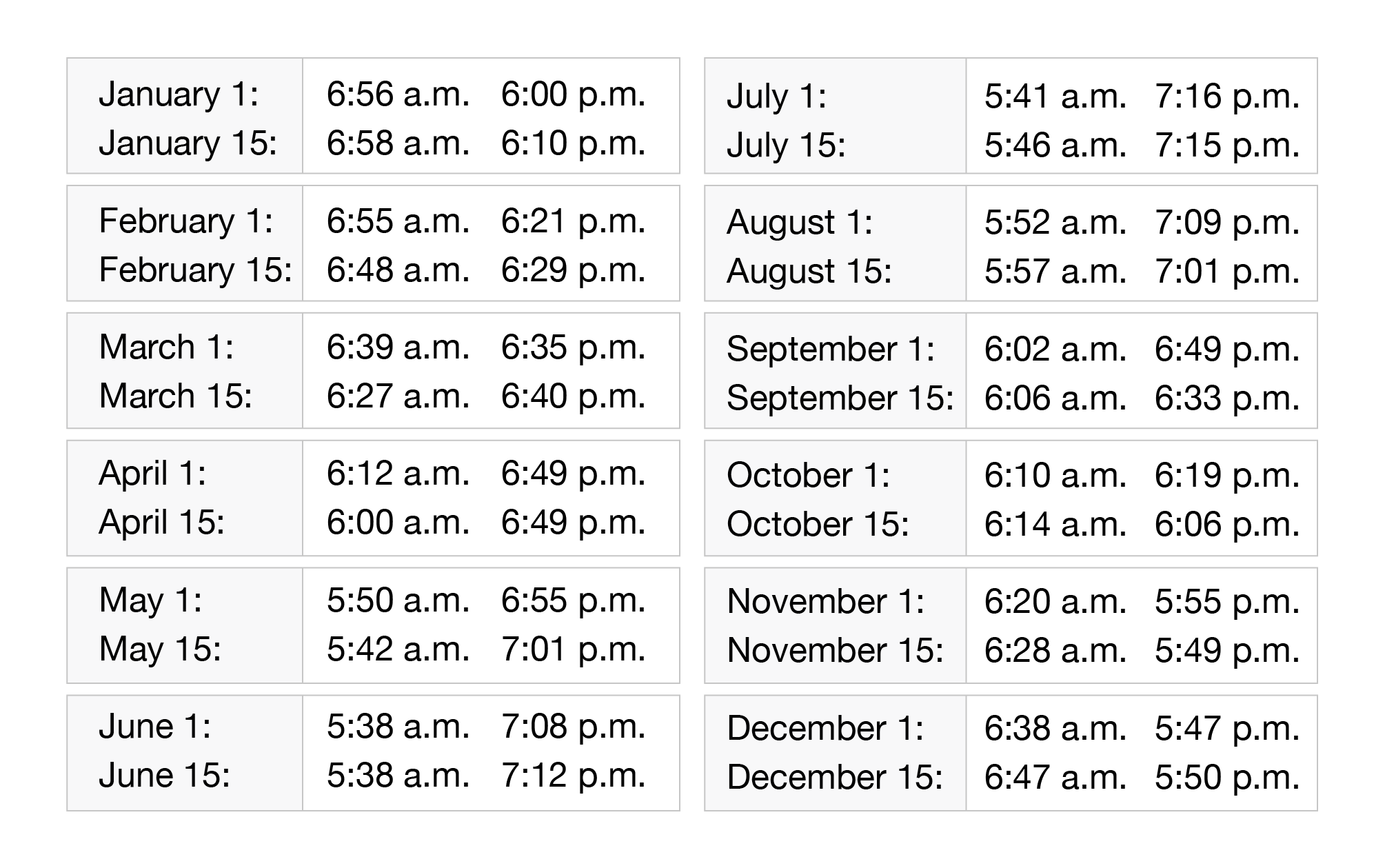
In Hawaii, the sunset typically ranges between 5:45 PM and 7:15 PM throughout the year. During the winter months, specifically around the winter solstice in December, the sun sets at its earliest, usually around 5:48 PM in Honolulu. Conversely, during the summer solstice in June, the sun lingers much longer, setting around 7:17 PM.
One of the most unique aspects of time in this region is that Hawaii does not observe Daylight Saving Time. This means that while the rest of the United States might be shifting their clocks and experiencing late-evening light, the islands remain on Hawaii-Aleutian Standard Time year-round. This consistency is a boon for travelers who want to establish a steady routine during their vacation without the disorientation of time changes.
The Impact of Location: Windward vs. Leeward
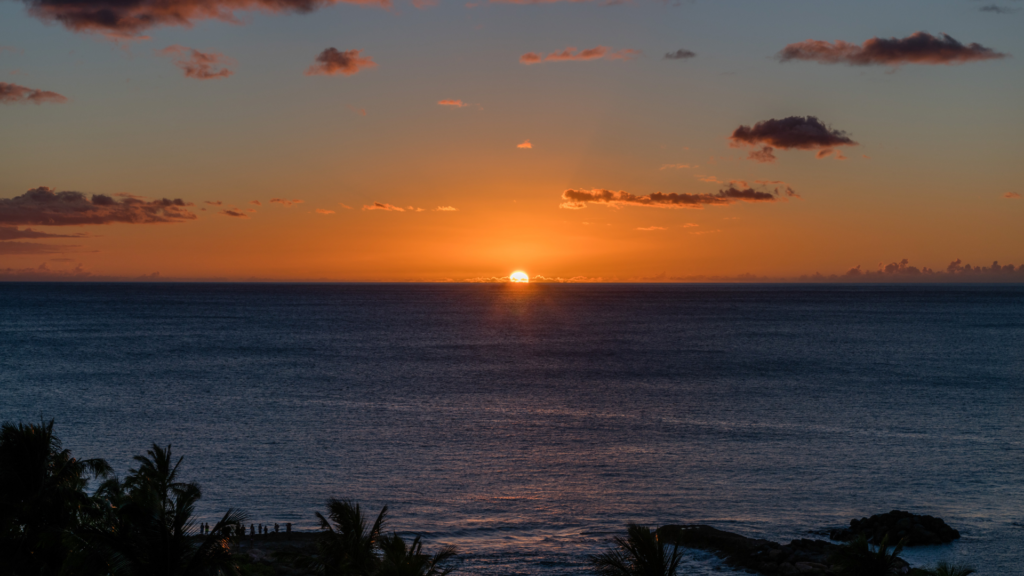
While the general timing of the sunset is consistent across the chain, your specific location on an island—whether you are on the “Windward” (east) or “Leeward” (west) side—will drastically change your viewing experience. On the leeward sides, such as Kailua-Kona on The Big Island or Waianae on Oahu, you get a direct view of the sun sinking into the sea.
On the windward sides, such as Hilo or Kaneohe, the sun sets behind the mountains. This results in an earlier loss of direct light, but often produces more dramatic sky colors as the light reflects off the clouds over the ocean. Understanding this distinction is vital for those who want to see the “big orange ball” disappear into the water versus those who prefer the purple and pink hues of the twilight sky.
Best Places to Watch the Sunset on Each Island
Every island in the Hawaii archipelago offers a unique vantage point for the evening spectacle. Choosing the right destination can turn a simple sunset into a lifelong memory.
Oahu: From Waikiki to the North Shore
On the island of Oahu, the most iconic spot is undoubtedly Waikiki Beach. As the sun begins to descend, the skyline of Honolulu begins to glow, and the silhouette of Diamond Head provides a majestic backdrop. For a more serene experience away from the crowds, many travelers head to Ala Moana Beach Park or Magic Island, where the wide-open spaces allow for unobstructed views of the horizon.
For those visiting during the winter months, the North Shore of Oahu offers a dramatic setting. Watching the sun set over the massive swells at Waimea Bay or Sunset Beach is a quintessential travel experience that captures the raw power and beauty of the island.
Maui: Heights of Haleakala and Golden Shores
Maui offers perhaps the most diverse sunset options. Most visitors flock to Haleakala National Park for the sunrise, but the sunset from the summit is equally breathtaking and far less crowded. At 10,023 feet above sea level, you are literally standing above the clouds as the sun dips below them, creating a sea of orange and gold.
On the coast, the Lahaina and Ka’anapali areas are world-renowned for their evening views. The historic Front Street provides a charming setting to watch the sky change color while enjoying the local hospitality. If you prefer a more natural setting, Kapalua Bay offers a sheltered cove where the sunset reflects perfectly in the calm waters.
Kauai: The Na Pali Coast Splendor
The oldest island, Kauai, is home to the rugged Na Pali Coast. While this area is largely inaccessible by car, taking a sunset boat tour allows you to see the sun illuminate the “cathedral” cliffs in brilliant shades of red and orange.
On the southern shore, Poipu Beach Park is a favorite for families and photographers. The way the light hits the crashing waves at Spouting Horn during the late afternoon creates a misty, ethereal glow that is perfect for capturing the magic of the “Garden Isle.” Further north, the crescent-shaped Hanalei Bay provides a peaceful setting where the sun sets behind the Makana Mountains, often referred to as Bali Hai.
The Big Island: Volcanic Horizons
The Big Island offers a stark contrast between its volcanic landscapes and lush coastlines. One of the best places to witness the sunset is from the Kona Coast. The black lava rock creates a striking contrast against the vibrant oranges and yellows of the sky.
For a high-altitude experience, the visitor center at Mauna Kea is an excellent choice. While the summit is often restricted to tour operators after dark, the views from the mid-level slopes are still among the best in the Pacific Ocean. Alternatively, visiting Hawaii Volcanoes National Park allows travelers to witness the transition from the golden light of day to the orange glow of active lava (when flowing), a sight that is truly unique to this destination.
Planning Your Evening: Timing and Preparation
To make the most of the sunset, one must plan more than just the arrival time. The “event” of a sunset in Hawaii begins long before the sun actually disappears and continues well into the twilight.
Golden Hour and the Green Flash
Photographers and nature lovers should aim to be at their chosen location at least 45 minutes before the scheduled sunset. This period, known as the “Golden Hour,” provides the soft, warm light that makes the islands look their most magical. It is the best time for portraits and landscape photography.
If you are watching from a leeward beach with a clear horizon, keep your eyes peeled for the elusive “Green Flash.” This rare optical phenomenon occurs just as the very top of the sun disappears below the horizon. For a split second, a bright green spot or flash is visible. It requires a perfectly clear atmosphere and a bit of luck, but it is a celebrated milestone for many regular Hawaii visitors.
Essential Gear for Sunset Chasers
While you don’t need much to enjoy a sunset, a few items can enhance the experience:
- A Light Jacket: Even in Hawaii, temperatures can drop quickly once the sun goes down, especially if you are at higher elevations like Haleakala or Mauna Loa.
- Tripod: If you are serious about photography, a tripod is essential for capturing the low-light beauty of the twilight period.
- Local Snacks: A sunset picnic is a popular local tradition. Pick up some fresh poke or tropical fruit from a market in Lihue or Kahului to enjoy while the sky changes colors.
- Insect Repellent: In more tropical, lush areas, the “mosquito hour” often coincides with sunset.
Top Experiences for Sunset Enthusiasts
For many, simply sitting on the sand is enough. However, the travel industry in Hawaii has developed several high-end and adventurous ways to experience the end of the day.
Sunset Cruises and Sailing Adventures
Taking to the water is perhaps the most immersive way to watch the sun go down. From the luxury catamarans departing from Honolulu to the smaller sailing vessels in Kailua-Kona, these cruises offer a different perspective of the islands. Often accompanied by traditional Hawaiian music and “pupus” (appetizers), a sunset cruise allows you to see the coastline in its entirety as the light fades.

Beachfront Dining and Evening Rituals
Many resorts and restaurants in Hawaii have built their entire evening service around the sunset. Establishments located in Wailea or along the Kohala Coast often feature torch-lighting ceremonies and the blowing of the “pū” (conch shell) to mark the transition from day to night.
Booking a table at a beachfront restaurant roughly 30 minutes before sunset ensures you have the best seat in the house. As you dine on fresh mahi-mahi or kalua pork, you can watch the sky transform from a bright blue to a deep violet. It is an experience that combines the culinary excellence of the islands with their natural splendor.
In conclusion, knowing what time the sun sets in Hawaii is the first step in orchestrating a perfect island itinerary. Whether you are on the bustling shores of Oahu or the quiet cliffs of Molokai, the daily descent of the sun is a reminder to slow down and appreciate the beauty of the Pacific Ocean. By planning ahead and choosing the right location, you ensure that every evening spent in the islands is a masterpiece of light and color.
LifeOutOfTheBox is a participant in the Amazon Services LLC Associates Program, an affiliate advertising program designed to provide a means for sites to earn advertising fees by advertising and linking to Amazon.com. Amazon, the Amazon logo, AmazonSupply, and the AmazonSupply logo are trademarks of Amazon.com, Inc. or its affiliates. As an Amazon Associate we earn affiliate commissions from qualifying purchases.