
For sports enthusiasts traveling to the United States during the winter months, few events command as much attention as the Super Bowl. However, when your travels take you to the middle of the Pacific Ocean, the logistical dance of time zones becomes a central part of the experience. Visiting Hawaii during the championship game offers a unique cultural perspective on American football, transforming a Sunday evening tradition into a sun-drenched afternoon celebration. Understanding the timing and the local tourism landscape is essential for any visitor looking to balance their island itinerary with the biggest sporting event of the year.

Understanding the Time Difference and Kickoff Logistics
The most critical piece of information for any tourist in Hawaii is the significant time gap between the islands and the mainland. Hawaii operates on Hawaii-Aleutian Standard Time (HST), and notably, the state does not observe Daylight Saving Time. Because the Super Bowl takes place in early February, the time difference between Honolulu and the East Coast is five hours.
The Early Afternoon Kickoff
While fans in New York City or Miami are settling in for a 6:30 PM kickoff, visitors on Oahu or Maui will find the game starting at 1:30 PM local time. This early start creates a distinct “day-party” atmosphere that defines the tourism experience during this window. Instead of a late-night affair that ends in the dark, the game concludes just as the sun begins its descent toward the horizon, allowing travelers to transition seamlessly from the final whistle to a sunset dinner at Waikiki Beach.
Coordinating Your Island Schedule
For those staying at major resorts like the Hilton Hawaiian Village or the Sheraton Waikiki, the 1:30 PM start time means you can easily fit in a morning activity. Many tourists opt to hike Diamond Head or visit Pearl Harbor in the early morning hours, returning to their hotel or a local sports bar just in time for the national anthem. This scheduling advantage is one of the hidden perks of being a sports fan in the islands; you don’t have to sacrifice an entire day of sightseeing to catch the game.
The Unique Super Bowl Culture in the Hawaiian Islands
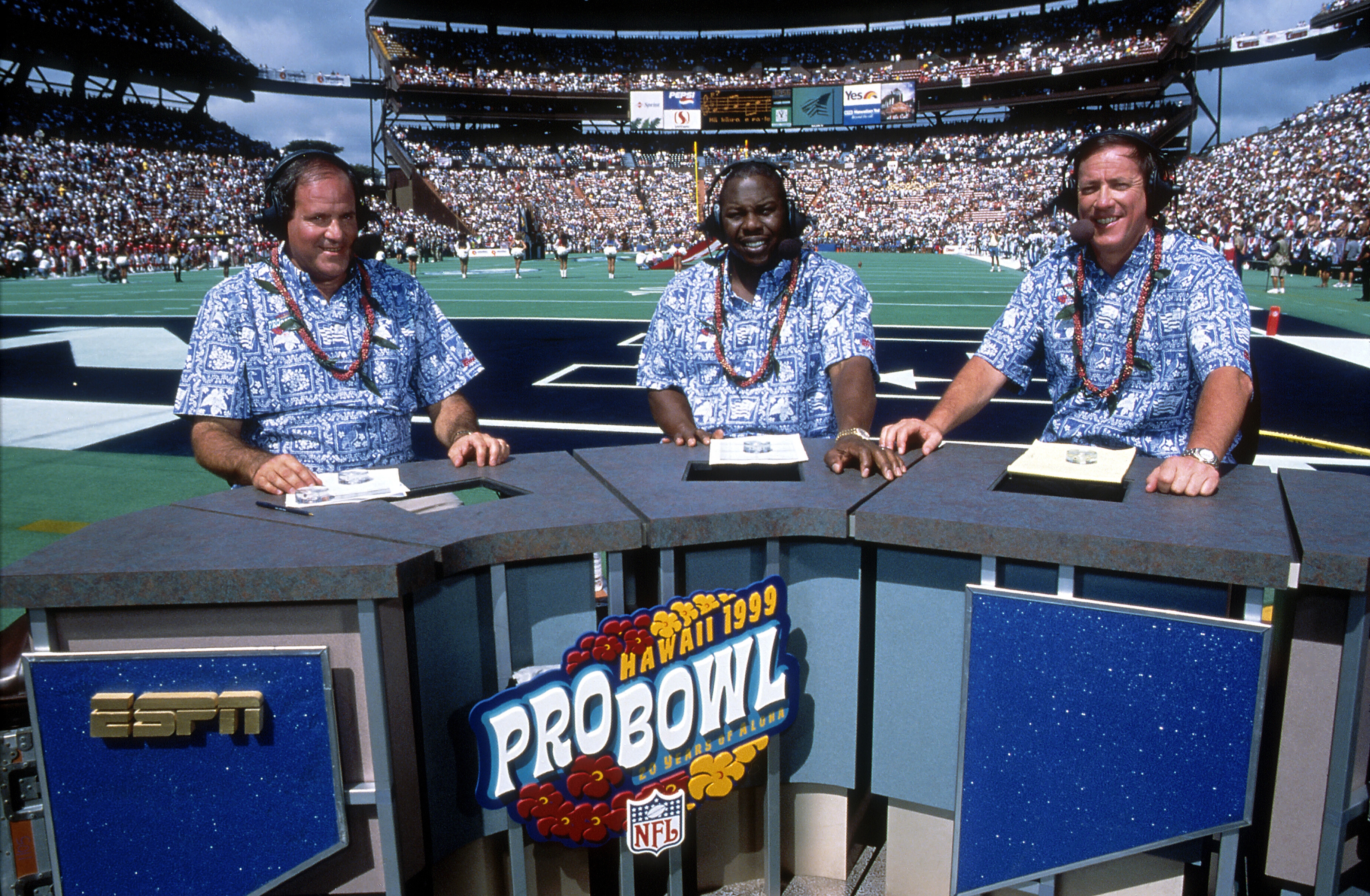
The way Hawaii embraces the NFL championship is a fascinating blend of mainland American passion and local “Aloha” spirit. For decades, Hawaii was the proud home of the Pro Bowl at Aloha Stadium, which cemented a deep-rooted football culture across the islands. Even though the Pro Bowl has moved to cities like Las Vegas and Orlando, the enthusiasm for the Super Bowl remains a cornerstone of local life.
The “Pau Hana” and Tailgate Spirit
In the islands, the concept of “Pau Hana”—meaning the time after work or the conclusion of a task—is often applied to the game-day festivities. Because the game happens in the middle of the day, the typical heavy tailgating associated with mainland stadiums is replaced by relaxed, beachfront gatherings. Tourists will find that many locals set up elaborate viewing stations in public parks or at beach campsites, bringing high-definition televisions powered by portable generators. This communal, outdoor viewing style is a hallmark of Hawaii tourism during major sporting events.
Why the Morning Start Changes the Experience
The psychological shift of watching a high-stakes game while the sun is shining cannot be overstated. In North America, the Super Bowl often feels like the climax of a winter weekend. In Hawaii, it feels like a midday festival. For visitors from Canada or the United Kingdom, this shift allows for a more social, high-energy environment that doesn’t lead to the “Monday morning blues” as severely, given that the game is over by 5:00 PM.
Top Venues and Destinations to Catch the Big Game
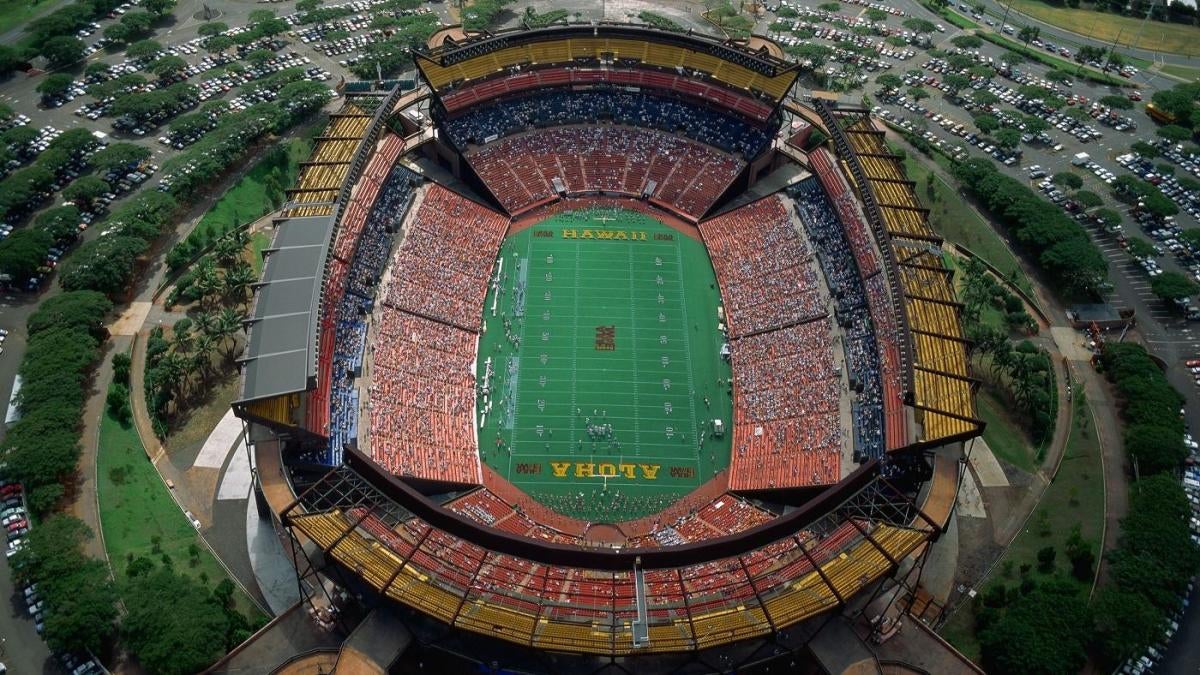
Choosing where to watch the Super Bowl is just as important as knowing the time. Hawaii offers a range of environments, from high-energy sports bars in Honolulu to sophisticated resort lounges in Wailea.
Lively Sports Bars and Social Hubs
If you are looking for a raucous atmosphere with fellow fans, Waikiki is the primary destination. Establishments like Duke’s Waikiki or the various bars along Kalakaua Avenue provide a quintessential tourist experience. For a more local feel, many travelers head to Kakaako, a trendy neighborhood known for its craft breweries and large-scale screens. If you happen to be on the Big Island, the town of Kailua-Kona offers several waterfront spots where you can watch the game with the sound of the waves in the background.
Resort-Style Viewing on Maui and Kauai
On the “Garden Isle” of Kauai or the luxury stretches of Maui, the experience is often more curated. High-end resorts like the Four Seasons Resort Maui or the Grand Hyatt Kauai Resort and Spa often host exclusive viewing parties. These events frequently include buffet-style dining, luxury seating, and prize giveaways. For tourists staying in Lahaina or Poipu, these resort parties offer a convenient way to enjoy the game without needing to navigate local traffic or coordinate transportation.
Savoring Local Flavors: The Ultimate Super Bowl Menu in Hawaii
Food is the heart of Hawaii tourism, and the Super Bowl provides a perfect excuse to dive into the islands’ culinary diversity. Forget the standard Buffalo wings and potato skins; a Hawaii game day is about fusion and fresh ingredients.
Must-Have “Pupu” Platters
In Hawaii, appetizers are known as “pupus,” and they are the star of any viewing party. A typical spread for a visitor might include fresh Ahi Poke, sourced directly from the local waters of the Pacific Ocean. Another staple is Spam Musubi, a beloved snack that reflects the historical influence of Japan on the islands’ food culture. For a more substantial meal during the halftime show, many tourists seek out Kalua Pig sliders or Teriyaki beef sticks, which offer a savory tropical twist on traditional football fare.
Modern Fusion and Craft Brews
The burgeoning craft beer scene in Hawaii has added a new layer to the Super Bowl experience. Breweries like Maui Brewing Co and Kona Brewing Co are popular destinations for tourists during the game. These venues often release seasonal brews or host “tap takeovers” specifically for the championship. Pairing a local IPA with a plate of Furikake fries—a fusion dish influenced by both Asia and the United States—is a must-do for any food-focused traveler.
Post-Game Activities: Exploring the Islands After the Whistle
One of the greatest benefits of the 1:30 PM kickoff is the abundance of time remaining after the game concludes. When the trophy is hoisted around 5:00 PM, the Hawaii evening is just beginning, offering tourists a variety of ways to celebrate or unwind.
Sunset Excursions and Evening Entertainment
By the time the game ends, the lighting in Hawaii is at its most beautiful. Many visitors choose to book a sunset catamaran sail out of Ala Wai Canal or Waikiki immediately following the broadcast. It is a surreal experience to go from the high-octane environment of a football game to the tranquil beauty of the ocean in less than thirty minutes. For those on Oahu, a walk through the Ala Moana Center for some evening shopping or a visit to a traditional Luau in Kapolei can cap off the day perfectly.
Reflecting on the Island Experience
Whether you are a die-hard fan of the Kansas City Chiefs, the San Francisco 49ers, or simply a traveler enjoying the atmosphere, the Super Bowl in Hawaii is about more than just the score. It is a testament to the islands’ ability to take a global event and infuse it with local tradition. As the final whistle blows and the sun sets over the Pacific Ocean, you’ll realize that while the game is the same, the experience of watching it in Hawaii is unlike anywhere else in the world. From the early kickoff to the unique “pupu” culture, being a sports tourist in Hawaii during the Super Bowl is a bucket-list experience that every traveler should enjoy at least once.
LifeOutOfTheBox is a participant in the Amazon Services LLC Associates Program, an affiliate advertising program designed to provide a means for sites to earn advertising fees by advertising and linking to Amazon.com. Amazon, the Amazon logo, AmazonSupply, and the AmazonSupply logo are trademarks of Amazon.com, Inc. or its affiliates. As an Amazon Associate we earn affiliate commissions from qualifying purchases.