
Determining the ideal time to visit the tropical paradise of Hawaii involves balancing personal preferences for weather, crowd density, and travel costs. While the islands are a year-round destination, savvy travelers often seek the elusive “off-season” to enjoy a more serene experience and potentially lower prices on flights and lodging. Understanding the seasonal rhythms of the Pacific Ocean archipelago is essential for any well-planned itinerary.
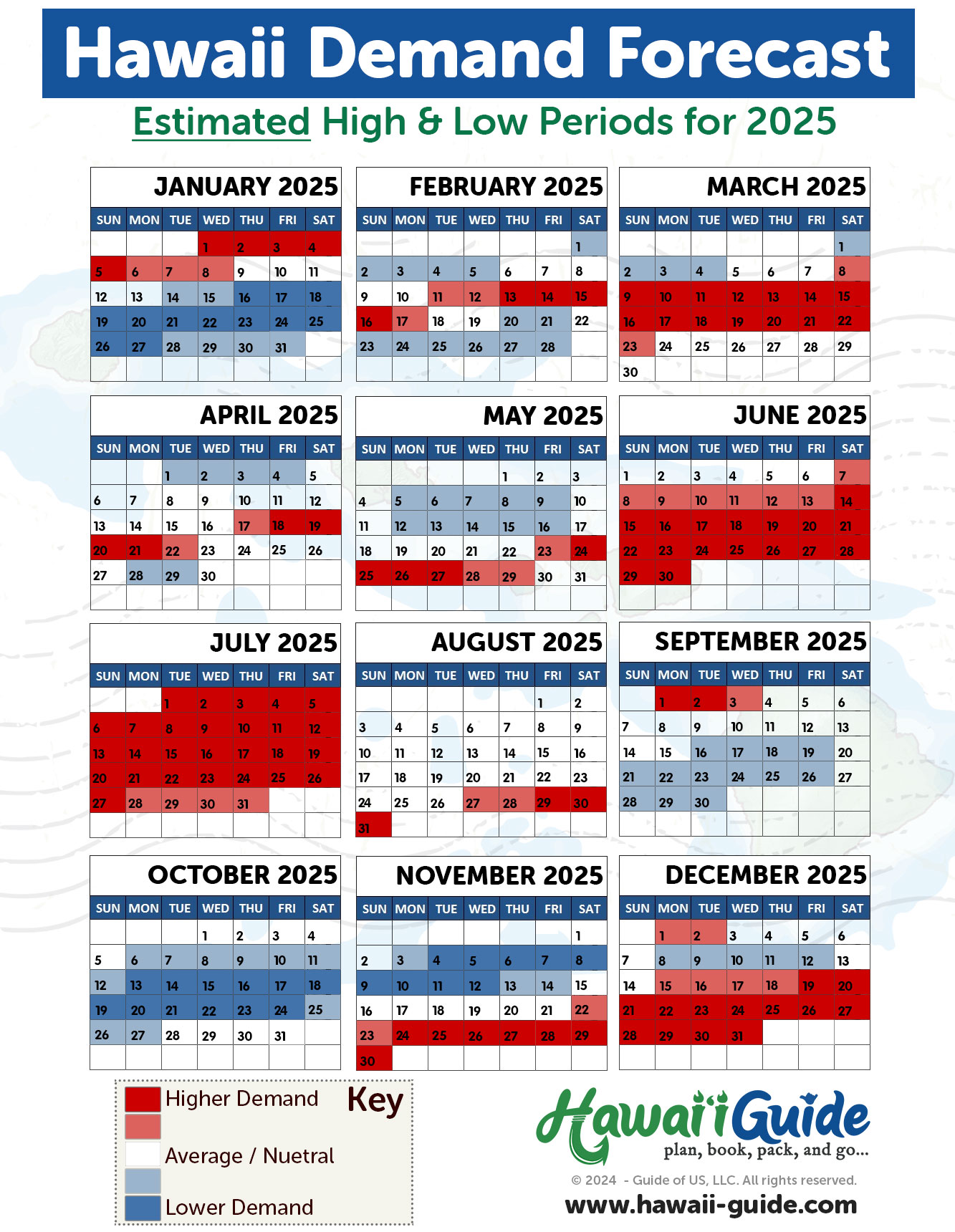
Generally, the off-season in the United States’ 50th state falls during two primary windows: from mid-April to early June and from September to mid-December. These periods, often referred to as “shoulder seasons,” represent the sweet spot between the heavy winter tourism and the bustling summer family vacation rush. During these months, visitors can find a more authentic version of island life, where the pace slows down and the natural beauty takes center stage without the backdrop of large tour groups.
Understanding the Peak and Off-Peak Cycles in Hawaii
The travel calendar in Hawaii is dictated more by the schedules of the visitors than by the weather itself. Because the climate remains relatively consistent throughout the year, peak seasons are defined by school holidays and cold weather in the Northern Hemisphere.
The Spring Shoulder Season (Mid-April to June)
Starting in mid-April, just after the spring break rush and the Easter holidays, the islands experience a significant dip in visitor numbers. This period lasts until early June when schools across the mainland and Canada begin their summer breaks.
During these weeks, the weather is nearly perfect. The winter rains have subsided, leaving the landscapes of islands like Kauai and Maui incredibly lush and vibrant. One notable exception to the lower crowds during this time is Golden Week, a series of holidays in Japan that typically occurs at the end of April and beginning of May. During this week, popular spots in Oahu, particularly Waikiki, may see a surge in international arrivals.
The Fall Shoulder Season (September to Mid-December)
The longest stretch of off-season travel begins in September, immediately after Labor Day. As families return to school and work, the demand for travel to the islands drops sharply. This lull persists through October and November, only interrupted briefly by the Thanksgiving holiday.
Travelers visiting during the fall will find the warmest ocean temperatures of the year, making it an ideal time for snorkeling at Hanauma Bay or swimming in the crystalline waters of Kaanapali. The atmosphere is notably quieter, and it is much easier to secure reservations at popular dining establishments or book preferred tee times at world-class golf courses. The off-season concludes abruptly in mid-December as the winter peak—the busiest time of the year—kicks off for the Christmas and New Year’s Eve festivities.
Regional Variations: Island-Specific Timing
While the general off-season applies to the entire state, each island has its own unique character and subtle shifts in visitor patterns. Choosing the right island during the off-season can significantly impact your experience.
Oahu and the Hustle of Honolulu
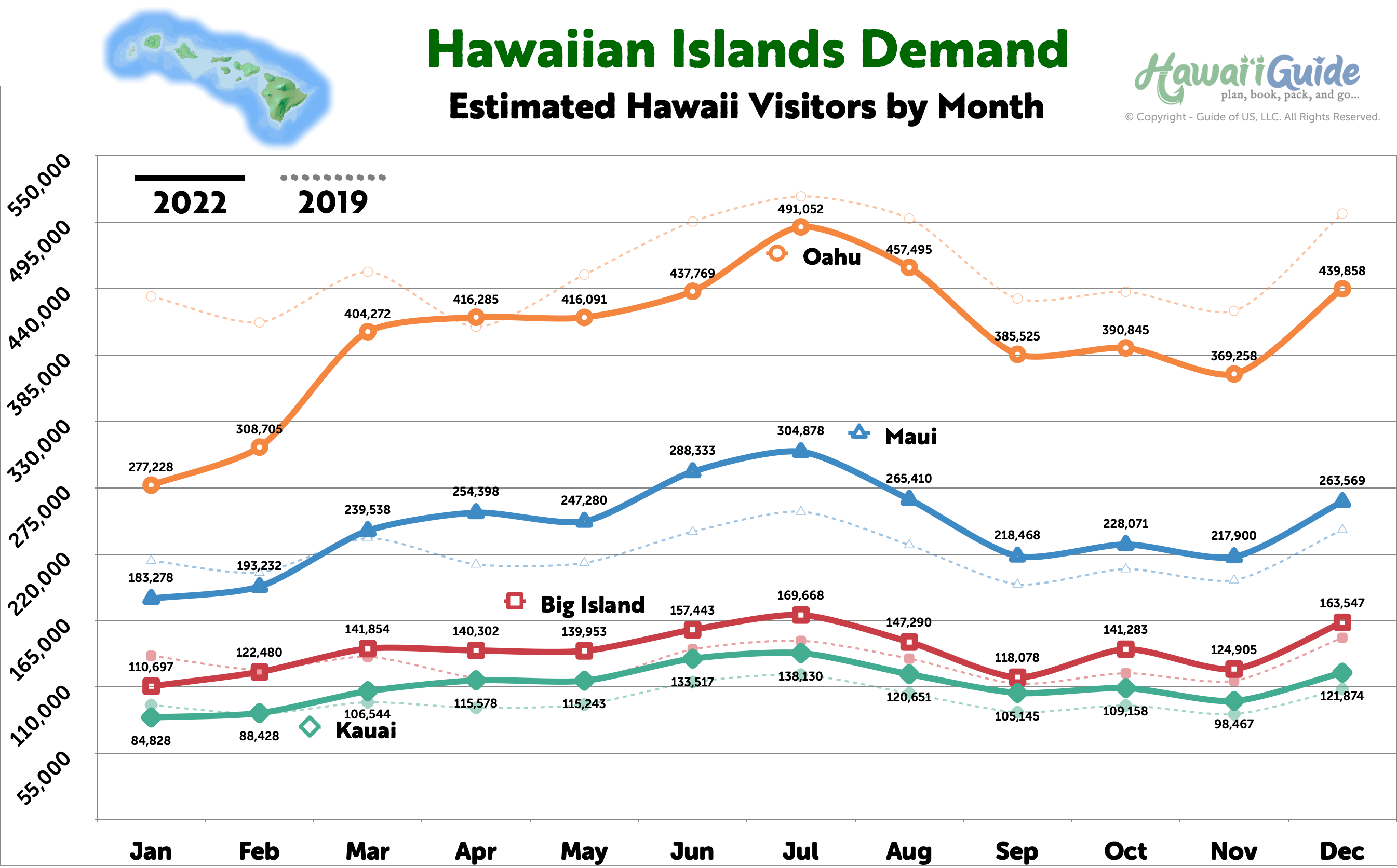
As the most populous island, Oahu feels the peaks and valleys of tourism acutely. Honolulu is a major hub for international commerce and tourism, meaning that even in the off-season, the city remains vibrant. However, during the shoulder months, landmarks like the Pearl Harbor National Memorial and the hike up Diamond Head are far less congested.
Surfers often look toward the North Shore of Oahu during the late fall. While the general off-season is in effect, the surfing community descends upon the island in November and December for major competitions, as the winter swells begin to rise. If you are not a surf enthusiast, visiting these northern beaches in the spring off-season offers a completely different experience—calm, swimmable waters and empty sands.
Maui and the Garden Isle of Kauai
Maui, known for its luxury resorts and the historic town of Lahaina, sees a dramatic drop in prices during the shoulder seasons. This is perhaps the best time to drive the legendary Road to Hana, as there are fewer rental cars on the narrow, winding bridges, allowing for a more peaceful exploration of the waterfalls and rainforests.
Kauai, often called the Garden Isle, is the wettest of the islands. Choosing the off-season here requires a bit of weather-savviness. Visiting in May or June allows you to see the Napali Coast and Waimea Canyon under clear skies before the heat of summer sets in. On the south shore, Poipu remains a sun-drenched sanctuary even when other parts of the island receive tropical showers.
The Big Island: Kona vs. Hilo
The Big Island is so vast that it contains nearly all the world’s climate zones. During the off-season, the Kailua-Kona side remains dry and sunny, while Hilo maintains its lush, rainy reputation.
A significant event to note for the Big Island is the Ironman World Championship, which takes place in Kailua-Kona every October. While October is technically off-season, this specific week sees a massive influx of athletes and spectators, causing hotel prices to skyrocket. Outside of this event, the fall is a magnificent time to explore Hawaii Volcanoes National Park or stargaze from the heights of Mauna Kea without the crowds.
Factors Influencing Travel Costs and Crowds
Traveling during the off-season provides several tangible benefits, but understanding the “why” behind these shifts can help you plan more effectively.
Weather Patterns: The Wet vs. Dry Seasons
Hawaii doesn’t have traditional four seasons. Instead, it has a dry season (summer, from May to October) and a wet season (winter, from November to April). Interestingly, parts of the off-season fall into both categories.
The spring off-season (April to June) transitions into the dry season, offering beautiful weather with lower humidity. The fall off-season (September to November) marks the end of the warmest months. While November begins the wetter cycle, rain in the islands often comes in short, refreshing bursts followed by rainbows, rather than day-long washouts. For those looking to avoid the humidity and heat of July and August, the shoulder months offer a much more comfortable climate for hiking and outdoor activities.
Major Holidays and Local Events
While the off-season is generally quiet, local festivals can create localized “mini-peaks.” For example, the Merrie Monarch Festival in Hilo, which celebrates the art of hula, takes place in the week following Easter. This can make accommodation on the Big Island difficult to find during an otherwise quiet travel month.
Similarly, those visiting Molokai or Lanai will find that these islands are almost always in a state of “off-season” compared to their larger neighbors. However, they lack the massive hotel inventory of Maui or Oahu, so even a small local event can fill up the available rooms.
Strategic Planning for Your Hawaiian Getaway
To truly capitalize on the off-season, one must look beyond just the dates on a calendar and consider the specific experiences the islands offer during these lulls.
Best Times for Outdoor Activities
For many, the draw of Hawaii is its rugged terrain. Hiking through Haleakala National Park on Maui is significantly more pleasant in May or September when the trails are less packed. The cooler morning temperatures of the shoulder seasons make the steep inclines of the Koko Head crater trail on Oahu far more manageable.
Ocean-based activities also benefit from the off-season. Charter boats for snorkeling or sunset sails often have more availability, and the smaller group sizes provide a more intimate experience. In the fall, the water remains warm from the summer sun, providing ideal conditions for exploring the reefs without the need for thick wetsuits.

Wildlife Viewing: Humpback Whales and Sea Turtles
If wildlife is a priority, you must align your off-season travel with natural migrations. Humpback whales typically arrive in the waters around Maui and Lanai in late November and stay through April. Therefore, the very end of the fall off-season or the very beginning of the spring off-season provides the best opportunity to see these majestic creatures while avoiding the peak holiday crowds.
Green sea turtles, or “Honu,” can be seen year-round, but they are often more visible basking on the beaches of the North Shore during the calmer summer months and the early fall off-season. As the winter swells begin to hit the northern coastlines in late October, the turtles are less likely to be found on the sand as the surf becomes too heavy.
The off-season in Hawaii offers a rare opportunity to experience one of the world’s most popular destinations with a sense of peace and exclusivity. By choosing to visit in the windows of late spring or autumn, travelers can enjoy the same breathtaking sunsets, lush mountains, and warm hospitality at a more relaxed pace and often a more accessible price point. Whether you are looking for a romantic escape or a solo adventure, the Hawaiian off-season is the perfect time to say “Aloha” to the islands.
LifeOutOfTheBox is a participant in the Amazon Services LLC Associates Program, an affiliate advertising program designed to provide a means for sites to earn advertising fees by advertising and linking to Amazon.com. Amazon, the Amazon logo, AmazonSupply, and the AmazonSupply logo are trademarks of Amazon.com, Inc. or its affiliates. As an Amazon Associate we earn affiliate commissions from qualifying purchases.