
The story of the first inhabitants of Hawaii is one of the most remarkable sagas of human migration in history. Long before European explorers ventured into the vast expanse of the Pacific Ocean, a courageous group of navigators traversed thousands of miles of open water to find a remote chain of volcanic islands. Understanding when Hawaii was first inhabited requires a deep dive into the landmarks of the past—both the physical structures left behind and the archaeological evidence buried beneath the tropical soil. This journey into the origins of the archipelago reveals a sophisticated society that flourished in isolation for centuries.
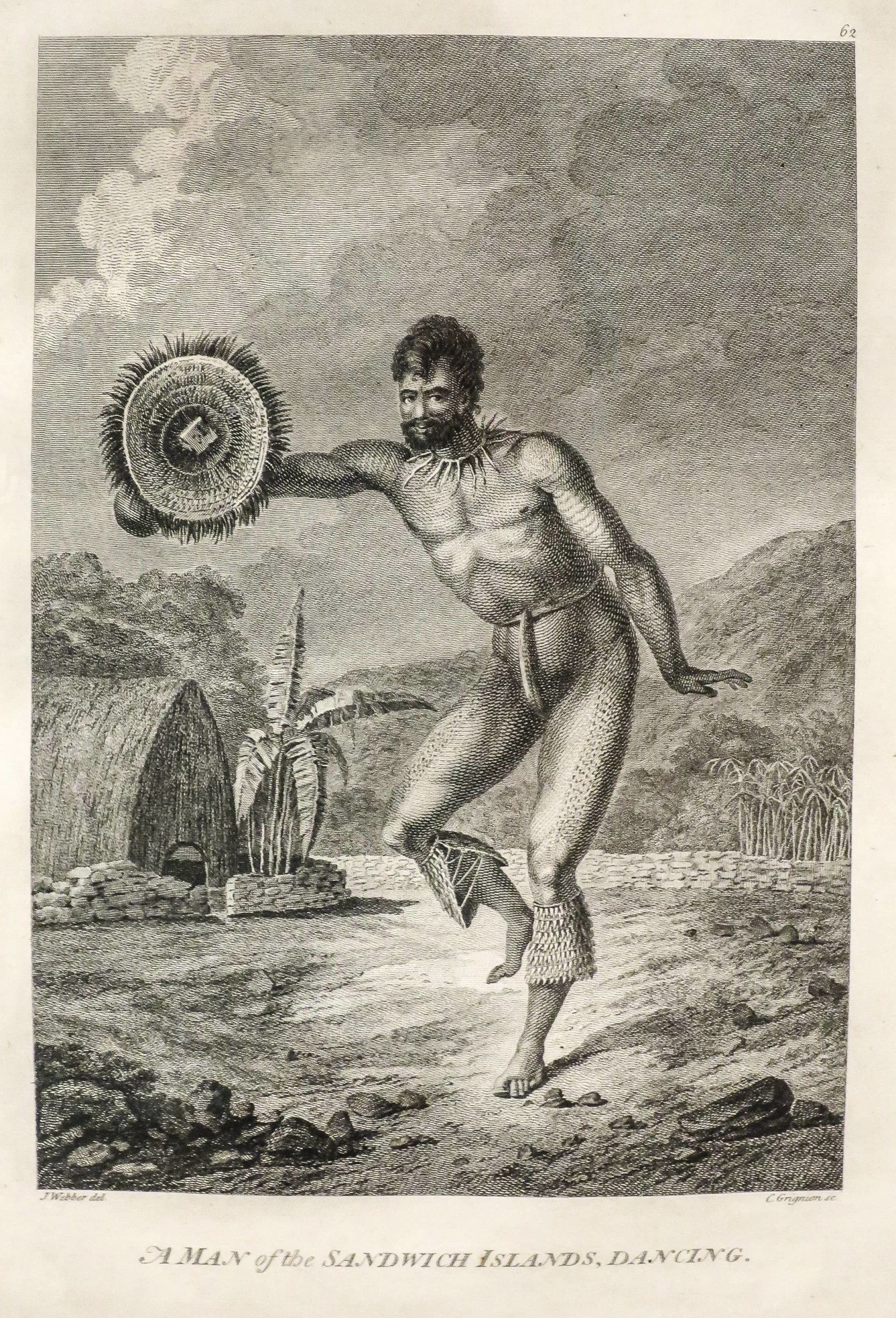
The Great Migration: Chronology of the First Settlers
The timeline of human arrival in Hawaii has been a subject of intense academic debate for decades. While early 20th-century estimates suggested a later arrival, modern carbon dating and linguistic analysis have provided a clearer picture of the Polynesia expansion.
The First Wave: From the Marquesas Islands
Most historians and archaeologists now agree that the first significant wave of settlers arrived between 300 and 800 AD. These pioneers originated from the Marquesas Islands, traveling over 2,000 miles in double-hulled voyaging canoes. They were part of a broader movement of people who had already settled Samoa and Tonga. When they reached the shores of Hawaii, they brought with them essential crops like taro, breadfruit, and sweet potatoes, as well as livestock such as pigs and chickens, effectively “seeding” the islands for permanent habitation.
The Second Wave: The Tahitian Influence
Around 1200 to 1300 AD, a second major wave of migration occurred, this time originating from Tahiti and the Society Islands. This era is often referred to as the period of the “Long Voyages.” These later arrivals introduced new social structures, religious practices, and the strictly regulated “kapu” system of laws. This influx of people and ideas significantly altered the cultural landscape, leading to the construction of more elaborate religious landmarks and a more hierarchical society.
The Role of Celestial Navigation
The ability of these early explorers to find a tiny speck of land in the middle of the world’s largest ocean is nothing short of miraculous. Without compasses or metal tools, they relied on celestial navigation—reading the stars, the patterns of ocean swells, the flight of birds, and the color of the clouds. Modern reconstructions, such as the famous Hokulea voyaging canoe, have proven that these ancient methods were incredibly accurate, allowing for two-way travel between Hawaii and the southern islands of Polynesia.
Sacred Landmarks of the Ancient Hawaiians
The physical evidence of Hawaii’s first inhabitants is etched into the landscape through “heiau” (temples), “lokoi’a” (fishponds), and residential complexes. These landmarks serve as silent witnesses to a civilization that lived in harmony with the land and the sea.
Ka Lae: The Gateway at South Point
Located on the Big Island, Ka Lae, also known as South Point, is widely believed to be the site of one of the earliest landfalls in Hawaii. The archaeological remains here include ancient canoe mooring holes carved directly into the volcanic rock. The proximity to rich fishing grounds and the favorable currents make it a logical first point of contact for voyagers arriving from the south. Today, it stands as a National Historic Landmark, offering a hauntingly beautiful glimpse into the past.
Mookini Heiau and the Kohala Coast
On the northern tip of the Big Island lies the Mookini Heiau, one of the oldest and most sacred religious sites in the islands. According to oral tradition, the temple was built around 480 AD, though some structures were expanded centuries later. The massive stone walls were reportedly built using stones passed hand-to-hand from the Pololu Valley miles away. This landmark is a testament to the organizational capabilities and religious devotion of the early Hawaiian people.
Pu’uhonua o Honaunau: A Place of Refuge
While the structures seen today at Puuhonua o Honaunau National Historical Park date to later periods, the site has been a sacred sanctuary for centuries. In ancient Hawaii, breaking a “kapu” (sacred law) was often punishable by death. However, if an offender could reach a “pu’uhonua,” or place of refuge, they could be absolved by a priest and spared. The Great Wall at this site, built around 1550, is a feat of dry-stack masonry that reflects the architectural evolution of the inhabitants long after the initial settlement.
Natural Landmarks and Spiritual Connections
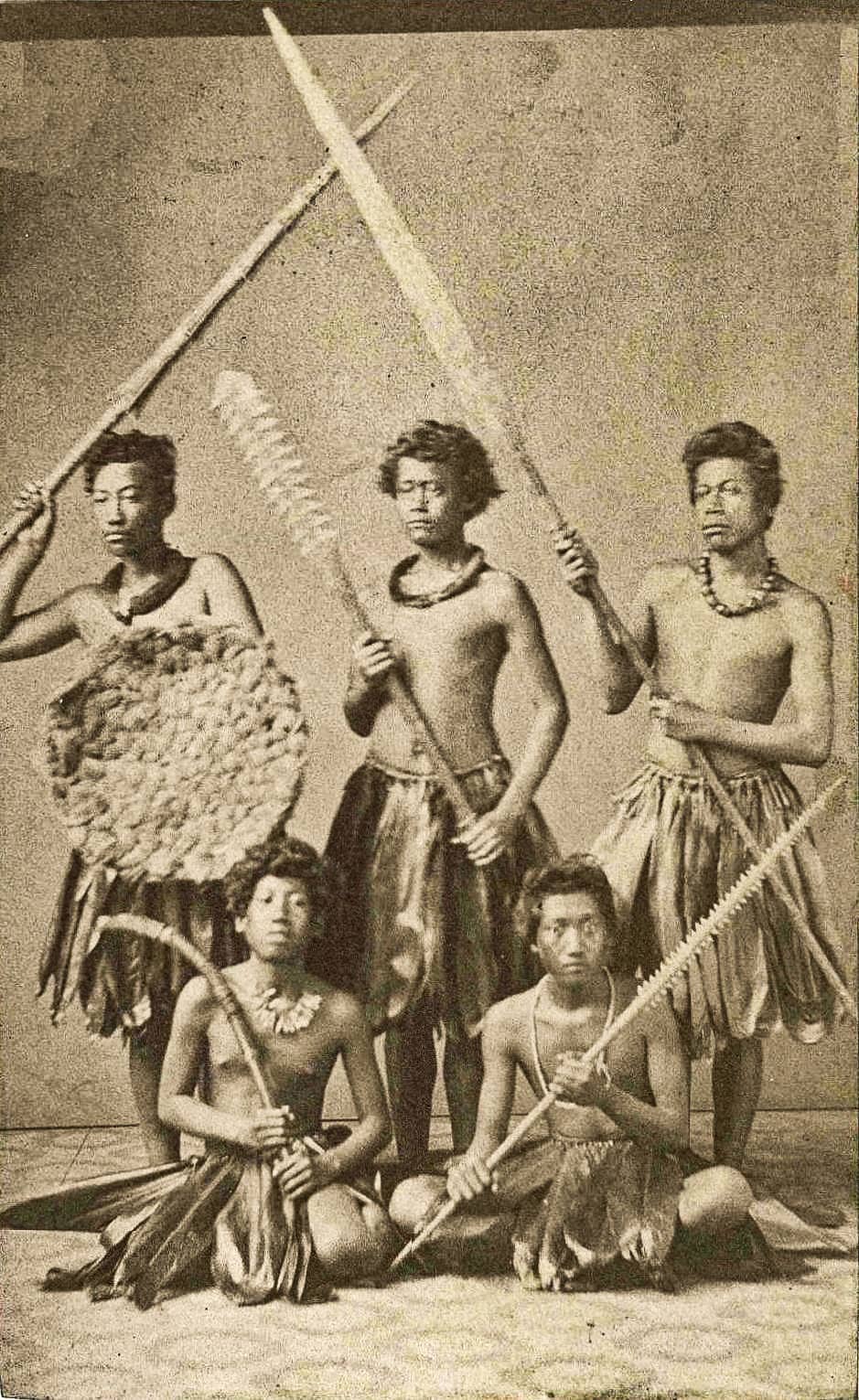
For the first inhabitants, the natural world was not merely a backdrop for life; it was divine. Every mountain, valley, and volcanic crater was imbued with “mana,” or spiritual power.
Waipio Valley: The Valley of Kings
Waipio Valley was a primary center for early Hawaiian life. Its fertile floor, fed by numerous waterfalls, provided the perfect environment for large-scale taro cultivation. This landmark was the residence of many early “ali’i” (chiefs) and is often called the “Valley of Kings.” The isolation and abundance of the valley allowed a distinct cultural identity to flourish, and it remains a place of profound historical and spiritual significance.
Haleakala National Park and the House of the Sun
On the island of Maui, the massive shield volcano within Haleakala National Park played a central role in Hawaiian mythology. Early inhabitants climbed to the summit, over 10,000 feet above sea level, for spiritual ceremonies and to study the heavens. Archaeologists have found stone shelters and altars high on the mountain, indicating that even the most rugged natural landmarks were integrated into the daily and spiritual lives of the people.
Diamond Head and the Navigational Beacon
On Oahu, the iconic silhouette of Diamond Head, known to the Hawaiians as Leahi, served as a vital landmark for coastal navigation. The name Leahi translates to “brow of the ahi,” referring to the ridge’s resemblance to the profile of a tuna. The first inhabitants utilized the high vantage point to watch for incoming canoes and to signal between settlements.
The Evolution of Governance and Architecture
As the population grew and the centuries passed, the social structure of Hawaii became more complex. This evolution is reflected in the transition from simple communal living to the grand architectural projects of the unified Hawaiian Kingdom.
Pu’ukohola Heiau: The Temple of the Whale
One of the most significant historical landmarks in Hawaii is the Puukohola Heiau National Historic Site. Built by King Kamehameha I in the late 18th century, it was constructed to fulfill a prophecy that would help him unify the islands. While this is a “newer” ancient site, it represents the pinnacle of the religious and political system established by the descendants of the original inhabitants. The massive stones were brought from miles away, demonstrating a continuity of the building techniques used by the very first settlers.
Iolani Palace and the Shift to Modernity
By the time Honolulu became a bustling port, the history of Hawaii’s first inhabitants was being written into modern records. Iolani Palace, the only royal palace on United States soil, stands as a landmark of the transition from ancient traditions to a modern monarchy. It serves as a reminder of the sovereignty that the Hawaiian people maintained for nearly a millennium after their ancestors first stepped onto the volcanic shores.
The BP Bishop Museum: Preserving the Legacy
To truly understand the “when” and “how” of Hawaii’s first inhabitants, one must visit the BP Bishop Museum in Honolulu. Founded in 1889, it houses the world’s largest collection of Hawaiian and Polynesian artifacts. From the feathered cloaks of the “ali’i” to the basalt tools used by early craftsmen, the museum provides the scientific and cultural context needed to appreciate the antiquity of the islands’ habitation.

Conclusion: A Living History
The question of when Hawaii was first inhabited is more than a search for a date on a calendar; it is an exploration of human resilience and ingenuity. From the earliest landings at South Point to the sophisticated social systems that built the temples of Kohala, the history of these islands is a testament to the spirit of discovery.
The landmarks mentioned—from the rugged cliffs of Waipio Valley to the sacred grounds of Mookini Heiau—are not just tourist attractions; they are the enduring legacy of the first inhabitants. They remind us that the story of Hawaii did not begin with its arrival on the global stage in the 18th century, but centuries earlier, when the first voyaging canoes broke through the surf and found a new home in the heart of the Pacific Ocean. For anyone visiting Pearl Harbor or hiking the trails of Kauai, acknowledging this deep history adds a layer of profound respect for the land and the people who have called it home for over fifteen hundred years.
LifeOutOfTheBox is a participant in the Amazon Services LLC Associates Program, an affiliate advertising program designed to provide a means for sites to earn advertising fees by advertising and linking to Amazon.com. Amazon, the Amazon logo, AmazonSupply, and the AmazonSupply logo are trademarks of Amazon.com, Inc. or its affiliates. As an Amazon Associate we earn affiliate commissions from qualifying purchases.