
For decades, the image of a golden pineapple has been synonymous with the tropical allure of the Pacific Ocean islands. When people ask, “Where is the Dole Plantation in Hawaii?” they are searching for more than just a physical address; they are looking for a landmark that serves as a bridge between the islands’ agricultural history and its modern identity. Situated in the central heart of Oahu, this historic site stands as a testament to the vision of the “Pineapple King” and the enduring legacy of the plantation era.
The Geographic Heart of Oahu: Locating the Pineapple Experience
The Dole Plantation is strategically positioned in the central plains of Oahu, specifically in the town of Wahiawa. Unlike the coastal resorts or the bustling urban sprawl of the capital, this landmark occupies a high plateau that offers a cooler, more temperate climate, which was historically ideal for large-scale cultivation.
The North Shore Corridor
The plantation is located along Kamehameha Highway, the primary artery that connects the central valley to the world-famous North Shore. Geographically, it sits between the Waianae Mountains to the west and the Koolau Range to the east. This valley location creates a unique microclimate where the red volcanic soil, rich in iron and minerals, provides the perfect nutrients for the bromeliad family, to which the pineapple belongs.
Navigating from Honolulu and Waikiki
For those traveling from the southern coast, the journey to this landmark typically begins in Honolulu or the tourist hub of Waikiki. The drive takes approximately 40 to 50 minutes, moving northward via the H1 Freeway and then transitioning onto the H2 Freeway. As the urban landscape fades into the rearview mirror, the horizon opens up to vast fields of green, signaling your arrival at one of the most visited historic sites in the United States. It serves as a perfect midway point for those heading toward Haleiwa or the famous surfing breaks of Waimea Bay.
A Legacy Rooted in Soil: The History of James Dole and Hawaii
To understand the Dole Plantation as a landmark, one must look back to the early 20th century. While the pineapple is not indigenous to Hawaii—it is believed to have originated in South America—it became the defining crop of the islands thanks to the industrial ingenuity of the Dole family.
The Birth of the Pineapple Empire
In 1899, James Dole, a young graduate from Harvard University, arrived in Honolulu with a modest sum of money and a massive vision. He purchased 64 acres of land in Wahiawa and began experimenting with crops. By 1901, he had incorporated the Hawaiian Pineapple Company. His success was not just in farming but in the industrialization of the process. The Dole Plantation landmark we see today evolved from the very first “fruit stand” he opened in 1950, which served as a simple roadside stop for travelers exploring the island.
Architectural Evolution of the Plantation Garden
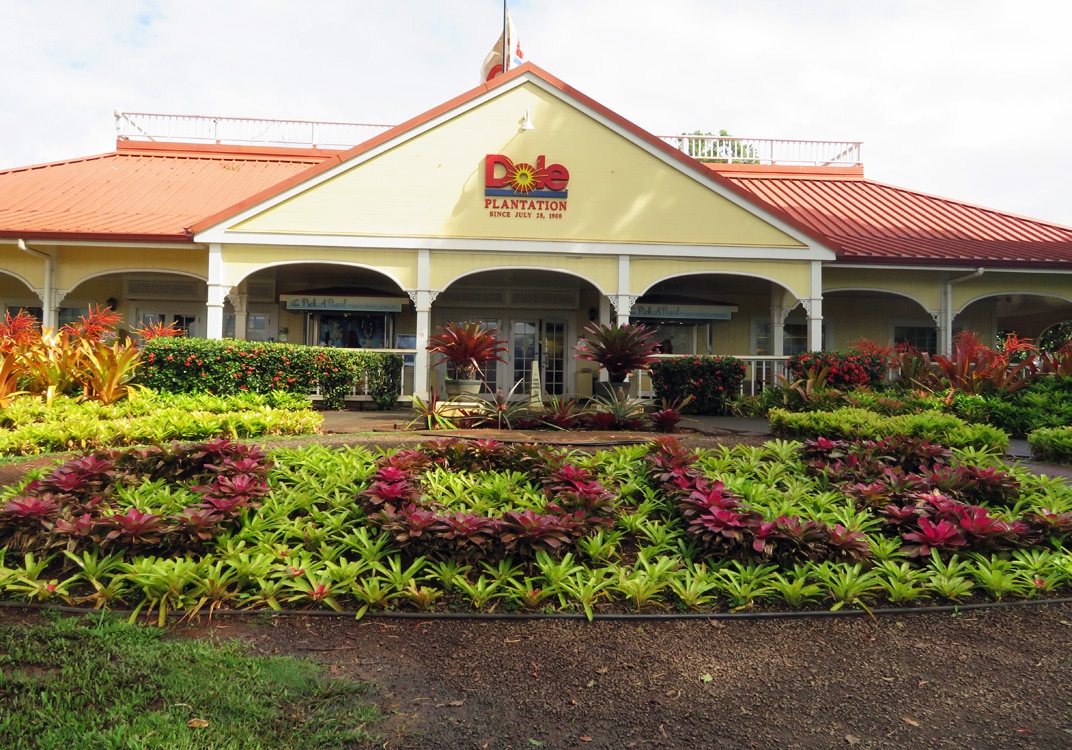
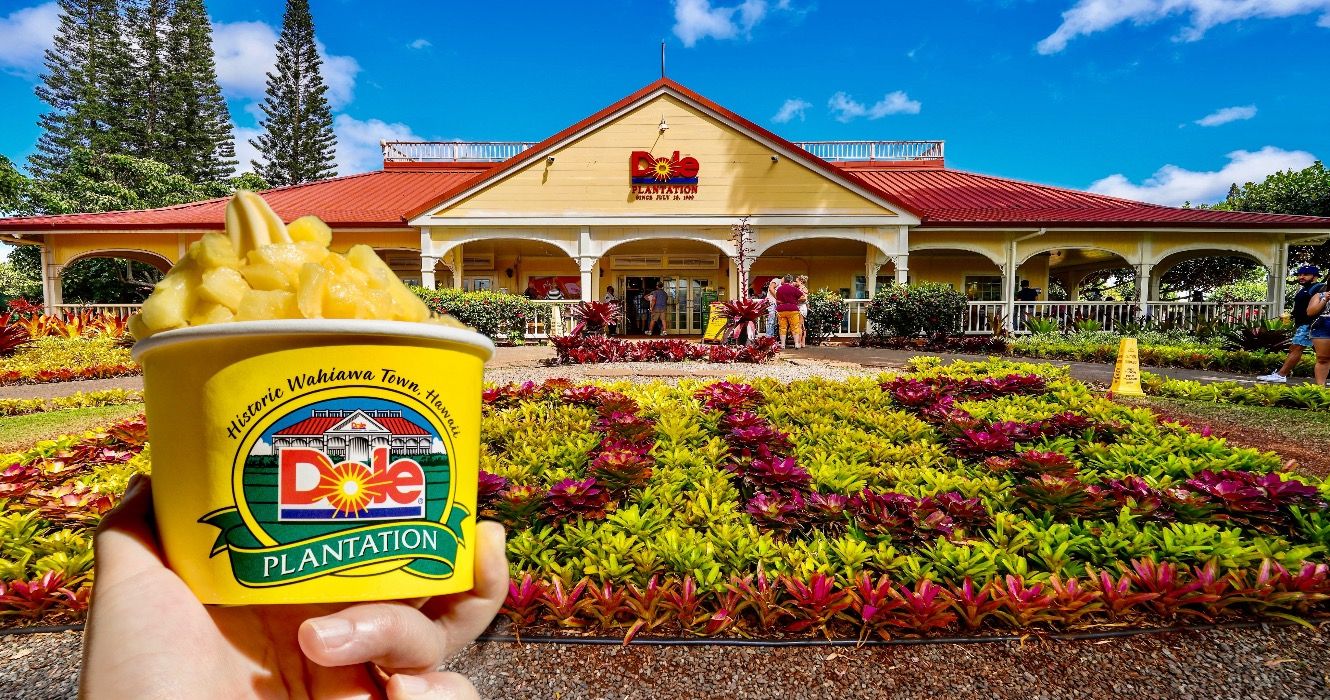
The architecture of the main plantation building reflects the plantation-style design prevalent in early 20th-century Hawaii. With its wide eaves, large windows for cross-ventilation, and sprawling wooden lanais, the structure is designed to harmonize with the tropical environment. Over the decades, the site has been expanded to include educational exhibits, a massive retail pavilion, and the staging grounds for the Pineapple Express Train Tour, transforming it from a working agricultural hub into a historical monument.
The Natural Wonders of the Wahiawa Plateau
The Dole Plantation is more than just buildings; it is a living museum of botany. The Wahiawa plateau, situated at an elevation of about 1,000 feet, offers a distinct ecological experience compared to the beaches of Maui or the volcanic craters of the Big Island.
The Pineapple Garden Maze: A Botanical Feat
One of the most recognizable features of the landmark is the Pineapple Garden Maze. In 2008, it was declared the world’s largest maze by the Guinness World Records. Covering more than three acres, the maze consists of over 14,000 colorful Hawaiian plants, including hibiscus, croton, and heliconia. The design is not merely for recreation; it serves as a botanical showcase of the diverse flora that thrives in the Oahu highlands. The paths are intricately woven to challenge visitors while surrounding them with the scents and sights of the tropical landscape.
Biodiversity and Exotic Flora of the North Shore
Beyond the maze, the Plantation Garden Tour allows visitors to witness the incredible variety of crops that Hawaii has exported to the world. While pineapples are the star, the gardens also feature Cacao trees, which are the source of Hawaiian chocolate, and various species of coffee. The presence of Mount Ka’ala, the highest peak on Oahu, in the background provides a dramatic backdrop to these lush fields, illustrating the island’s volcanic origins and its subsequent fertility.
Exploring the Iconic Landmarks within the Plantation
A visit to this central Oahu site is characterized by several distinct experiences that have become landmarks in their own right. Each attraction is designed to educate the public on the importance of land stewardship and the history of the Pacific agricultural industry.
The Pineapple Express Train Tour
The Pineapple Express Train Tour is a vintage-style locomotive experience that takes passengers on a two-mile journey through the working plantation. As the train winds through the fields, a narrated history provides insight into how James Dole revolutionized the industry. This is perhaps the best way to see the sheer scale of the operation and understand the labor-intensive process of hand-planting each pineapple—a tradition that continues in many parts of the world today.
The Plantation Garden Tour and Historic Buildings
For those who prefer a slower pace, the walking tours through the eight different gardens offer a deeper look at the cultural history of the islands. The North Shore is famous for its beaches like Laniakea Beach and Banzai Pipeline, but the Dole Plantation offers a rare look at the inland “paniolo” (cowboy) and plantation culture. The gardens are divided into themes, such as the “Waialua Corn” section and the “Life on the Plantation” section, which uses native plants to tell the story of the multi-ethnic workforce that built modern Hawaii.
Cultural and Global Impact of the Dole Landmark
The Dole Plantation is not just a local attraction; it is a global landmark that represents the intersection of commerce and culture. It has appeared in countless documentaries and travelogues, cementing its status as a premier destination for anyone visiting North America or the Pacific Islands.
From Agriculture to Global Tourism Icon
While the bulk of pineapple production has moved to Southeast Asia and Central America due to labor costs, the Wahiawa site remains the spiritual home of the brand. Its transition from a primary production facility to a landmark of tourism and education reflects the broader shift in Hawaii’s economy. Today, it serves as a gateway for travelers moving between the military history of Pearl Harbor and the natural beauty of Sunset Beach.

A Symbol of Hawaiian Hospitality
The landmark is also famous for the “Dole Whip,” a pineapple-flavored soft-serve treat that has gained a cult following worldwide. While it can be found at Disneyland or Walt Disney World, enthusiasts insist that the experience is only complete when enjoyed at the source in Wahiawa. This culinary landmark, combined with the educational exhibits, makes the plantation a cornerstone of the Oahu experience.
In conclusion, when you ask “Where is the Dole Plantation in Hawaii?”, you are led to the very center of Oahu. It is a landmark defined by the red earth of the Wahiawa plateau, the legacy of James Dole, and the lush biodiversity of the North Shore corridor. Whether you are arriving from Japan, Australia, or the Mainland United States, this site offers a profound look at the history that shaped the Aloha State. From the record-breaking Pineapple Garden Maze to the historic Pineapple Express Train Tour, it remains one of the most significant and enduring landmarks in the Pacific.
LifeOutOfTheBox is a participant in the Amazon Services LLC Associates Program, an affiliate advertising program designed to provide a means for sites to earn advertising fees by advertising and linking to Amazon.com. Amazon, the Amazon logo, AmazonSupply, and the AmazonSupply logo are trademarks of Amazon.com, Inc. or its affiliates. As an Amazon Associate we earn affiliate commissions from qualifying purchases.