
The archipelago of Hawaii is a collection of volcanic jewels scattered across the central Pacific Ocean. While the state is composed of hundreds of islands, eight main islands form the core of this tropical paradise. Among them, one stands out not just for its name, but for its sheer, overwhelming scale. When people ask, “Which island is the Big Island?” they are referring to the island of Hawaii. To avoid confusion between the name of the entire state and the name of this specific landmass, it is universally referred to as the Big Island.
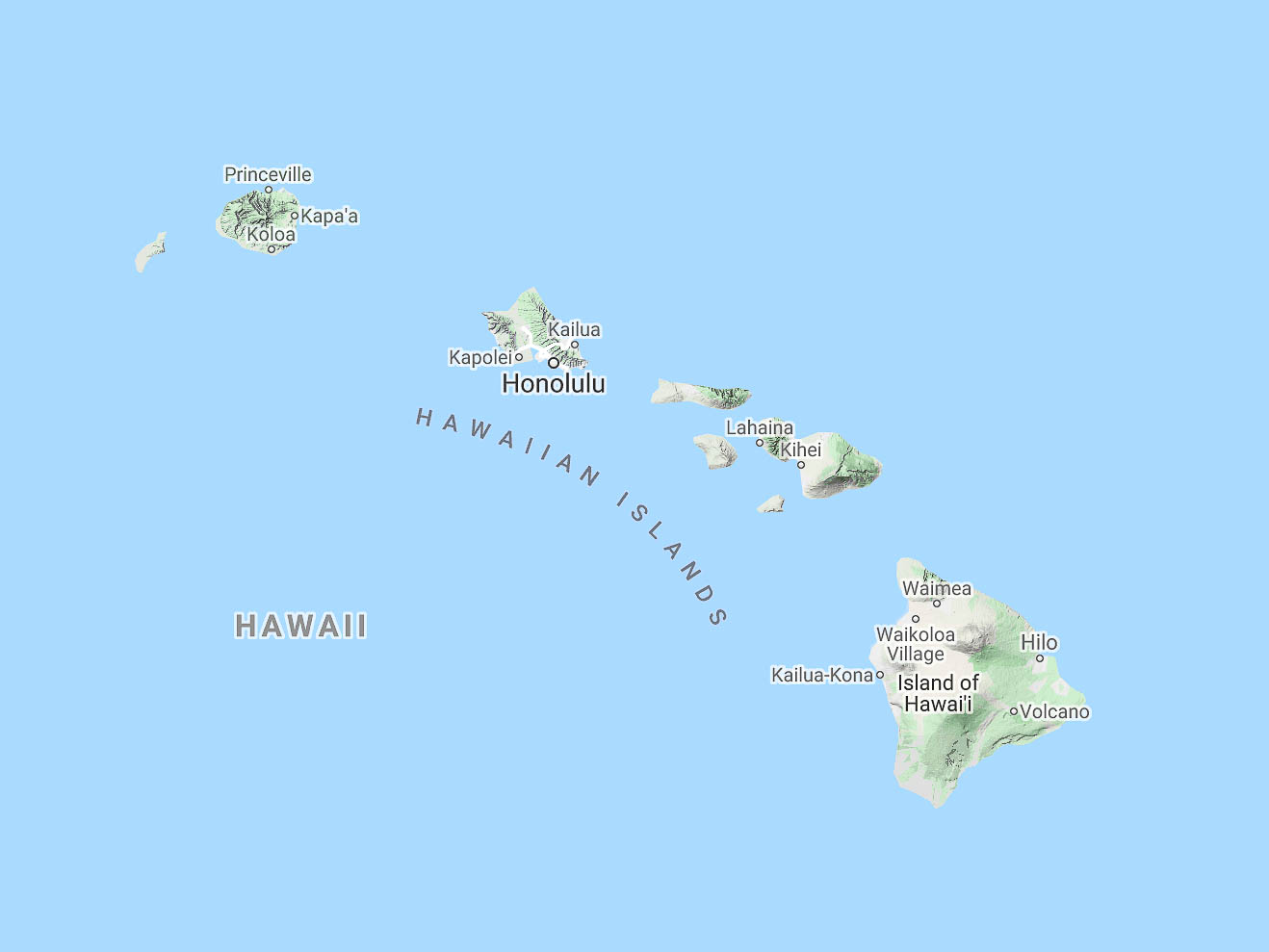
Covering more than 4,000 square miles, the Big Island is larger than all the other Hawaiian islands combined. It is a land of superlatives: the youngest island in the chain, the most geologically diverse, and the home to some of the world’s most active volcanoes. For travelers venturing to the United States‘ most isolated state, the Big Island offers an odyssey through nearly every climate zone on Earth, from tropical rainforests to arid deserts and even subarctic tundra.
The Geological Majesty of the Five Volcanoes
The story of the Big Island is a story of fire and earth. The island was formed by five distinct shield volcanoes that overlapped one another over hundreds of thousands of years. Understanding these peaks is essential to understanding the topography and travel appeal of the destination.
Mauna Kea and Mauna Loa: The Giants
The two most prominent peaks are Mauna Kea and Mauna Loa. Mauna Kea, a dormant volcano, is technically the tallest mountain in the world when measured from its base on the ocean floor, reaching a total height of over 33,000 feet, with 13,803 feet appearing above sea level. It is a world-renowned site for astronomy, housing some of the most advanced telescopes on the planet. Travelers often make the journey to the summit for sunset and stargazing experiences that are unparalleled elsewhere in the world.
Conversely, Mauna Loa is the world’s largest subaerial volcano by mass and volume. It remains active, with its most recent eruption in late 2022 reminding the world of the raw power residing beneath the island’s crust. Together, these two mountains create a “rain shadow” effect that dictates the weather patterns of the entire island.
Kilauea and the Hawaii Volcanoes National Park
Perhaps the most famous attraction on the Big Island is Kilauea, one of the most active volcanoes on Earth. Most of this volcanic activity is contained within Hawaii Volcanoes National Park, a UNESCO World Heritage site. Here, visitors can witness the creation of new land in real-time.
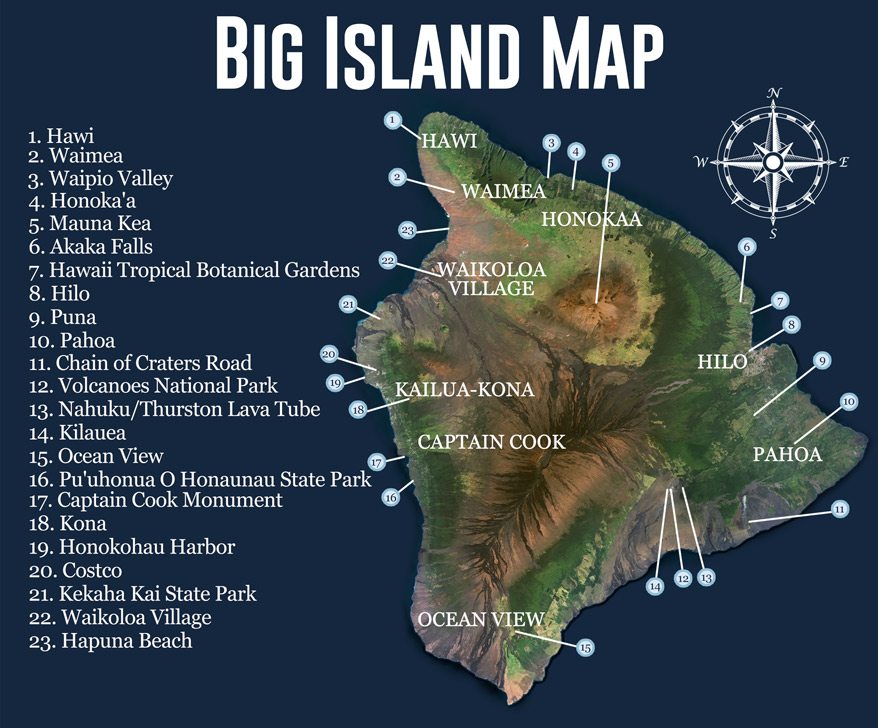
A trip to the park allows travelers to explore the Thurston Lava Tube, also known as Nahuku, a 500-year-old cave formed by a river of lava. Driving along the Chain of Craters Road provides a stark visual of how previous eruptions have reshaped the coastline, burying roads and forests under miles of hardened basalt.
Regional Diversity: From Hilo to Kona
One of the most unique aspects of the Big Island is the dramatic contrast between its windward (East) and leeward (West) sides. Because of the massive volcanic peaks blocking the trade winds, the two sides of the island feel like completely different countries.
The Lush Landscapes of Hilo
Hilo, located on the eastern side, is the island’s largest city and one of the wettest inhabited places in the United States. This abundance of rainfall results in breathtakingly lush scenery. Travelers head to Hilo to see the iconic Rainbow Falls, where mist often creates vibrant colors over the Wailuku River.
North of the city lies the Hamakua Coast, a stretch of coastline featuring sheer cliffs and deep tropical valleys. A visit to Akaka Falls State Park is a highlight here, where a short hike leads to a 442-foot waterfall plunging into a steam-filled gorge. Further north is the sacred Waipio Valley, often called the “Valley of the Kings,” which served as a residence for early Hawaiian royalty and remains a place of profound cultural significance.
The Sun-Drenched Shores of Kailua-Kona
In contrast, the western side of the island, centered around Kailua-Kona, is predominantly sunny and dry. This region is the hub for tourism, offering luxury resorts, vibrant shopping, and historic sites. Kailua-Kona was once a small fishing village and the vacation spot for Hawaiian monarchs. Today, it serves as the starting point for many ocean-based adventures.
The Kona coast is world-famous for its coffee production. The volcanic soil on the slopes of Hualalai provides the perfect environment for growing Kona Coffee. Travelers can visit farms in Holualoa or the Kona Coffee Living History Farm to learn about the labor-intensive process of harvesting these prized beans.
Coastal Wonders and Aquatic Adventures

The Big Island offers some of the most diverse beach experiences in the world. From white sands to rare green and black sands, the coastline is a testament to the island’s volcanic origins.
Iconic Beaches: Punaluu and Hapuna
For many, the sight of Punaluu Black Sand Beach is a bucket-list experience. The jet-black sand, formed by basaltic lava exploding as it hits the ocean, creates a stunning contrast against the blue water and green palm trees. It is also a frequent resting spot for the Hawaiian Green Sea Turtle.
For those seeking a traditional white-sand paradise, Hapuna Beach on the Kohala Coast is consistently ranked as one of the best beaches in the world. Its wide shoreline and clear turquoise waters make it ideal for swimming and bodyboarding. Nearby, Kaunaoa Bay, home to the legendary Mauna Kea Beach Hotel, offers a more secluded and tranquil atmosphere.
Marine Life and Snorkeling
The crystal-clear waters of the leeward coast are a haven for marine life. Kealakekua Bay is widely considered the best snorkeling spot on the island. This marine life conservation district is not only home to vibrant coral reefs and schools of tropical fish but is also the historical site where Captain Cook first landed on the island and later met his end.
One of the most unique “Big Island” experiences is the nighttime Manta Ray snorkel. Off the coast of Kailua-Kona, travelers can enter the water at night to watch these massive, gentle giants somersault below them as they feed on plankton attracted by underwater lights. It is a surreal encounter that highlights the island’s incredible biodiversity.
Cultural Heritage and Sacred Sites
While the natural beauty of the Big Island is undeniable, its cultural history is equally compelling. The island is the birthplace of King Kamehameha I, the great leader who unified the Hawaiian islands.
Puuhonua o Honaunau National Historical Park
A visit to Puuhonua o Honaunau National Historical Park offers a glimpse into ancient Hawaiian law and culture. This “Place of Refuge” was where lawbreakers or defeated warriors could flee to be absolved of their crimes by a priest. The meticulously restored site features wooden images of gods (tiki), royal fishponds, and a massive Great Wall that dates back hundreds of years.
The Churches and Arts of South Kona
South of the main tourist hubs, travelers can discover the Painted Church, officially known as Saint Benedicts Catholic Church. Built in the late 19th century, the interior is adorned with beautiful murals painted by a Belgian priest to teach the Bible to parishioners who could not read. It stands as a symbol of the fusion of Polynesia and European influences that shaped the island’s modern history.
Luxury and Relaxation on the Kohala Coast
For those looking to balance adventure with luxury, the Kohala Coast is the island’s premier resort destination. This area, characterized by vast lava fields meeting the ocean, is home to world-class accommodations.
The Fairmont Orchid and the Westin Hapuna Beach Resort offer expansive grounds and high-end amenities. Travelers can spend their days golfing on championship courses carved out of black lava rock or relaxing at the Hilton Waikoloa Village, a resort so large it features its own tram and boat system to transport guests.
Exploring the northern reaches of the island leads to Hawi and Kapaau, charming towns that were once the center of the island’s sugar industry. Today, they are artistic hubs filled with galleries, boutiques, and a relaxed pace of life that captures the “aloha spirit” perfectly.
Practical Tips for Your Big Island Journey
Because the Big Island is so expansive, planning is key to a successful trip. Unlike Oahu or Maui, where you can see much of the island in a day or two, the Big Island requires time. It is highly recommended to rent a car, as public transportation is limited and the distances between attractions like Kilauea and Kailua-Kona can take several hours to drive.
When packing, remember the island’s diverse climates. While you may be in swimwear on a beach in Waikoloa in the morning, you will need a heavy jacket if you plan to visit the summit of Mauna Kea in the evening. Respecting the land, or “aina,” is a fundamental part of the culture here. Visitors are encouraged to use reef-safe sunscreen, keep a safe distance from wildlife like the Hawaiian Monk Seal, and follow all posted signs at sacred sites.
In conclusion, the Big Island is much more than just the largest landmass in Hawaii; it is a dynamic, living entity that continues to grow and evolve. Whether you are seeking the thrill of an active volcano, the serenity of a hidden waterfall, or the luxury of a world-class resort, the island of Hawaii provides a travel experience that is as vast as its namesake suggests. From the heights of its snowy peaks to the depths of its coral-rich waters, the Big Island remains the ultimate destination for those looking to experience the true heart of the Pacific Ocean.
LifeOutOfTheBox is a participant in the Amazon Services LLC Associates Program, an affiliate advertising program designed to provide a means for sites to earn advertising fees by advertising and linking to Amazon.com. Amazon, the Amazon logo, AmazonSupply, and the AmazonSupply logo are trademarks of Amazon.com, Inc. or its affiliates. As an Amazon Associate we earn affiliate commissions from qualifying purchases.