
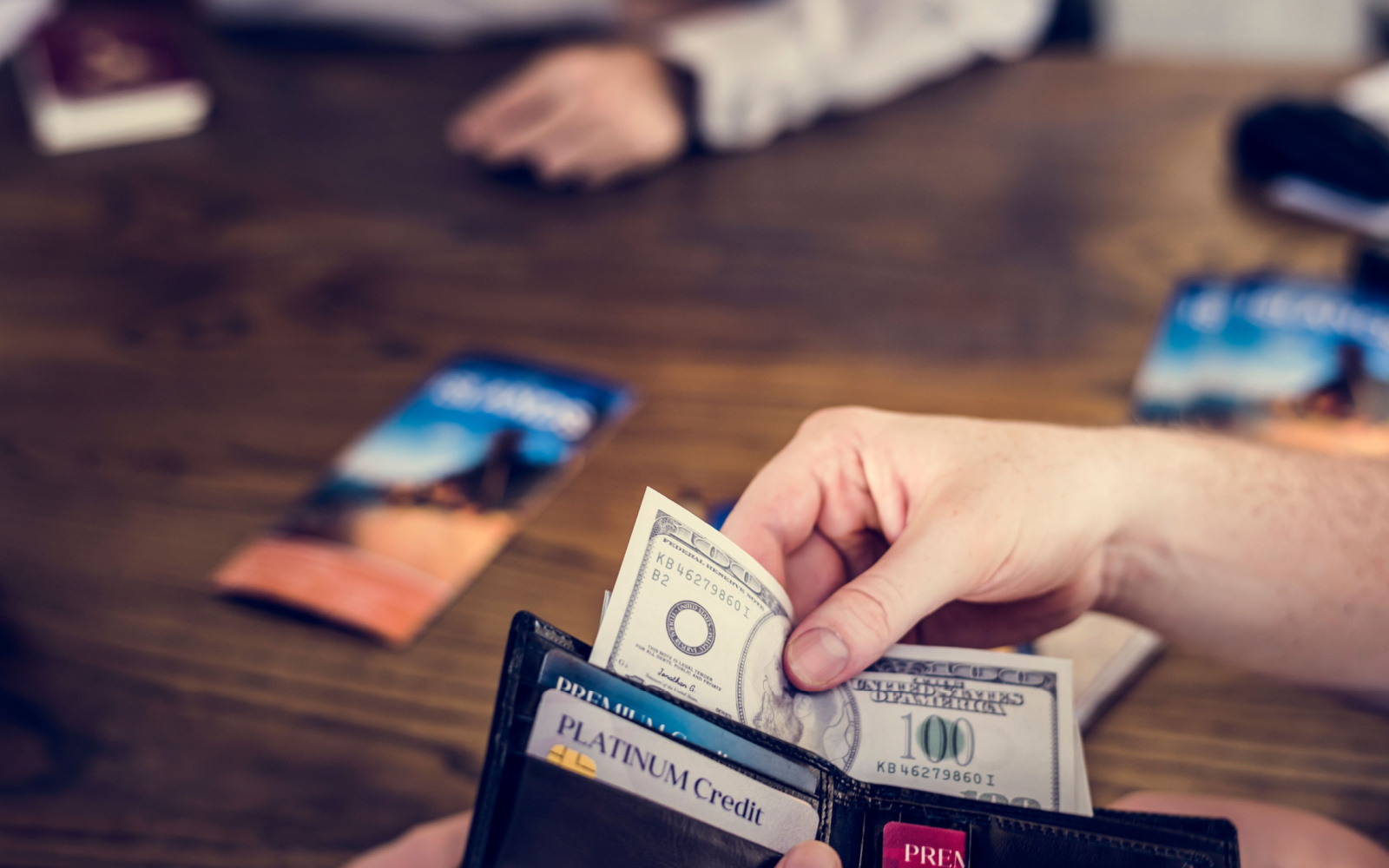
In an era dominated by digital wallets, credit cards, and contactless payments, the question of whether one can still use physical currency to secure a place to stay is increasingly common. For many travelers, cash remains a preferred method for budgeting, maintaining privacy, or simply avoiding the high interest rates associated with credit cards. However, the landscape of the modern Accommodation industry has shifted significantly toward electronic transactions. While the short answer is yes, you can often pay for a hotel room with cash, the process is rarely as simple as handing over a few bills at the front desk. Navigating the policies of major brands like Marriott International or Hilton Worldwide requires an understanding of security deposits, identification requirements, and the logistical preferences of the hospitality sector.
The Logistical Barriers of Cash Payments in Modern Hotels
The primary reason hotels are often hesitant to accept cash—at least at the beginning of a stay—is risk management. When a guest checks into a room at a Holiday Inn or a Best Western, the hotel is essentially handing over an asset worth hundreds of thousands of dollars. A credit card serves as a form of collateral. If a guest smokes in a non-smoking room, raids the minibar, or causes physical damage, the hotel can easily charge the card on file. With cash, that recourse is significantly limited.
The Necessity of Incidentals and Security Deposits
Even if a hotel agrees to accept cash for the room rate itself, almost every reputable establishment in cities like New York City or London will require a security deposit. When paying with a card, this is usually a “hold” on funds. When paying with cash, you must provide the full amount upfront.
This deposit often covers the “incidentals”—potential costs beyond the base room rate. It is not uncommon for a hotel to request a cash deposit ranging from $50 to $200 per night. If you are staying at a luxury resort in Las Vegas, these deposits can be even higher. Travelers must be prepared to have a significant amount of liquidity available, as these funds are tied up until checkout.
Identification and Verification Protocols
Privacy is one of the main reasons travelers opt for cash, yet paying with paper money does not exempt a guest from providing identification. In the United States and most of Europe, local laws and insurance policies require hotels to maintain a record of who is staying on the premises. Whether you are checking into a boutique hotel in Paris or a roadside motel in Texas, you will be asked for a government-issued photo ID. The notion of the “anonymous” cash guest is largely a myth in the modern regulated hospitality industry.
Strategic Ways to Successfully Book with Cash
If you prefer to operate in cash, there are specific strategies to ensure you aren’t turned away at the door. Policy varies wildly between corporate-owned properties and franchised locations. For instance, a Choice Hotels property in a rural area might have more flexibility than a flagship Hyatt in the middle of Chicago.
The “Credit at Check-in, Cash at Checkout” Method
The most successful way to use cash at a hotel is to use a credit card for the initial “authorization” at check-in. This satisfies the hotel’s need for security and incidentals. At the end of your stay, you can inform the front desk that you would like to settle the final bill in cash. Once the cash is paid, the hotel releases the hold on your credit card. This method is widely accepted at major chains like Wyndham Hotels & Resorts and InterContinental Hotels Group.
Targeting Independent and Economy Motels
While high-end brands like the Four Seasons or the Ritz-Carlton rarely allow a “cash-only” check-in without a credit card on file, economy brands and independent motels are often more accommodating. Properties like Motel 6 or local bed and breakfasts in Vermont may accept cash upfront, though they may still require a “cash bond” that is returned after a room inspection upon your departure.
Pre-paid Bookings through Third Parties
Another workaround is to pay for the room in advance using a third-party booking site. While you might use a digital method to pay the site, the “room rate” is settled before you arrive. However, be cautioned: the physical hotel in Tokyo or Rome will still likely ask for a card or a cash deposit for incidentals upon your arrival.

Global Variations: Where Cash Remains King
The feasibility of paying for a hotel with cash changes drastically depending on your geographical location. While the United Kingdom and Canada are rapidly moving toward a cashless society, other regions still treat cash as the primary medium of exchange.
Hospitality Traditions in Southeast Asia
In countries like Vietnam, Thailand, and Indonesia, cash is not just accepted; it is often preferred. If you are staying at a villa in Bali or a guesthouse in Hanoi, the proprietors may even offer a small discount for paying in cash to avoid credit card processing fees. In these markets, the rigid “credit card only” culture of Western chains is less prevalent, making it much easier for the cash-carrying traveler to find high-quality Accommodation.
Cash Usage in Japan and Central Europe
Japan is a unique case where high-tech living meets a traditional cash-based economy. Even in a bustling metropolis like Osaka, many mid-range hotels and “Ryokans” (traditional inns) expect payment in Yen. Similarly, in parts of Germany and Austria, smaller boutique hotels and pensions often prefer cash, reflecting a broader cultural emphasis on financial privacy and a skepticism toward consumer debt.
The Pros and Cons of Paying with Cash
Choosing to pay with cash for your stay at a Sheraton or a local lodge involves a trade-off between freedom and convenience. Understanding these factors can help you decide if it is the right choice for your next trip.
Advantages: Privacy and Budget Control
For many, the biggest advantage is the ability to stick to a strict travel budget. When you pay cash for a room in Barcelona, you are hyper-aware of your spending. There are no “surprise” foreign transaction fees or interest charges waiting for you on a monthly statement. Furthermore, travelers who are wary of data breaches and identity theft often feel more secure using physical currency, as it leaves a smaller digital footprint.
Disadvantages: The Refund Delay and Bulkiness
The biggest downside to cash is the “check-out friction.” If you leave a $300 cash deposit at a hotel in San Francisco, you must wait for a staff member to physically inspect your room before you can get your money back. This can be time-consuming if you are rushing to catch a flight at John F Kennedy International Airport. Additionally, carrying large sums of cash makes you a target for theft, especially when visiting major tourist landmarks like the Eiffel Tower or the Colosseum.
Practical Tips for the Cash-Preferring Traveler
If you are determined to use cash for your next Accommodation booking, preparation is key. Following these steps can prevent a stressful situation at the check-in counter:
- Call Ahead: Never assume a hotel’s website reflects the current reality of the front desk. Call the specific property in Miami or Sydney and ask: “Do you accept cash for the room and the deposit at check-in?”
- Over-Budget for the Deposit: Always carry at least 50% more than the room rate to cover the mandatory security deposit.
- Get a Receipt: This is non-negotiable. When you hand over cash, ensure you receive a printed receipt that clearly states the amount paid for the room and the amount held as a deposit.
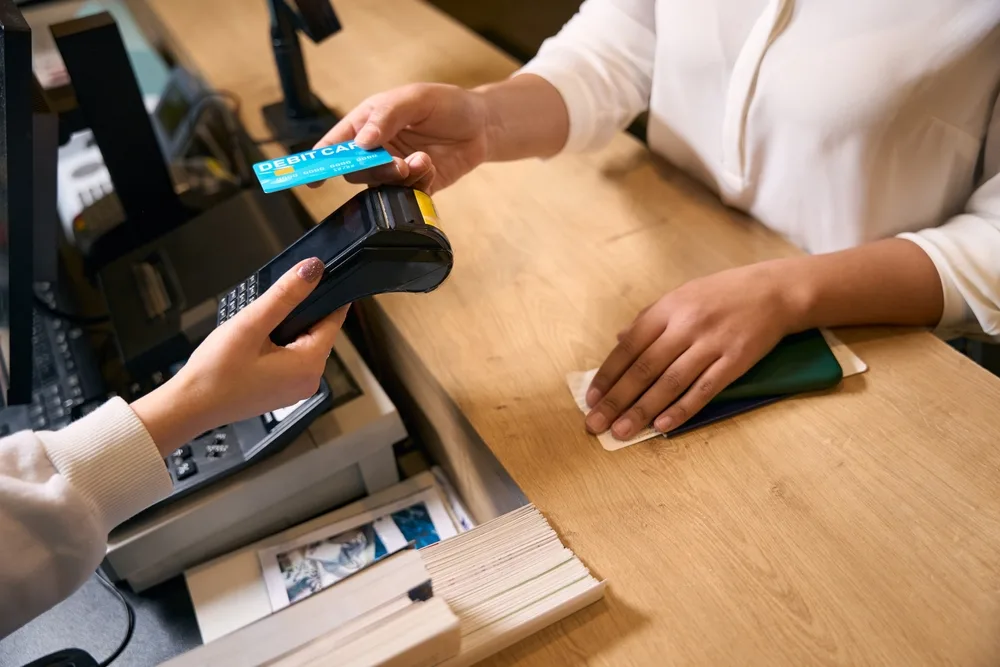
- Use a Debit Card as a Middle Ground: If you don’t want to use credit, a debit card with a Visa or Mastercard logo is accepted almost everywhere that credit cards are, though the “hold” will temporarily remove real money from your bank account.
- Be Prepared for Room Inspections: Allow an extra 20–30 minutes during checkout for the staff to verify the room’s condition so they can return your cash.
While the world moves closer to a fully digital economy, the hospitality industry remains a patchwork of different policies and cultural norms. Whether you are exploring the rugged beauty of the Grand Canyon or the urban sprawl of Tokyo, paying with cash is still possible—provided you have the patience and the preparation to navigate the requirements of the modern hotelier. Cash may no longer be the easiest way to pay, but for the savvy traveler, it remains a viable and sometimes rewarding way to experience the world.
LifeOutOfTheBox is a participant in the Amazon Services LLC Associates Program, an affiliate advertising program designed to provide a means for sites to earn advertising fees by advertising and linking to Amazon.com. Amazon, the Amazon logo, AmazonSupply, and the AmazonSupply logo are trademarks of Amazon.com, Inc. or its affiliates. As an Amazon Associate we earn affiliate commissions from qualifying purchases.