
When an unexpected disaster renders a rental home uninhabitable, the immediate priority shifts from property recovery to personal safety and shelter. For many tenants in the United States, Canada, and the United Kingdom, the primary question that arises is whether their renters insurance policy will facilitate a transition to a hotel or alternative lodging. Understanding the “Loss of Use” provision within an insurance policy is essential for anyone navigating the complexities of long-term accommodation after a displacement. This guide explores the nuances of coverage, the types of hotels available for such transitions, and how to manage the logistical challenges of temporary residency.
Understanding Loss of Use Coverage in Rental Agreements
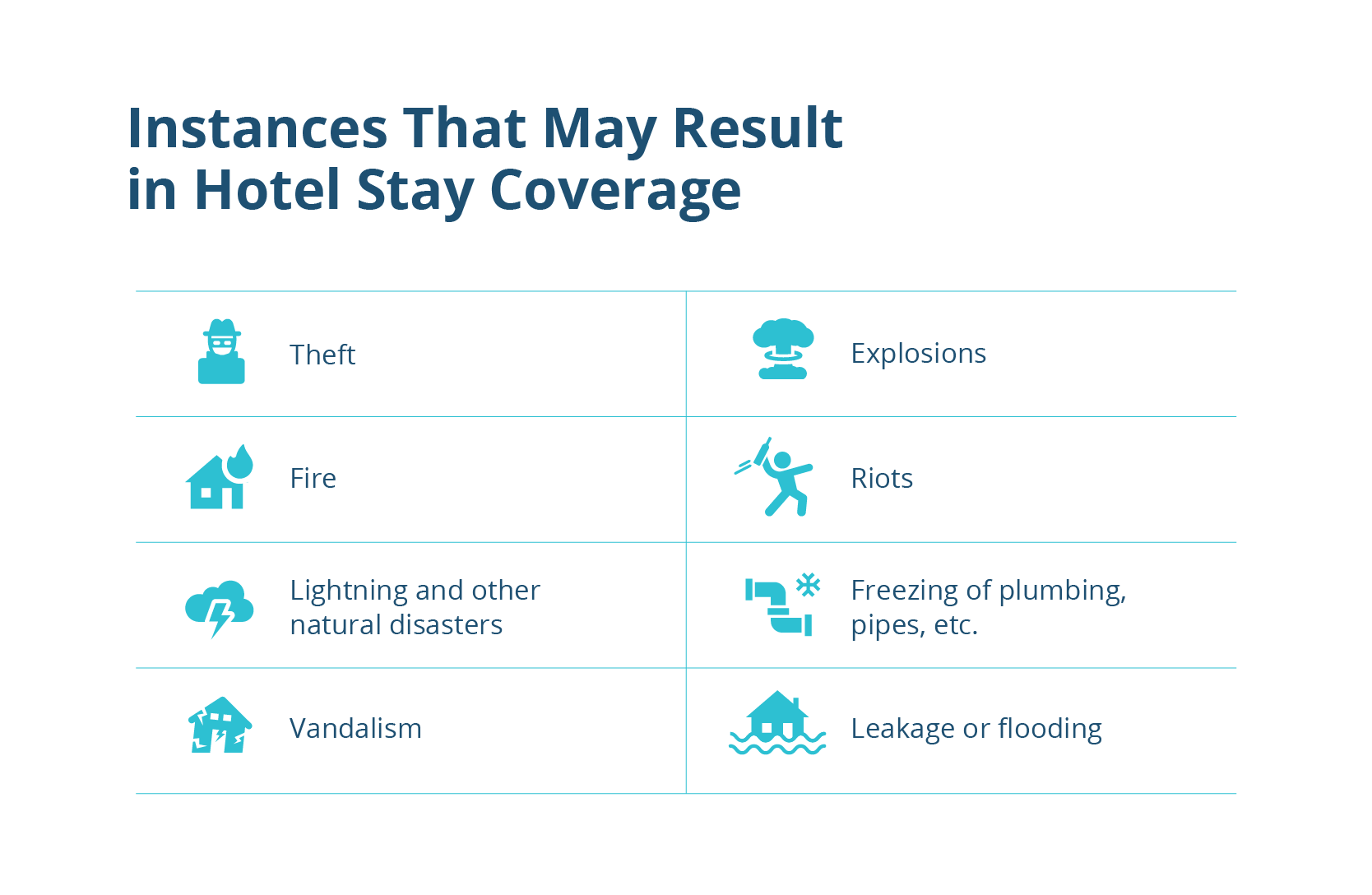
The cornerstone of displacement coverage in a standard renters insurance policy is “Loss of Use,” also frequently referred to as “Additional Living Expenses” (ALE). This specific coverage is designed to maintain your current standard of living if your primary residence is damaged by a covered peril—such as fire, smoke, explosion, or significant water damage from internal plumbing failures. It does not simply pay for a hotel; it covers the difference between your normal living costs and your new, temporary costs.
What Qualifies as “Uninhabitable”?
For a claim to be triggered, the rental unit must be deemed uninhabitable by a professional, such as a fire marshal, a government inspector, or an insurance adjuster. In major urban centers like New York City or Chicago, structural integrity and the functioning of essential utilities (heat, water, electricity) are the primary benchmarks for habitability. If a kitchen fire in an apartment in San Francisco makes it impossible to cook or breathe safely due to smoke residue, the Loss of Use coverage generally kicks in. However, it is important to note that elective stays—such as moving to a hotel during a minor renovation—are typically not covered.
Covered Perils vs. Exclusions
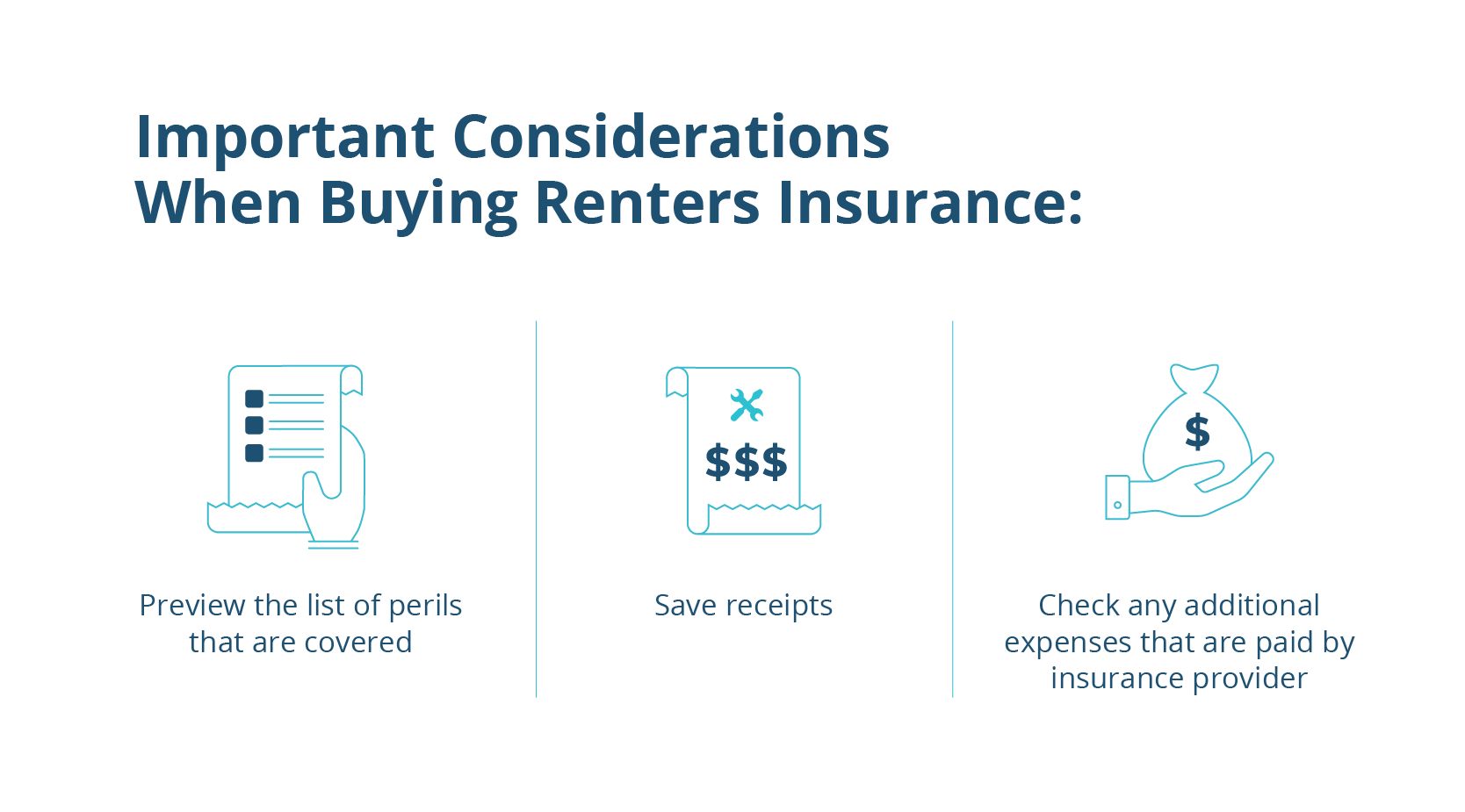
The “peril” that caused the displacement must be listed in the policy. Common covered perils include fire, windstorms, and lightning. However, many renters are surprised to learn that standard policies in states like California often exclude earthquakes, while policies in Florida or Texas might exclude flood damage unless a separate rider is purchased. If a flood in Miami forces you out of your ground-floor apartment, but you lack specific flood insurance, your renters insurance likely won’t cover your stay at a Marriott or a Hilton.
The “Standard of Living” Clause
One of the most insightful aspects of ALE is the “standard of living” clause. Insurance companies aim to keep you in a situation comparable to your previous one. If you were renting a luxury loft in London, your policy might approve a stay at a high-end establishment like the Savoy Hotel. Conversely, if you were in a modest studio in Philadelphia, the adjuster might limit reimbursement to a mid-range suite at a Holiday Inn.
Navigating the Logistics of Extended Hotel Stays
Once coverage is confirmed, the focus shifts to selecting the right type of accommodation. While a standard hotel room might suffice for a few nights, displacements lasting weeks or months require a more strategic approach to booking and amenities.
Comparing Standard Hotels and Extended Stay Suites
For short-term displacement, traditional hotels offered by groups like Hyatt or InterContinental Hotels Group provide immediate relief. However, for long-term stays, “extended stay” models are often preferred by both the policyholder and the insurance company. Brands like Residence Inn by Marriott or Homewood Suites offer kitchenettes and separate living areas. This is crucial for ALE claims because having a kitchen reduces the “additional” cost of dining out, which insurance companies monitor closely.
The Role of Corporate Housing and Short-Term Rentals
In some instances, especially in major international hubs like Tokyo or Paris, a hotel may not be the most practical solution. Corporate housing or platforms like Airbnb and Vrbo can provide a more “home-like” environment. Insurance adjusters often prefer these for displacements exceeding 30 days because they frequently cost less than a daily hotel rate at a Four Seasons or a Ritz-Carlton. When booking through these platforms, ensure the host provides formal invoices, as the “Loss of Use” claim requires rigorous documentation.
Proximity and Location Strategy
When choosing your temporary accommodation, location is a significant factor in the reimbursement process. If your original rental was in Manhattan, moving to a hotel in Brooklyn might be necessary, but the insurance company will also look at your increased commuting costs. Under ALE, if your new commute from a Westin hotel to your office costs an extra $20 a day in Uber or train fares, that increase is typically reimbursable.
Financial Limits and the Reimbursement Process
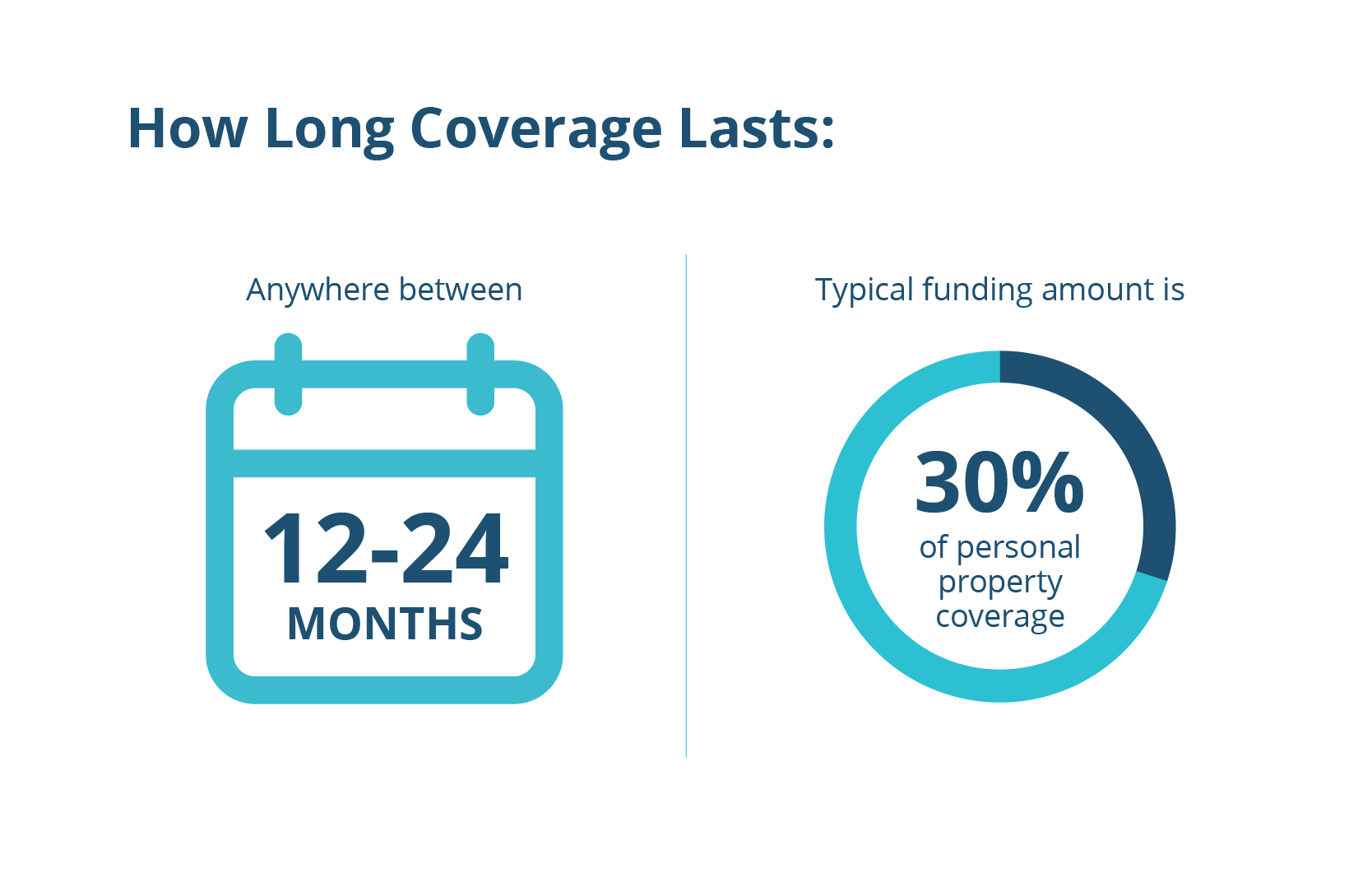
Understanding the financial boundaries of your policy is vital to avoid out-of-pocket surprises. Most renters insurance policies cap Loss of Use coverage at a specific dollar amount or a percentage of your total personal property coverage (often 20% to 30%).
Daily Allowances and Spending Caps
While there isn’t always a “hard” daily cap, adjusters use local cost-of-living data to determine what is reasonable. In an expensive city like Hong Kong or Geneva, the daily allowance for a hotel and meals will be significantly higher than in a smaller town in Ohio. It is wise to get a written “daily limit” from your adjuster before checking into a luxury boutique hotel like the Waldorf Astoria.
Managing Receipts and Documentation
The reimbursement process for hotel stays is evidence-based. You must keep every receipt, from the hotel folio to the grocery bill. Insurance companies typically only reimburse the “excess” amount. For example, if you normally spend $400 a month on groceries but, while staying at a Sheraton without a kitchen, you spend $900 on restaurant meals, the insurance company will likely reimburse the $500 difference. Proper documentation ensures that your stay in Los Angeles or Seattle doesn’t drain your personal savings.
The Impact of Time Limits
In addition to monetary caps, many policies have time limits—often 12 to 24 months. Even if you haven’t exhausted your dollar limit, if the repairs on your apartment in Boston take longer than the policy’s time limit, the coverage for your stay at the Fairmont Hotel will cease. Always coordinate with your landlord and the insurance company to ensure the repair timeline aligns with your coverage window.
Comparing Long-Term Accommodation Options for Displaced Renters
Choosing where to stay during a displacement is not just about finding a bed; it’s about maintaining a sense of normalcy and managing the logistical overhead of a claim.
Boutique Hotels vs. Chain Resorts
Boutique hotels in cities like Berlin or Barcelona offer unique experiences but may lack the standardized billing systems that insurance adjusters prefer. Chain resorts, such as those owned by Wyndham or Choice Hotels, often have dedicated departments to handle insurance-related bookings. This can simplify the process of “direct billing,” where the insurance company pays the hotel directly, sparing you from having to front thousands of dollars and waiting for reimbursement.
The Benefits of Serviced Apartments
In global business centers like Singapore or Dubai, serviced apartments represent the pinnacle of temporary accommodation. These facilities combine the amenities of a hotel—such as concierge services and fitness centers—with the privacy and utility of a home. For families displaced from a large house, a three-bedroom serviced apartment is often more cost-effective and comfortable than booking multiple rooms at a Renaissance Hotel.
Final Considerations for the Policyholder
Navigating a displacement is stressful, but a well-managed renters insurance policy provides a clear path forward. Whether you find yourself in a Best Western in Texas or a luxury suite in France, the key is communication. Keep your adjuster informed of any changes to your living situation, and always prioritize safety and habitability over luxury unless your policy explicitly supports it. By treating your temporary hotel stay as a managed accommodation transition rather than a vacation, you can ensure that your “Loss of Use” coverage works effectively to bridge the gap between disaster and recovery.
In conclusion, while renters insurance does cover hotel stays, the coverage is governed by specific rules regarding “Loss of Use” and “Additional Living Expenses.” By understanding the limits of your policy, choosing the right type of accommodation in cities ranging from Sydney to Toronto, and maintaining meticulous records, you can turn a housing crisis into a manageable transition. Whether you are staying at a Loews Hotel or a local bed and breakfast in Italy, your insurance is there to ensure that your life doesn’t stop just because your home did.
LifeOutOfTheBox is a participant in the Amazon Services LLC Associates Program, an affiliate advertising program designed to provide a means for sites to earn advertising fees by advertising and linking to Amazon.com. Amazon, the Amazon logo, AmazonSupply, and the AmazonSupply logo are trademarks of Amazon.com, Inc. or its affiliates. As an Amazon Associate we earn affiliate commissions from qualifying purchases.