
The hospitality industry is one of the most dynamic sectors in the global economy, offering a diverse array of career paths that blend business acumen with the art of service. At the helm of every successful property—from a boutique lodge in Bali to a towering skyscraper in New York City—is the Hotel Manager, often referred to as the General Manager (GM). This individual is responsible for the seamless integration of departments, guest satisfaction, and, ultimately, the financial health of the business. Consequently, the question of “how much does a manager of a hotel make?” is not met with a single figure, but rather a complex spectrum determined by location, property scale, and brand prestige.

The Core Responsibilities and Financial Realities of Hotel Management
To understand the compensation of a hotel manager, one must first understand the weight of their responsibilities. A manager is the orchestrator of a multifaceted operation that includes front-of-house services, housekeeping, food and beverage, marketing, and maintenance. Their salary reflects their ability to balance these spinning plates while maintaining strict adherence to budget constraints and revenue targets.
The Standard Salary Range for Hotel Managers
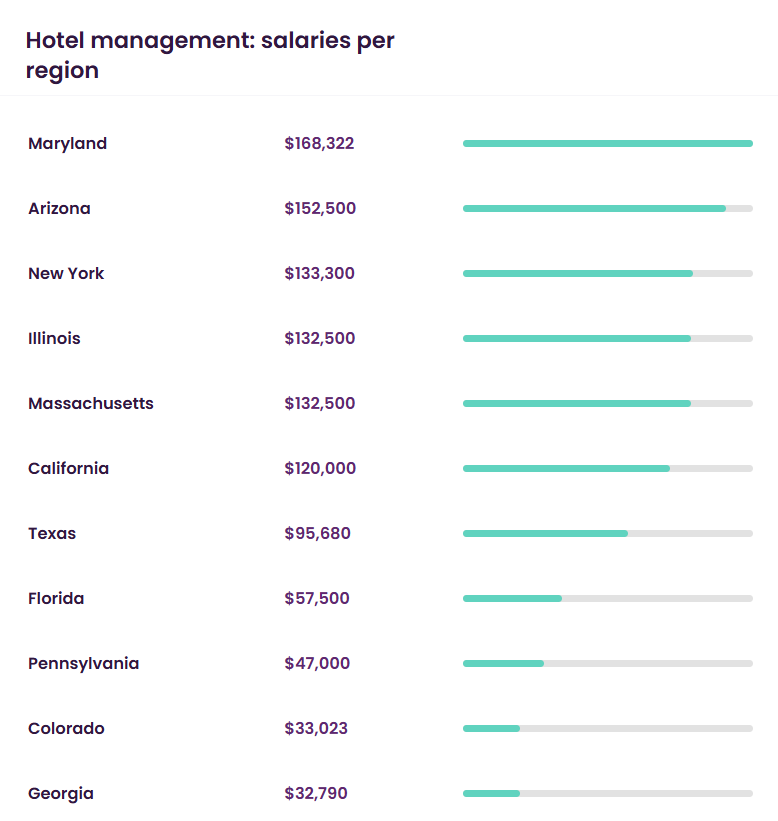
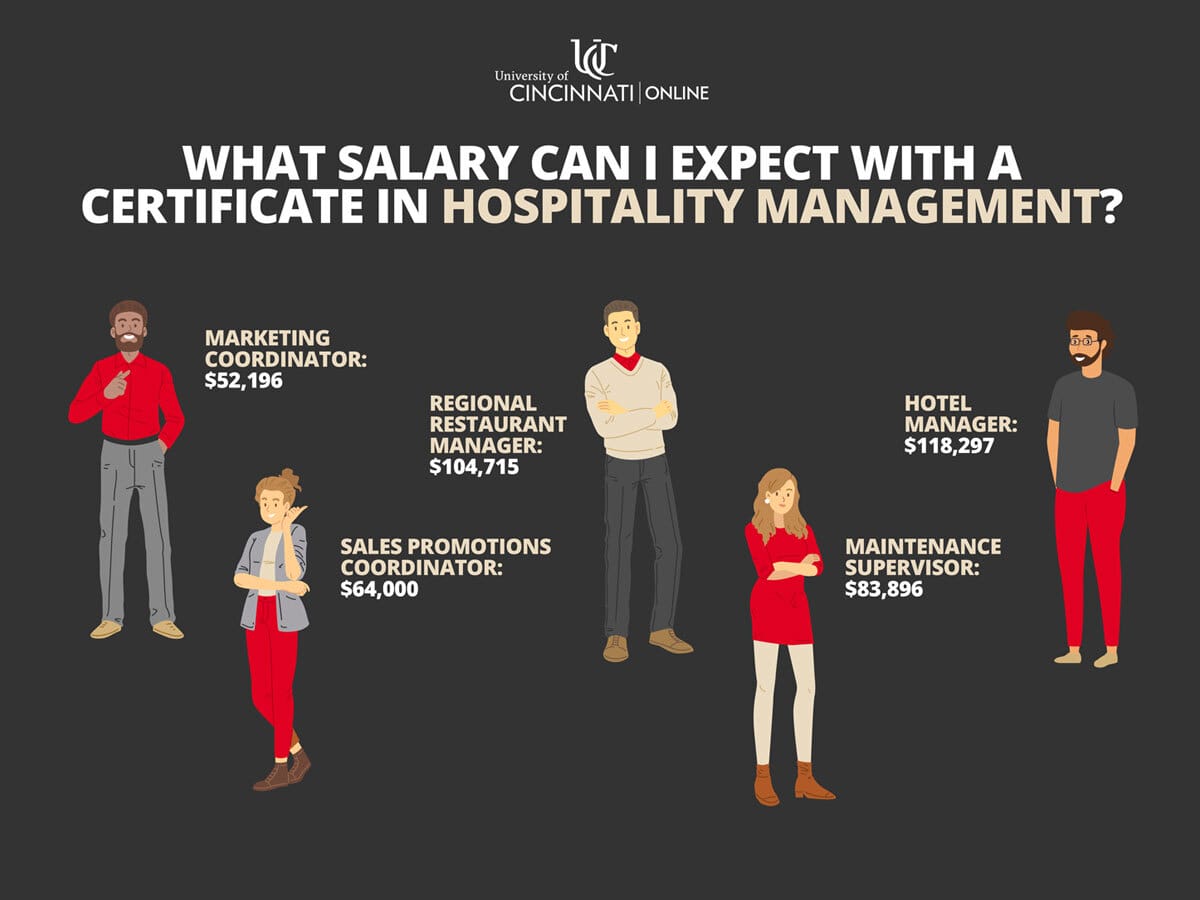
In the United States, the salary for a hotel manager can vary significantly. On average, a mid-level manager at a mid-scale property can expect to earn between $50,000 and $80,000 annually. However, as one moves into the realm of executive management at high-end establishments like the Four Seasons Hotels and Resorts or The Ritz-Carlton, these figures can easily double or triple. For many GMs at flagship properties in major metropolitan areas, a base salary exceeding $150,000 is common, often supplemented by a suite of executive benefits.
Factors That Dictate Earning Potential
The primary drivers of a hotel manager’s paycheck are the size and classification of the hotel. Managing a 50-room independent boutique hotel in Savannah requires a different skill set and level of oversight than managing a 2,000-room convention hotel in Las Vegas. In the latter, the complexity of operations—managing thousands of staff members and multi-million dollar daily revenues—commands a much higher premium. Furthermore, the level of service offered plays a role; a luxury resort manager in the Maldives will typically outearn a manager of a limited-service highway motel, even if the room counts are similar.
Regional Salary Trends Across the Globe
Geography is perhaps the most significant variable in determining a hotel manager’s income. Cost of living, local tourism demand, and regional economic stability all play crucial roles in how hospitality groups structure their compensation packages.
High-Demand Urban Hubs and Financial Centers
In global financial hubs like London, Hong Kong, and Singapore, the competition for top-tier management talent is fierce. In London, for instance, a General Manager at a prestigious five-star property can earn upwards of £100,000 per year. In Dubai, where the luxury hospitality market is exceptionally dense, salaries are often tax-free and accompanied by generous housing allowances, making these positions some of the most lucrative in the world. Managers overseeing iconic structures like the Burj Al Arab operate at the pinnacle of the industry’s earning potential.
Resort Destinations and Tropical Escapes
Transitioning from urban centers to vacation hotspots, the compensation structure often shifts to include more “in-kind” benefits. A manager at a high-end resort in Hawaii or French Polynesia might receive a slightly lower base salary compared to their counterparts in Tokyo, but they often enjoy comprehensive relocation packages, private housing on or near the property, and full-family meal plans. In emerging markets like Vietnam or Thailand, an expatriate manager’s salary may be high relative to the local economy, providing a significantly higher standard of living than a similar salary would afford in Paris.
The Influence of Brand and Property Type
The brand under which a hotel operates significantly influences the manager’s salary structure. Global hospitality giants like Marriott International, Hilton Worldwide, and Accor have standardized pay scales and performance-related bonus structures that provide a level of financial predictability.
Corporate Chains vs. Independent Boutiques
Working for a major chain often brings a higher degree of job security and a clear path for upward mobility. Managers within the Hyatt Hotels Corporation ecosystem, for example, benefit from a structured hierarchy where salary increases are tied to clear performance metrics and professional development milestones. Conversely, independent or family-owned hotels in places like Tuscany or the Cotswolds may offer more flexible, albeit sometimes less transparent, compensation. In these cases, a manager might negotiate a profit-sharing agreement, which can lead to substantial earnings if the property is highly successful.
The Luxury Segment and Specialized Niches
Managers within the “Ultra-Luxury” segment—overseeing properties like Aman Resorts or Rosewood Hotels—are expected to provide a level of service that borders on the extraordinary. This high-pressure environment is rewarded with top-tier salaries. Additionally, specialized niches such as casino-hotels in Macau or cruise ship management often offer higher-than-average pay to compensate for the unique operational challenges and, in the case of cruise lines, the long periods away from home.
Incentives, Benefits, and Total Compensation Packages
When assessing how much a hotel manager makes, focusing solely on the base salary provides an incomplete picture. The “Total Compensation” package is a hallmark of the hospitality industry’s executive level.
Performance-Based Bonuses and RevPAR
The most common incentive for a hotel manager is the performance bonus, which is often tied to Revenue Per Available Room (RevPAR), Gross Operating Profit (GOP), and Guest Satisfaction Indices (GSI). If a manager successfully navigates a peak season in Japan or manages a sold-out event week in Miami, their year-end bonus can range from 10% to 30% of their annual salary. This aligns the manager’s financial interests directly with the owners’ or shareholders’ goals.
Non-Monetary Perks and Lifestyle Benefits
One of the most attractive aspects of being a manager at a luxury hotel is the lifestyle benefits. Many GMs live on-site in a dedicated suite, which eliminates housing and utility costs—a massive financial advantage in expensive cities like San Francisco or Zurich. Other perks include:
- Dry Cleaning and Uniforms: Professional attire is usually maintained by the hotel’s laundry service.
- Complimentary Dining: Most managers eat their meals at the hotel’s various dining outlets.
- Travel Benefits: Employees of large chains like InterContinental Hotels Group often receive deeply discounted rates at sister properties worldwide, from Sydney to Berlin.
Navigating the Career Path to Executive Leadership
Reaching the position of General Manager requires a combination of formal education and “boots on the ground” experience. The financial rewards at the top are a reflection of years of dedication to the craft of hospitality.
The Role of Education and Certification
While some legendary hoteliers started as bellhops, the modern industry favors candidates with degrees from specialized institutions such as the EHL Hospitality Business School in Switzerland or Cornell University. A degree in hospitality management provides a foundation in accounting, marketing, and human resources—essential skills for any manager aiming for a six-figure salary. Furthermore, certifications like the Certified Hotel Administrator (CHA) can enhance a manager’s marketability and bargaining power during salary negotiations.
Moving Up the Ladder: From Department Head to GM
The journey to becoming a manager usually involves rotating through various departments. A professional might start as a Front Office Manager in Chicago, move to an Assistant General Manager role in Toronto, and finally secure a GM position in Mexico. Each step up the ladder brings a significant pay increase. The jump from a department head to a General Manager is often the largest financial leap, as it marks the transition from operational management to executive leadership.
The Future Outlook for Hotel Management Salaries
As the travel industry continues to evolve with technology and shifting traveler preferences, the role of the hotel manager is becoming more data-driven. Managers who can master revenue management software and digital marketing strategies are increasingly in demand. In a post-pandemic world, properties in Australia, Spain, and Greece have seen a resurgence in tourism, leading to a competitive hiring market. For those willing to adapt and lead in this changing landscape, the financial prospects of a hotel manager remain robust and highly rewarding.
In conclusion, a hotel manager’s salary is a reflection of their location, the prestige of their brand, and their ability to drive profitability while maintaining high standards of service. Whether overseeing a historic villa in Florence or a modern resort in Cancun, the role offers a unique blend of financial stability and the chance to live a truly global lifestyle. For those with a passion for service and a sharp mind for business, the path to hotel management is not just a career, but a lucrative journey across the world’s most beautiful destinations.
LifeOutOfTheBox is a participant in the Amazon Services LLC Associates Program, an affiliate advertising program designed to provide a means for sites to earn advertising fees by advertising and linking to Amazon.com. Amazon, the Amazon logo, AmazonSupply, and the AmazonSupply logo are trademarks of Amazon.com, Inc. or its affiliates. As an Amazon Associate we earn affiliate commissions from qualifying purchases.