
The allure of a high-end hotel room is often defined by crisp white linens, a meticulously organized minibar, and the promise of a restful night’s sleep. Whether you are checking into a boutique property in Paris or a sprawling resort in Dubai, the expectation of cleanliness is paramount. However, even the most prestigious establishments, from The Ritz-Carlton to Four Seasons Hotels, are not entirely immune to the biological reality of pests. Bedbugs are seasoned travelers, hitchhiking on luggage and clothing across continents, making them a recurring challenge for the global hospitality industry.

Understanding how to perform a quick yet thorough inspection of your hotel suite is not an act of paranoia; it is an essential skill for the modern traveler. By dedicating just five minutes to a systematic check upon arrival, you can protect your belongings, your comfort, and your peace of mind. This guide provides a professional framework for identifying these elusive insects and ensures your stay in London, New York City, or any global destination remains unblemished.
The First Five Minutes: Essential Arrival Protocol
The moment you enter your hotel room, the temptation is to drop your bags on the bed or the luggage rack and head out to explore. In the world of professional travel, this is a strategic error. Bedbugs are most commonly found in areas where humans rest for long periods, but they can quickly migrate to your suitcase if it is placed on a carpeted surface or a soft armchair.
The Safe Zone: Where to Put Your Luggage
The safest place for your luggage during an initial inspection is the bathroom. Because bedbugs prefer porous surfaces like wood, fabric, and paper, the hard tile or stone floors of a bathroom in a Marriott International property or a Hilton Hotels suite are highly unattractive to them. Place your bags in the bathtub or on a tiled luggage ledge if available. If the bathroom is not an option, use a metal luggage rack—provided you have inspected the rack itself first—keeping it away from the walls.
The Preliminary Visual Scan
Before diving into the bedding, perform a macro-level scan of the room. Bedbugs are small, but they leave behind visible evidence. Look for small dark spots on the walls, particularly near the ceiling or behind hanging artwork. In luxury accommodations in Singapore or Hong Kong, where wallpaper and intricate moldings are common, pay close attention to the seams of the wall coverings. If the room feels excessively humid or has a faint, musty odor—often described as smelling like coriander or damp towels—this can sometimes indicate a larger infestation, though it is not a definitive sign on its own.
Systematic Inspection of the Bed and Furniture
The bed is the primary habitat for these pests, as it provides easy access to their host. Professional housekeeping staff at major chains like Hyatt are trained to look for these signs, but as a guest, performing your own audit provides an extra layer of security.
Stripping the Linens: What to Look For
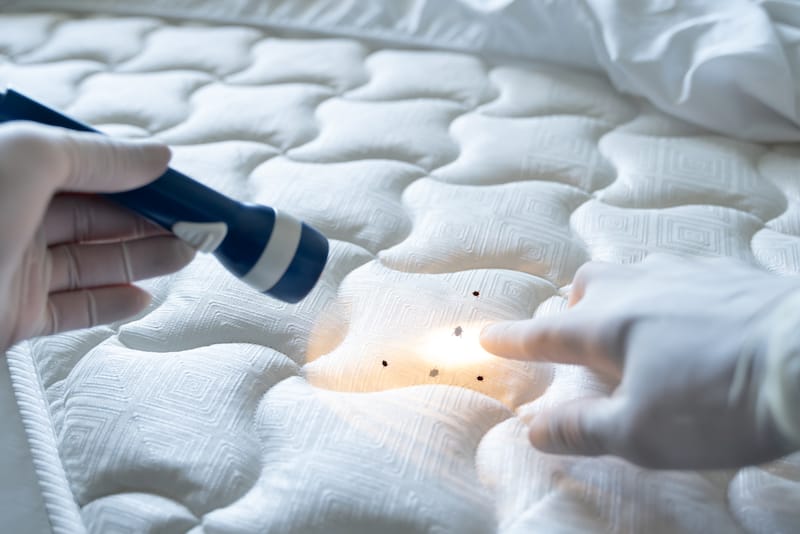
Start by pulling back the bedsheets and the mattress protector at the corners of the bed. You are looking for three specific things: live bugs, shed skins, and fecal spots. Live bedbugs are about the size and shape of an apple seed, reddish-brown in color, and flat. However, they are nocturnal and excellent at hiding, so you are more likely to find their “calling cards.” Fecal spots appear as tiny, dark brown or black dots that look like someone took a fine-tipped permanent marker to the fabric. Unlike dirt, these spots will smear if wiped with a damp cloth.
Inspecting Mattress Seams and Headboards
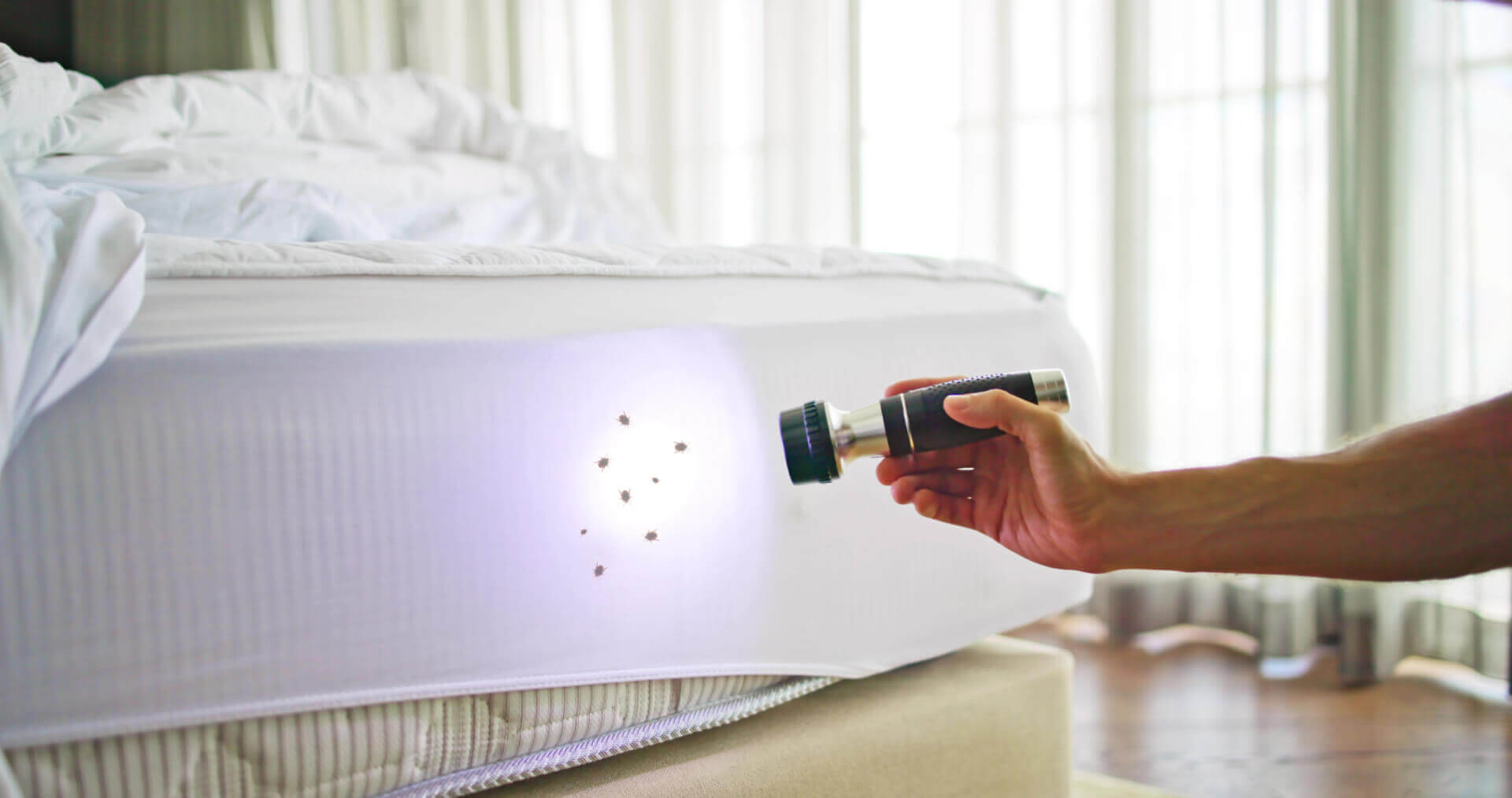
The most critical area to check is the piping or seams of the mattress. Use a flashlight (the one on your smartphone is sufficient) to peer into the folds of the fabric. Bedbugs love tight spaces where they feel “squeezed.” Run a credit card or a stiff piece of paper along the seam to dislodge any hidden debris.
Don’t stop at the mattress. In many hotels in Las Vegas or Tokyo, headboards are mounted directly to the wall. Use your light to check the gap between the headboard and the wall, as well as any decorative carvings or tufted buttons on upholstered headboards. These are prime hiding spots that are often overlooked during routine cleaning.
Beyond the Bed: Upholstered Chairs and Nightstands
While the bed is the focus, bedbugs can also reside in other furniture within the suite. Inspect the seams of upholstered armchairs and sofas. In high-traffic business hotels in Chicago or Frankfurt, desk chairs are another common hiding spot. Finally, open the drawers of the nightstands. Look at the joints of the wood and the undersides of the drawers. Even the “sanitized” remote control holder or the guest directory can harbor pests if the room has an active infestation.
Identifying Professional Signs of Infestation
To the untrained eye, a speck of dust might look like a bug. To accurately assess a hotel room, you must distinguish between common debris and biological evidence of Cimex lectularius (the common bedbug).
Shed Skins and Eggs
As bedbugs grow, they molt, leaving behind translucent, tan-colored exoskeletons that retain the shape of the bug. Finding these “shells” is a definitive sign of an active or recent infestation. Additionally, you may see eggs, which are tiny (about 1mm), pearly white, and usually laid in clusters. They are sticky and will adhere to surfaces like the underside of a mattress or the interior of a bed frame.
The “Sweet” Scent of a Problem
In cases of a significant infestation, a room may have a distinct biological odor. This is caused by the pheromones released by the insects. While a clean room in a Waldorf Astoria should smell of high-end toiletries or fresh air, a room with a pest problem might have a sickly-sweet, heavy scent. If you enter a room in Bangkok or Rome and the smell is immediately noticeable, it is wise to request a different room before even beginning your physical inspection.
What to Do If You Find Evidence
If your inspection reveals evidence of bedbugs, it is important to handle the situation with professional poise. Hotels, especially those managed by InterContinental Hotels Group or Accor, have strict protocols for dealing with such reports.
Communicating with Hotel Management
Immediately take clear photographs of the evidence you found. Do not attempt to catch the bugs or clean the area. Go to the front desk—do not call from the room phone if you can avoid it, as it’s better to speak privately—and calmly inform the manager on duty of your findings. A professional establishment will immediately offer to move you to a new room and will often take the affected room out of service for professional pest control treatment.
Requesting a Room Transfer: The Distance Rule
When moving rooms, the “Distance Rule” is vital. Bedbugs can travel through wall voids, electrical outlets, and along baseboards. Therefore, do not accept a room directly adjacent to, directly above, or directly below the infested room. Ideally, you should request a room at least two floors away or in a different wing of the building. If you are staying at a major landmark hotel like The Savoy or the Burj Al Arab, the staff will likely go above and beyond to ensure your new accommodation is pristine.
Post-Stay Prevention for the Savvy Traveler
The process of checking for bedbugs doesn’t end when you check out of your hotel in Sydney or Barcelona. The goal is to ensure you don’t bring any unwanted guests back to your home in the United States, Canada, or elsewhere.
Laundering Guidelines After Checking Out
Even if you found no evidence of bugs during your stay, it is a best practice to treat your clothes as if they were exposed. Upon returning home, take your luggage directly to the laundry room. Wash all clothing—including those you didn’t wear—on a hot cycle. The heat is what kills bedbugs and their eggs, not the water or detergent. For items that cannot be washed, a 30-minute stint in a hot dryer is usually sufficient to eliminate any hitchhikers.
Maintaining Hygiene Standards in Future Bookings
In the future, consider using hard-sided luggage, which has fewer seams and folds for bugs to hide in compared to fabric suitcases. You might also invest in dissolvable laundry bags; you can place your dirty clothes in these bags while at the hotel and then drop the entire bag into the washing machine when you get home. Whether you are visiting the Eiffel Tower or the Great Wall of China, maintaining these habits ensures that your travel memories are defined by the sights and flavors of the world, rather than the stress of a pest encounter.
By following these professional hotel inspection steps, you position yourself as a discerning guest who values both luxury and hygiene. A hotel room is your home away from home, and by taking a few minutes to verify its condition, you ensure that your stay—whether in France, Italy, or Mexico—remains as comfortable and safe as possible.
LifeOutOfTheBox is a participant in the Amazon Services LLC Associates Program, an affiliate advertising program designed to provide a means for sites to earn advertising fees by advertising and linking to Amazon.com. Amazon, the Amazon logo, AmazonSupply, and the AmazonSupply logo are trademarks of Amazon.com, Inc. or its affiliates. As an Amazon Associate we earn affiliate commissions from qualifying purchases.