
When checking into a luxury suite in New York City or a beachside villa in Bali, the primary expectation of any traveler is privacy. The sanctuary of a hotel room is meant to be a space where guests can unwind, work, and sleep without the intrusion of the outside world. However, as surveillance technology has become smaller and more affordable, concerns regarding unauthorized cameras have grown within the global hospitality industry. While reputable chains like Marriott and The Ritz-Carlton maintain stringent security protocols to protect guest integrity, it is becoming increasingly common for savvy travelers to perform their own sweeps upon arrival.
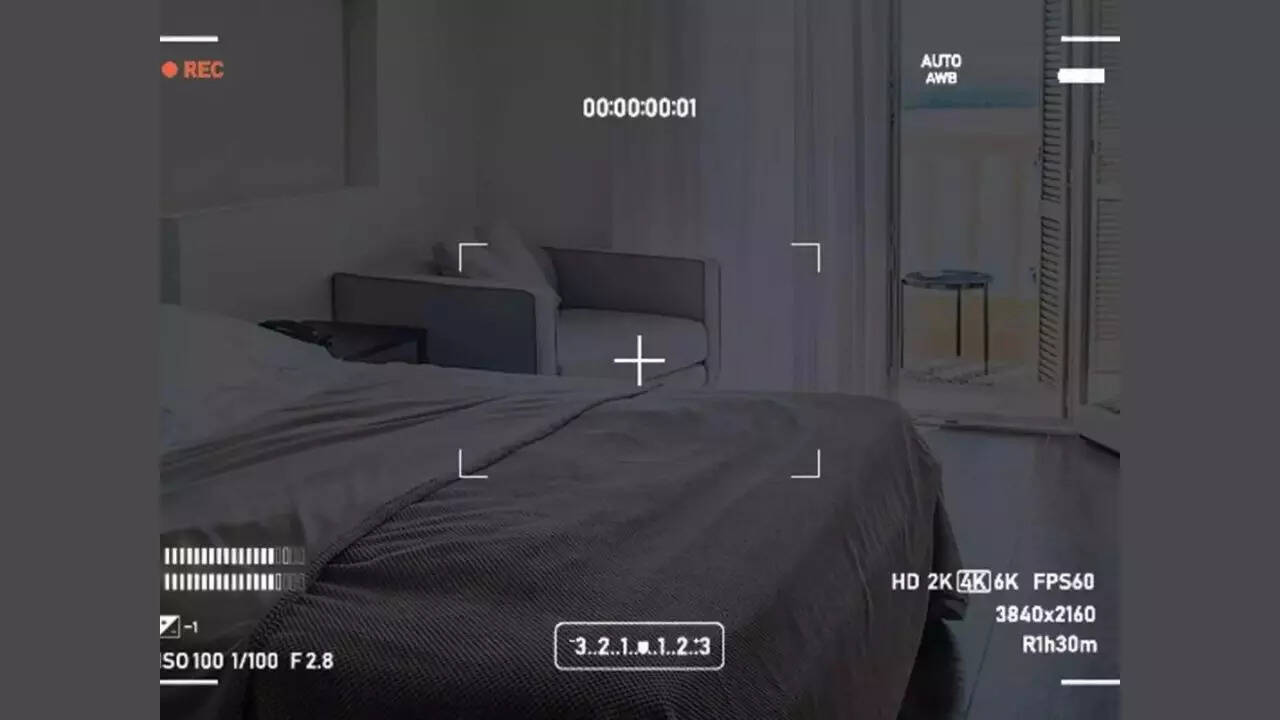
Understanding how to identify hidden surveillance devices is not about paranoia; it is about reclaiming personal agency in an era of digital transparency. Whether you are staying in a boutique apartment in London or a high-rise resort in Tokyo, these steps will ensure your stay remains private.
Conducting a Thorough Physical Inspection of Your Suite
The first line of defense against unwanted surveillance is a meticulous physical sweep. Most hidden cameras are placed in locations where they can capture the maximum field of view or focus on sensitive areas such as the bed or the bathroom. When you first enter your room in Paris or Rome, resist the urge to immediately unpack and instead spend ten minutes scanning the environment.
Common Hiding Spots and Electronics
Hidden cameras require two things to function effectively: a clear line of sight and, usually, a power source. This means that any electronic device provided by the hotel should be your first point of interest. In many Europe based hotels, bedside alarm clocks, USB charging hubs, and even digital thermostats are common culprits.
Examine any device that seems out of place or has an unusual lens-like reflection. Smoke detectors are also frequent hiding spots because they offer a bird’s-eye view of the entire room. While most modern hotels in North America use standard equipment, look for small, circular holes that do not match the rest of the casing.
Identifying Two-Way Mirrors
The “two-way mirror” is a classic concern for those staying in older establishments or certain themed resorts in Las Vegas. To test a mirror, use the “fingernail test”: place your fingernail against the surface of the glass. If there is a gap between your nail and its reflection, it is likely a standard mirror. If your nail touches its reflection directly, there is a possibility that it is a two-way mirror with an observation space behind it.
Additionally, turn off the lights and shine a bright flashlight against the glass. If it is a two-way mirror, the light will penetrate the silvering and reveal the hidden compartment or camera lens on the other side. This is a vital check in bathrooms and dressing areas of high-traffic Hotels.
Inspecting Room Amenities and Decor
Beyond electronics, cameras can be hidden in innocuous items like tissue boxes, wall art, or even clothes hooks. In a luxury resort in Dubai, the decor is often elaborate, providing many crevices for small devices. Check for any wires that seem to lead nowhere or small holes in the drywall. If a particular piece of furniture, such as a lamp or a localized air purifier, is positioned in an odd way—facing directly toward the bed—it warrants a closer look.
Utilizing Technology to Detect Surveillance
While the human eye is effective, some modern cameras are smaller than a shirt button and nearly impossible to see without assistance. Fortunately, the same technology used to create these devices can be used to find them. Travelers visiting tech-heavy hubs like Seoul or San Francisco often carry portable tools to aid in their security checks.
Smartphone Camera and Infrared Scans
Most hidden cameras use infrared (IR) light to record in low-light conditions. While the human eye cannot see IR light, the front-facing camera of most smartphones can. To perform an IR scan, close the curtains of your suite in Sydney until the room is completely dark. Open your phone’s camera app and scan the room slowly. If you see a pulsing or steady pinprick of violet or white light on your screen that isn’t visible to your naked eye, you may have found an IR-emitting camera.
Note that the rear cameras on some high-end phones, such as those sold in South Korea or the United States, often have IR filters. Always test your phone first by pointing it at a TV remote and pressing a button to see if the IR signal shows up on your screen.
Network Scanning Tools
Many modern “spy” cameras are connected to the hotel’s Wi-Fi to stream footage in real-time. If you are staying at an Airbnb or a private apartment in Berlin, you can use network scanning apps like Fing to see all devices connected to the local network.

Once connected to the guest Wi-Fi, run a scan. Look for device names that include keywords like “IP Camera,” “Cam,” or generic manufacturer names that seem suspicious. While large hotels in Singapore might have hundreds of devices on their network, making this method difficult, it is incredibly effective for smaller guest houses or private villas where the device list should be limited.
Professional RF Detectors
For frequent business travelers or those visiting sensitive locations in China or Russia, investing in a portable Radio Frequency (RF) detector is a wise choice. These devices beep or vibrate when they get close to a device emitting an active signal. By moving the detector around the room, particularly near vents and electronic clusters, you can pinpoint the exact location of a transmitting camera. This is the gold standard for privacy in the global Tourism sector.
Understanding Guest Privacy Rights and Legal Frameworks
Privacy laws vary significantly depending on which corner of the globe you are visiting. In the European Union, the General Data Protection Regulation (GDPR) provides some of the world’s strongest privacy protections, making unauthorized recording a serious criminal offense. Conversely, in other regions, the legalities can be murkier.
Global Hospitality Standards
Most major international hotel brands, such as Hilton and Hyatt, have strict corporate policies against cameras in guest rooms. These companies understand that a single privacy scandal can cause irreparable damage to their brand across Asia and Europe. When you book a room in a reputable establishment, you are protected not just by local law, but by corporate liability.
However, the rise of the sharing economy in cities like Barcelona or Amsterdam has created a grey area. While platforms have banned indoor cameras, enforcement relies heavily on guest reports. Understanding the local laws of the country you are in, such as France or Spain, can help you understand your recourse if a device is found.
What to Do If You Find a Device
If you discover a hidden camera in your room in Mexico City or Toronto, the first step is to document it. Take photos and videos of the device and its location. Do not touch or dismantle it, as it may contain fingerprint evidence.
Immediately contact the hotel management and, more importantly, the local police. In many jurisdictions like the United Kingdom, this is considered a felony. Once the authorities are involved, contact your embassy if you are traveling internationally in a country like Vietnam or Thailand. Never agree to a simple room change or a refund as a way to “hush” the situation; reporting ensures the safety of future travelers.
Maintaining Privacy in High-Profile Destinations
Certain destinations require a higher level of vigilance due to their history of surveillance or the nature of their Tourism infrastructure. Whether you are in a bustling metropolis or a secluded island, maintaining a routine for privacy check-ins is essential.
Staying in Luxury Resorts
Luxury resorts in the Maldives or the Seychelles often feature open-air designs and expansive glass walls. While these are aesthetically pleasing, they can occasionally lead to privacy lapses. In these high-end environments, the risk is less about the hotel itself and more about external voyeurism. Always ensure that automated blinds are fully functional and that “private” pools are truly shielded from neighboring villas or public pathways.
Urban Stays in Major Hubs
In dense cities like Hong Kong or Chicago, hotel rooms are often packed tightly together. This proximity increases the likelihood of accidental or intentional privacy breaches. When staying in high-rise Hotels, be aware of the “telescope effect” from neighboring buildings. Even if your room is free of cameras, your windows might not be as private as they seem.
Best Practices for Long-Term Stays
For those utilizing Accommodation for long-term stays in Portugal or Greece, the risk profile changes. Over weeks or months, the opportunity for someone to access your room increases. Using a portable door lock and a small travel safe for your own electronics can provide an extra layer of security. Furthermore, if you are working remotely from a suite in Canada, always use a VPN to protect your digital data, as physical cameras are only one part of the modern privacy puzzle.

Conclusion: Empowerment Through Awareness
Traveling the world and exploring Landmarks like the Eiffel Tower or the Colosseum should be an enriching and stress-free experience. While the idea of hidden cameras is unsettling, being equipped with the knowledge to detect them turns a potential vulnerability into a position of strength. By combining a physical sweep, the use of simple smartphone technology, and an understanding of your legal rights, you can ensure that your stay in any Hotel remains exactly what it was meant to be: private, secure, and relaxing.
Whether you are navigating the historic streets of Prague or the neon-lit avenues of Shinjuku, your safety is in your hands. Always trust your instincts—if a room feels “off,” it is worth the extra five minutes to check. Your peace of mind is the most important amenity any destination can offer.
LifeOutOfTheBox is a participant in the Amazon Services LLC Associates Program, an affiliate advertising program designed to provide a means for sites to earn advertising fees by advertising and linking to Amazon.com. Amazon, the Amazon logo, AmazonSupply, and the AmazonSupply logo are trademarks of Amazon.com, Inc. or its affiliates. As an Amazon Associate we earn affiliate commissions from qualifying purchases.