
Checking into a luxury suite in New York City or a beachside resort in Miami should be the start of a relaxing experience. However, many travelers find themselves frustrated when the in-room climate control refuses to budge below 72 degrees Fahrenheit or shuts off entirely in the middle of the night. This is a common feature in modern hospitality establishments, from the Hilton to the Marriott, designed to maximize energy efficiency. While sustainability is a noble goal, it often comes at the cost of guest comfort. Understanding how to navigate these systems allows you to reclaim control over your environment and ensure a restful night’s sleep.

The Mechanics of Hotel Temperature Control Systems
Before attempting to override a system, it is essential to understand why it is behaving the way it is. Most high-end properties in cities like London or Tokyo utilize sophisticated Energy Management Systems (EMS). These are not merely thermometers but integrated network nodes that communicate with the hotel’s central building management software.
Passive Infrared (PIR) Sensors
The most common culprit for a middle-of-the-night temperature spike is the Passive Infrared (PIR) sensor. These sensors are often built into the face of the thermostat or mounted on a wall near the entry door. They detect motion and heat signatures to determine if a guest is present. If you are sleeping soundly and not moving, the sensor may decide the room is vacant, shifting the HVAC unit into “unoccupied mode,” which allows the temperature to drift to a more energy-efficient (and often uncomfortable) level. This technology is prevalent in many Sheraton and Westin properties across the United States.
Networked Energy Management
In more advanced installations, such as those found at the Burj Al Arab in Dubai or the Wynn Las Vegas, the thermostats are part of a larger network. These systems can be programmed with “hard limits.” No matter how many times you press the “down” button, the software is instructed to ignore requests below a certain threshold. These limits are often set by corporate headquarters to reduce the carbon footprint of the brand, a trend seen globally from France to Japan.
Step-by-Step Instructions for Common Brands
If you find yourself in a room that is too warm, there are several “VIP” or “Maintenance” modes you can trigger. These sequences vary by manufacturer but are generally consistent across the industry.
Overriding Inncom Systems
Inncom by Honeywell is perhaps the most widely used thermostat in the hotel industry, frequently found in InterContinental and Hyatt hotels. To enter the override mode on most digital Inncom units:
- Hold down the “Display” button.
- While holding “Display,” press the “Off” button.
- Release both, then immediately press the “Up” arrow button.
- The screen should display “VIP,” indicating that the motion sensor and temperature limits have been bypassed.
This mode typically lasts for 48 to 72 hours, which is usually sufficient for a standard stay in Paris or Singapore.
Managing Honeywell Digital Controls
Standard Honeywell digital units, common in Holiday Inn and Hampton Inn locations, often use a different sequence. If the buttons are unresponsive to lower temperatures:
- Hold the “Center” button on the bottom of the screen (if it is a touchscreen) or the “Display” button.
- Hold the “Off” and “Up” buttons simultaneously.
- This often triggers a “Test” mode or a “Set-up” mode where you can manually adjust the cooling and heating setpoints.
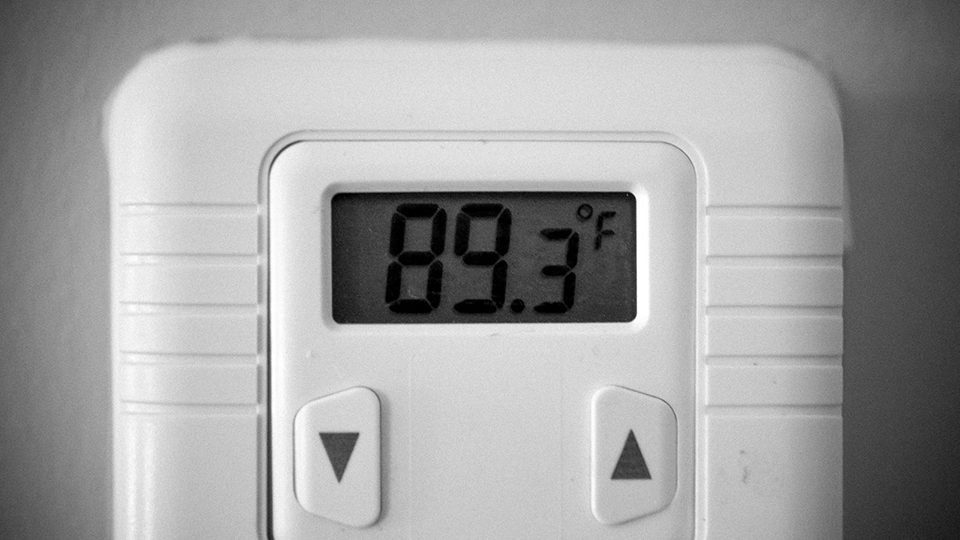
Be cautious with these settings; setting a unit to 50 degrees in a humid climate like Orlando can cause the coils to freeze, resulting in a total system failure.
Bypassing Schneider Electric and GE Units
For systems manufactured by Schneider Electric, often found in European boutiques in Italy or Germany, the override often involves a long press of the “Eco” button until the leaf icon disappears. For GE PTAC units (the large units under the window), there is often a physical switch behind the front plastic panel. If you carefully pop the cover off, you may see small dip switches. Toggling switch number five or six often disables the remote thermostat control, allowing you to use the physical knobs on the unit itself.
Low-Tech Hacks for Stubborn Sensors
Sometimes, the software is too locked down for a button-press sequence to work. In these cases, guests at properties like the Bellagio in Las Vegas or the Ritz-Carlton in Chicago have developed creative physical workarounds.
The Balloon and Fan Strategy
If the issue is a motion sensor that turns the AC off while you sleep, the goal is to create “ghost movement.” A common trick involves purchasing a Mylar balloon filled with helium and tying it to a chair in the line of sight of the sensor. The slight air currents from the AC will cause the balloon to bob and weave, tricking the PIR sensor into thinking there is a person moving in the room. Alternatively, placing a small oscillating fan in front of the sensor can sometimes register enough thermal variance to keep the system active.
Defeating the “Balcony Door” Cut-off Switch
Many resorts in Mexico or Spain use magnetic reed switches on balcony doors. If the door is open even a fraction of an inch, the AC is killed instantly. If the sensor is misaligned, your AC might stay off even when the door is closed. A strong magnet placed over the sensor on the door frame can trick the system into believing the door is shut, allowing the unit to run. This is a popular fix for travelers staying at luxury villas in Bali or Greece.
Why Hotels Restrict Your Comfort
While it can feel like a personal affront when your room in Hong Kong is too warm, these restrictions are driven by complex operational requirements. Understanding the “why” can help you communicate more effectively with front desk staff if your override attempts fail.
Sustainability Initiatives in Major Chains
Global brands are under immense pressure to meet ESG (Environmental, Social, and Governance) targets. Organizations like Accor and Four Seasons have committed to significant carbon reduction goals. In a hotel with 500 rooms, raising the default temperature by just two degrees can save thousands of dollars in utility costs and prevent tons of CO2 emissions annually. When you are in a city like San Francisco or Vancouver, these green policies are often strictly enforced.
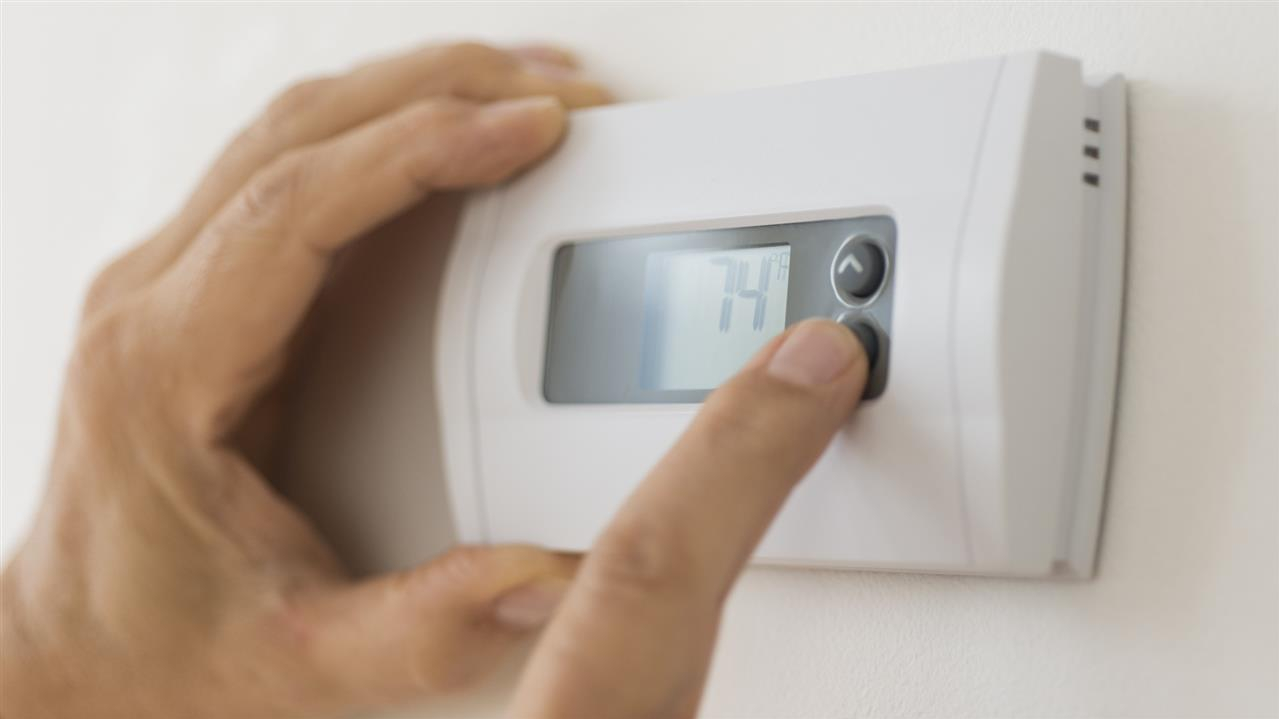
Operational Costs and Equipment Longevity
Beyond the environment, there is the issue of mechanical wear and tear. If every guest at the MGM Grand set their thermostat to 60 degrees during a heatwave in Nevada, the building’s chillers would likely fail under the load. By limiting the range of the thermostats, engineers can ensure the longevity of the HVAC hardware.
If you find that the “hacks” are not working, the best professional approach is to call the front desk. Many hotels have the ability to remotely override individual room settings from their central computer. Simply stating that you have a medical condition that requires a cooler environment (such as sleep apnea or a tendency to overheat) will often prompt the engineering team at a Fairmont or St Regis to adjust your room’s parameters centrally, bypassing the wall unit entirely.
Ultimately, mastering the hotel thermostat is about finding the balance between personal preference and the technical limitations of the property. Whether you are staying in a historic building in Rome or a futuristic tower in Shanghai, these insights ensure that you remain the master of your own environment, regardless of the factory settings.
LifeOutOfTheBox is a participant in the Amazon Services LLC Associates Program, an affiliate advertising program designed to provide a means for sites to earn advertising fees by advertising and linking to Amazon.com. Amazon, the Amazon logo, AmazonSupply, and the AmazonSupply logo are trademarks of Amazon.com, Inc. or its affiliates. As an Amazon Associate we earn affiliate commissions from qualifying purchases.