
When navigating the vast world of the hospitality industry, travelers often encounter a complex web of brand ownership and corporate hierarchies. One of the most common questions that arises among frequent guests and occasional vacationers alike is: Is Hampton Inn part of Hilton Hotels? The short and definitive answer is yes. Hampton Inn, which has transitioned into the more globalized branding of Hampton by Hilton, is a cornerstone of the Hilton Worldwide portfolio.
Understanding this relationship is crucial for travelers who want to maximize their loyalty benefits, understand the standards of service they can expect, and navigate the various tiers of accommodation available within a single corporate family. As an upper-midscale brand, Hampton by Hilton offers a specific value proposition that balances affordability with the high standards associated with the Hilton name.

Understanding the Corporate Relationship Between Hampton by Hilton and Hilton Worldwide
The story of how Hampton Inn became a part of the Hilton family is a fascinating journey through the evolution of the modern hotel industry. It involves strategic acquisitions and a shift in branding that has allowed the brand to grow from a regional player to a global powerhouse.
The Acquisition of Promus Hotel Corporation
The integration of Hampton Inn into the Hilton portfolio was finalized in 1999. At that time, Hilton Hotels Corporation acquired the Promus Hotel Corporation for approximately $3.7 billion. This landmark deal was one of the most significant in hospitality history, as it brought several well-established brands under the Hilton umbrella, including DoubleTree by Hilton, Embassy Suites by Hilton, and Homewood Suites by Hilton.
Before this acquisition, Hampton Inn had already established itself as a leader in the midscale segment. Originally founded in 1984 in Memphis, Tennessee, as a budget-friendly alternative to Holiday Inn, the brand quickly gained popularity for its consistent quality and innovative features. By bringing it into the Hilton Worldwide ecosystem, Hilton was able to provide a comprehensive range of options for every type of traveler, from luxury seekers to budget-conscious business professionals.
The Rebranding to Hampton by Hilton
While many travelers still refer to the brand simply as “Hampton Inn,” a significant rebranding effort began in the mid-2000s to align the brand more closely with its parent company on an international scale. This led to the adoption of the name Hampton by Hilton.
This name change served two purposes. First, it reinforced the quality guarantee and the backing of the Hilton corporate standard for guests who might not have been aware of the connection. Second, it facilitated smoother expansion into markets outside of the United States, such as Europe and Asia, where the Hilton name carried immense prestige and recognition. Today, whether you are staying at a property in London, Dubai, or Shanghai, the brand identity is unified and clear.
Distinctive Features and Amenities of the Hampton Inn Experience
What makes Hampton Inn stand out within the Hilton Worldwide portfolio is its unwavering commitment to a specific set of guest expectations. While Conrad Hotels & Resorts focuses on luxury and Tru by Hilton targets a younger, minimalist demographic, Hampton occupies the “Upper Midscale” niche.
The “Hamptonality” Culture
One of the most unique aspects of this brand is its service philosophy, known internally and externally as “Hamptonality.” This is not just a marketing buzzword; it represents a culture of being friendly, authentic, and proactive in meeting guest needs. The staff at Hampton by Hilton properties are trained to provide a warm welcome that makes the hotel feel like a “home away from home.”
This culture is supported by the famous “100% Hampton Guarantee.” This policy states that if a guest is not 100% satisfied with their stay, they are not expected to pay. This bold commitment to quality control is a rarity in the industry and has been a primary driver of the brand’s exceptionally high guest loyalty scores. It ensures that every property, from a roadside stop in Texas to a city-center location in Berlin, maintains a high level of operational excellence.
Signature Amenities: From Hot Breakfast to Cloud Nine Beds
Hampton Inn was a pioneer in offering amenities that are now considered industry standards. Perhaps their most famous offering is the free hot breakfast. Recognizing that travelers value convenience and value, the brand provides a rotating menu of breakfast items, including their signature “make-your-own” waffles, at no extra cost to the guest.
In addition to the breakfast, the brand introduced the “Clean and Fresh Hampton Bed” (often referred to as the Cloud Nine bed). This initiative focused on providing a premium sleep experience with high-thread-count linens and a duvet cover that is laundered fresh for every new guest—a standard that was revolutionary for the midscale segment when it was first introduced. Other key amenities include:
- Free Wi-Fi: High-speed internet is a standard inclusion at every property.
- Fitness Centers and Pools: Most locations feature well-maintained exercise facilities and swimming pools.
- Business Centers: 24-hour access to computers and printing services for the traveling professional.
- Digital Key: As part of the Hilton ecosystem, guests can use the Hilton Honors app to check in and unlock their rooms via smartphone.
Comparing Hampton Inn with Other Hilton Worldwide Brands
To fully appreciate the role of Hampton Inn, it is helpful to see where it sits in the broader hierarchy of Hilton Worldwide. Hilton manages a diverse collection of brands designed to capture different segments of the market.
Positioning Within the Hilton Portfolio
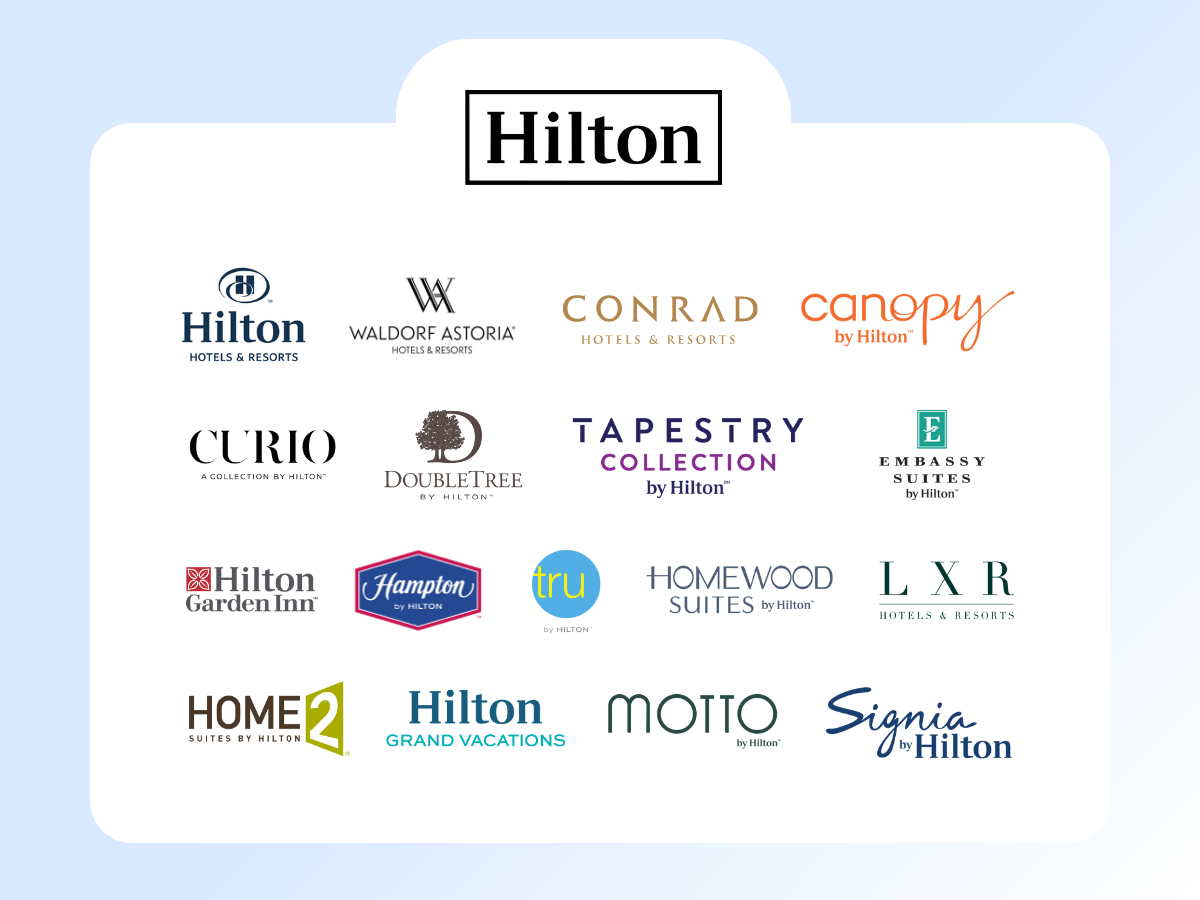
Hilton Worldwide categorizes its brands into several tiers. Waldorf Astoria Hotels & Resorts and LXR Hotels & Resorts represent the pinnacle of luxury. Hilton Hotels & Resorts serves as the flagship full-service brand. Hilton Garden Inn is often compared to Hampton, but there is a key distinction: Hilton Garden Inn usually features a full-service restaurant and bar, whereas Hampton by Hilton focuses on the “limited service” model with complimentary breakfast and a snack shop.
For those seeking extended stays, Homewood Suites by Hilton and Home2 Suites by Hilton provide apartment-style living. Meanwhile, lifestyle brands like Canopy by Hilton and Motto by Hilton offer more localized, boutique experiences. Within this ecosystem, Hampton Inn is the “reliable workhorse”—the brand that offers the most consistent experience at a price point that appeals to both families and corporate travelers.
Hilton Honors Benefits at Hampton Properties
One of the greatest advantages of Hampton Inn being part of Hilton is the integration with the Hilton Honors loyalty program. Guests staying at any Hampton by Hilton location earn points that can be redeemed for free nights at any of the 7,000+ properties across the globe, including high-end resorts in the Maldives or Bora Bora.
Elite members of the Hilton Honors program enjoy additional perks at Hampton properties, such as:
- Space-available Room Upgrades: Silver, Gold, and Diamond members may receive better room views or larger layouts.
- Bonus Points: Earning extra points on every dollar spent during the stay.
- MyWay Benefits: Choosing between bonus points or specific snack/drink amenities upon arrival.
- Late Checkout: Flexibility for those who need a few extra hours before heading to the airport.
Global Presence and Expansion of the Brand
While it started as a local United States brand, Hampton by Hilton has become one of the fastest-growing hotel franchises in the world. Its success is rooted in its ability to adapt to different cultures while maintaining its core brand identity.
From North America to the Rest of the World
In North America, Hampton Inn properties are ubiquitous. You can find them in major metropolitan areas like New York City and Chicago, as well as in smaller towns across Canada and Mexico. However, the brand’s international expansion has been equally impressive.
In the United Kingdom, Hampton by Hilton has established a massive footprint, particularly near major transport hubs like Heathrow Airport. In Germany, the brand is a favorite for business travelers looking for efficiency. More recently, China has become a major growth engine for the brand. Through a strategic partnership with Plateno Group, Hilton has opened hundreds of Hampton properties across the country, catering to the booming middle-class domestic travel market.
Consistency and Reliability Across Different Geographies
The challenge of being part of a massive group like Hilton Worldwide is ensuring that a guest in Warsaw receives the same quality of sleep and service as a guest in Orlando. Hampton manages this through strict brand standards. While the architecture might change—ranging from modern high-rises in South America to converted historic buildings in Europe—the interior experience remains remarkably consistent.
This reliability is a key factor in why Hampton Inn is often the top choice for business travelers who are more concerned with a good night’s sleep and a fast breakfast than with flashy lobby bars or spa services. When you see the Hilton logo attached to the Hampton name, it acts as a seal of approval that transcends borders.

The Future of Hampton Inn in the Modern Hospitality Landscape
As the travel industry continues to evolve, Hampton by Hilton is not standing still. Being part of the Hilton family means the brand has access to world-class technology and market research that allows it to stay ahead of trends.
Recent years have seen a “freshening up” of the brand’s interior design. Newer properties feature “The Hub,” a multi-functional lobby space designed for both socializing and working, reflecting the rise of the “bleisure” (business and leisure) traveler. Furthermore, the brand is increasingly focusing on sustainability, implementing eco-friendly practices in line with Hilton Worldwide’s “Travel with Purpose” goals. This includes reducing plastic waste and improving energy efficiency across its global portfolio, from Australia to Africa.
In conclusion, Hampton Inn is much more than just a subsidiary of Hilton Hotels; it is a vital component of the company’s identity and global strategy. For the guest, this relationship offers the best of both worlds: the approachable price and friendly atmosphere of a midscale hotel, combined with the power, reliability, and rewards of one of the world’s most prestigious hotel corporations. Whether you are traveling for a meeting in Tokyo or a family reunion in Florida, the Hampton by Hilton brand stands ready to deliver a consistent and high-quality experience.
LifeOutOfTheBox is a participant in the Amazon Services LLC Associates Program, an affiliate advertising program designed to provide a means for sites to earn advertising fees by advertising and linking to Amazon.com. Amazon, the Amazon logo, AmazonSupply, and the AmazonSupply logo are trademarks of Amazon.com, Inc. or its affiliates. As an Amazon Associate we earn affiliate commissions from qualifying purchases.