
Navigating the various meal plans offered by the hospitality industry can often feel like deciphering a complex code. When booking a stay at a luxury resort or a boutique establishment, travelers are frequently presented with options such as “Bed and Breakfast,” “Full Board,” “All-Inclusive,” and the often-misunderstood “Half Board.” Understanding exactly what these terms entail is essential for planning both your daily itinerary and your travel budget.
In the context of modern hospitality, Half Board is a middle-ground meal plan designed to offer convenience without tethering the guest to the hotel for every single meal. It provides a structured dining experience that appeals to those who want a predictable start and end to their day while maintaining the freedom to explore local culinary scenes during the afternoon. To truly appreciate the value of this arrangement, one must look closely at how it functions, what is typically included, and how it varies across different global regions.
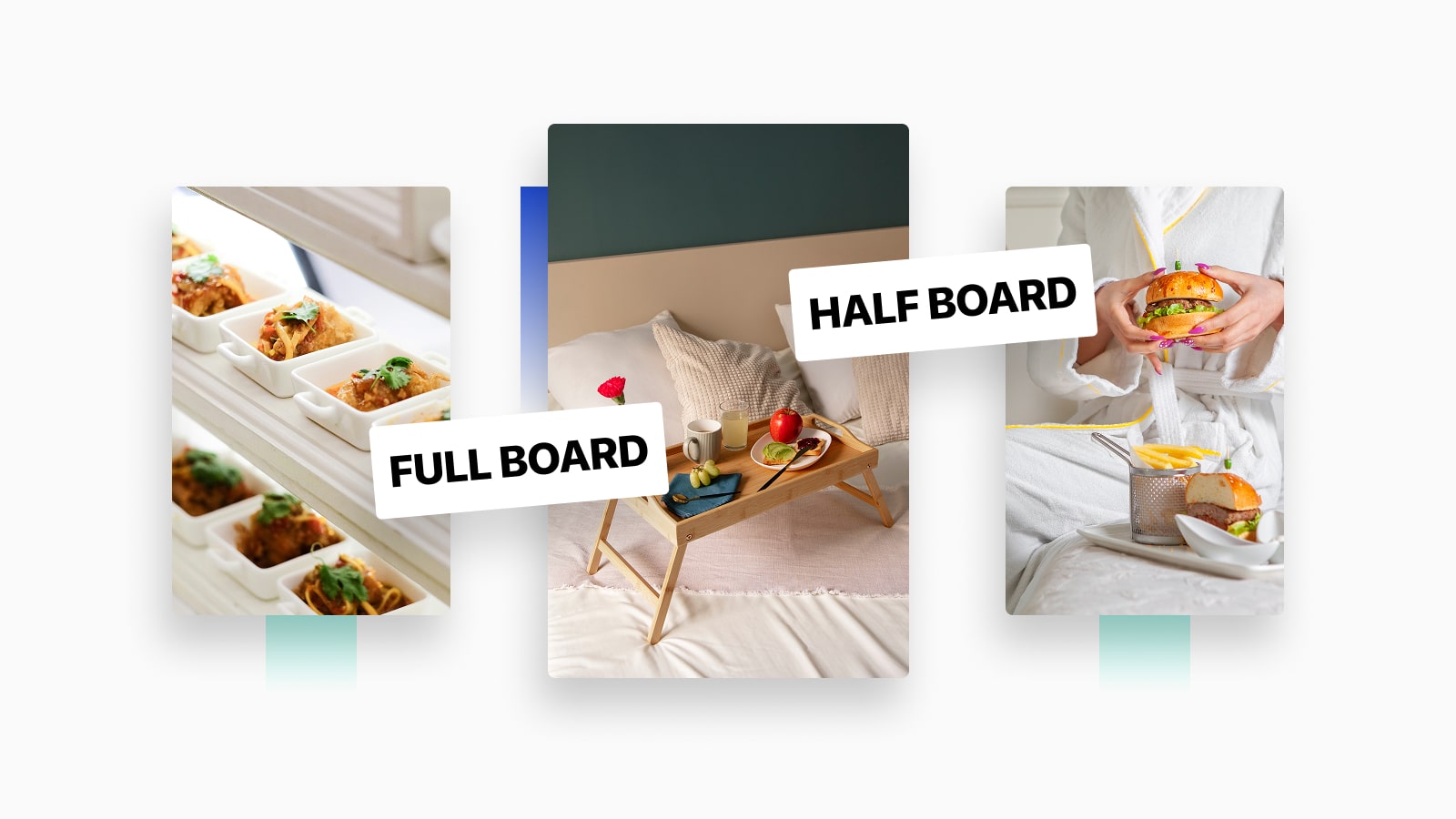
The Mechanics of Half Board Accommodations
At its core, a Half Board arrangement includes two meals a day within the price of the room. Traditionally, these two meals are breakfast and dinner. This structure is designed to accommodate the typical rhythm of a traveler: a hearty meal to begin the day, a period of exploration or relaxation during the midday hours, and a return to the hotel for a formal evening meal.
The Breakfast Experience
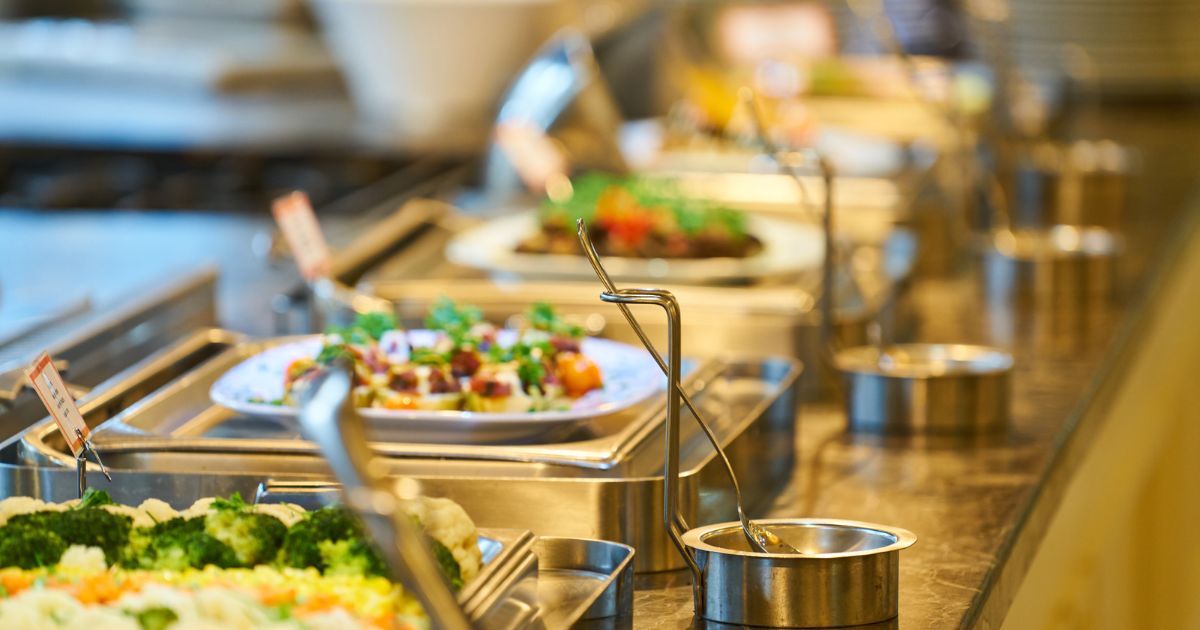
In most reputable establishments, such as the Marriott or the Hilton, the breakfast portion of a Half Board plan is usually served as an extensive buffet. Guests can expect a range of international options, from continental selections like pastries and fruit to hot stations featuring eggs, meats, and regional specialties. Because breakfast is the “anchor” meal of the day, hotels often put significant effort into this offering to ensure guests start their morning satisfied.
The Dinner Selection: Buffet vs. A La Carte
The evening meal is where Half Board plans can vary significantly. Some resorts, particularly large-scale operations in Spain or Turkey, utilize a buffet system for dinner. This allows for maximum variety and speed. Conversely, high-end boutique hotels or luxury properties like the Burj Al Arab may offer a “set menu” or a credit towards their a la carte menu. It is important to note that even if a hotel offers multiple dining venues, a Half Board plan might be restricted to the “main” restaurant unless otherwise specified.
Flexibility and Substitutions
While the standard is breakfast and dinner, some hotels allow guests to swap dinner for lunch. This is particularly common in business-centric cities like London or New York, where travelers might have evening social engagements or theater tickets and prefer to eat their inclusive meal during the day. However, this flexibility is not universal, and guests should always verify the policy at the front desk upon check-in.
Comparing Board Types: Half Board vs. The Alternatives
To determine if Half Board is the right choice for your next trip to Italy or Greece, it is helpful to compare it against the other common meal plans found in the hotel industry.
Bed and Breakfast (B&B)
The most basic tier above a room-only booking is Bed and Breakfast. This plan includes only the morning meal. It offers the ultimate flexibility, as you are not incentivized to return to the hotel at any specific time. This is ideal for city breaks in places like Paris or Tokyo, where the city itself is a gastronomic playground that you will want to explore without restriction.
Full Board
Full Board includes three meals: breakfast, lunch, and dinner. While this provides even more financial predictability, it can feel restrictive. If you are staying at a remote resort in the Maldives, Full Board makes sense because there are few off-site dining options. However, for a traveler in a culturally rich area, Full Board often leads to “dining fatigue,” where the guest feels obligated to return to the hotel three times a day, potentially missing out on local experiences.
All-Inclusive
The All-Inclusive model, popularized by mega-resorts in Mexico and the Dominican Republic, goes a step beyond Full Board by including all snacks and, most importantly, alcoholic and non-alcoholic beverages throughout the day. Half Board is often preferred by those who find All-Inclusive packages too expensive or who do not consume enough alcohol to justify the premium price of an all-in rate.
Strategic Advantages of the Half Board Model

Choosing Half Board is a strategic decision that balances economics with the desire for a high-quality travel experience. It is particularly popular among specific demographics and for certain types of vacations.
Financial Predictability and Budgeting
One of the primary drivers for choosing Half Board is cost control. By prepaying for two major meals, you significantly reduce your “out-of-pocket” expenses during the trip. In expensive destinations like Switzerland or Norway, where restaurant prices can be staggering, the value of a prepaid hotel dinner cannot be overstated. It allows families and budget-conscious travelers to enjoy high-quality dining without the stress of converting currencies and calculating tips at every meal.
Encouraging Local Exploration
Half Board is often called the “explorer’s choice.” Because lunch is not included, guests are encouraged to venture out of the hotel grounds during the peak daylight hours. Whether you are hiking in the Alps or visiting the Colosseum in Rome, you can stop at a local taverna, a street food stall, or a charming café for a light lunch. This provides a taste of the local culture without the commitment of finding a dinner spot after a long day of sightseeing.
Ideal for Activity-Based Holidays
For certain types of trips, Half Board is the most logical fit. Consider a skiing holiday in Chamonix or Aspen. Skier’s generally spend their entire day on the slopes, making a hotel lunch impossible. A large breakfast before hitting the lifts and a warm, sit-down dinner upon returning to the lodge is the perfect cadence for the day. Similarly, for hikers or those on guided day tours in Egypt, the Half Board structure matches their natural itinerary.
What to Watch Out For: Potential Pitfalls and Extra Costs
While Half Board offers many benefits, it is not without its nuances. Travelers should read the fine print to avoid unexpected charges that can quickly inflate a “budget-friendly” booking.
The “Drink” Trap
Perhaps the most common surprise for Half Board guests is that beverages are rarely included in the evening meal. While coffee, tea, and juice are usually standard during breakfast, you will likely be charged for water, soda, wine, or beer during dinner. In some high-end resorts in Dubai, the cost of a large bottle of sparkling water can be surprisingly high, potentially offsetting the savings of the meal plan itself.
Menu Restrictions and “Supplements”
In hotels that offer a mix of buffet and a la carte dining, Half Board guests may be given a limited menu. If you wish to order a premium item—such as lobster, prime aged steak, or certain imported delicacies—you may be asked to pay a “supplement.” This is a partial charge that covers the difference between the standard meal cost and the luxury item. Always check the menu for small icons or notations indicating which dishes are included in your plan.
Timing and Punctuality
Hotels operate on strict schedules for their dining rooms. If your tour of the Eiffel Tower runs late and you miss the dinner service window (which often ends between 9:00 PM and 10:00 PM), you generally forfeit that meal. Most hotels do not offer refunds or credits for missed meals, although some may provide a cold “late plate” if notified in advance.
Maximizing Your Experience in Top Global Destinations
The value of Half Board varies depending on where in the world you are staying. Understanding the local context helps in deciding whether to opt for this meal plan.
The Mediterranean Experience
In countries like Portugal and Cyprus, the Mediterranean lifestyle often involves late dinners. However, hotel buffets might cater to a more international schedule. If you are a foodie who wants to experience the vibrant nightlife and late-night dining culture of Barcelona, Half Board might actually hinder your experience. However, if you are staying at a secluded resort on the island of Crete, it is an excellent way to ensure quality meals without constant travel.
Island Resorts and Remote Locations
In destinations like the Seychelles or remote parts of Thailand, the hotel might be the only reputable dining option within a several-mile radius. In these instances, Half Board is almost a necessity. It ensures you are fed twice a day while allowing you to take a boat trip or a jungle trek during the day, perhaps enjoying a simple packed lunch or a local beach shack meal in between.
Family Travel Considerations
For those traveling with children, Half Board is often a lifesaver. Families staying at a resort like Disneyland Paris benefit from the structure. Knowing that breakfast is handled and that a variety of kid-friendly options will be available at dinner reduces the logistical stress of traveling with picky eaters. It also allows parents to budget accurately for a group, which is often the most challenging part of family vacations.
In conclusion, Half Board is a versatile and often cost-effective way to experience a hotel stay. It provides the security of two daily meals while preserving the freedom to engage with the destination’s local flavors. By understanding the inclusions, being aware of the potential for extra beverage costs, and matching the plan to your specific travel style, you can ensure a seamless and enjoyable stay at any hotel worldwide. Whether you are basking in the sun in Fiji or exploring the historic streets of Prague, the Half Board option remains a cornerstone of the modern hospitality experience.
LifeOutOfTheBox is a participant in the Amazon Services LLC Associates Program, an affiliate advertising program designed to provide a means for sites to earn advertising fees by advertising and linking to Amazon.com. Amazon, the Amazon logo, AmazonSupply, and the AmazonSupply logo are trademarks of Amazon.com, Inc. or its affiliates. As an Amazon Associate we earn affiliate commissions from qualifying purchases.