
When considering a visit to Detroit, the vibrant heart of Michigan, one of the initial logistical questions that often arises pertains to the local time. Beyond merely knowing the current hour, understanding Detroit’s temporal rhythm is key to seamlessly planning a trip, from coordinating business meetings to maximizing leisure time exploring the city’s rich history, burgeoning culinary scene, and diverse attractions. Detroit, often affectionately called the Motor City, operates within the Eastern Time Zone, a crucial detail for any traveler, but the concept of “time” in Detroit extends far beyond a simple clock reading. It encompasses the optimal seasons for travel, the lively schedules of its cultural institutions, the bustling hours of its unique markets, and the pace of life that defines its character.
This article delves into not just the practical aspects of Detroit’s time zone but also explores the best times to visit, what to see and do while you’re there, where to find the perfect accommodation, and how to embrace the distinct lifestyle that makes Detroit a compelling destination. Whether you’re planning a weekend getaway, an extended business stay, or a deep dive into American history and innovation, understanding the pulse of Detroit is your first step towards an unforgettable experience.
Understanding Detroit’s Clock: The Eastern Time Zone
Detroit, like the vast majority of Michigan, adheres to the Eastern Time Zone (ET). This means that during standard time, it is Eastern Standard Time (EST), which is five hours behind Coordinated Universal Time (UTC-5). When Daylight Saving Time is observed, the clocks spring forward an hour, shifting to Eastern Daylight Time (EDT), which is four hours behind UTC (UTC-4). This biannual adjustment is a common practice across many parts of the United States and Canada, primarily aimed at making better use of daylight.
For travelers arriving from other time zones, particularly those from the Central, Mountain, or Pacific Time Zones, adjusting to ET is a key part of travel planning. A seamless transition ensures you won’t miss out on pre-booked tours, dining reservations, or important meetings. Similarly, for international visitors, particularly from Europe or Asia, the time difference can be substantial, necessitating careful planning for communications and arrival schedules.
Daylight Saving Time in Michigan
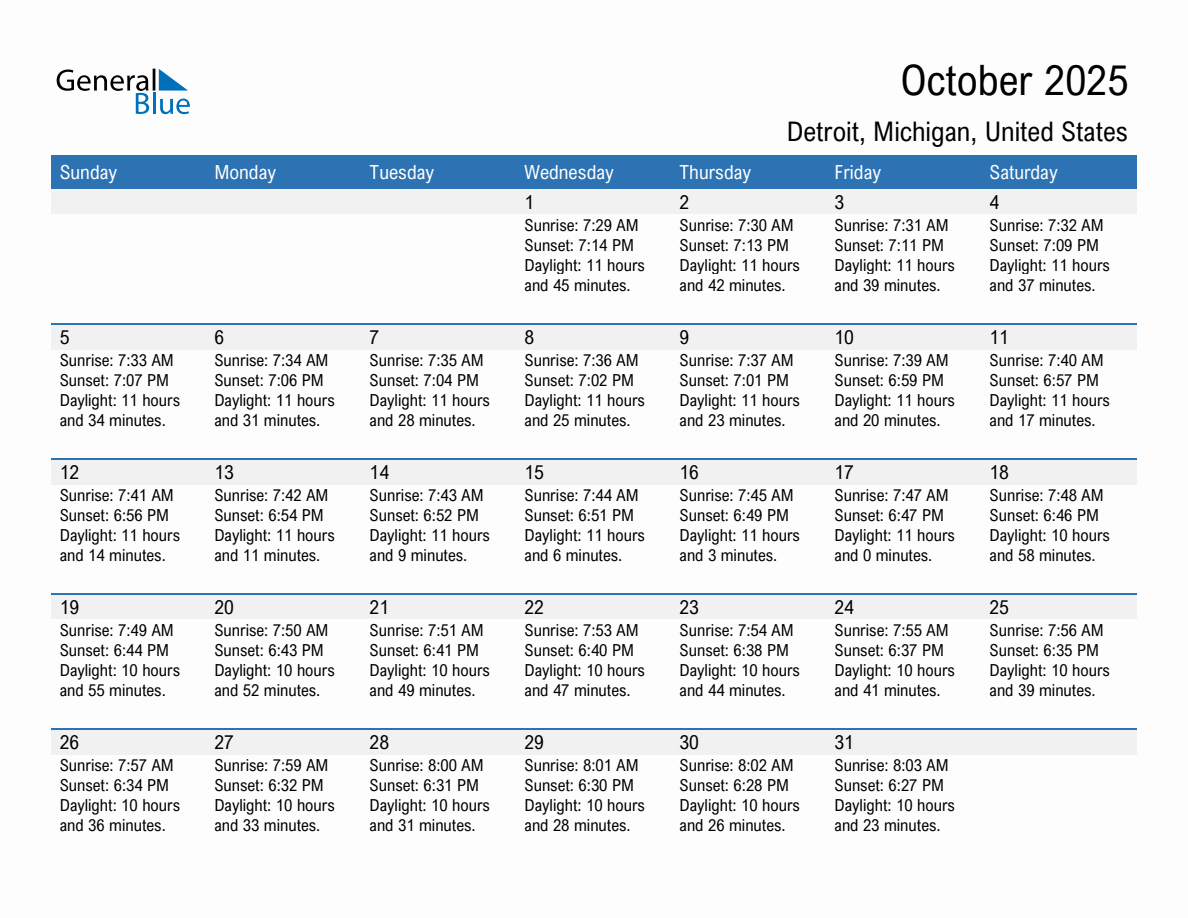
Michigan consistently observes Daylight Saving Time. Clocks are advanced one hour on the second Sunday in March and revert to standard time on the first Sunday in November. This means that for roughly eight months of the year, Detroit operates on EDT, providing longer daylight evenings, which are particularly cherished during the warm summer months for outdoor activities and extended sightseeing opportunities. Travelers planning to visit during these periods should account for the shift, as it impacts sunset times and the feeling of the day’s length.
Planning Your Visit: Synchronizing with Detroit’s Schedule
Knowing the time zone is fundamental for practical reasons, but understanding the rhythm of Detroit also involves aligning your visit with the city’s operating hours and event schedules. Most museums and attractions, like the renowned Detroit Institute of Arts (DIA) or the historic Motown Museum, typically open in the late morning and close in the late afternoon or early evening. Restaurants, especially those in popular areas like Greektown or Corktown, will have varying hours, with dinner service often extending late into the night. Public transportation, while available, has schedules that should be checked in advance, particularly on weekends or holidays. Business travelers will find that traditional office hours generally align with the 9 AM to 5 PM ET standard, but the city’s vibrant startup and creative scenes may keep different, more flexible hours.
When to Experience the Motor City: A Seasonal Guide
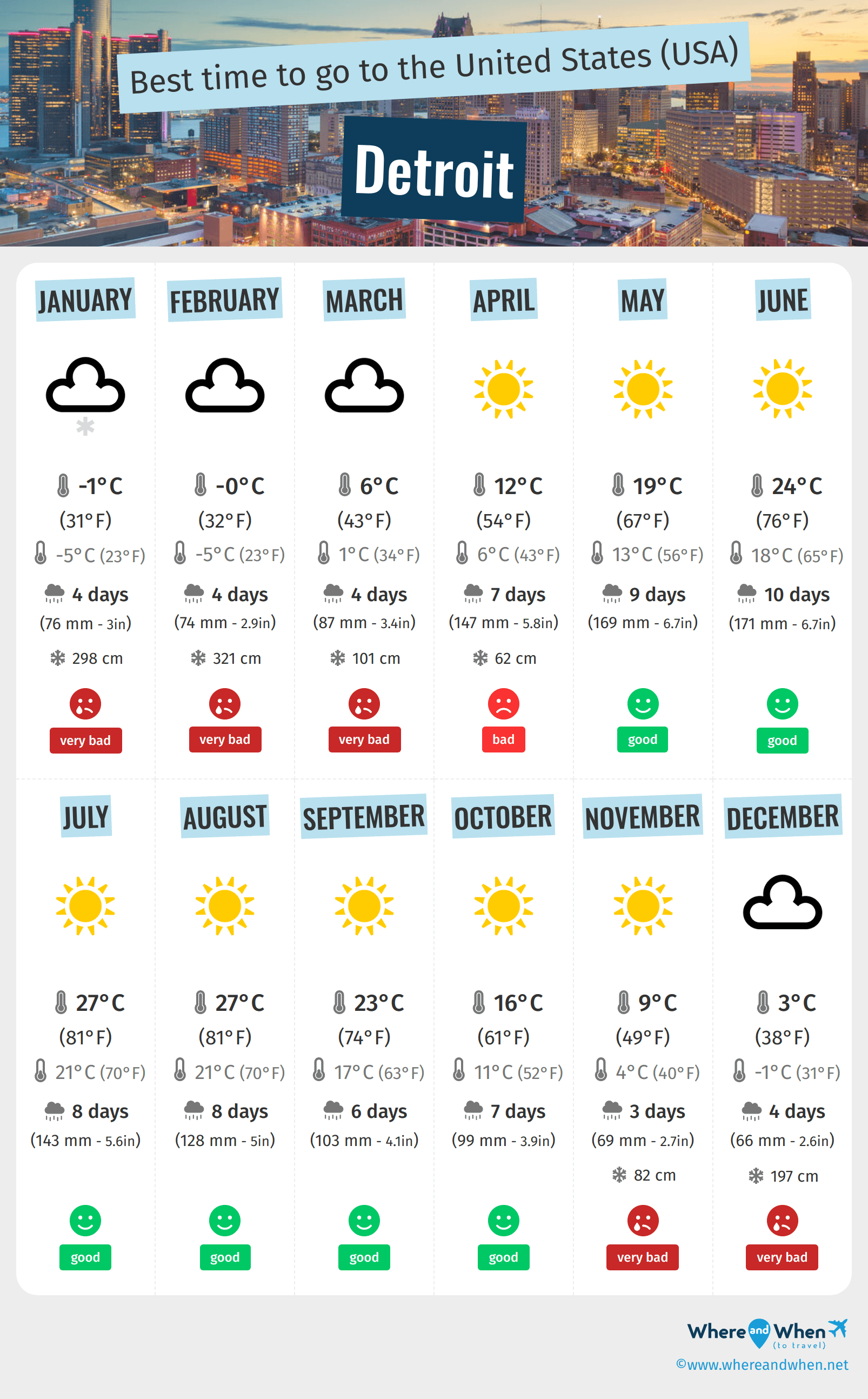
While the time on the clock remains constant, the best time to visit Detroit largely depends on your travel preferences and what you hope to experience. Each season offers a distinct charm, influencing everything from the available activities to the overall ambiance of the city.
Spring’s Awakening: Culture and Renewal
From April to June, Detroit shakes off the winter chill, with temperatures gradually rising and the city’s parks and green spaces coming to life. This is an excellent time for cultural exploration without the peak summer crowds. Festivals begin to emerge, celebrating everything from jazz to local cuisine. Indoor attractions like the Henry Ford Museum of American Innovation and the Charles H. Wright Museum of African American History remain popular, offering deep dives into innovation and heritage. Spring also marks the start of the baseball season for the Detroit Tigers at Comerica Park, adding an exciting sporting dimension to your visit.
Summer’s Vibrancy: Festivals and Outdoor Adventures
July and August are undeniably Detroit’s peak tourist season. The weather is warm and sunny, perfect for exploring the Detroit Riverwalk, enjoying picnics at Belle Isle Park, or catching an outdoor concert. The city’s calendar is packed with events, including the Movement Electronic Music Festival, the Detroit Jazz Festival, and the Woodward Dream Cruise, a massive classic car event. Dining alfresco becomes a popular option, and the city’s rooftop bars offer stunning views. However, be prepared for larger crowds and potentially higher accommodation prices during this bustling period.
Autumn’s Embrace: Scenic Beauty and Harvest Delights
September and October bring crisp air, comfortable temperatures, and breathtaking fall foliage, especially in Michigan’s surrounding areas. This is an ideal time for those who enjoy outdoor activities like hiking or scenic drives. The Eastern Market, a historic public market, thrives with harvest produce and seasonal events. Sports enthusiasts can catch Detroit Lions football games at Ford Field and Detroit Red Wings hockey at Little Caesars Arena, adding to the city’s vibrant energy. The cultural scene also remains active, with new theater productions and art exhibitions debuting.
Winter’s Charm: Cozy Escapes and Indoor Explorations
From November to March, Detroit experiences cold temperatures and significant snowfall, transforming the city into a picturesque winter wonderland. While outdoor activities might be limited, this season offers a unique opportunity for cozy escapes and deep dives into indoor attractions. Holiday markets, ice skating rinks, and festive light displays create a magical atmosphere. It’s an excellent time to explore Detroit’s rich architectural heritage, visit its world-class museums, or enjoy the thriving live music and theater scene at venues like the historic Fox Theatre. Winter travel often comes with the benefit of fewer tourists and potentially lower accommodation rates, making it an attractive option for budget-conscious travelers.
Detroit’s Allure: Top Attractions and Unforgettable Experiences
No matter “what time” you visit, Detroit offers a wealth of attractions and experiences that cater to every interest, reflecting its resilient spirit and diverse heritage. From its groundbreaking contributions to the automotive and music industries to its stunning architecture and revitalized public spaces, the Motor City invites exploration.
Iconic Landmarks and Museums
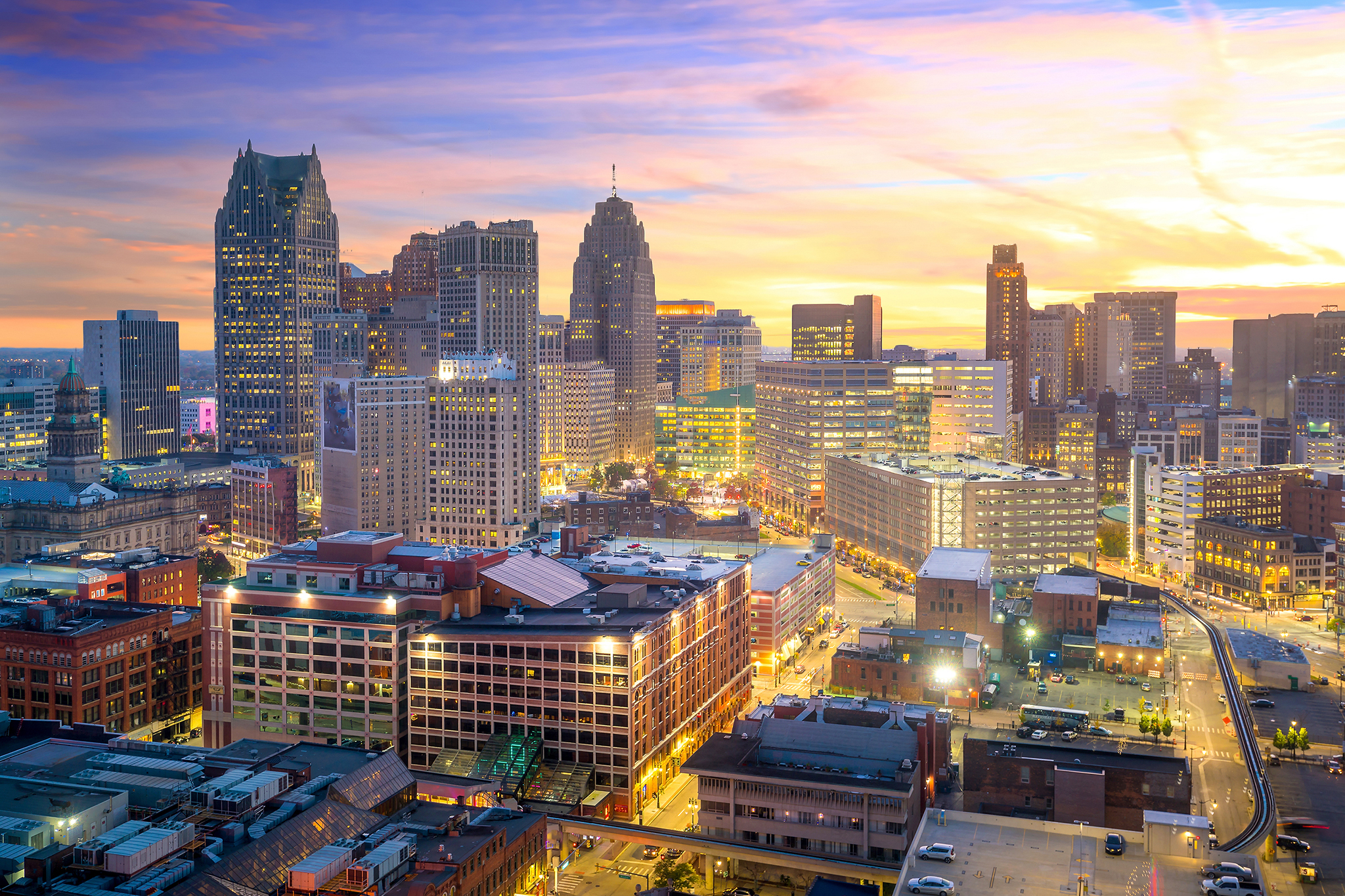
Detroit’s skyline is punctuated by impressive landmarks that tell stories of its past and future. The Renaissance Center, a cluster of seven interconnected skyscrapers, dominates the riverfront and houses the Detroit Marriott at the Renaissance Center. Nearby, the Detroit Riverwalk provides stunning views of the Detroit River and Windsor, Canada, connected by the Ambassador Bridge. Architecturally, the art deco masterpieces like the Guardian Building and the Fisher Building are must-sees, showcasing the city’s prosperity from a bygone era.
For history and culture buffs, the array of museums is unparalleled. The Henry Ford Museum of American Innovation and Greenfield Village in nearby Dearborn offer an immersive journey through America’s industrial and cultural past. The Motown Museum, housed in the original Hitsville U.S.A. building, is a pilgrimage site for music lovers, celebrating the legendary record label. The Detroit Institute of Arts (DIA) boasts one of the largest and most significant art collections in the United States, including Diego Rivera’s iconic “Detroit Industry Murals.”
Culinary Journeys and Local Culture
Detroit’s food scene is as diverse as its population, offering everything from classic American comfort food to innovative fine dining. Explore Greektown for authentic Greek cuisine and lively casino action at MGM Grand Detroit. Corktown, the city’s oldest neighborhood, is a hub for trendy eateries and pubs. The Eastern Market provides a sensory feast, with fresh produce, specialty foods, and a vibrant atmosphere, especially on market days. Don’t leave without trying a Detroit-style pizza, a thick-crusted, rectangular pie with a unique cheese blend and sauce on top.
The city’s local culture extends beyond food to its music scene, street art, and entrepreneurial spirit. Live music venues like The Fillmore Detroit and Saint Andrew’s Hall regularly host national and international acts, while smaller clubs keep the city’s jazz and techno roots alive. Public art installations and murals adorn buildings throughout downtown and in neighborhoods like Midtown, adding to the city’s dynamic visual landscape.
Embracing the Outdoors
Despite its industrial past, Detroit offers numerous green spaces for recreation and relaxation. Belle Isle Park, a 982-acre island park in the Detroit River, is an urban oasis featuring the Anna Scripps Whitcomb Conservatory, the Belle Isle Aquarium, and stunning views of the skylines of Detroit and Windsor. The Detroit Riverwalk is perfect for walking, jogging, or biking, offering access to various parks, plazas, and the Milliken State Park and Harbor. These areas provide a vital counterpoint to the city’s urban density, allowing visitors to connect with nature and enjoy outdoor activities.
Where to Stay: Accommodation Options in Detroit
Finding the right accommodation is crucial for any trip, and Detroit offers a wide spectrum of options, from luxurious hotels to budget-friendly stays and unique boutique hotels. Your choice will depend on your travel style, budget, and the specific areas you wish to explore.
Luxury Hotels and Boutique Stays
For those seeking an upscale experience, Detroit’s downtown and Midtown areas boast several high-end hotels. The Detroit Marriott at the Renaissance Center offers unparalleled views of the city and river, along with direct access to shops and restaurants. The MGM Grand Detroit combines luxury lodging with a bustling casino and diverse dining options. For a more unique, design-focused experience, boutique hotels like the Shinola Hotel in downtown offer stylish rooms, excellent dining, and a vibrant atmosphere. The Detroit Club, a historic private club transformed into a luxury hotel, and The Siren Hotel are also excellent choices for those looking for distinctive character and top-tier service. These establishments often come with premium amenities, exquisite dining, and concierge services, catering to a sophisticated lifestyle.
Budget-Friendly Options and Extended Stays
Travelers on a tighter budget or those looking for long-term accommodation will also find suitable choices. Numerous chain hotels are located just outside the immediate downtown core, offering comfortable stays at more competitive prices. These include options near the airport or in surrounding suburbs, which might be ideal for those with a rental car. For extended stays or a more home-like environment, serviced apartments and vacation rentals through platforms like Airbnb are increasingly popular, especially in revitalized neighborhoods like Corktown or Indian Village. These often come with kitchen facilities, providing flexibility and potential cost savings on dining.
Beyond Detroit: Michigan’s Diverse Travel Landscape
While Detroit is a compelling destination in itself, mentioning “What Time in Michigan Detroit?” implicitly invites a broader look at the state. Michigan, the Great Lakes State, offers an incredibly diverse travel landscape that can complement any Detroit visit. From the bustling college town of Ann Arbor to the craft beer capital of Grand Rapids, and the scenic beauty of Traverse City and the Upper Peninsula, there’s a reason Michigan is a beloved destination for both domestic and international tourists.
Exploring Michigan’s wine country, enjoying its pristine beaches along Lake Michigan, Lake Huron, and Lake Erie, or venturing into its vast forests for outdoor adventures can easily turn a Detroit trip into a comprehensive Michigan experience. Understanding the time in Michigan Detroit isn’t just about a time zone; it’s about synchronizing with the pulse of a dynamic city and a state rich in history, culture, and natural beauty. Whether your journey leads you to a deep dive into Detroit’s automotive heritage, a culinary tour of its vibrant neighborhoods, or an extended exploration of the Great Lakes region, Michigan promises a truly memorable experience, perfectly timed to your rhythm.
LifeOutOfTheBox is a participant in the Amazon Services LLC Associates Program, an affiliate advertising program designed to provide a means for sites to earn advertising fees by advertising and linking to Amazon.com. Amazon, the Amazon logo, AmazonSupply, and the AmazonSupply logo are trademarks of Amazon.com, Inc. or its affiliates. As an Amazon Associate we earn affiliate commissions from qualifying purchases.