
When planning a getaway to a luxury resort or a city-center boutique, one of the most critical decisions a traveler faces—aside from the room type—is the meal plan. Among the various acronyms and industry jargon, “Half Board” stands out as one of the most popular yet frequently misunderstood options. Understanding exactly what a Half Board hotel stay entails is essential for budgeting, scheduling your daily activities, and ensuring your culinary expectations are met during your stay.
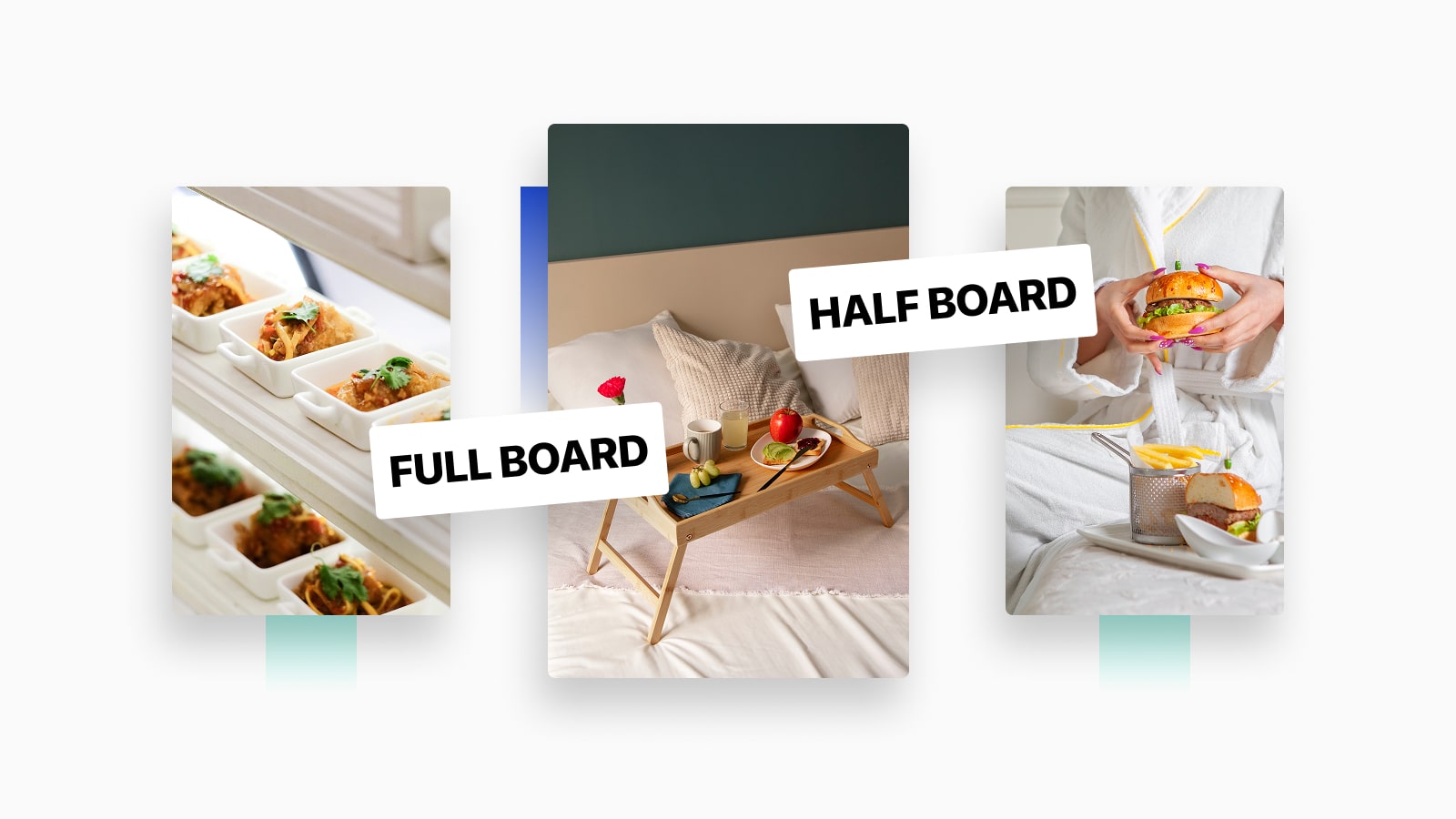
In the hospitality industry, a Half Board arrangement typically means that your nightly room rate includes two primary meals: breakfast and one other major meal, which is almost always dinner. This middle-ground option offers a balance between the total freedom of a “Room Only” booking and the structured environment of an “All-Inclusive” package.
Understanding the Half Board Concept and Logistics
The fundamental definition of Half Board is straightforward, but the execution varies significantly depending on the brand and location. Generally, the package starts with a comprehensive breakfast and concludes with a multi-course dinner or a buffet. The logic behind this structure is to provide guests with the fuel they need to start their day and a convenient, high-quality dining experience to return to after a day of exploration.
What is Typically Included?
In a standard Half Board package, breakfast is usually served in the hotel’s main dining room. Depending on the establishment, this could range from a simple continental spread to an elaborate international buffet featuring live cooking stations. For instance, a stay at the Burj Al Arab in Dubai would offer a vastly different breakfast experience than a smaller boutique hotel in Paris.
The second meal included is traditionally dinner. Most hotels prefer this because it encourages guests to return to the property in the evening, creating a vibrant atmosphere in the hotel restaurants. However, some resorts, particularly in Spain and Greece, may allow guests to swap dinner for lunch if they notify the front desk in advance. This flexibility is ideal for those who prefer to explore local nightlife and dining scenes in the evening.
The Question of Beverages
A common point of confusion for those booking Half Board is the status of drinks. Unlike All-Inclusive stays, Half Board packages rarely include beverages other than the standard tea, coffee, and juices provided during breakfast. When you sit down for your evening meal at a resort like Kuramathi Island Resort in the Maldives, you should expect to pay extra for bottled water, soft drinks, and alcoholic beverages. These costs are typically charged to your room and settled upon checkout.
Buffet vs. A La Carte
The style of service in a Half Board hotel depends heavily on the size of the property. Large resorts often utilize a buffet system for both included meals to accommodate a high volume of guests. These buffets are frequently themed—ranging from Italian nights to traditional Middle Eastern cuisine—to keep the experience varied for long-stay guests. Conversely, high-end luxury hotels like those managed by Four Seasons Hotels and Resorts may offer a “set menu” or a credit towards the a la carte menu, providing a more intimate and sophisticated dining experience.
Comparing Half Board to Other Meal Plans
To determine if Half Board is the right choice, it is helpful to view it through the lens of other common hotel dining structures. Each plan serves a specific type of traveler and a specific style of trip.
Half Board vs. Bed and Breakfast (B&B)
The Bed and Breakfast plan is the standard for city breaks in places like London or New York City. It provides the morning meal but leaves the rest of the day open. Half Board is essentially the “next step up.” While B&B offers maximum flexibility to try different local restaurants every night, Half Board offers the security of knowing your evening meal is already paid for. This is particularly advantageous in expensive destinations where dining out every night could significantly bloat your travel budget.
Half Board vs. Full Board
Full Board includes three meals: breakfast, lunch, and dinner. While this sounds convenient, it can often feel restrictive. If you are staying at a beautiful beachfront property in the Algarve or on the Amalfi Coast, a Full Board plan requires you to return to the hotel in the middle of the day. For many, this interrupts sightseeing or beach time. Half Board provides the “best of both worlds,” allowing you to grab a light, local snack for lunch while out and about, then returning for a substantial dinner.
Half Board vs. All-Inclusive
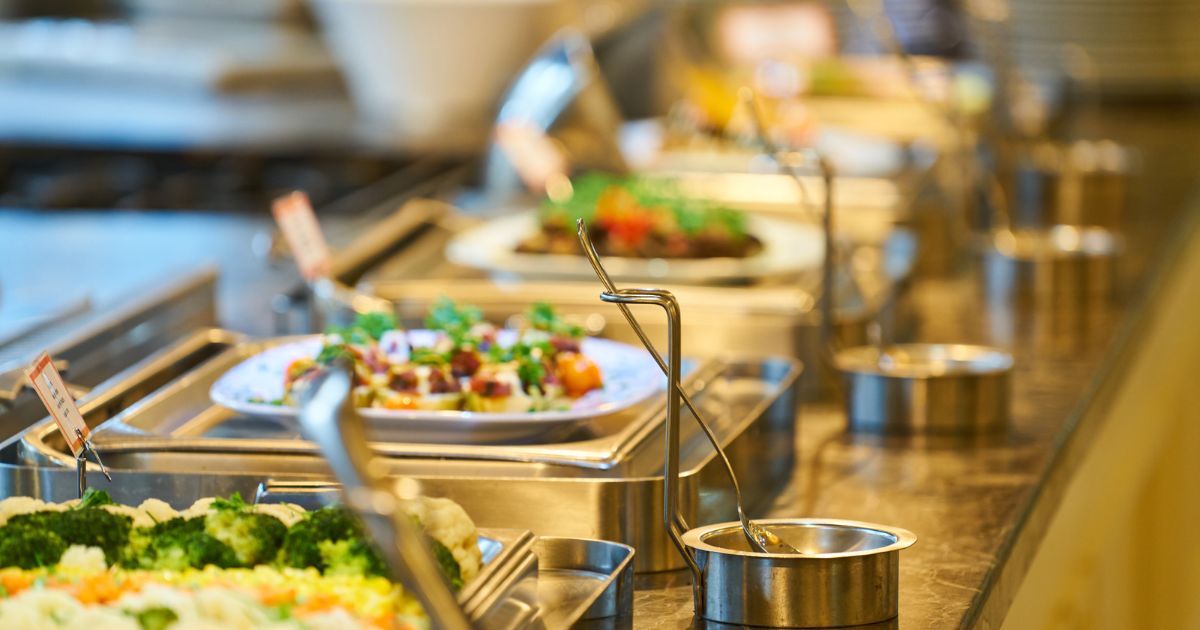
The All-Inclusive model, popularized by brands like Sandals Resorts in the Caribbean, includes all meals, snacks, and drinks (often including premium alcohol). The price jump from Half Board to All-Inclusive can be substantial. Half Board is the preferred choice for the “active” traveler—someone who wants the comfort of a luxury hotel like the Hilton Worldwide properties but doesn’t plan on sitting by the pool drinking cocktails all day. It eliminates the “waste” of paying for lunch and drinks you might not consume on the property.
The Financial and Strategic Advantages of Half Board
Choosing a Half Board plan is often a strategic financial decision. It allows for better budget forecasting and can often provide access to high-end hotel dining at a fraction of the a la carte price.
Budgeting with Certainty
When traveling to regions known for high costs of living, such as Switzerland or Singapore, the cost of a three-course dinner can be staggering. By booking a Half Board rate at a hotel like the Marina Bay Sands, you lock in your food costs at the time of booking. This “pre-paid” nature of the meal plan protects travelers from currency fluctuations and the temptation to overspend while on vacation.
Access to Premium Gastronomy
Many luxury hotels use their Half Board packages as a way to showcase their culinary prowess. In destinations like Tuscany or Provence, hotels often have on-site gardens and world-class chefs. Paying for Half Board often grants you access to these executive chefs’ creations at a bundled rate that is significantly lower than the price of walking in off the street. It ensures that even on your “lazy” days, you are experiencing high-quality local cuisine.
Ideal for Families and Large Groups
For those traveling with children, Half Board is often a lifesaver. Coordinating lunch and dinner for a family in a foreign city like Tokyo or Rome can be stressful and expensive. Hotels like Marriott International properties often have dedicated kids’ menus or sections within their buffets. Having a guaranteed, kid-friendly dinner waiting at the hotel at 6:00 PM allows parents to relax rather than searching for a restaurant that can accommodate a large group or picky eaters.
Is a Half Board Stay Right for You?
While Half Board offers many benefits, its value is highly dependent on the location of the hotel and your personal travel style.
When to Choose Half Board
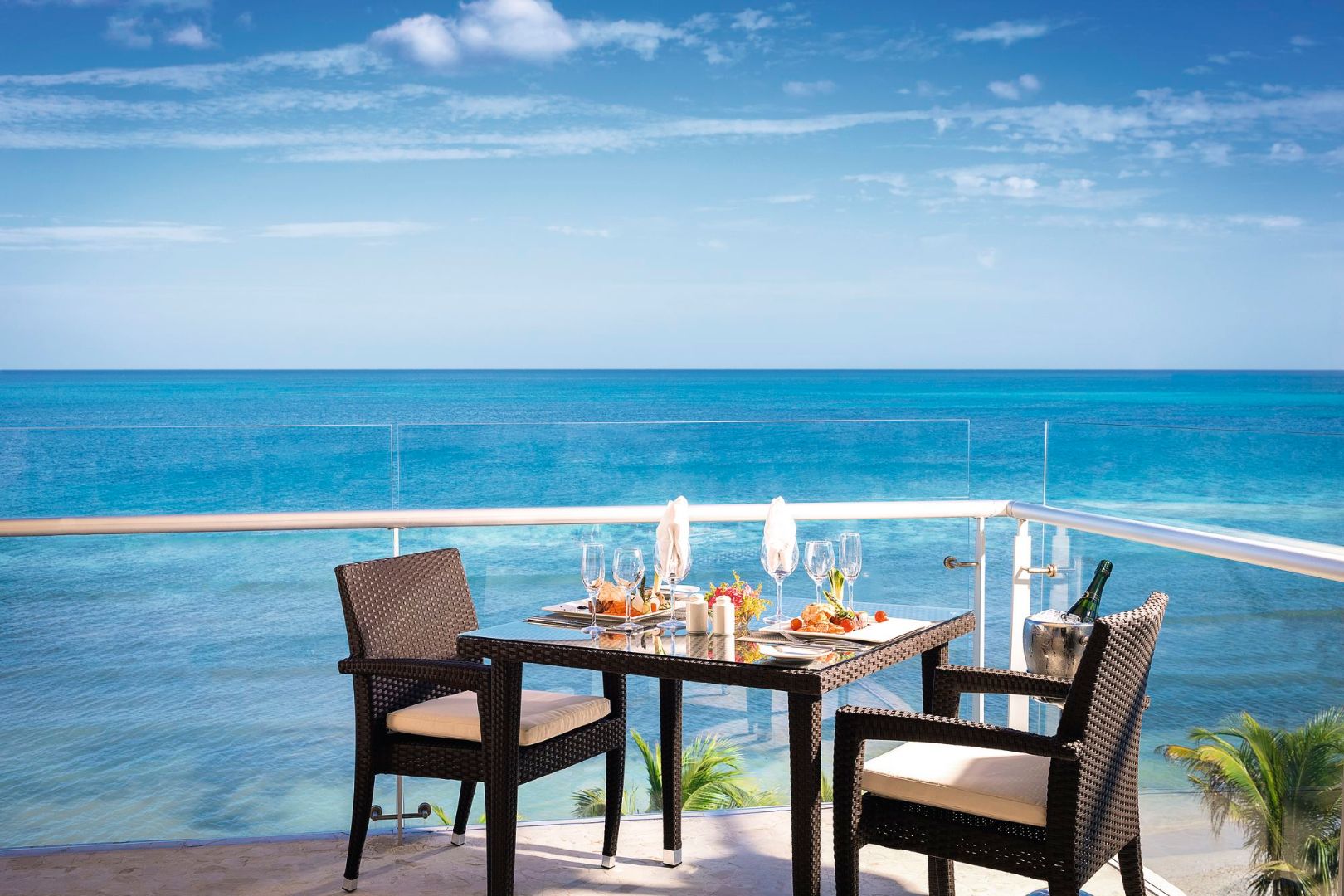
Half Board is most effective in two specific scenarios. The first is the “Secluded Resort” scenario. If you are staying at a remote villa in Bali or a private island in the Seychelles, there may be few or no dining options outside the hotel. In this case, Half Board is almost a necessity.
The second scenario is the “Budget-Conscious Luxury” trip. If you want to stay at a prestigious property like the Hotel Ritz Paris or the Bellagio Hotel in Las Vegas, but want to keep a tight rein on incidental spending, the Half Board plan provides a safety net.
When to Avoid Half Board
If you are a “foodie” who travels specifically to try as many different local eateries as possible, Half Board may feel like a golden cage. In a city like Bangkok or Mexico City, where the street food and local bistro scenes are world-renowned, being “forced” to return to your hotel for dinner would be a missed opportunity.
Furthermore, if you have very specific dietary requirements that a standard hotel buffet might struggle to meet, you might find more variety by booking “Room Only” and researching specialized restaurants in the area. However, most modern chains, such as Accor Hotels, are becoming increasingly adept at catering to vegan, gluten-free, and halal diets within their Half Board offerings.
Final Considerations Before Booking
Before finalizing your reservation, always read the fine print of the Half Board offer. Check if the “second meal” can be moved to lunch. Inquire whether the dinner is a buffet or a set menu, and ask about the policy on bottled water. In some sun-drenched destinations like Egypt or Turkey, the cost of water and soft drinks over a week can add up to a significant hidden expense.
Ultimately, a Half Board hotel stay offers a structured yet flexible way to experience a destination. It provides the peace of mind that comes with knowing your primary meals are handled, while leaving your afternoons free for adventure. Whether you are reclining on the beaches of the Costa del Sol or exploring the historic streets of Prague, the Half Board option remains a cornerstone of the modern hospitality experience, blending value, convenience, and culinary delight.
LifeOutOfTheBox is a participant in the Amazon Services LLC Associates Program, an affiliate advertising program designed to provide a means for sites to earn advertising fees by advertising and linking to Amazon.com. Amazon, the Amazon logo, AmazonSupply, and the AmazonSupply logo are trademarks of Amazon.com, Inc. or its affiliates. As an Amazon Associate we earn affiliate commissions from qualifying purchases.